
The majestic moose, with its imposing stature and distinctive antlers, is an iconic symbol of wilderness and northern climes. For many, the image of a moose evokes vast, untamed forests and rugged landscapes. So, when considering the diverse ecosystems of New York State, a question naturally arises: Are there moose in New York? The answer, perhaps surprisingly to some, is a resounding yes. While not as common as in states like Alaska or Maine, moose have indeed made a comeback and can be found roaming certain regions of the Empire State.
This exploration delves into the fascinating resurgence of these magnificent creatures, uncovering where they inhabit, why they are returning, and how visitors might increase their chances of a sighting. It’s a story of ecological recovery, habitat management, and the enduring wildness that persists even in a state known for its bustling metropolises and developed landscapes. For travelers and nature enthusiasts, the presence of moose adds another layer of intrigue to New York‘s already rich tapestry of natural wonders, drawing them to explore beyond the well-trodden tourist paths.

The Return of the Giant: Moose Reclaiming Their New York Territory
For a significant period, the moose population in New York dwindled to near extinction. Historical records suggest that moose were once more widespread throughout the state, but habitat loss, hunting, and changing environmental conditions led to their severe decline. However, in recent decades, a remarkable recovery has been observed, largely driven by conservation efforts and the natural dispersal of moose from neighboring regions.
Understanding Moose Habitat in New York
The primary stronghold for moose in New York is the Adirondack Park. This vast wilderness area, covering over six million acres, provides the ideal habitat for these large herbivores. Moose thrive in environments characterized by extensive forests, wetlands, bogs, and brushy areas, all of which are abundant within the Adirondack Park. These areas offer ample food sources, including the twigs, buds, leaves, and aquatic vegetation that constitute a moose’s diet, as well as the necessary cover for protection and breeding.
Beyond the Adirondacks, smaller populations or individuals have been spotted in other parts of upstate New York, particularly in areas with similar natural characteristics, such as the Tug Hill Plateau and the Catskill Mountains. These regions, though less densely populated by moose than the Adirondacks, represent potential future expansion zones as the population continues to grow and spread.
Factors Contributing to the Moose Comeback
Several factors have contributed to the successful return of moose to New York.
- Habitat Restoration and Protection: Significant efforts have been made to protect and restore critical habitats within the Adirondack Park and other wilderness areas. This includes managing forests to maintain diverse vegetation types and protecting wetlands, which are vital feeding grounds for moose, particularly during warmer months when they graze on aquatic plants.
- Reduced Hunting Pressure: Stricter hunting regulations and a broader understanding of the importance of maintaining healthy wildlife populations have played a crucial role. While some regulated hunting seasons exist for other deer species, moose hunting in New York is generally prohibited to allow the population to recover and stabilize.
- Natural Range Expansion: Moose populations in neighboring Canadian provinces and other northeastern states have also seen increases. As these populations grow, individual moose, particularly young males in search of new territories, naturally disperse and can find suitable habitats in New York. This natural recolonization is a key driver of the current moose presence.
- Improved Water Quality: The overall improvement in water quality in many of New York‘s lakes and ponds benefits aquatic vegetation, a critical food source for moose. This dietary staple is essential for their health and reproductive success.
Experiencing Moose Encounters: Where and How to Spot Them in New York
For those eager to witness a New York moose in its natural habitat, patience, preparedness, and knowledge of prime viewing locations are key. While sightings are not guaranteed, certain areas and times of day offer a higher probability of an encounter. Responsible wildlife viewing practices are paramount to ensure the safety of both humans and the animals.
Prime Moose Viewing Locations in New York
The Adirondack Park remains the undisputed best region for moose spotting. Within this expansive wilderness, specific areas are known for their moose activity:
- The Northern Adirondacks: Areas around Tupper Lake, Long Lake, and Old Forge are often cited as prime moose territory. The vast tracts of state land, numerous lakes, and extensive wetlands in these vicinities provide ideal conditions.
- Route 3 and Route 30: Driving along these scenic routes, particularly at dawn and dusk, can increase your chances. These roads often pass through or skirt wetlands and forested areas where moose are known to forage.
- Moose River Plains: This designated Wilderness Area within the Adirondacks is aptly named. Its remote nature and abundant wetlands make it a favored spot for moose. Access is primarily via unpaved roads, which are best navigated with a suitable vehicle.
- Fulton Chain Lakes Area: The chain of lakes, including Old Forge Pond and Big Moose Lake, offers opportunities to spot moose, especially near the water’s edge during feeding times.
- Balsam Lake Mountain State Forest: Located in the southwestern Adirondacks, this area has seen an increase in moose sightings.
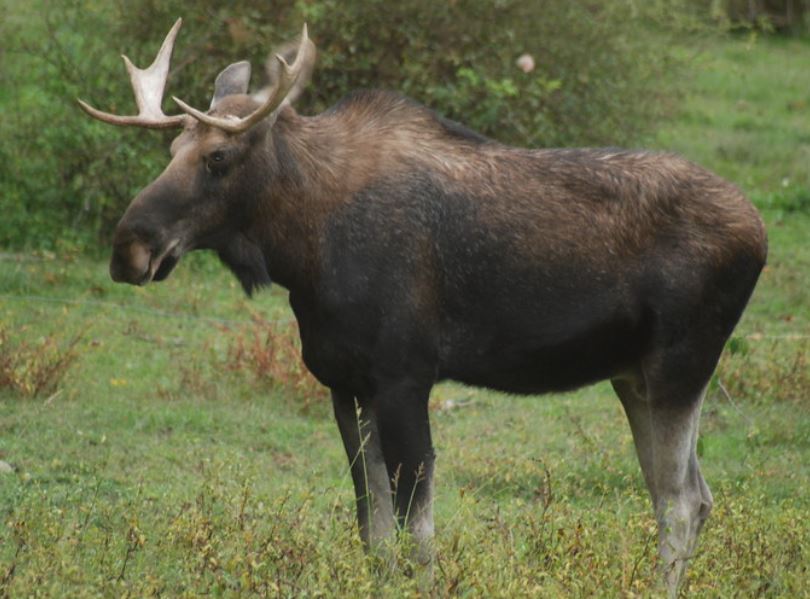
While less common, there have been reports of moose sightings in the Tug Hill Plateau, known for its heavy snowfall and extensive forests, and the Catskill Mountains. These sightings are often of solitary individuals, but they indicate the potential for wider distribution as the population grows.
Best Times for Moose Sightings
The best times to spot a moose in New York align with their activity patterns and the natural light conditions that facilitate viewing.
- Dawn and Dusk: Moose are most active during the crepuscular hours – early morning and late evening. This is when they typically forage for food to avoid the heat of the day and the increased activity of predators. The soft light also makes for excellent photography opportunities.
- Spring: In spring, moose are drawn to the fresh greenery and emerging aquatic vegetation in wetlands. This is a particularly good time to see them feeding.
- Fall (Rutting Season): The autumn months, especially September and October, are the rutting season for moose. During this time, bulls become more active and may be seen traveling more widely in search of cows, increasing the chances of a sighting in unexpected areas.
Tips for Responsible Moose Viewing
Encountering a moose is an unforgettable experience, but it’s crucial to do so responsibly to ensure the safety and well-being of the animal and yourself.
- Maintain a Safe Distance: Moose are wild animals and can be unpredictable, especially if they feel threatened. Always maintain a significant distance – at least 50 yards (approximately 45 meters) – and never attempt to approach or feed them.
- Use Binoculars or a Camera with a Zoom Lens: These tools allow you to observe moose without disturbing them, providing clear views for photography or observation.
- Be Quiet and Patient: Move slowly and quietly through moose habitat. Sit and observe for extended periods, as patience is often rewarded.
- Never Feed Moose: Feeding wild animals can habituate them to humans, leading to dangerous encounters and potentially harming their health.
- Stay in Your Vehicle When Possible: If you are driving, especially on scenic routes, pull over to a safe spot if you see a moose. Observing from your vehicle provides a safe barrier.
- Be Aware of Your Surroundings: Especially in remote areas, be aware of your surroundings and any potential risks. Carry bear spray if you are hiking in deep wilderness.
- Respect Private Property: When searching for moose, be mindful of private land and obtain permission before venturing onto it.
Planning Your Moose-Watching Adventure in New York
For travelers inspired by the idea of spotting a moose, New York offers a unique blend of wilderness exploration and comfortable accommodations. Planning a trip focused on wildlife viewing can be a rewarding experience, combining the thrill of discovery with the enjoyment of New York‘s natural beauty.
Accommodation Options for Nature Enthusiasts
The Adirondack Park and surrounding regions offer a range of lodging options to suit various preferences and budgets. From rustic cabins to well-appointed hotels, visitors can choose accommodations that place them close to prime moose habitat.
- Lodges and Cabins: Many lodges and cabin rentals are situated within or on the edge of the Adirondack Park, offering direct access to hiking trails and scenic drives. These often provide a more immersive wilderness experience. For example, staying in a lodge near Lake Placid or Saranac Lake can be a convenient base for exploring moose country.
- Hotels and Motels: Larger towns like Lake Placid, Saranac Lake, and Old Forge have a variety of hotels and motels. These offer more amenities and services, such as restaurants and guided tour options, and can be good choices for families or those seeking more comfort.
- Camping and RV Parks: For the truly adventurous, camping within New York State Parks or designated campgrounds in the Adirondacks offers the closest connection to nature. Many sites are located near lakes and forests where moose are known to frequent.
- Vacation Rentals: Platforms offering vacation rentals provide an option for longer stays or for groups seeking more space and self-catering facilities. This can be ideal for families planning extended moose-watching expeditions.
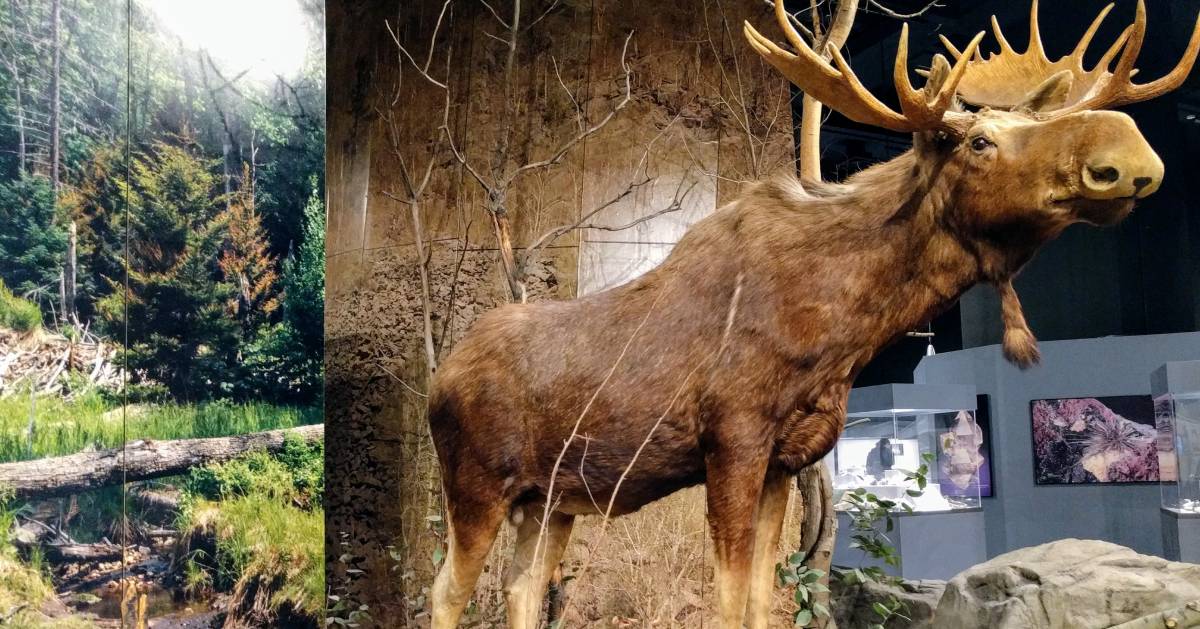
Travel Tips for a Successful Moose Safari
A successful moose-watching trip requires a bit of foresight and preparation.
- Timing Your Visit: As mentioned, spring and fall are excellent times for sightings. Consider visiting during the shoulder seasons to avoid peak summer crowds and enjoy cooler weather.
- Vehicle Choice: While many main roads are paved, accessing some prime viewing areas, like the Moose River Plains, may require a vehicle with higher clearance or four-wheel drive. Check road conditions before you go.
- Pack Appropriately: Layers of clothing are essential, as New York weather can change rapidly, especially in the mountains. Sturdy hiking boots, rain gear, insect repellent (especially for spring and summer), and a good map are also recommended.
- Learn About Moose Behavior: Understanding moose habits will enhance your experience. Knowing they are most active at dawn and dusk, and often found near wetlands, can help you plan your excursions.
- Consider Guided Tours: Local outfitters and nature centers in the Adirondacks may offer guided tours specifically for wildlife viewing, including moose. These guides are experts in the area and can significantly increase your chances of a sighting while ensuring safety.
The presence of moose in New York is a testament to successful conservation and the enduring power of nature. For those who venture into the wild heart of the state, the possibility of glimpsing these magnificent animals adds a profound and memorable dimension to their travels, reminding us that wilderness can be found in the most unexpected places. Whether you are a seasoned wildlife photographer or a curious traveler, the Adirondacks offer a unique opportunity to connect with one of North America’s most impressive creatures.
LifeOutOfTheBox is a participant in the Amazon Services LLC Associates Program, an affiliate advertising program designed to provide a means for sites to earn advertising fees by advertising and linking to Amazon.com. Amazon, the Amazon logo, AmazonSupply, and the AmazonSupply logo are trademarks of Amazon.com, Inc. or its affiliates. As an Amazon Associate we earn affiliate commissions from qualifying purchases.