
Florida, often conjured in the mind’s eye as a sun-drenched playground of theme parks and bustling beaches, holds a secret – a vast, untamed region where the wild heart of the Sunshine State beats strong. This is the Big Bend, a geographic and cultural area that defies easy categorization. It’s a place where the Panhandle gently curves southwards to meet the Gulf Coast, creating a unique ecological and historical tapestry that is increasingly drawing the attention of travelers seeking something beyond the ordinary. If you’re curious about this lesser-known corner of Florida, prepare to be captivated by its raw beauty, rich heritage, and the distinct charm of its communities.

Unveiling the Geographic and Ecological Majesty of The Big Bend
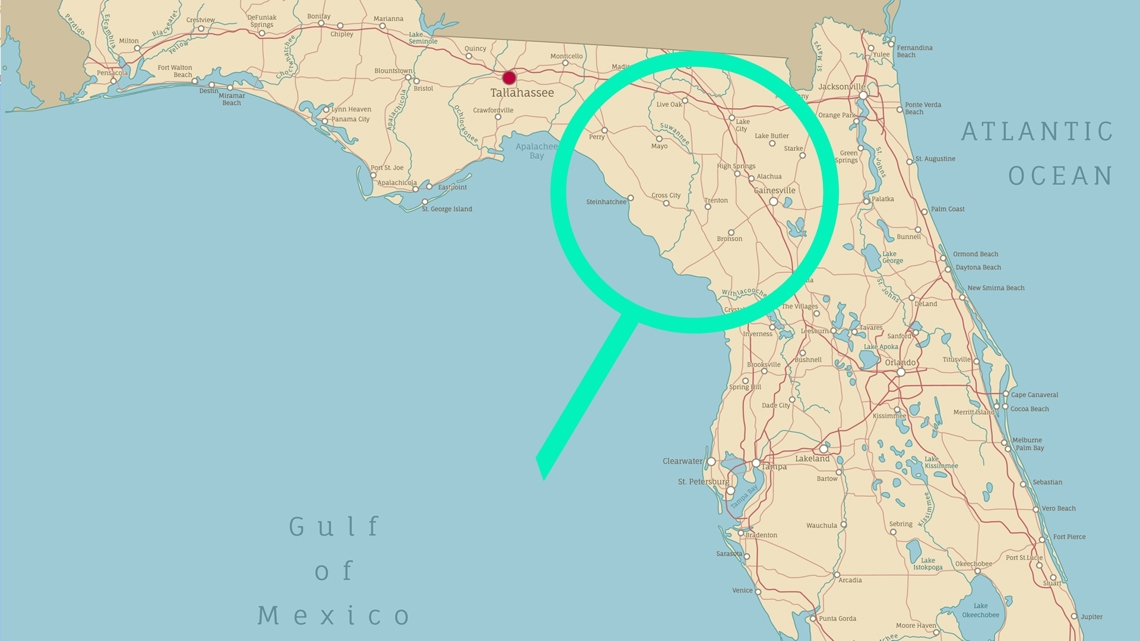
The moniker “Big Bend” itself is a geographical descriptor, referring to the pronounced curve where Florida’s coastline transitions from its northwestern Panhandle orientation to a more southerly, Gulf-facing direction. This region stretches roughly from the southern edge of the Panama City area down to the vicinity of Tampa Bay, encompassing a significant portion of the state’s western coastline. However, the true essence of the Big Bend lies not just in its geography, but in the profound ecological and environmental characteristics that define it.
A Haven of Pristine Natural Landscapes
What sets the Big Bend apart is its remarkably undeveloped and ecologically diverse landscape. Unlike much of Florida’s coast, which has seen extensive development, large swathes of the Big Bend remain a testament to nature’s artistry. This includes:
-
Vast Estuaries and Marshes: The region is characterized by extensive estuarine systems, where freshwater rivers meet the saline waters of the Gulf of Mexico. These shallow, nutrient-rich environments are teeming with life, supporting vast salt marshes, seagrass beds, and mangrove forests. These ecosystems are critical nurseries for countless marine species, including commercially important fish and shellfish. The Apalachicola River and its surrounding bay system, for instance, represent one of the most ecologically significant estuarine complexes in the United States.
-
Untouched Coastline: Miles of undeveloped coastline offer a glimpse into Florida’s natural shorelines. These areas are vital for migratory birds, sea turtles, and a host of other wildlife. The lack of dense development means that visitors can experience a sense of true wildness, with opportunities for kayaking, birdwatching, and exploring remote beaches.
-
Unique Wildlife Habitats: The Big Bend is a critical stopover point for migratory birds along the Atlantic Flyway. Birdwatchers flock to areas like the St. Marks National Wildlife Refuge, a sprawling sanctuary that protects a diverse array of avian species, from waterfowl and wading birds to raptors and songbirds. Beyond birds, the region is home to manatees, dolphins, and a variety of marine and terrestrial animals that thrive in its protected habitats.
-
The Famous Big Bend Salt Marsh: Perhaps the most iconic natural feature is the expansive Big Bend Salt Marsh. This incredibly productive ecosystem provides crucial habitat and is vital for water filtration and coastal protection. Its sheer scale and biodiversity are awe-inspiring, offering unparalleled opportunities for nature observation and appreciation.
A Rich Tapestry of History and Culture
The Big Bend’s history is as compelling as its natural beauty. Shaped by indigenous peoples, European settlers, and the enduring influence of maritime traditions, the region offers a unique cultural experience.
-
Indigenous Heritage: For thousands of years, this land was home to various indigenous tribes who utilized its abundant natural resources. Archaeological sites throughout the region provide insights into their way of life and deep connection to the environment.
-
Maritime and Fishing Communities: The economy and culture of the Big Bend have long been tied to the sea. Small, historic fishing villages dot the coastline, maintaining traditions of oystering, shrimping, and fishing that have been passed down through generations. Towns like Steinhatchee and Perry offer a glimpse into this authentic Florida lifestyle, where the pace of life is dictated by the tides and the bounty of the Gulf.
-
Preservation of Local Culture: Unlike many tourist destinations, the Big Bend has largely resisted overt commercialization. This has allowed its local culture to flourish, characterized by a strong sense of community, a laid-back attitude, and a deep appreciation for the natural environment. Visitors can experience this authenticity through local festivals, seafood markets, and interactions with the friendly residents.
Exploring the Diverse Destinations within The Big Bend
The Big Bend is not a single, monolithic entity but rather a collection of distinct areas, each offering its own unique appeal. Understanding these sub-regions can help travelers plan their perfect itinerary.
Northern Big Bend: Gateway to the Panhandle’s Edge
This northernmost part of the Big Bend often serves as the entry point for those traveling from the west. It’s an area where the transition from drier Panhandle terrain to the coastal wetlands begins.
-
Apalachicola: This historic port town is a jewel of the Big Bend. Steeped in maritime history, Apalachicola boasts charming Victorian architecture, a vibrant waterfront, and a reputation for some of the freshest seafood in Florida, particularly its world-renowned oysters. The Apalachicola National Forest, one of the largest in Florida, provides ample opportunities for hiking, camping, and exploring diverse ecosystems.
-
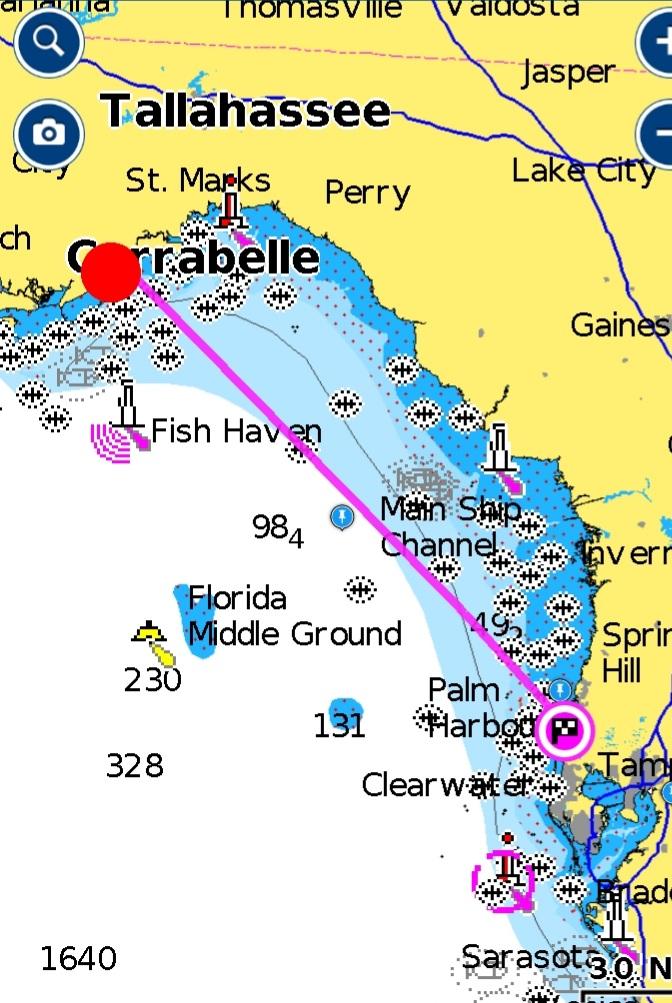
Carrabelle: Known as the “World’s Smallest City,” Carrabelle offers a relaxed coastal vibe with a focus on fishing and boating. It’s a good base for exploring the surrounding islands and enjoying the quieter side of coastal Florida.
Central Big Bend: The Heart of the Estuaries and Wildlife
This is where the defining characteristics of the Big Bend truly come to the forefront. It’s a realm of vast waterways, protected lands, and an abundance of wildlife.
- St. Marks: Home to the St. Marks National Wildlife Refuge, this area is a paradise for nature lovers. The refuge offers miles of driving and hiking trails, observation towers, and opportunities to witness a spectacular array of wildlife, especially during migration seasons. The historic St. Marks Lighthouse is a picturesque landmark within the refuge.
-
Steinhatchee: A quintessential Florida fishing village, Steinhatchee is renowned for its exceptional scalloping opportunities in the summer months. It’s a place where life revolves around the water, offering a truly authentic coastal experience. The nearby Steinhatchee River is also popular for fishing and boating.
-
Cedar Key: This charming island community, a cluster of islands nestled in the Gulf, embodies the laid-back spirit of the Big Bend. Cedar Key is known for its stunning sunsets, abundant birdlife, and delicious seafood. It’s a destination for kayaking, exploring local art galleries, and simply unwinding in a tranquil setting. The Cedar Keys National Wildlife Refuge protects many of the surrounding islands.
Southern Big Bend: The Transition to the Gulf Coast
As you move further south, the landscape gradually shifts, and the Big Bend begins to blend into the broader Gulf Coast region.
- Crystal River and Homosassa: While technically on the edge of what is often considered the Big Bend, areas like Crystal River and Homosassa are famous for their unique encounters with manatees. These towns offer opportunities to swim, snorkel, or dive with these gentle giants in their natural springs, providing an unforgettable wildlife experience that is quintessentially Floridian and closely aligned with the ecological wonders of the Big Bend.
Experiencing the Big Bend: A Guide for Travelers
The Big Bend offers a different kind of travel experience, one that emphasizes nature, authenticity, and a slower pace of life. Whether you’re a seasoned adventurer or seeking a peaceful retreat, this region has something to offer.
Embracing Outdoor Adventures and Wildlife Encounters
The primary draw of the Big Bend is its incredible natural environment, which invites exploration and immersion.
-
Birdwatching: With its vast protected areas, the Big Bend is a premier destination for birdwatching. The St. Marks National Wildlife Refuge and the Crystal River National Wildlife Refuge are exceptional, especially during spring and fall migration. Keep an eye out for species like Roseate Spoonbills, Wood Storks, and various wading birds.
-
Kayaking and Canoeing: The calm waters of the estuaries and rivers are perfect for paddling. Explore the intricate network of waterways, discover hidden coves, and observe marine life up close. Many outfitters offer rentals and guided tours. The paddling trails within the Wekiwa Springs State Park area, though a bit further east, showcase similar natural beauty.
-
Fishing and Boating: From world-class saltwater fishing to casting a line in freshwater rivers, the Big Bend is a angler’s paradise. Charter a boat for offshore fishing, try your luck at inshore fishing for redfish and trout, or enjoy a leisurely day on the water exploring the coastline.
-
Wildlife Viewing: Beyond birds, keep an eye out for manatees in the warmer months, especially in areas like Crystal River. Dolphins are often seen offshore, and various mammals inhabit the coastal forests and marshes.
Immersing in Local Culture and Cuisine
To truly experience the Big Bend, engage with its local communities and savor its unique flavors.
-
Seafood Delicacies: The Big Bend is synonymous with fresh, delicious seafood. Indulge in oysters harvested from the Apalachicola Bay, enjoy freshly caught shrimp, and sample a variety of local fish dishes. Look for restaurants that source their ingredients locally for the most authentic taste.
-
Historic Towns and Communities: Wander through the charming streets of Apalachicola or Cedar Key. Visit local art galleries, browse antique shops, and soak in the unhurried atmosphere. These towns offer a refreshing escape from the hustle and bustle of modern life.
-
Festivals and Events: Throughout the year, various communities host festivals celebrating local heritage, seafood, and the natural environment. These events are a fantastic way to experience the local culture and connect with residents.
Accommodation and Travel Tips
When planning your visit to the Big Bend, consider its unique character and what kind of experience you’re seeking.
-
Types of Accommodation: You’ll find a range of accommodation options, from cozy inns and bed and breakfasts in historic towns to vacation rentals and small, family-run motels. For those seeking a more upscale experience, options may be more limited compared to other Florida destinations, but boutique hotels and charming lodges do exist. Camping is also a popular choice, especially within the state and national forests. Look for unique stays that embrace the region’s natural setting.
-
Best Time to Visit: The shoulder seasons, spring (March-May) and fall (September-November), generally offer pleasant weather for outdoor activities. Summer can be hot and humid, but it’s also the prime season for scalloping in some areas. Winter offers mild temperatures and is excellent for birdwatching.
-
Getting Around: A car is essential for exploring the Big Bend, as attractions and towns are spread out. Be prepared for scenic drives through coastal highways and rural roads.
-
Embrace the Pace: The Big Bend is a place to slow down and disconnect. Don’t rush your itinerary. Allow time for spontaneous stops, leisurely meals, and simply enjoying the natural beauty.
The Big Bend in Florida is a destination that rewards those who venture off the beaten path. It’s a region that offers a profound connection to nature, a glimpse into authentic Floridian life, and an escape to a landscape that remains beautifully wild. For travelers seeking an experience that is rich in natural beauty, history, and local charm, the Big Bend is an unforgettable discovery.
LifeOutOfTheBox is a participant in the Amazon Services LLC Associates Program, an affiliate advertising program designed to provide a means for sites to earn advertising fees by advertising and linking to Amazon.com. Amazon, the Amazon logo, AmazonSupply, and the AmazonSupply logo are trademarks of Amazon.com, Inc. or its affiliates. As an Amazon Associate we earn affiliate commissions from qualifying purchases.