
The United States of America boasts a rich tapestry of iconic cities, each offering a unique blend of history, culture, and modern vibrancy. Among the most prominent are New York City, the dazzling metropolis known for its towering skyscrapers and relentless energy, and Washington D.C., the nation’s capital, steeped in history and political significance. These two powerhouses, while distinct, are geographically proximate enough to be easily explored in a single trip, making them a popular pairing for both domestic and international travelers. Understanding the distance between them is the first step in planning an efficient and enjoyable journey.
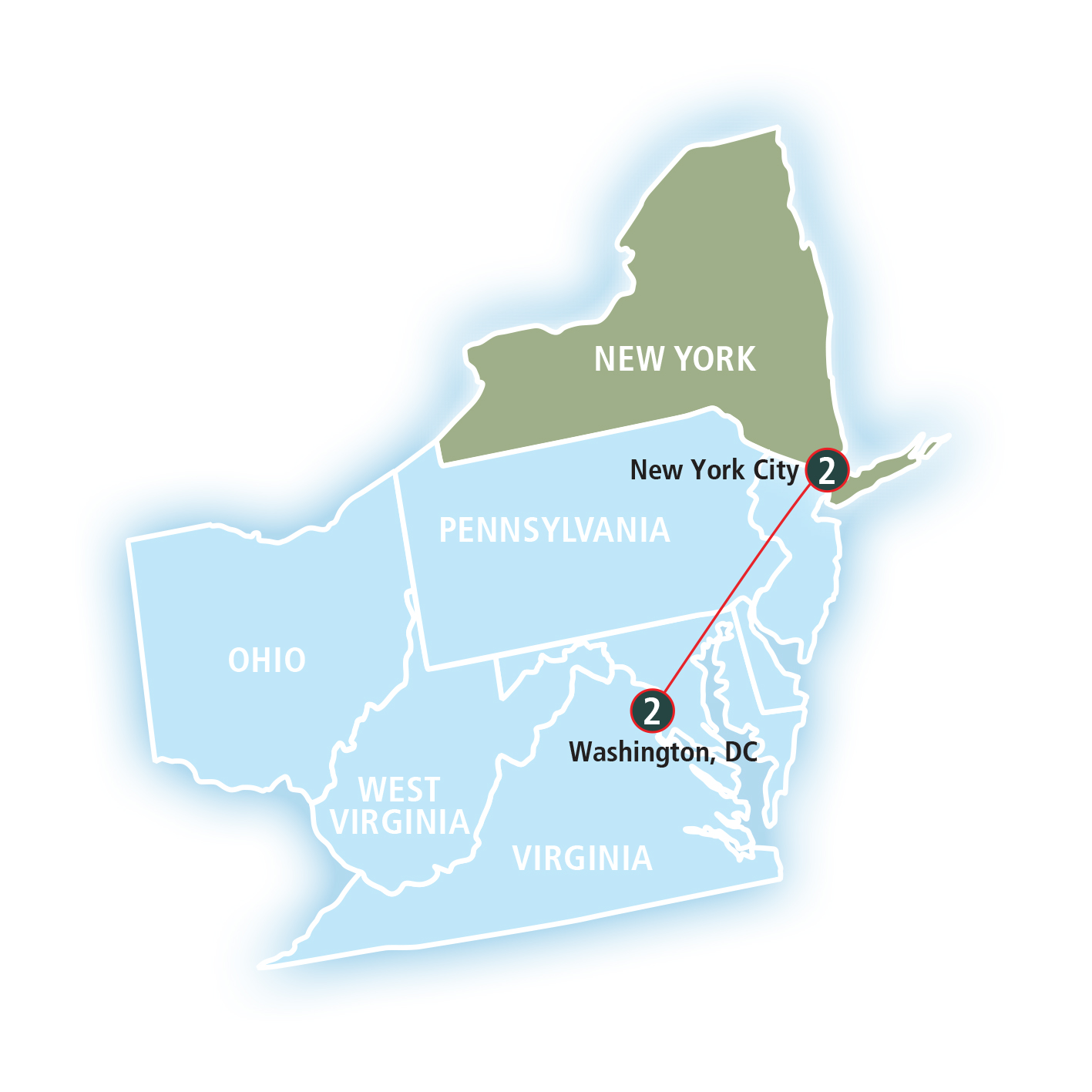
The question “How far is New York City from DC?” is more than just a geographical query; it’s a gateway to planning your travel itinerary, considering different modes of transportation, and estimating travel times. This exploration will delve into the precise distances, the most common and efficient travel methods, and what makes each leg of the journey a worthwhile experience. Whether you’re a first-time visitor to the East Coast or a seasoned traveler, this guide will equip you with the knowledge to navigate the space between these two influential urban centers.
The distance between New York City and Washington D.C., often referred to as DC, is a relatively short one in the grand scheme of intercity travel, especially within the vast expanse of the United States. This proximity is a key factor contributing to the popularity of the Northeast Corridor as a travel route. Understanding this distance allows for informed decisions regarding travel time, cost, and the overall experience of traversing between these two cultural and political hubs.
The Driving Distance and Time: A Road Trip Perspective
For many, the allure of a road trip lies in the freedom it offers – the ability to stop at points of interest, control your schedule, and witness the changing landscapes. Driving between New York City and Washington D.C. is a popular choice, allowing travelers to experience the diverse scenery of the Mid-Atlantic region.
The driving distance between New York City and Washington D.C. is approximately 225 miles (about 362 kilometers). This distance can fluctuate slightly depending on the specific starting and ending points within each city and the chosen route. The primary routes connecting these two cities are typically Interstate 95 (I-95), which is the most direct and commonly used highway, and alternate routes that may offer a more scenic, though often slower, experience.
The estimated driving time, without accounting for traffic or stops, is generally around 4 to 5 hours. However, it is crucial to acknowledge that this is an optimistic estimate. The Northeast Corridor, particularly the areas surrounding New York City and Philadelphia, is notorious for heavy traffic. Rush hour, especially during weekdays, can significantly extend travel times. Therefore, it is advisable to factor in at least an additional hour or two for potential delays, particularly if traveling during peak commuting times or on major holidays.
When planning a driving trip, consider the following:
Route Planning and Considerations
- I-95 Corridor: This is the most straightforward and fastest route for most travelers. It passes through several significant cities, including Newark, Trenton, and Wilmington. While efficient, it can also be prone to congestion.
- Tolls: Be prepared for numerous toll roads along the primary routes, especially on bridges and tunnels. It is wise to have an E-ZPass or be prepared to pay cash to avoid delays at toll booths.
- Stops Along the Way: The drive offers opportunities to break up the journey with visits to other notable destinations. Philadelphia, with its historical significance and culinary delights like the cheesesteak, is a natural stop. You could also consider visiting the charming towns of Delaware or Maryland.
Optimizing Your Drive
To make your driving experience as smooth as possible:
- Travel Off-Peak: If your schedule allows, aim to drive during off-peak hours – mid-morning on weekdays, or during the weekend if you can avoid major event days.
- Utilize Navigation Apps: Real-time traffic updates from apps like Google Maps or Waze are invaluable for navigating congestion and identifying alternative routes.
- Plan for Breaks: Even with a relatively short driving distance, regular breaks are essential for driver fatigue. Consider stopping at rest areas or a quick meal in one of the towns along the way.
High-Speed Rail: The Efficient and Comfortable Option
For travelers prioritizing speed, efficiency, and a stress-free journey, the train is often the preferred mode of transport between New York City and Washington D.C. The Amtrak service along the Northeast Corridor is renowned for its speed and convenience, offering a direct link between the heart of Manhattan and downtown DC.
Amtrak’s Acela Express vs. Northeast Regional
Amtrak operates two primary services on this route:
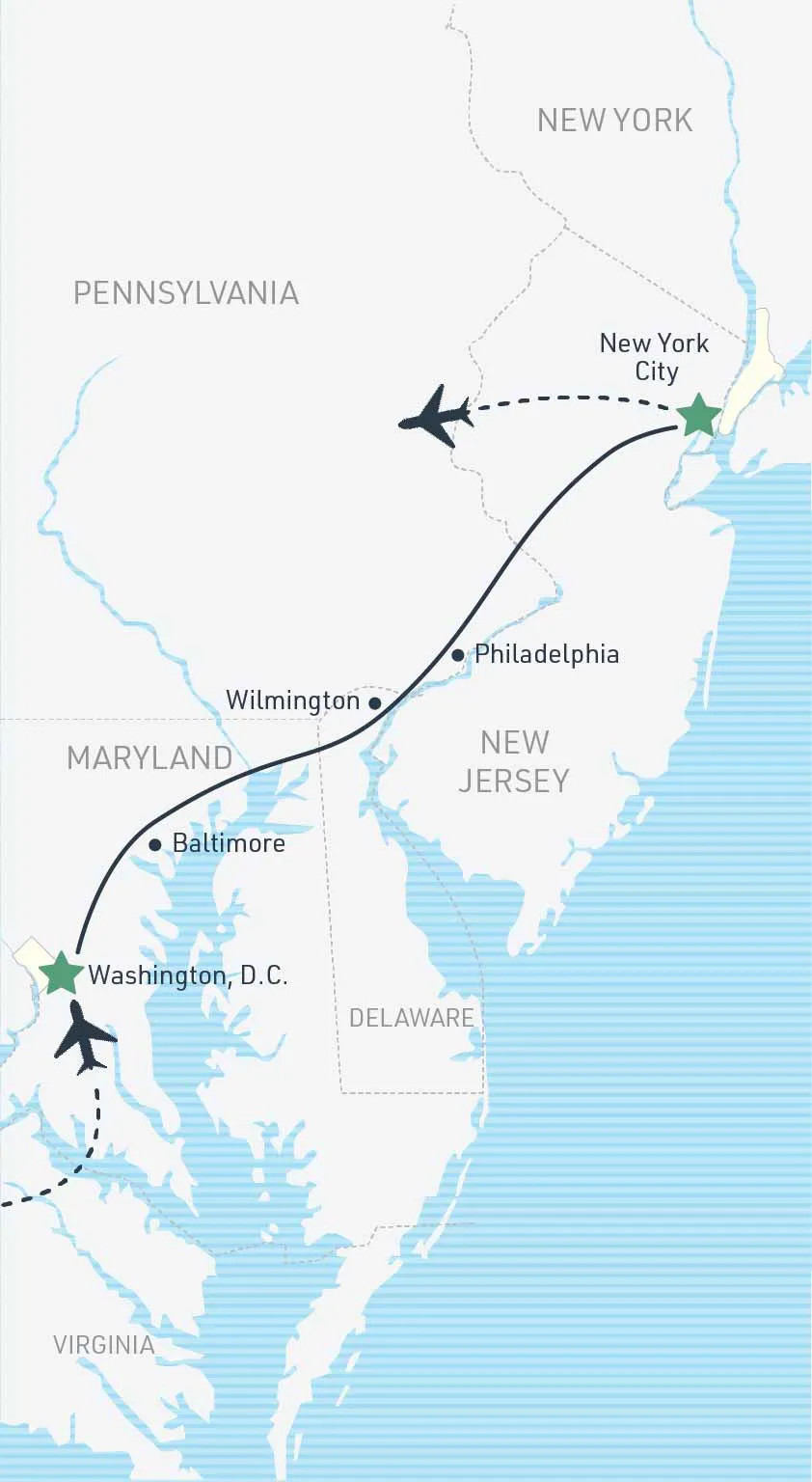
- Acela Express: This is Amtrak‘s premier high-speed service. It makes fewer stops than the Northeast Regional, allowing it to achieve significantly faster travel times. A trip on the Acela Express from New York Penn Station to Washington Union Station can take as little as 2 hours and 45 minutes to 3 hours. This makes it an excellent option for business travelers or those with tight schedules. The Acela offers a more comfortable and luxurious experience with larger seats, onboard Wi-Fi, and power outlets.
- Northeast Regional: This service makes more stops, resulting in a slightly longer journey time, typically around 3.5 to 4 hours. While slower than the Acela, it is often more frequent and can be a more budget-friendly option. It still provides a comfortable and efficient way to travel between the two cities.
Advantages of Train Travel
- City Center to City Center: Amtrak stations are conveniently located in the downtown areas of both New York City (Penn Station) and Washington D.C. (Union Station), eliminating the need for travel to and from airports, which are typically located outside the city centers.
- Comfort and Productivity: Train travel allows you to relax, read, work, or simply enjoy the scenery without the stress of driving. You can move around the train, and many trains offer Wi-Fi and power outlets.
- Environmental Friendliness: Rail travel is generally considered more environmentally friendly than flying or driving, making it a sustainable choice for conscious travelers.
- No Security Hassles: While there are some security measures, they are generally less time-consuming and intrusive than airport security.
Booking Your Amtrak Tickets
It is highly recommended to book Amtrak tickets in advance, especially for the Acela Express and during peak travel times, to secure your preferred seats and potentially better fares. Amtrak‘s website and app offer easy booking and fare comparison options.
Flying: A Faster, Though Less Convenient, Option
For those who consider the shortest travel time above all else, flying between New York City and Washington D.C. might seem like a logical choice. However, when factoring in the entire process, from getting to the airport to arriving at your destination, the time savings can be less significant than one might initially assume.
Airports and Airlines
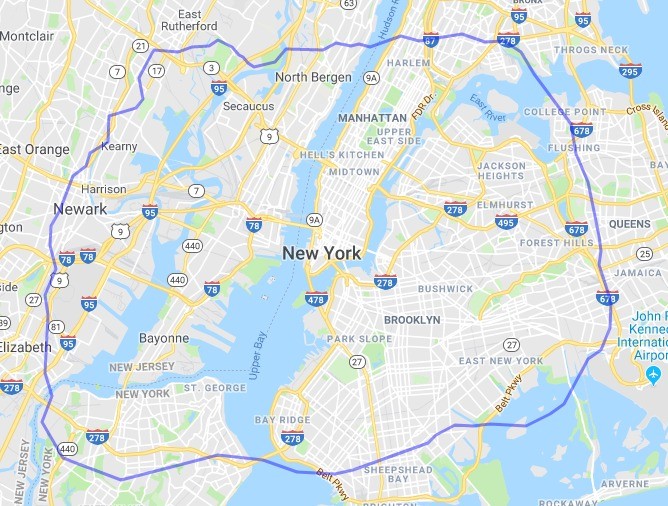
New York City is served by three major airports: John F. Kennedy International Airport (JFK), LaGuardia Airport (LGA), and Newark Liberty International Airport (EWR). Washington D.C. is primarily served by Ronald Reagan Washington National Airport (DCA), which is the closest to the city center, as well as Washington Dulles International Airport (IAD) and Baltimore/Washington International Thurgood Marshall Airport (BWI).
Numerous airlines operate flights between these airports, with flight times themselves being very short, often around 1 hour.
The “Hidden” Time Costs of Air Travel
While the flight duration is minimal, several factors add to the overall travel time when flying:
- Travel to the Airport: Getting to New York or Newark airports can take anywhere from 45 minutes to over an hour, depending on your starting point in New York City and traffic conditions. Similarly, reaching DCA, IAD, or BWI from DC or its surrounding areas can also consume a significant amount of time.
- Airport Procedures: You need to arrive at the airport at least 1.5 to 2 hours before your flight for check-in, security screening, and boarding. This is a standard recommendation for domestic flights.
- Deplaning and Baggage Claim: After landing, it takes time to exit the aircraft, and if you have checked luggage, you’ll need to wait for it at baggage claim.
- Travel from the Airport: Once you land at your destination airport, you will still need to travel into the city center, which can take an additional 30 minutes to an hour or more, depending on the airport and traffic.
When all these components are added together, the total door-to-door travel time for flying between New York City and Washington D.C. can often be comparable to, or even exceed, the time it takes to travel by train.
When Flying Might Be Preferable
Despite the added complexities, flying can be advantageous in certain situations:
- Connecting Flights: If your journey involves connecting flights to other destinations, flying might be the most practical option to maintain your itinerary.
- Cost: Sometimes, especially with advance booking and promotional fares, flights can be cheaper than train tickets, though this is not always the case.
- Proximity to Airports: If you are staying very close to one of the airports in either New York City or Washington D.C., the time spent traveling to and from the airport might be reduced, making flying a more competitive option.
Ultimately, the decision of whether to drive, take the train, or fly depends on your personal priorities regarding time, cost, comfort, and the overall travel experience. Each method offers a unique perspective on the journey between these two pivotal American cities.
Whether you are planning a business trip, a weekend getaway, or an extended exploration of the United States, understanding the distance and the various transportation options between New York City and Washington D.C. is a crucial step. From the freedom of the open road to the speed of high-speed rail and the directness of air travel, the journey itself can be as much a part of the experience as the destinations. Each mode of transport offers a different lens through which to view the vibrant landscapes and diverse communities that connect these two iconic cities.
LifeOutOfTheBox is a participant in the Amazon Services LLC Associates Program, an affiliate advertising program designed to provide a means for sites to earn advertising fees by advertising and linking to Amazon.com. Amazon, the Amazon logo, AmazonSupply, and the AmazonSupply logo are trademarks of Amazon.com, Inc. or its affiliates. As an Amazon Associate we earn affiliate commissions from qualifying purchases.