
Navigating the journey of new parenthood in New York is an experience filled with immense joy, profound change, and, for many, a significant amount of logistical planning. Among the most pressing concerns for expectant and new parents is understanding their rights and entitlements regarding time off work. The question, “How long is maternity leave in New York?” is fundamental, touching upon financial security, recovery, and the crucial bonding period with a newborn. While the term “maternity leave” often conjures images of extended paid time off, the reality in New York is a nuanced landscape shaped by federal laws, state legislation, employer policies, and the specific circumstances of each individual.

The initial thought might be to find a simple, universal answer, but the duration of maternity leave in New York is not a one-size-fits-all proposition. It’s a multifaceted topic influenced by various factors, including the size of the employer, the employee’s tenure, and the type of leave being accessed. Understanding these distinctions is paramount for new mothers and fathers in New York to make informed decisions about their career, finances, and the precious early weeks and months with their baby. This article will delve into the various avenues available for parental leave in New York, clarifying entitlements, durations, and the critical differences between paid and unpaid options.
For those planning a new chapter in New York, whether it involves settling into a new apartment or exploring the vibrant tourism scene, understanding the local employment landscape, particularly concerning parental leave, is an essential aspect of lifestyle planning. It’s a crucial consideration for families, impacting everything from the ability to explore New York‘s many family-friendly attractions to the long-term financial stability of a household.
Understanding Your Rights: Federal vs. New York State Laws
The foundation of maternity and parental leave in the United States, and by extension in New York, is primarily governed by two key pieces of legislation: the Family and Medical Leave Act (FMLA) at the federal level, and the New York State Paid Family Leave (NYPFL) program at the state level. Each offers distinct benefits and has specific eligibility requirements.
The Federal Family and Medical Leave Act (FMLA)
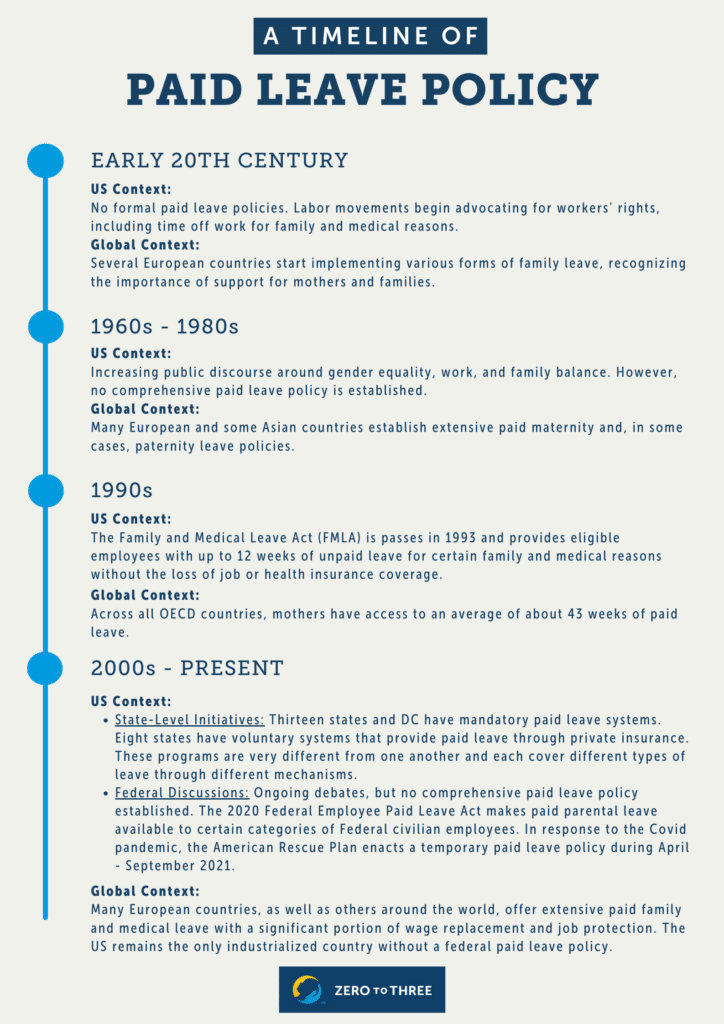
The FMLA, enacted in 1993, provides eligible employees with up to 12 weeks of unpaid, job-protected leave per year. This leave can be taken for specific family and medical reasons, including the birth of a child and to care for the newborn child. It also covers the placement of a child with the employee for adoption or foster care.
To be eligible for FMLA leave, an employee must:
- Work for a covered employer (typically those with 50 or more employees within a 75-mile radius).
- Have worked for the employer for at least 12 months.
- Have worked at least 1,250 hours during the 12 months immediately preceding the start of leave.
- Be employed at a worksite where the employer has at least 50 employees within 75 miles.
It’s important to note that FMLA leave is unpaid. This means that while your job is protected, you will not receive a salary during your leave. However, your employer is required to maintain your health benefits during this period, and you are generally entitled to return to your same or an equivalent position upon your return from leave. For many new parents in New York, this 12-week period, though unpaid, offers vital time to recover, bond with their baby, and adjust to their new family dynamic without the immediate threat of job loss.
The scope of FMLA is broad and encompasses various life events. For instance, if you are a traveler exploring the historical significance of New York‘s many landmarks, understanding FMLA can be relevant if you are a New York resident employed by a covered employer. Similarly, for those considering long-term stays in New York or planning family trips, knowing these protections are in place can provide peace of mind.
New York State Paid Family Leave (NYPFL)
While FMLA provides job protection, it doesn’t offer financial compensation. This is where New York State Paid Family Leave (NYPFL) becomes a game-changer for residents. Launched in 2018, NYPFL provides paid time off for eligible employees to bond with a new child (through birth, adoption, or foster care), care for a family member with a serious health condition, or attend to qualifying needs arising from a family member’s military deployment.
Key features of NYPFL include:
- Duration: As of its implementation and subsequent adjustments, NYPFL provides up to 12 weeks of paid leave per year. This duration is set to potentially increase in the future.
- Wage Replacement: Employees receive a percentage of their average weekly wage, capped at a certain amount. The current rate provides 67% of the employee’s average weekly wage, up to 67% of the New York State Average Weekly Wage.
- Eligibility: To be eligible for NYPFL, employees must have a regular work schedule of at least 20 hours per week for 26 consecutive weeks, or 174 hours in a year, with any employer subject to New York‘s disability and paid family leave insurance requirements.
- Job Protection: NYPFL also offers job protection, meaning your employer must reinstate you to the same or an equivalent position upon your return from leave.
The introduction of NYPFL has significantly enhanced the ability of New York residents to take much-needed time off without facing severe financial hardship. This is particularly beneficial for new parents, allowing them to focus on their baby and recovery rather than worrying about lost income. For families planning to reside in New York, perhaps enjoying its diverse tourism offerings or seeking long-term accommodation, NYPFL is a crucial benefit to factor into their lifestyle planning.
Overlapping Provisions and Differences
It is important to understand how FMLA and NYPFL interact. FMLA provides the job protection, while NYPFL provides the paid benefit. An employee eligible for both can take up to 12 weeks of job-protected leave, with a portion of that leave being paid through NYPFL. The NYPFL benefits can run concurrently with FMLA leave, meaning that if you are on FMLA leave, you can also be receiving NYPFL benefits during that same period.
For example, a new mother in New York might take 12 weeks of leave. The first 12 weeks are protected by FMLA. During those 12 weeks, she can receive up to 12 weeks of paid benefits from NYPFL, significantly easing the financial burden of not working. This combination provides a robust framework for new parents.
Employer Policies and Additional Leave Options
Beyond the legal mandates of FMLA and NYPFL, many employers in New York offer their own maternity and parental leave policies. These can often be more generous than the legally required minimums, providing additional weeks of paid or unpaid leave, or offering benefits that supplement NYPFL.
Employer-Provided Paid Leave

Some companies, particularly larger corporations or those in competitive industries, may offer fully paid parental leave for a specified period. This can be a significant advantage for employees, allowing them to take extended time off to bond with their new child without any loss of income. This type of benefit is often a key differentiator when employees are comparing job offers or considering lifestyle choices in a city like New York, known for its demanding work culture.
For example, a tech company located in New York City might offer its employees 16 weeks of fully paid parental leave. This would supplement the 12 weeks of paid leave available through NYPFL, effectively giving the employee 28 weeks of paid time off, coupled with the job protection offered by both FMLA and the employer’s policy.
Unpaid Leave Beyond Statutory Requirements
Even if an employer doesn’t offer additional paid leave, they may be willing to grant extended unpaid leave beyond the 12 weeks provided by FMLA. This can be a crucial factor for parents who feel they need more time to adjust to their new family structure or to navigate complex childcare arrangements, especially in a high-cost-of-living area like New York. The decision to grant such leave often depends on the employer’s discretion and the specific needs of the employee and the business.
Short-Term Disability Benefits
It’s also important to distinguish maternity leave from short-term disability. Short-term disability insurance, which is mandatory for most employers in New York through NYPFL and private plans, typically covers the period of physical recovery for the birth mother immediately following childbirth. This is usually for a period of around six to eight weeks. While this covers the mother’s physical recuperation, it is distinct from the bonding and caregiving aspects covered by FMLA and NYPFL.
Therefore, a new mother in New York might receive short-term disability benefits for the initial recovery period, followed by NYPFL and FMLA for bonding and further caregiving. This layered approach aims to provide comprehensive support during a significant life event.
Planning Your Leave: Practical Considerations for New Parents
Understanding the legal frameworks is just the first step. For new parents in New York, effective planning is crucial to maximize the benefits available and ensure a smooth transition back to work.
Early Communication with Your Employer
The best time to start planning your maternity leave is as early as possible in your pregnancy. Open and honest communication with your employer is vital. Discuss your anticipated leave dates, the duration you intend to take, and any concerns you might have. Your employer will be able to inform you about their specific policies, how they align with FMLA and NYPFL, and any necessary paperwork or procedures.
This proactive approach not only helps your employer prepare for your absence but also gives you clarity and peace of mind. For those who are perhaps temporarily residing in New York and working remotely for a company based elsewhere, understanding how NYPFL applies and communicating with your out-of-state employer becomes even more critical.
Navigating Paperwork and Eligibility
Each leave program will have its own set of forms and documentation requirements. For FMLA, you will typically need a medical certification from your healthcare provider. For NYPFL, you will need to file a claim with your employer or their designated insurance carrier. It’s essential to gather all necessary documents well in advance and submit them by the required deadlines.
Many resources are available to help New York residents navigate this process. The New York State Department of Financial Services oversees NYPFL, and their website provides comprehensive information and forms. Similarly, the U.S. Department of Labor provides guidance on FMLA.
The Impact on Travel and Lifestyle in New York
For many, a new baby often means a shift in lifestyle. While the allure of exploring New York’s world-class attractions, from the iconic Statue of Liberty to the vibrant neighborhoods of Brooklyn, might seem distant during the initial weeks, the extended leave provides an opportunity to experience the city at a different pace. This could involve leisurely strolls through Central Park, visiting child-friendly museums like the Children’s Museum of Manhattan, or enjoying family-friendly dining experiences.
The ability to take paid leave also has implications for families considering long-term stays or even relocation to New York. Knowing that robust parental leave policies are in place can make the prospect of starting or expanding a family in this bustling metropolis more feasible. It allows for a more balanced approach to life in New York, integrating the demands of work with the invaluable joys of new parenthood.
When planning accommodation, whether it’s a short-term apartment rental for visiting family or a longer-term residence, factoring in the time off provided by maternity leave can influence decisions. It allows for a more relaxed settling-in period and the opportunity to truly experience life in New York with a new baby.
Returning to Work
The return to work after maternity leave can be a significant adjustment. It’s important to plan for this transition as well. Discuss your return date with your employer, and if possible, consider a phased return to work if your employer allows it. This could involve working part-time for a period or having flexible hours.
Understanding your rights regarding returning to your previous or an equivalent position is crucial. Both FMLA and NYPFL provide job protection, ensuring you have a role to return to.
In conclusion, the question of “How long is maternity leave in New York?” leads to a comprehensive understanding of FMLA‘s unpaid, job-protected leave and New York State’s Paid Family Leave program, which offers up to 12 weeks of paid benefits. Coupled with employer-specific policies, New York offers a robust framework to support new parents. This allows for a critical period of recovery, bonding, and adjustment, ensuring that the profound experience of welcoming a new child into the family can be embraced with greater security and peace of mind, while still allowing for the enjoyment of New York‘s diverse lifestyle and opportunities.
LifeOutOfTheBox is a participant in the Amazon Services LLC Associates Program, an affiliate advertising program designed to provide a means for sites to earn advertising fees by advertising and linking to Amazon.com. Amazon, the Amazon logo, AmazonSupply, and the AmazonSupply logo are trademarks of Amazon.com, Inc. or its affiliates. As an Amazon Associate we earn affiliate commissions from qualifying purchases.