
When planning a trip to the vibrant and sprawling metropolis of Houston, Texas, one of the most crucial pieces of information to consider is the weather. Houston’s climate significantly influences the kinds of activities you can enjoy, the attire you should pack, and even the overall atmosphere of your visit. As the fourth-largest city in the United States, Houston experiences a humid subtropical climate, characterized by hot, humid summers and mild winters. Understanding these patterns is key to making the most of your travel experience, whether you’re exploring its world-class attractions, indulging in its diverse culinary scene, or settling into your chosen accommodation.
Understanding Houston’s Distinct Seasons
Houston doesn’t experience the four distinct seasons in the same way that many other parts of the country do. Instead, it’s a city that largely contends with two primary states: a prolonged, hot, and humid period, and a shorter, milder, and somewhat more pleasant season. The transitional periods between these are often subtle, marked by shifts in humidity and the occasional dramatic weather event.
The Sweaty Embrace of Summer (June – August)
Houston summers are legendary for their heat and humidity, making it a significant factor for any visitor. From June through August, expect daytime temperatures to frequently climb into the high 80s and low 90s Fahrenheit (around 30-35 degrees Celsius), often feeling much hotter due to the oppressive humidity. The “feels like” temperature can easily push into the triple digits. Humidity levels typically hover between 70% and 80%, making the air feel thick and sticky. Evenings offer little respite, with temperatures remaining in the comfortable 70s Fahrenheit (around 20-25 degrees Celsius), but the humidity persists.
This intense heat and humidity mean that outdoor activities are best undertaken in the early mornings or late evenings. Midday sun can be relentless, and prolonged exposure can be uncomfortable and potentially dangerous. For those visiting during this period, packing lightweight, breathable clothing made from natural fabrics like cotton and linen is essential. Hydration is paramount; always carry a water bottle and stay replenished. Many of Houston’s prime attractions, such as the Space Center Houston or the Museum District, offer indoor, air-conditioned environments, providing welcome escapes from the summer heat. When choosing hotels, ensure they have reliable and robust air conditioning systems; a good resort with a well-maintained pool can be a lifesaver during these months.
Rainfall is also common during the summer months, often in the form of afternoon thunderstorms. These can be quite intense, bringing heavy downpours, lightning, and gusty winds, though they usually pass relatively quickly, leaving behind steamy conditions. While disruptive for a short period, these storms can also offer a temporary cooling effect.
The Pleasant Interlude of Fall (September – November)
As the calendar turns to September, the oppressive heat of summer begins to gradually recede, ushering in what many consider the most pleasant season in Houston. Fall offers a welcome relief from the extreme humidity and high temperatures. September can still be quite warm, but the intensity of the heat diminishes, and humidity levels start to drop. By October and November, daytime temperatures typically range from the pleasant 70s to low 80s Fahrenheit (around 20-28 degrees Celsius), with evenings cooling down to the 50s and 60s Fahrenheit (around 10-15 degrees Celsius).
This period is ideal for exploring all that Houston has to offer. It’s perfect for strolling through the Hermann Park, visiting the Houston Zoo, or enjoying outdoor dining at one of the city’s many excellent restaurants. The Texas Renaissance Festival often kicks off in October, providing a fantastic experience for visitors. Packing for fall in Houston is more versatile, with layers being key. You might need a light jacket or sweater for cooler mornings and evenings, but generally, comfortable everyday wear suffices.
While less frequent than in summer, thunderstorms can still occur in early fall, but they tend to be less severe. The chances of experiencing Houston’s vibrant fall foliage are slim, as the city is not known for dramatic seasonal color changes. However, the overall comfort of the weather makes it a prime time for experiencing local culture and engaging in various activities.
The Mild and Sometimes Damp Winter (December – February)
Houston’s winters are characterized by their mildness, though they can bring their share of cool days and occasional chilly snaps. Daytime temperatures typically range from the 50s to low 70s Fahrenheit (around 10-22 degrees Celsius). While freezing temperatures are rare, they can occur, particularly in January. Nights are generally cool, often dropping into the 30s and 40s Fahrenheit (around 0-10 degrees Celsius).
Winter is a fantastic time for budget travel to Houston, as accommodation prices often decrease. It’s also a great time for indoor activities, with many museums, theaters, and the Downtown Aquarium offering engaging experiences. The holiday season brings festive events and decorations throughout the city. Packing for winter involves warmer layers, including sweaters, light coats, and perhaps a scarf, but heavy winter gear is usually unnecessary.
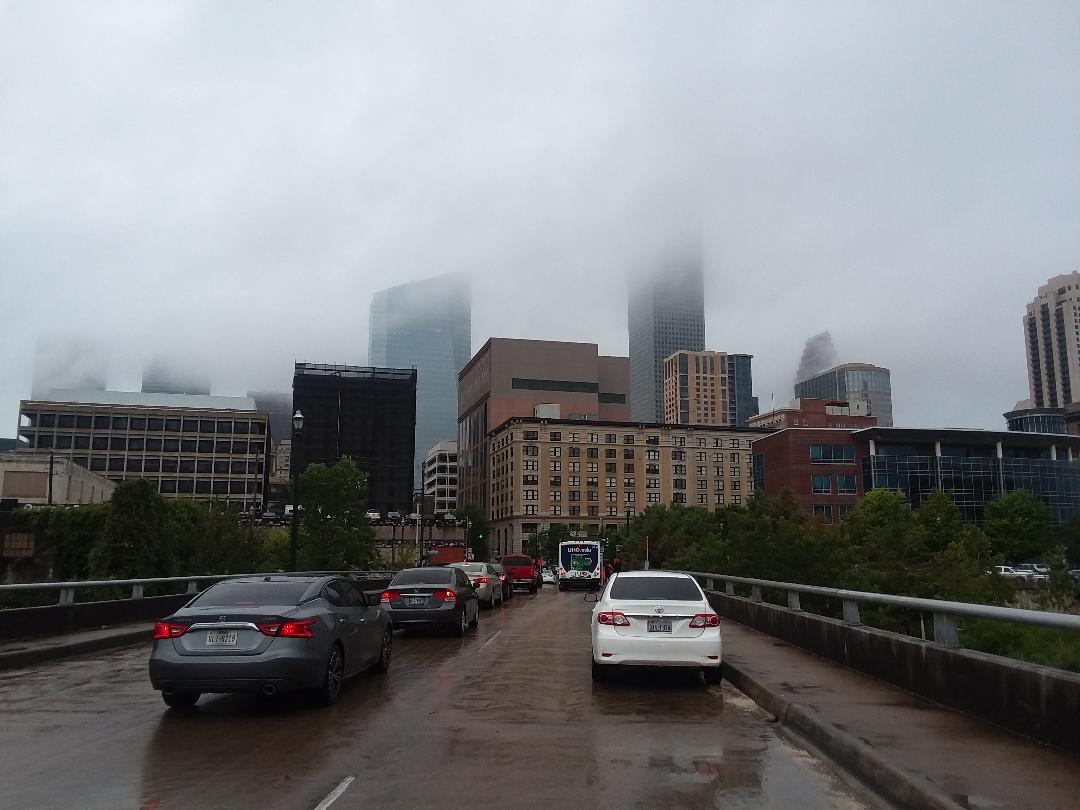
One of the defining features of a Houston winter can be its dampness. While not a heavy snowfall destination, the city can experience prolonged periods of overcast skies and drizzle. These conditions can make for cooler, gloomier days. However, sunny, mild days are also common, providing excellent opportunities for outdoor exploration. The city’s extensive underground tunnel system, connecting many downtown buildings, can be a convenient way to navigate on particularly inclement days, offering a unique experience in itself.
The Gradual Warming of Spring (March – May)
Spring in Houston represents a transition period, a gradual warming from the mild winter towards the intense heat of summer. March can still feel quite cool, with temperatures similar to late fall, but by April and May, the mercury begins to climb steadily. Daytime highs in April are typically in the 70s and low 80s Fahrenheit (around 20-28 degrees Celsius), while May sees these numbers push into the 80s and low 90s Fahrenheit (around 30-35 degrees Celsius), with increasing humidity.
Spring is another excellent time for tourism in Houston. The azaleas and other spring blooms in places like the Bayou Bend Collection and Gardens offer beautiful displays of nature. The weather is generally pleasant for outdoor activities, though the rising humidity and the increasing likelihood of thunderstorms, similar to summer patterns, should be considered. Packing for spring involves a mix of lighter clothing and a light jacket or sweater for cooler days. As May progresses, it’s wise to pack for warmer, more humid conditions. This is also a time when many of Houston’s festivals and outdoor events begin to take place, making it a lively period to visit.
Key Weather Considerations for Planning Your Visit
Beyond the general seasonal overview, there are several specific weather phenomena and considerations that are vital for anyone planning a trip to Houston, Texas. Understanding these will help you pack appropriately, plan your itinerary, and ensure a comfortable and enjoyable stay.
Humidity: The Constant Companion
It cannot be stressed enough: Houston is a humid city. The high levels of moisture in the air are a defining characteristic of its climate, particularly from late spring through early fall. This humidity can make even moderately warm temperatures feel significantly hotter and more uncomfortable. When choosing hotels or apartments for a long-term stay, ensure adequate air conditioning and ventilation. For outdoor activities like visiting Discovery Green or exploring the historic Heights, always factor in the humidity when planning your timing. Staying hydrated and wearing moisture-wicking fabrics can help manage the effects of humidity.
Rainfall and Storms: Expect the Unexpected
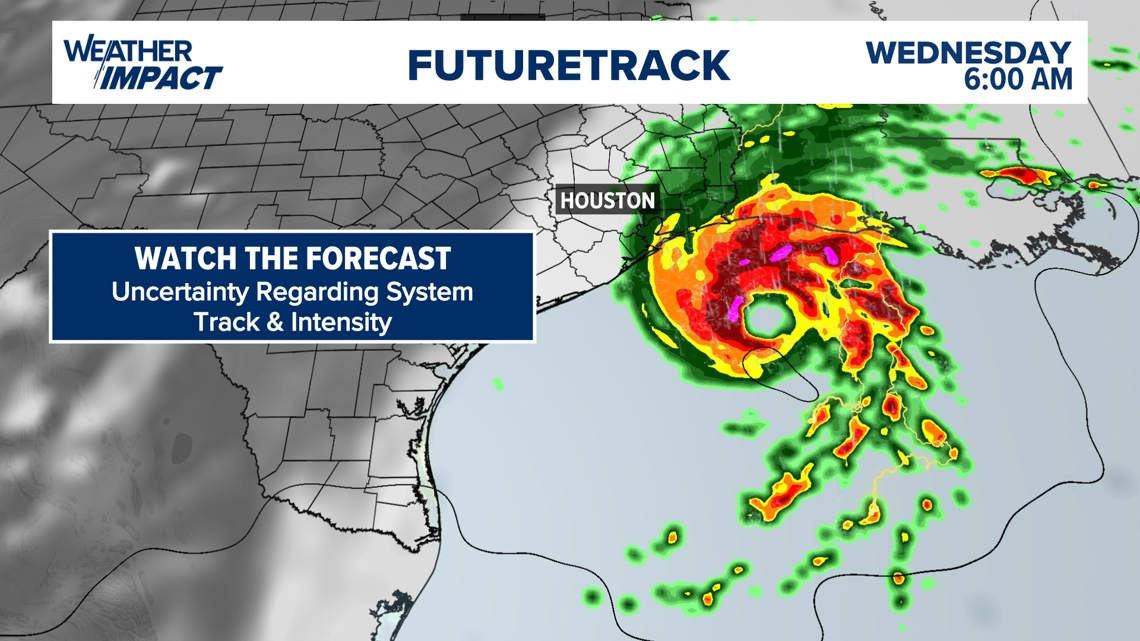
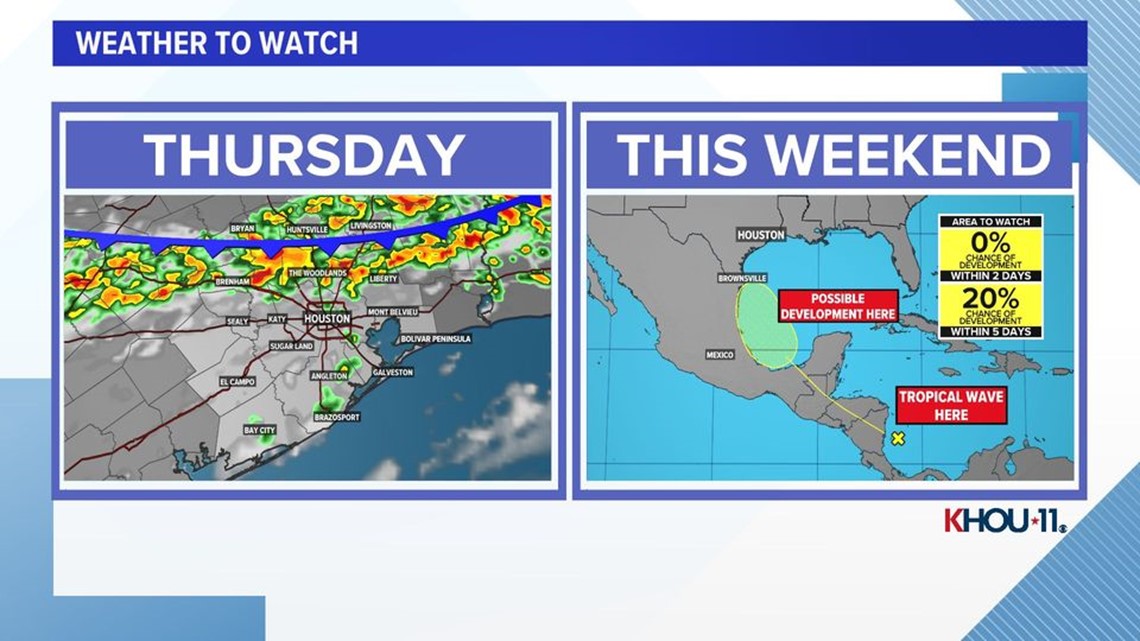
Houston is situated in a region prone to significant rainfall, especially during the summer months. Afternoon thunderstorms are a regular occurrence, characterized by rapid development, heavy downpours, and lightning. While these are usually short-lived, they can cause localized flooding. Occasionally, Houston can experience more severe weather events, including tropical storms and hurricanes from the Gulf of Mexico. The official hurricane season runs from June 1 to November 30. Visitors planning a trip during this period, especially in the late summer and fall, should monitor weather forecasts closely and be aware of potential travel disruptions or safety advisories. Having travel insurance that covers weather-related cancellations can be a wise precaution.
Sunlight and Heat
During the warmer months, the Texas sun can be intense. Direct sunlight combined with high humidity creates a potent mix that can lead to heat exhaustion or heatstroke if precautions are not taken. When visiting outdoor landmarks like the San Jacinto Monument, always wear sunscreen, a hat, and sunglasses. Seek shade frequently and take breaks in air-conditioned spaces. For those who enjoy outdoor experiences like kayaking on the Buffalo Bayou, early morning or late evening are the most advisable times.
Packing for Comfort and Preparedness
Your packing list will largely depend on the season of your visit.
- Summer (June-August): Lightweight, breathable clothing (cotton, linen), shorts, t-shirts, sandals, a wide-brimmed hat, sunglasses, and an umbrella for sudden downpours. Ensure your hotel has good air conditioning.
- Fall (September-November): Layers are key. You might need t-shirts and shorts for warmer days, but also long-sleeved shirts, light sweaters, and a light jacket for cooler evenings. Comfortable walking shoes are essential for exploring places like the Houston Museum of Natural Science.
- Winter (December-February): Mild temperatures mean you’ll primarily need sweaters, long-sleeved shirts, jeans, and a light to medium-weight jacket. A scarf and gloves might be useful for colder days, especially during evening activities. Waterproof shoes can be beneficial due to potential drizzle.
- Spring (March-May): Similar to fall, packing in layers is recommended. Light clothing for warmer days, with sweaters and a light jacket for cooler mornings and evenings. As May approaches, prepare for increasing heat and humidity.
Regardless of the season, comfortable walking shoes are a must for exploring the expansive city of Houston. Whether you’re visiting world-class museums, exploring the Galleria, or enjoying the diverse food scene, being prepared for the weather will significantly enhance your travel experience in this dynamic Texan city. Remember to always check the local weather forecast closer to your travel dates for the most accurate and up-to-date information.
LifeOutOfTheBox is a participant in the Amazon Services LLC Associates Program, an affiliate advertising program designed to provide a means for sites to earn advertising fees by advertising and linking to Amazon.com. Amazon, the Amazon logo, AmazonSupply, and the AmazonSupply logo are trademarks of Amazon.com, Inc. or its affiliates. As an Amazon Associate we earn affiliate commissions from qualifying purchases.