
The allure of the Emerald Isle, with its dramatic coastlines, ancient castles, and vibrant pub culture, often beckons travelers from across the Atlantic. For those residing in the bustling metropolis of New York, the dream of exploring Ireland is a tangible one, made accessible by a relatively short transatlantic journey. But when planning a trip, one of the fundamental questions that arises is: “How long is the flight from New York to Ireland?” Understanding this duration is key to efficient travel planning, from booking flights to packing and even managing jet lag.
The answer, like many travel-related queries, isn’t a single, definitive number. Several factors influence the flight time, and by delving into these, we can paint a clearer picture for prospective travelers. This exploration will not only shed light on the flight duration but also touch upon the broader travel experience, from selecting the best time to visit Ireland to choosing the perfect accommodation and experiencing the rich tapestry of local culture.
Understanding Flight Durations: The Dynamics of Transatlantic Travel
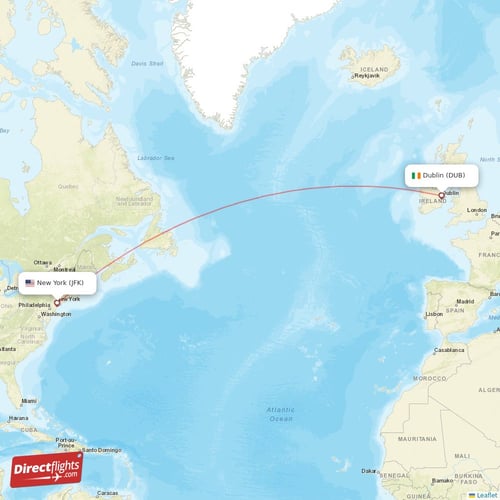
The direct flight time from New York to Ireland typically ranges from approximately 5.5 to 7 hours. This variation is primarily influenced by the specific route taken, prevailing wind patterns, and the type of aircraft used.
Factors Influencing Flight Time
-
Direction of Travel: Flights traveling eastward from New York to Ireland benefit from the prevailing jet stream, which generally flows from west to east. This “tailwind” can significantly reduce flight times, often pushing them towards the lower end of the 5.5 to 6-hour range. Conversely, flights from Ireland back to New York will experience a “headwind” from the jet stream, making the return journey slightly longer, typically between 6.5 and 7 hours. This is a common phenomenon in transatlantic aviation and a crucial consideration for lifestyle travel, particularly for those on tighter schedules.
-
Specific Airports: While New York has multiple major airports (such as John F. Kennedy International Airport (JFK), Newark Liberty International Airport (EWR), and LaGuardia Airport (LGA)), and Ireland has several international gateways (most commonly Dublin Airport (DUB), but also Shannon Airport (SNN) and Cork Airport (ORK)), the specific departure and arrival points can subtly affect the flight path and, consequently, the duration. For instance, a flight from JFK to DUB might follow a slightly different aerial corridor than one from EWR to SNN. These airports are not just starting and ending points; they are often gateways to distinct destinations and attractions within their respective regions.
-
Airline and Aircraft Type: While less impactful on the core flight time than wind patterns, the specific airline and the model of aircraft can introduce minor variations. Larger, faster jets might shave off a few minutes compared to older or smaller models. Airlines also optimize their routes based on various operational factors, which can lead to slight discrepancies in scheduled flight times. The choice of airline often ties into broader lifestyle considerations, from the level of luxury travel offered to the availability of budget travel options.
-
Weather Conditions: Beyond the general influence of the jet stream, localized weather phenomena, such as storms or strong crosswinds, can necessitate rerouting or a slight adjustment in flight speed, leading to longer flight durations. Air traffic control also plays a role in managing flight paths, and during periods of high traffic, holding patterns or detours can add to the overall journey time.
Non-Direct Flights and Layover Considerations
It’s important to distinguish between direct flights and those with layovers. While the direct flight from New York to Ireland is relatively swift, opting for a flight with a stopover will, naturally, extend the total travel time considerably. Layover destinations can vary widely, from other major European hubs like London or Amsterdam to even cities within North America. These extended journeys can significantly impact the overall travel experience, especially for those seeking efficient family trips or business stays. The duration of the layover itself is a critical factor, and travelers should carefully review their itinerary to understand the total time commitment.
Planning Your Irish Adventure: Beyond the Flight Duration
Knowing the flight time is just the first step in planning your journey to Ireland. A successful trip involves considering various aspects of travel, accommodation, and immersion into tourism.
Choosing Your Irish Gateway and Exploring Destinations
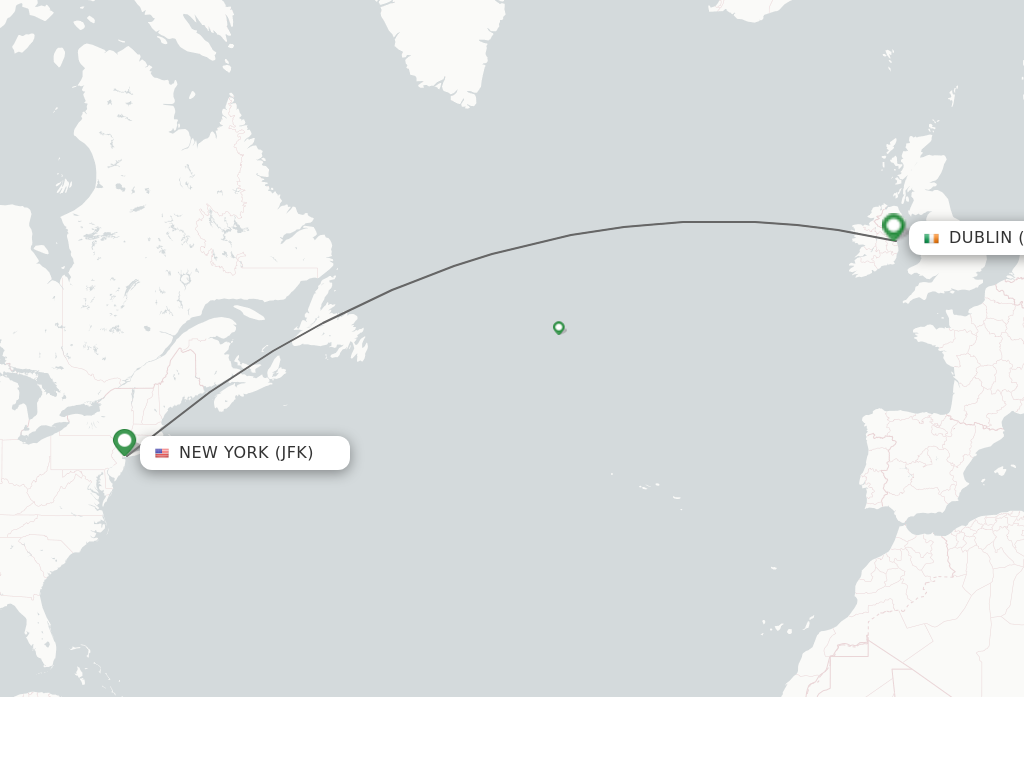
Dublin Airport (DUB) is the most common arrival point for New York travelers, being the largest and busiest airport in Ireland. From Dublin, the capital city itself offers a wealth of attractions, from the historic Trinity College and the vibrant Temple Bar district to the solemn Kilmainham Gaol.
However, depending on your interests, other airports might be more strategically advantageous. Shannon Airport (SNN), located in County Clare, provides excellent access to the stunning landscapes of the West Coast of Ireland, including the iconic Cliffs of Moher and the unique karst region of The Burren. If your focus is on the charming south, Cork Airport (ORK) serves as a gateway to County Cork, with its picturesque coastlines, the historic city of Cork, and the famed Blarney Stone.
The choice of gateway often dictates the initial landmarks you will encounter and can influence your exploration of local culture and nature. For those seeking a more secluded long-term stay or a different pace of lifestyle, arriving at a smaller airport might be preferable.
Accommodation Options to Suit Every Traveler
Once you have your flight details sorted and a general idea of your arrival point, the next crucial step is securing accommodation. Ireland offers a diverse range of lodging options to cater to every travel style and budget.
From luxurious five-star hotels in the heart of Dublin like the The Merrion Hotel or grand resorts along the coast, to charming bed and breakfasts (B&Bs) run by welcoming locals, there’s something for everyone. For families or groups, self-catering apartments or villas can offer more space and flexibility, allowing for a more independent travel experience. These options are particularly appealing for longer stays, providing a home-away-from-home feel.
- Hotels: Ranging from boutique hotels with unique character to large, international chains, hotels offer a spectrum of amenities and services. Many feature on-site restaurants, bars, and sometimes spas, contributing to the overall travel experience.
- Resorts: For those seeking an all-encompassing experience, resorts often provide extensive facilities, including swimming pools, golf courses, and organized activities, making them ideal for family trips or romantic getaways.
- Apartments and Villas: These are perfect for travelers who prefer to have their own kitchen facilities and more living space. They are ideal for extended visits or for those who enjoy preparing some of their own meals, adding a touch of local food exploration.
- Bed and Breakfasts (B&Bs): A quintessential Irish experience, B&Bs offer a more intimate and personal lodging choice. Guests often enjoy a home-cooked Irish breakfast and have the opportunity to interact with their hosts, gaining valuable insights into local culture and tips for exploring the area.
When booking, consider factors like location relative to attractions, amenities offered (e.g., Wi-Fi, breakfast, parking), and guest reviews. Websites specializing in accommodation booking, reviews, and comparison are invaluable tools for finding the perfect place to stay.
Immersing Yourself in Irish Tourism and Culture
The flight duration from New York to Ireland is a mere prelude to the rich tapestry of tourism and local culture that awaits. Ireland is renowned for its friendly people, lively music scene, and deeply rooted history.
-
Local Culture: Dive into the heart of Irish culture by visiting traditional pubs, where you can enjoy live music sessions, sample local stouts like Guinness, and engage with locals. Explore the numerous festivals and events that take place throughout the year, celebrating everything from traditional music and dance to food and literary heritage. Understanding the nuances of local culture enriches the entire travel experience.
-
Food Experiences: Irish cuisine has evolved significantly, offering more than just the hearty stews of yesteryear. Explore farm-to-table restaurants, sample fresh seafood along the coast, and indulge in artisanal cheeses and breads. From a full Irish breakfast to contemporary fine dining, the culinary scene is a significant part of tourism.
-
Activities and Attractions: Beyond the famous landmarks, Ireland offers a plethora of activities. Hike through national parks, go whale watching off the coast, learn about history at ancient monastic sites like Glendalough, or explore the artistic heritage in cities like Galway. For the adventurous, kayaking, surfing, and cycling are popular pursuits. For a more relaxed pace, consider a scenic drive along the Wild Atlantic Way, a world-renowned coastal route.
-
Tips for Travelers: Embracing the Irish spirit of conversation is key. Don’t hesitate to strike up a chat with locals; they are often the best source of recommendations for hidden gems and authentic experiences. Be prepared for changeable weather – layers are your best friend! And while English is widely spoken, learning a few basic Gaelic phrases can be a fun and appreciated gesture.
The journey from New York to Ireland is more than just a flight; it’s the beginning of an unforgettable adventure. By understanding the flight dynamics and meticulously planning your travel, accommodation, and tourism experiences, you can ensure your trip to the Emerald Isle is as seamless and enriching as possible, creating memories that will last a lifetime.
LifeOutOfTheBox is a participant in the Amazon Services LLC Associates Program, an affiliate advertising program designed to provide a means for sites to earn advertising fees by advertising and linking to Amazon.com. Amazon, the Amazon logo, AmazonSupply, and the AmazonSupply logo are trademarks of Amazon.com, Inc. or its affiliates. As an Amazon Associate we earn affiliate commissions from qualifying purchases.