
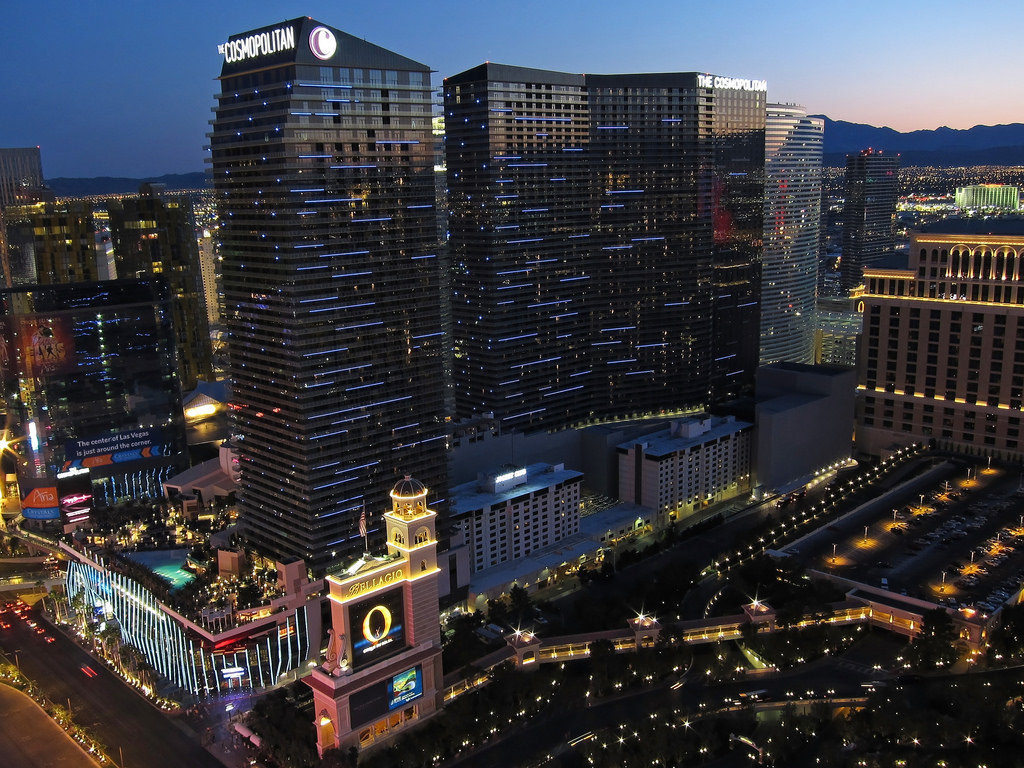
The Cosmopolitan Hotel in Las Vegas is more than just a hotel; it’s a dazzling landmark on the Las Vegas Strip, a beacon of modern luxury, and a vibrant hub for entertainment and indulgence. Its distinctive architecture, world-class dining, and captivating atmosphere have cemented its status as a must-visit destination for travelers from across the globe. But as with many iconic establishments, a common question arises: “Who actually owns The Cosmopolitan Hotel in Vegas?” The answer, like the hotel itself, is a complex and layered story involving significant financial players and strategic real estate maneuvers.
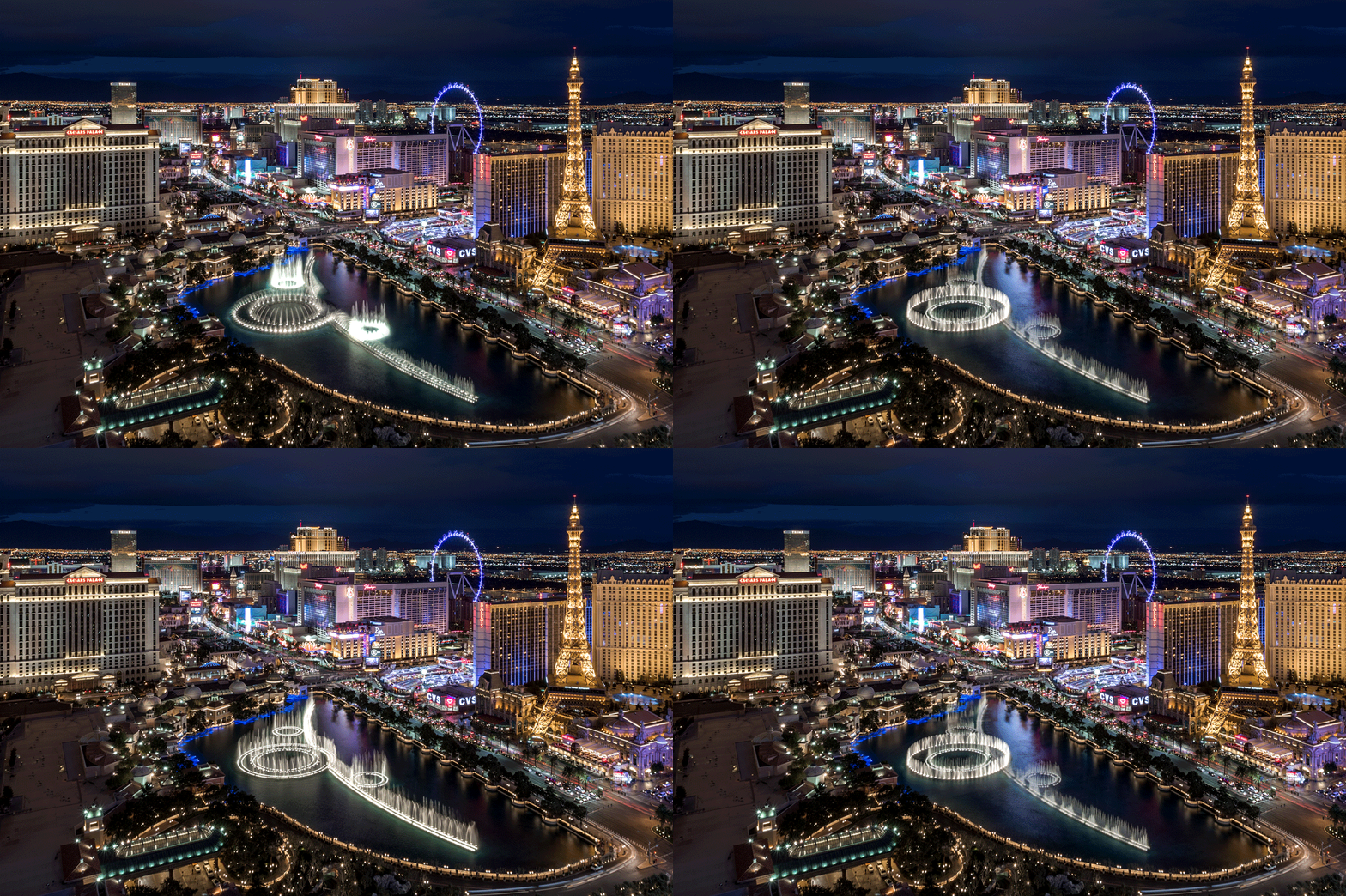
For many years, The Cosmopolitan operated under the ownership of Deutsche Bank, which initially financed its construction. However, the hotel’s journey through ownership has been marked by a series of significant transactions, reflecting the dynamic nature of the hospitality and real estate industries. Understanding these shifts provides valuable insight into the economic forces that shape some of the world’s most renowned destinations. This article will delve into the ownership history of The Cosmopolitan, tracing its path from its inception to its current custodians, and explore what this means for guests and the broader Las Vegas tourism landscape.
A Glimpse into The Cosmopolitan’s Ownership Journey
The story of The Cosmopolitan’s ownership is a fascinating narrative of development, financial challenges, and strategic acquisitions. Initially, the development of such an ambitious project required substantial financial backing. The choice of owner often dictates the hotel’s operational strategy, investment in amenities, and long-term vision for its place within the competitive Las Vegas market.
The Genesis and Early Ownership
The conception of The Cosmopolitan began in the early 2000s, with initial plans to develop a condominium-hotel project. The project faced numerous hurdles, including financial setbacks and redesigns, during its construction phase. Ultimately, Deutsche Bank stepped in to provide the necessary financing, effectively becoming the de facto owner for a period as they navigated the hotel’s completion and initial operation. This period highlights the critical role of financial institutions in funding large-scale, complex developments, especially in the high-stakes world of Las Vegas real estate. The bank’s involvement underscored the significant financial commitment required to bring a property of The Cosmopolitan’s caliber to fruition, especially given the economic climate at the time of its opening in 2010. The bank’s primary objective was to recoup its investment, and as such, its operational focus was on ensuring the hotel’s profitability and stability.
The Blackstone Era: A Strategic Acquisition
The landscape of The Cosmopolitan’s ownership shifted dramatically in 2014 when Blackstone Group, a global investment firm, acquired the hotel. This acquisition marked a significant turning point, signaling a transition from a financial institution’s stewardship to that of a dedicated real estate investment powerhouse. Blackstone is renowned for its expertise in acquiring, managing, and repositioning major real estate assets, and their purchase of The Cosmopolitan was a strategic move to leverage the hotel’s prime location and strong brand potential.
Under Blackstone‘s ownership, The Cosmopolitan underwent substantial renovations and enhancements. The firm invested heavily in upgrading the property’s amenities, refreshing its design, and expanding its entertainment and dining offerings. This period was characterized by a focus on elevating the guest experience, reinforcing The Cosmopolitan’s reputation as a premier luxury destination. The goal was to maximize the hotel’s appeal to a diverse range of travelers, from those seeking high-stakes gaming and nightlife to those looking for sophisticated dining and cultural experiences. Blackstone‘s strategic vision aimed to unlock the full potential of the property, ensuring its continued success in the competitive Las Vegas market.
The Sonic Investment Acquisition: A New Chapter
The most recent major change in ownership occurred in 2022, when Sonic Investment, a real estate investment trust (REIT) focused on premier hospitality assets, acquired The Cosmopolitan from Blackstone. This transaction, valued at approximately $5.6 billion, made it one of the largest single-asset hotel sales in Las Vegas history. Sonic Investment‘s acquisition signaled a new chapter for the iconic hotel, with a renewed focus on its long-term growth and operational excellence.
The move by Sonic Investment underscored The Cosmopolitan’s enduring appeal and its significant value within the luxury hospitality sector. REITs like Sonic Investment typically operate with a long-term investment horizon, focusing on generating stable rental income and capital appreciation. This suggests that Sonic Investment views The Cosmopolitan not just as a property, but as a key asset within its portfolio, poised for sustained success and further development. Their ownership is likely to bring a continued emphasis on maintaining and enhancing the hotel’s luxurious offerings, ensuring it remains a top-tier destination for discerning travelers. The transition also implies a commitment to leveraging the hotel’s established brand and its prime location on the Las Vegas Strip, a global epicenter of entertainment and tourism.
The Cosmopolitan’s Impact on Las Vegas Tourism

The ownership of The Cosmopolitan Hotel has a direct and indirect impact on the broader Las Vegas tourism industry. The way a hotel is managed, the investments made in its facilities, and its overall brand positioning all contribute to the city’s reputation as a premier travel destination. The changes in ownership have each brought distinct approaches, influencing the hotel’s offerings and, consequently, the experiences available to visitors.
Elevating the Guest Experience: Amenities and Attractions
The Cosmopolitan is renowned for its exceptional amenities and attractions, which are a direct result of the investments made by its owners. From its diverse collection of dining venues helmed by renowned chefs to its stylish bars, opulent suites, and vibrant pool decks, the hotel consistently aims to provide a world-class experience. Under Blackstone‘s stewardship, significant upgrades were made to the hotel’s rooms, common areas, and entertainment spaces, enhancing its allure.
The hotel’s commitment to unique experiences, such as its “Art-o-mat” vending machines dispensing original art, its “Digital Art Wall,” and its collection of diverse boutiques, further distinguishes it. These elements contribute to its lifestyle appeal, attracting a sophisticated clientele. The current owners, Sonic Investment, are expected to continue this tradition of excellence, potentially introducing new amenities and refining existing ones to maintain The Cosmopolitan’s competitive edge. The focus remains on delivering a comprehensive luxury travel experience that goes beyond traditional hotel offerings, encompassing dining, entertainment, wellness, and artistic expression, all within a single, iconic location. This holistic approach is a key driver of its popularity and its significant contribution to Las Vegas‘s status as a multifaceted destination.
The Cosmopolitan’s Role in the Luxury Travel Segment
The Cosmopolitan has carved out a significant niche within the luxury travel segment of Las Vegas. Its sophisticated ambiance, its prime location on the Las Vegas Strip directly overlooking the Bellagio Fountains, and its curated selection of experiences cater to a discerning traveler who seeks more than just a place to stay. The hotel’s design, with its modern aesthetic and artistic touches, appeals to those who appreciate contemporary style and an elevated sense of luxury.
The ownership’s strategic decisions have played a crucial role in solidifying this image. By investing in high-end dining, exclusive suites with panoramic views, and a vibrant social scene, The Cosmopolitan has successfully positioned itself as a destination for those seeking an immersive and stylish Las Vegas experience. This focus on luxury contributes to the overall perception of Las Vegas as a city that can cater to a wide spectrum of preferences, from budget-friendly entertainment to the most opulent escapes. The hotel’s success in this segment attracts a high-spending demographic, further boosting the local economy and reinforcing Las Vegas‘s standing as a global entertainment capital. The ongoing commitment from its owners to maintain and enhance these luxury elements ensures its continued relevance and desirability among affluent travelers.
Understanding the Dynamics of Hotel Ownership in Las Vegas
The ownership of The Cosmopolitan Hotel is illustrative of broader trends in the Las Vegas hospitality and real estate markets. The city’s iconic status as a global entertainment and gaming hub attracts significant investment from major players, and the ownership structures can be quite intricate. Understanding these dynamics offers a clearer picture of how these large-scale operations are managed and financed.
The Influence of Investment Firms and REITs
The involvement of firms like Blackstone and REITs such as Sonic Investment in the ownership of major Las Vegas properties like The Cosmopolitan is a testament to the city’s enduring appeal as an investment destination. Blackstone, as one of the world’s largest alternative investment firms, has a proven track record of acquiring, improving, and eventually divesting major real estate assets to realize returns for its investors. Their strategic management of The Cosmopolitan during their ownership period highlights their expertise in optimizing hotel operations and enhancing property value.
Sonic Investment, as a REIT, brings a different, yet equally significant, strategic focus. REITs are specifically designed to own, operate, or finance income-producing real estate. Their acquisition of The Cosmopolitan suggests a long-term view, focusing on the property’s ability to generate consistent rental income and appreciate in value over time. This type of ownership often emphasizes operational stability and continued investment in the asset to ensure its sustained profitability and market relevance. The involvement of such entities demonstrates the sophisticated financial engineering and strategic planning that underpins the ownership of these large, landmark hotels, shaping their future development and their contribution to the Las Vegas tourism ecosystem.
The Evolving Landscape of Las Vegas Hospitality
The ownership history of The Cosmopolitan mirrors the evolving landscape of Las Vegas hospitality. Once dominated by a few large casino corporations, the market has seen an increasing influx of institutional investors and real estate investment trusts. This diversification of ownership brings new capital, different management philosophies, and a renewed focus on various aspects of the guest experience beyond traditional gaming.
The trend towards acquiring iconic hotels like The Cosmopolitan by investment firms and REITs reflects a recognition of the property’s intrinsic value as a prime real estate asset and a powerful lifestyle brand. These entities often bring a more disciplined approach to management, focusing on maximizing operational efficiencies, diversifying revenue streams, and enhancing the overall guest experience to appeal to a broader demographic. This evolution has led to a more sophisticated and diverse Las Vegas tourism product, attracting not only gamblers but also those seeking luxury accommodations, world-class dining, entertainment, and unique cultural experiences. The ongoing shifts in ownership ensure that Las Vegas remains dynamic and continues to adapt to the changing demands of the global travel market, with hotels like The Cosmopolitan at the forefront of this transformation.
LifeOutOfTheBox is a participant in the Amazon Services LLC Associates Program, an affiliate advertising program designed to provide a means for sites to earn advertising fees by advertising and linking to Amazon.com. Amazon, the Amazon logo, AmazonSupply, and the AmazonSupply logo are trademarks of Amazon.com, Inc. or its affiliates. As an Amazon Associate we earn affiliate commissions from qualifying purchases.