
Beyond the ticking hands of a clock, time in Louisiana is a vibrant, multi-layered experience, deeply woven into the fabric of its culture, history, and natural landscape. For travelers, understanding “what time is in Louisiana?” extends far beyond merely checking the current hour. It’s about appreciating the unique rhythm of life here – from the leisurely pace of a bayou afternoon to the relentless energy of a Mardi Gras parade, from ancient live oaks that have stood for centuries to the fleeting moments of a perfectly spiced Gumbo. This guide delves into both the practicalities of time zones and the timeless allure of the Pelican State, offering insights for planning your unforgettable journey through its destinations, landmarks, and rich lifestyle.
The Official Time: Central Time Zone (CT)
Practically speaking, all of Louisiana operates under the Central Time Zone (CT). This means it is six hours behind Coordinated Universal Time (UTC-6) during standard time. However, like most of the United States, Louisiana observes Daylight Saving Time (DST), typically from the second Sunday in March until the first Sunday in November. During DST, clocks spring forward an hour, putting Louisiana at UTC-5. This shift is crucial for visitors planning their arrival and activities, especially those flying in from different time zones.
Navigating Time Zones for Travelers
For many international travelers and even those from other parts of the United States, understanding Louisiana‘s time zone is the first step in a smooth trip. If you’re arriving by air at Louis Armstrong New Orleans International Airport, for instance, your flight schedule will adhere to CT. Checking the current time in Louisiana before departure is a good practice to avoid any confusion with flight connections, hotel check-ins, or tour bookings. Jet lag can also play a role, particularly for those coming from Eastern or Pacific time zones, so factor in a little recovery time upon arrival before diving headfirst into the local scene. Many hotels, especially those catering to business travelers and international guests, are adept at accommodating varying schedules and offering services that help guests adjust. Whether you’re planning a stay at a luxurious suite in the French Quarter or a charming boutique hotel in the Garden District, confirming your check-in time and making reservations for activities like swamp tours or dinner cruises in advance, while mindful of the time difference, ensures a seamless start to your adventure.
Key Cities and Their Timely Charms
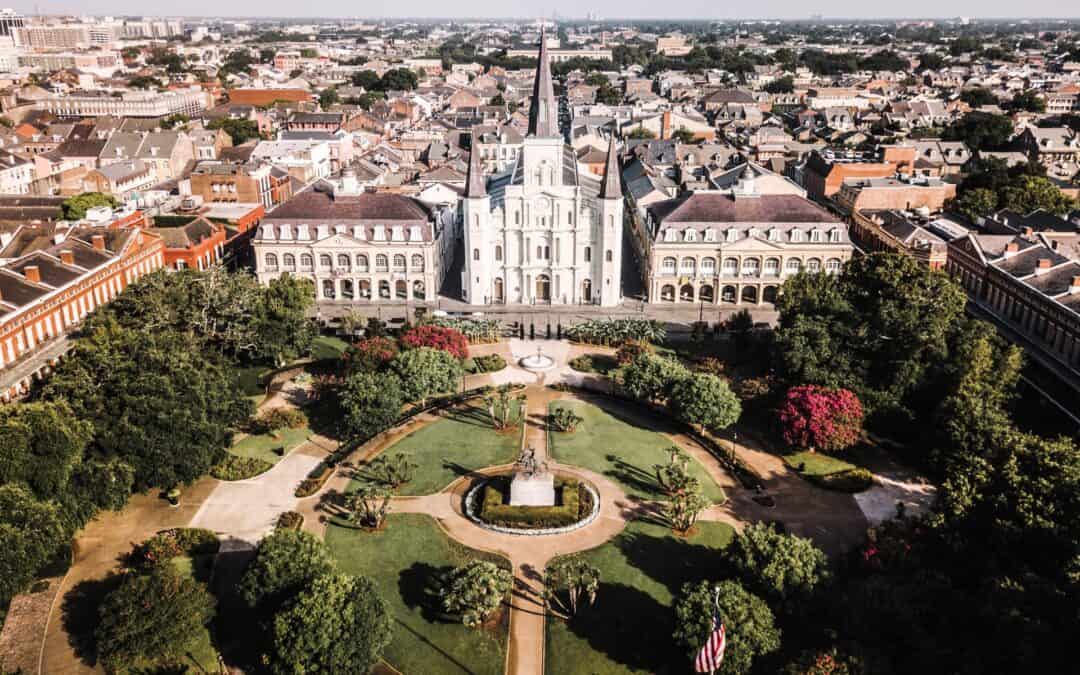
While the clock reads the same across the state, the experience of time varies significantly from one Louisiana city to another. New Orleans, without a doubt, is a city where time often seems to operate on its own unique rhythm. Here, the past is perpetually present, echoing through the cobblestone streets of the French Quarter, the gas lamps, and the historic architecture of sites like Jackson Square and St. Louis Cathedral. Mornings might start with beignets and coffee at Café Du Monde, while evenings stretch into late-night jazz sets on Frenchmen Street. The city encourages a slower, more deliberate pace, inviting visitors to savor every moment, whether it’s wandering through art galleries, enjoying a street performance, or indulging in a leisurely Creole dinner.
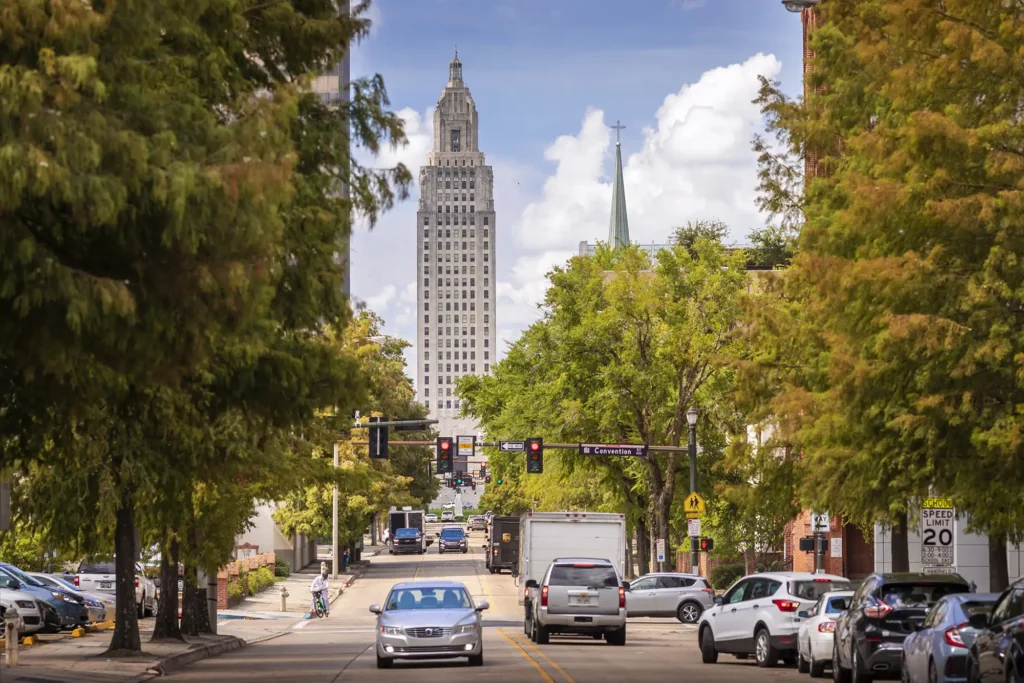
In contrast, Baton Rouge, the state capital, presents a more conventional, albeit still charming, tempo. As a hub for government and education, its days are structured around business and academic schedules. Visitors exploring landmarks like the Louisiana State Capitol Building or the USS Kidd Veterans Museum will find regular operating hours. Yet, even here, the influence of Louisiana’s relaxed Southern hospitality means that interactions often feel less rushed, offering a pleasant blend of urban efficiency and regional charm. Further north, cities like Shreveport and Bossier City offer yet another perspective. Known for their vibrant casino resorts and proximity to nature, these cities strike a balance between entertainment and the natural rhythms of the Red River. Here, time might be spent exploring local art scenes, fishing, or enjoying live music, all within a pace that feels distinctly North Louisianan.
Time-Honored Traditions and Timeless Experiences
Beyond the ticking clock, Louisiana offers a wealth of experiences where time itself seems to bend, allowing visitors to step into history or lose themselves in vibrant cultural moments. This is where the true essence of “what time is in Louisiana?” comes alive, through its preserved heritage and living traditions.
A Journey Through History: Landmarks and Heritage
Louisiana’s rich history is palpable, particularly in its historic landmarks and heritage sites. Plantation tours along the Mississippi River are prime examples of journeys back in time. Oak Alley Plantation, with its iconic alley of 300-year-old live oaks leading to a Greek Revival mansion, and Laura Plantation, known for its authentic Creole history and slave narratives, offer poignant glimpses into a complex past. These sites are not just buildings; they are storytellers, their walls echoing with centuries of human experience, demanding a reflective pace from visitors.
In New Orleans, the entire French Quarter is a living museum. From the architectural marvels of Jackson Square, dominated by the majestic St. Louis Cathedral (the oldest continuously active cathedral in the United States), to the historic homes and courtyards, every corner reveals a layer of history. The city’s numerous museums, such as the Louisiana State Museum at the Cabildo and the Presbytère, or The National WWII Museum, offer deeper dives into the state’s storied past, from its colonial roots to its pivotal role in national and international events. Even a simple stroll through the Garden District, admiring the opulent 19th-century mansions, feels like stepping back into a grander era. These landmarks invite visitors to slow down, absorb the narratives, and truly appreciate the layers of history that define Louisiana.
The Rhythms of Culture: Music, Food, and Festivals
The cultural pulse of Louisiana beats to timeless rhythms, especially evident in its world-renowned music, distinctive cuisine, and lively festivals. New Orleans is the birthplace of jazz, a genre that thrives on improvisation and feeling, where time is less about strict measure and more about groove. Venues like Preservation Hall continue this legacy, offering intimate, authentic jazz experiences where the music transports listeners to another era. Beyond jazz, the state is a cradle for blues, Zydeco, and Cajun music, each genre telling stories that have been passed down through generations.
Louisiana’s culinary scene is equally steeped in tradition. Cajun and Creole cuisines are testaments to slow cooking, patient preparation, and the rich fusion of various cultural influences. Dishes like Jambalaya, Étouffée, and of course, Gumbo, are not fast food; they are culinary rituals, perfected over time and meant to be savored in communal settings. Dining in Louisiana is an experience that transcends mere sustenance; it’s a moment to connect, share, and appreciate the depth of flavor.

Festivals are perhaps the clearest example of Louisiana playing with time. Mardi Gras, the most famous, is an explosion of color, music, and revelry that consumes New Orleans for weeks leading up to Ash Wednesday, a culmination of year-long preparations. The New Orleans Jazz & Heritage Festival (“Jazz Fest”) is another iconic event, drawing hundreds of thousands to celebrate music, food, and craft over two weekends. These festivals create pockets of suspended time where the mundane gives way to the extraordinary, where joy is paramount, and where the past, present, and future dance together in a vibrant celebration of life.
Making the Most of Your Time: Travel and Accommodation
Effectively managing your time in Louisiana is key to a fulfilling travel experience. From choosing the optimal season to visit to selecting the perfect accommodation, every decision impacts how you perceive and engage with the state’s unique temporal tapestry.
Planning Your Louisiana Getaway
The “best time” to visit Louisiana largely depends on your interests. For those seeking pleasant weather and an abundance of outdoor activities, the spring (March to May) and fall (October to November) are ideal. Temperatures are mild, humidity is lower, and the festival calendar is packed, featuring events like Jazz Fest and numerous local food festivals. Winter (December to February) offers cooler temperatures, perfect for exploring cities like New Orleans and enjoying the holiday festivities, culminating in Mardi Gras. Summer (June to September) can be hot and humid, but it’s often a quieter time for tourists, offering opportunities for budget travel and enjoying indoor attractions like the Audubon Aquarium of the Americas or the Audubon Zoo in New Orleans.
When planning your itinerary, consider the duration of your stay. A short trip (3-4 days) might focus solely on New Orleans, allowing enough time to explore the French Quarter, Garden District, and perhaps a swamp tour. For longer stays (a week or more), you can delve deeper, venturing into Cajun Country around Lafayette for a taste of authentic bayou culture, exploring the antebellum plantations, or visiting the historic city of Natchitoches. Business stays might concentrate on cities like Baton Rouge or Shreveport, balancing work with local culinary experiences. Regardless of your focus, booking flights, accommodations, and popular tours well in advance, especially during peak seasons and festivals, is crucial to securing your desired experiences and making the most of your valuable time.
Where to Stay: Timely Comfort and Luxury
Louisiana offers a diverse range of accommodation options, each promising a unique experience to complement your journey through time. In New Orleans, hotels like The Roosevelt New Orleans, A Waldorf Astoria Hotel and Hotel Monteleone in the French Quarter blend historic elegance with modern amenities, offering a luxurious retreat after a day of exploration. Boutique hotels and charming guesthouses throughout the city provide a more intimate, personalized stay, often in beautifully restored historic buildings that whisper tales of bygone eras. For those seeking resorts with extensive amenities, options are available in New Orleans and other areas like Lake Charles, where casinos and golf courses often accompany the lodging.
Beyond traditional hotels, visitors can find apartments and villas for longer stays, particularly popular with families or groups. These options often provide more space and a chance to experience local life more authentically. For budget travelers, hostels and more affordable inns are available, especially outside the prime tourist zones. When choosing accommodation, consider its proximity to attractions, the availability of amenities like pools or complimentary breakfast, and guest reviews. Comparison websites can be invaluable for finding the best deals and ensuring your stay aligns with your travel style and budget. Whether you opt for a grand hotel that reflects the state’s opulent past or a cozy B&B that offers a glimpse into local hospitality, your chosen accommodation plays a vital role in shaping your overall experience of time in Louisiana.
Experiencing the Lifestyle: From Leisure to Adventure
Louisiana’s lifestyle is an invitation to experience time in myriad ways, catering to every type of traveler. For those seeking leisure, a languid afternoon sipping coffee at a café, or a slow meander through an antique shop in the French Quarter, embodies the state’s “laissez les bons temps rouler” (let the good times roll) philosophy. A scenic riverboat cruise on the Steamboat NATCHEZ along the Mississippi River offers a timeless perspective of New Orleans’ skyline and historic riverfront.
For the adventurous, Louisiana’s natural landscapes, particularly its vast bayou country, provide thrilling encounters. Swamp tours offer a chance to witness alligators and diverse wildlife in their natural habitat, a timeless ecosystem that has remained largely unchanged for centuries. Kayaking through the serene waterways or fishing in the rich estuaries near Houma connects you directly with the elemental forces of nature, where the clock seems to disappear. The nightlife in New Orleans, particularly on Bourbon Street and Frenchmen Street, is an experience where time truly feels suspended. Live music pours from every doorway, creating an intoxicating atmosphere that can last until the early hours of the morning, inviting visitors to simply lose themselves in the moment. Whether you’re planning a romantic getaway, a family trip exploring historical sites, or a solo adventure into the wild, Louisiana offers a diverse palette of experiences, each designed to make your time here unforgettable.
In conclusion, “What time is in Louisiana?” is a question with a multi-faceted answer. While the clock adheres to Central Time, the state itself offers a profound journey through historical eras, cultural traditions that defy fleeting trends, and a lifestyle that encourages savoring every precious moment. From the solemn history of its plantations to the joyous explosion of its festivals, Louisiana invites you to immerse yourself in a place where the past informs the present, and every second is an opportunity for a unique and memorable experience.
LifeOutOfTheBox is a participant in the Amazon Services LLC Associates Program, an affiliate advertising program designed to provide a means for sites to earn advertising fees by advertising and linking to Amazon.com. Amazon, the Amazon logo, AmazonSupply, and the AmazonSupply logo are trademarks of Amazon.com, Inc. or its affiliates. As an Amazon Associate we earn affiliate commissions from qualifying purchases.