
The story of Texas is a captivating saga of independence, conflict, and eventual integration into the United States. For travelers, historians, and anyone fascinated by the intricate tapestry of American history, understanding the annexation of Texas is key to appreciating the state’s unique identity, its vibrant culture, and its many iconic landmarks. It’s a narrative that shapes everything from the cuisine to the architecture, offering a profound backdrop to any visit to the Lone Star State. The short answer to “When was Texas annexed?” is December 29, 1845, but the journey to that pivotal moment is rich with detail, struggle, and strategic maneuvering, marking a defining chapter in both Texas’s and America’s past.
The Road to Annexation: A Nation’s Journey
The path to annexation was neither swift nor straightforward. It involved decades of political unrest, military conflict, and diplomatic negotiations, all set against the dramatic backdrop of westward expansion and shifting national identities. Understanding this prelude is essential for grasping the significance of 1845.
From Mexican Territory to Independent Republic
Before it became part of the United States, Texas was a vast, sparsely populated frontier of Mexico. Following Mexican independence from Spain in 1821, the new government encouraged Anglo-American settlement to develop the region and provide a buffer against Native American raids. Figures like Stephen F. Austin played a crucial role in bringing thousands of settlers to Texas, establishing communities and cultivating the land.
However, cultural differences, disagreements over slavery (which Mexico had abolished), and increasing centralisation of power in Mexico City led to growing tensions between the settlers and the Mexican government. These tensions boiled over in 1835, igniting the Texas Revolution. Iconic battles such as the Siege of the Alamo in San Antonio, where a small band of Texan defenders made a valiant last stand, and the decisive Battle of San Jacinto, where Sam Houston‘s forces secured victory against General Santa Anna‘s Mexican army, became legends. These events paved the way for Texas to declare its independence on March 2, 1836, establishing the Republic of Texas.
For travelers, sites like the Alamo in downtown San Antonio offer a tangible connection to this revolutionary period. Walking the grounds, visitors can almost hear the echoes of history, a profound experience that deepens appreciation for the sacrifices made. Similarly, the San Jacinto Battleground State Historic Site near Houston provides a panoramic view of the battlefield and the towering monument, commemorating the pivotal victory that secured Texas’s freedom.

The Republic of Texas and the Quest for Statehood
For nearly a decade, from 1836 to 1845, Texas existed as an independent nation, an experience that profoundly shaped its identity. The Republic of Texas faced numerous challenges, including ongoing threats from Mexico, financial instability, and diplomatic struggles. From its early days, many Texans desired annexation to the United States, seeing it as a way to ensure security, economic stability, and shared cultural ties.
However, annexation was a contentious issue within the United States itself. The primary sticking point was slavery. Texas was a slaveholding territory, and its admission as a state would upset the delicate balance between free and slave states in Congress, intensifying the sectional divide that would eventually lead to the Civil War. Concerns about igniting a war with Mexico, which still considered Texas a rebellious province, also contributed to American hesitation.
Despite these obstacles, the idea of Manifest Destiny – the belief that the United States was destined to expand across the North American continent – gained momentum. Leaders in Texas, including presidents like Sam Houston, continued to push for annexation, understanding that the young republic’s long-term survival and prosperity were tied to joining its powerful northern neighbor. The Texas State Capitol in Austin, with its impressive architecture and historical exhibits, offers visitors a glimpse into the political landscape of both the republic and early statehood. Its grounds and interiors tell stories of legislative debates, key decisions, and the enduring spirit of Texas’s leaders.
The Moment of Annexation: December 29, 1845
The decade of indecision finally culminated in 1845, a year that forever altered the map of North America and the trajectory of American history.
The Treaty and Congressional Approval
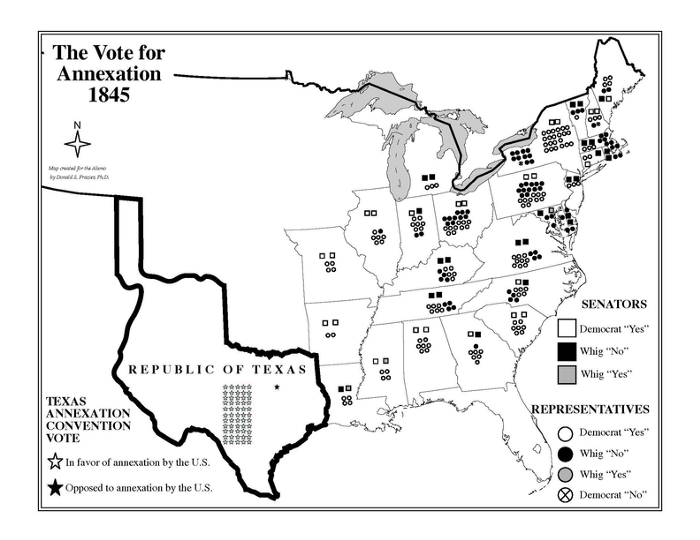
The push for annexation intensified in the early 1840s. President John Tyler, a strong proponent of expansion, began negotiations for a treaty of annexation with Texas in 1844. However, the treaty failed to gain the necessary two-thirds majority in the Senate, largely due to the ongoing debate over slavery and fear of war with Mexico.
The election of 1844 proved to be a turning point. James K. Polk, an ardent expansionist, won the presidency on a platform that explicitly included the annexation of Texas and the acquisition of Oregon. Interpreting Polk’s victory as a mandate for annexation, President Tyler (still in office) proposed a joint resolution for annexation, which required only a simple majority in both the House and Senate, rather than a two-thirds Senate majority. This strategic maneuver bypassed the prior opposition.
The joint resolution was passed by Congress in February 1845 and signed into law by President Tyler on March 1, 1845, just days before Polk took office. This resolution outlined the terms for Texas’s admission as a state, allowing it to retain its public lands and to divide into up to four additional states in the future, if desired. In response, Texas held a convention that overwhelmingly voted to accept the terms of annexation. On December 29, 1845, President James K. Polk signed the act officially admitting Texas into the Union as the 28th state. This date marks the official annexation of Texas to the United States.
Immediate Aftermath and the Mexican-American War
The annexation of Texas was not without immediate and severe consequences. Mexico had consistently warned that it would consider annexation an act of war. Compounding the issue was a dispute over the southern boundary of Texas. Texas and the United States claimed the Rio Grande as the border, while Mexico maintained that the Nueces River, further north, was the historical boundary.
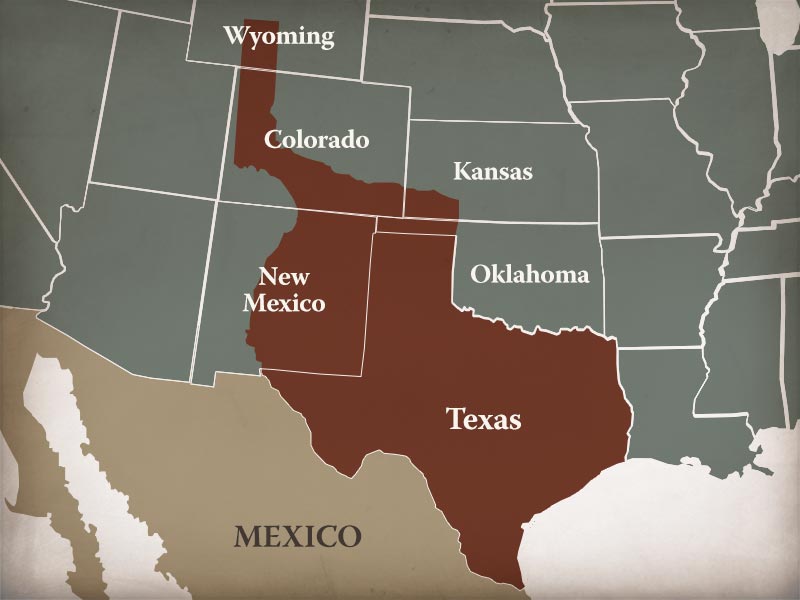
This unresolved border dispute, combined with the annexation, directly led to the Mexican-American War (1846-1848). The war ultimately resulted in a decisive American victory and the cession of vast territories, including present-day California, Nevada, Utah, Arizona, and parts of Colorado, Wyoming, and New Mexico, to the United States through the Treaty of Guadalupe Hidalgo. The war cemented the Rio Grande as the international boundary and permanently altered the territorial landscape of North America, making the annexation of Texas a truly transformative event in American expansion.
Texas Today: A Legacy of Annexation Through Travel and Culture
The historical narrative of Texas’s annexation is deeply woven into the fabric of the state, influencing its culture, its landmarks, and its enduring appeal as a travel destination. From vibrant urban centers to sprawling natural landscapes, Texas offers a unique blend of historical reverence and modern-day allure.
Historic Landmarks and Cultural Experiences
Visiting Texas provides countless opportunities to immerse oneself in the state’s rich past, particularly its revolutionary and annexation eras. Beyond the Alamo and San Jacinto Battleground State Historic Site, other significant sites include:
- The Texas State Capitol in Austin: As mentioned, this grand building is a testament to Texas’s political journey, from its republic days to its current status as a powerhouse state. Guided tours offer insights into its architecture and legislative history.
- Mission San Jose in San Antonio: Part of the San Antonio Missions National Historical Park, these Spanish colonial missions predated the Anglo-American settlement and provide context for the diverse cultural heritage that shaped early Texas. They offer a profound look into the Spanish influence that was gradually superseded by Anglo-American culture leading up to annexation.
- The Washington-on-the-Brazos State Historic Site: Often called the “Birthplace of Texas,” this is where the Texas Declaration of Independence was signed. It offers reconstructed buildings and a visitor center that vividly bring the revolutionary period to life.
Beyond specific sites, the cultural landscape of Texas itself is a living legacy. The vibrant Tex-Mex cuisine, for instance, is a delicious fusion of Mexican and American influences, reflecting the historical cross-cultural interactions. The state’s music scene, from country Western to blues and Tejano, tells stories of migration, settlement, and adaptation, all against the backdrop of its unique history. Festivals, rodeos, and historical reenactments across the state regularly celebrate this heritage, offering travelers engaging and immersive experiences.
Modern Texas: A Blend of Past and Present for Travelers
Today, Texas stands as a diverse and dynamic travel destination, where the historical narrative of its annexation continues to resonate. Its major cities – Houston, Dallas, Austin, and San Antonio – each offer distinct flavors of the Texas experience, blending historical charm with modern amenities.
- Houston: A global hub for energy and space exploration, Houston boasts world-class museums, a thriving culinary scene, and diverse neighborhoods. Its proximity to the San Jacinto Battleground makes it an ideal base for historical exploration. Hotels like the Hotel ZaZa offer luxurious stays amidst urban sophistication.
- Dallas: Known for its upscale shopping, vibrant arts district, and significant historical sites related to the Kennedy assassination, Dallas represents the modern, metropolitan face of Texas. The Rosewood Mansion on Turtle Creek provides an exquisite luxury experience.
- Austin: The “Live Music Capital of the World,” Austin is celebrated for its eclectic culture, outdoor activities along the Colorado River, and a burgeoning tech scene. Historic hotels like The Driskill offer a glimpse into the city’s past while enjoying its vibrant present.
- San Antonio: With the Alamo and the historic River Walk, San Antonio is arguably the state’s most historically rich city, offering a deep dive into its Mexican and Texan heritage. Luxurious accommodations such as the Hilton Palacio del Rio or the expansive JW Marriott San Antonio Hill Country Resort & Spa blend comfort with access to historical sites.
Beyond the cities, the vast landscapes of Texas offer diverse experiences. The rugged beauty of Big Bend National Park along the Rio Grande offers unparalleled outdoor adventures. The rolling vineyards and charming towns of the Texas Hill Country, including Fredericksburg and Luckenbach, offer a different kind of retreat. And for those seeking sun and sand, the pristine beaches of South Padre Island beckon along the Gulf of Mexico. Even the enigmatic art town of Marfa in West Texas carries the spirit of independence and wide-open spaces born from the state’s early history.
Planning Your Texas Historical Journey
For travelers keen to explore the historical threads that lead to Texas’s annexation, planning a journey that encompasses several key regions is highly recommended.
- Fly into major international airports like George Bush Intercontinental Airport (IAH) in Houston, Dallas/Fort Worth International Airport (DFW), Austin-Bergstrom International Airport (AUS), or San Antonio International Airport (SAT), and rent a car to enjoy the scenic drives between historical sites.
- Consider a multi-city itinerary beginning in San Antonio to experience the Alamo and missions, then moving to Austin for the Capitol and republic history, and finally to Houston for the San Jacinto Battlefield.
- Explore local museums and historical societies in smaller towns. Many offer unique artifacts and perspectives on the early settlers and revolutionary figures.
- Immerse yourself in local culture by trying authentic Texan BBQ or Tex-Mex, attending a rodeo, or listening to live music. These cultural experiences are deeply rooted in the historical evolution of the state, serving as living testaments to its diverse heritage.
From the first cries for independence to its formal admission into the United States on December 29, 1845, the story of Texas’s annexation is a powerful narrative of resilience, ambition, and the forging of a unique identity. It continues to draw visitors from around the globe, eager to explore the battlefields, walk the historic streets, and feel the spirit of a state that was once its own independent nation. This rich history is not just a collection of dates and events; it’s a living, breathing part of the Texas experience, waiting to be discovered by every curious traveler.
LifeOutOfTheBox is a participant in the Amazon Services LLC Associates Program, an affiliate advertising program designed to provide a means for sites to earn advertising fees by advertising and linking to Amazon.com. Amazon, the Amazon logo, AmazonSupply, and the AmazonSupply logo are trademarks of Amazon.com, Inc. or its affiliates. As an Amazon Associate we earn affiliate commissions from qualifying purchases.