
Texas, known for its sprawling landscapes, vibrant cities, and unique cultural tapestry, attracts millions of visitors annually, from those exploring its historic Alamo to business travelers in Dallas and Houston. While many dream of Texas as a travel destination, for others, it’s home – a place where life unfolds, sometimes bringing unexpected challenges. Navigating life in the Lone Star State, especially when faced with a disability, requires understanding the support systems available. This comprehensive guide is designed for Texas residents and those considering a long-term stay, offering a detailed roadmap on how to apply for disability benefits, ensuring a stable lifestyle and access to necessary accommodation and care.
Whether you’re exploring the bustling nightlife of Austin, enjoying the culinary scene in San Antonio, or settling into a quiet community, unexpected health issues can arise. Understanding the process of applying for disability benefits is a crucial aspect of lifestyle planning, ensuring that you can maintain your quality of life, access appropriate medical care, and secure suitable accommodation. This guide demystifies the federal and state processes, providing clarity on eligibility, application steps, and what to expect along the way.
Understanding Disability Benefits in Texas: A Guide for Residents and Long-Term Visitors
For individuals living with a disability in Texas, the journey to financial stability often begins with understanding the federal programs designed to provide support. While Texas does not have its own state-funded cash disability program, its residents primarily rely on federal benefits administered by the Social Security Administration (SSA). These programs are critical for ensuring individuals can manage daily expenses, access healthcare, and secure stable housing, whether in a vibrant city apartment or a serene countryside villa.
The SSA defines disability as the inability to engage in any substantial gainful activity (SGA) due to a medically determinable physical or mental impairment that is expected to last for a continuous period of at least 12 months or result in death. This definition is stringent and applies uniformly across all states, including Texas. Understanding this foundational definition is the first step in assessing one’s eligibility.
Navigating the Social Security Administration (SSA)
The Social Security Administration is the federal agency responsible for evaluating disability claims and distributing benefits. It has numerous field offices across Texas, providing local support for applicants. For instance, residents of Houston can visit the local SSA office for in-person assistance, while those in El Paso have their own dedicated facilities. While the application can be started online, a visit or call to an SSA office can be invaluable for clarifying questions and ensuring all paperwork is correctly submitted. These offices are essential points of contact for anyone navigating the complex application process, whether they are long-term residents or visitors needing to understand their options during an extended stay.
Key Programs: SSDI vs. SSI
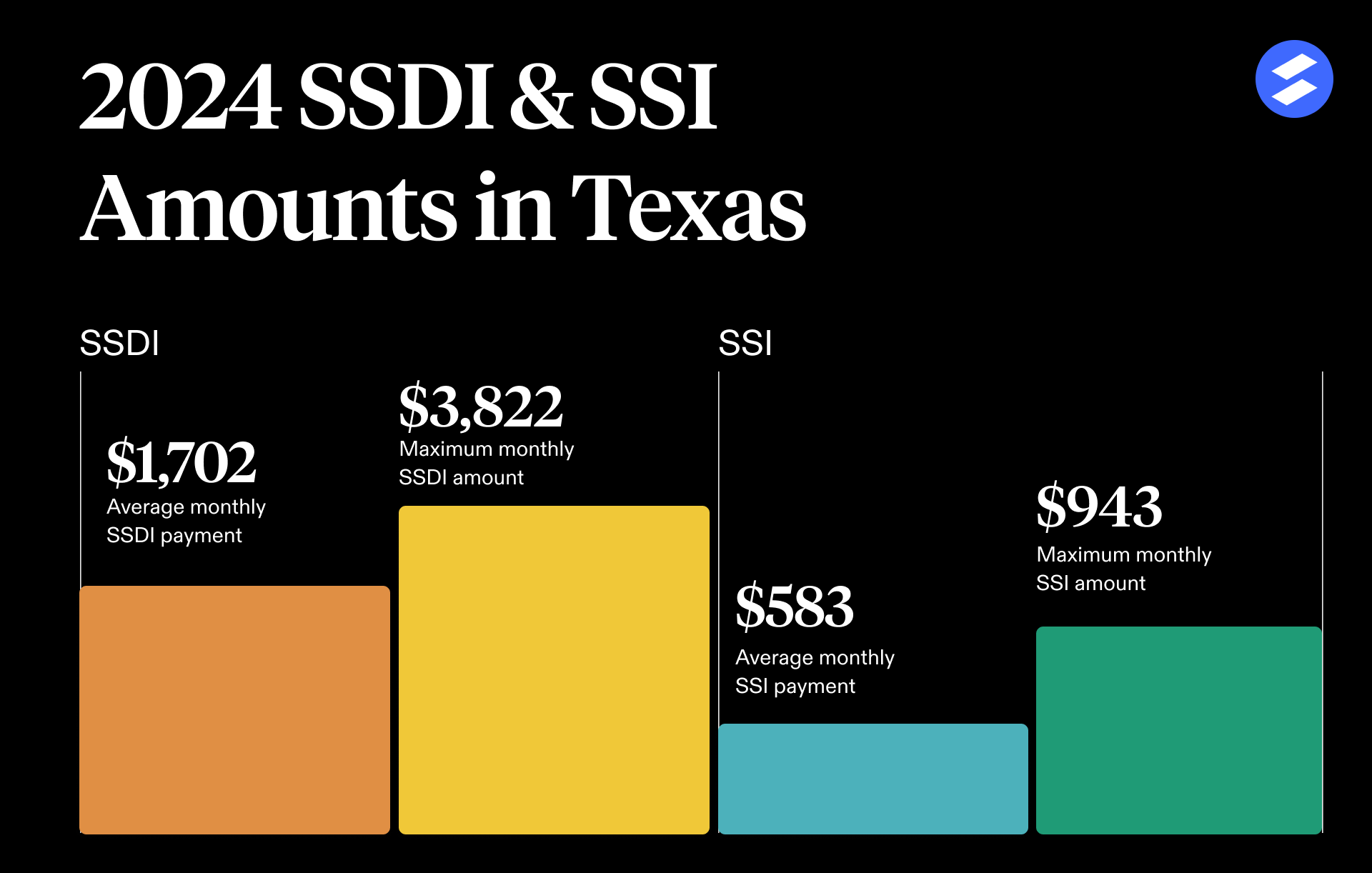
The SSA offers two primary disability benefit programs: Social Security Disability Insurance (SSDI) and Supplemental Security Income (SSI). Both programs utilize the same medical disability criteria but differ significantly in their financial eligibility requirements and funding sources.
-
Social Security Disability Insurance (SSDI):
- Eligibility: SSDI is an earned benefit. To qualify, you must have worked long enough and recently enough, paying Social Security taxes on your earnings. This accumulates “work credits.” The number of work credits needed depends on your age when you become disabled. For most adults, this means 20 credits earned in the last 10 years, though younger individuals may need fewer.
- Benefits: If approved, you receive monthly cash benefits based on your average lifetime earnings. After a 24-month waiting period from your entitlement date, you typically become eligible for Medicare benefits, which is vital for managing healthcare costs in Texas or anywhere else.
- Connection to Lifestyle: SSDI provides a safety net that allows individuals who have contributed to the workforce to maintain a semblance of their previous lifestyle, supporting everything from mortgage payments to necessary travel for medical appointments.
-
Supplemental Security Income (SSI):
- Eligibility: SSI is a needs-based program for low-income individuals who are aged, blind, or disabled, regardless of their work history. It has strict income and asset limits. For instance, a single individual generally cannot have more than $2,000 in countable resources, and a couple cannot have more than $3,000. Many residents in Texas who have not worked extensively or have limited income rely on SSI.
- Benefits: SSI provides a monthly cash benefit to help meet basic needs for food, clothing, and shelter. In most states, including Texas, SSI recipients are automatically eligible for Medicaid, providing crucial access to healthcare services.
- Connection to Lifestyle: SSI is crucial for ensuring basic living standards, helping individuals secure stable accommodation, afford nutritious meals, and access essential healthcare. It plays a significant role in preventing homelessness and poverty, especially in the context of long-term stays or permanent residence in Texas.

Understanding which program aligns with your personal and financial situation is vital. Many individuals apply for both, as they can sometimes qualify for concurrent benefits if their SSDI benefit is low and they meet the SSI income and asset thresholds.
The Application Process: Step-by-Step for Texans
Applying for disability benefits can be a lengthy and complex process. It requires diligence, patience, and meticulous organization. For those residing in Texas, the journey involves several stages, each requiring specific documentation and attention to detail. Whether you are living in a temporary rental in Houston or own a home in San Antonio, the application process remains consistent.
Initial Application: What You Need
The initial application is the foundation of your claim. It’s crucial to provide as much accurate and detailed information as possible from the outset. You can apply for SSDI online, by phone, or in person at an SSA office. SSI applications cannot be completed entirely online due to the need for a personal interview to verify financial information.
Here’s what you’ll typically need to gather:
- Personal Information: Your Social Security number, birth certificate, proof of U.S. citizenship or lawful alien status.
- Work History: Detailed information about your work history for the past 15 years, including job titles, dates worked, and earnings. This is particularly important for SSDI claims.
- Medical Information: This is perhaps the most critical component. You’ll need names, addresses, and phone numbers of all doctors, hospitals, clinics, and other healthcare providers who have treated you for your condition(s). You’ll also need dates of visits, types of treatment, and a list of all medications you are taking. This includes any specialists you’ve seen, whether at a large medical center in Dallas or a local clinic in a smaller Texas town.
- Financial Information: For SSI applicants, details about your income (earned and unearned), resources (bank accounts, property, vehicles), and household expenses.
- Other Benefits: Information about any other disability benefits you’ve applied for or receive (e.g., workers’ compensation, veterans’ benefits).
Once the application is submitted, the SSA sends your case to Texas Disability Determination Services (DDS), a state agency that makes the initial medical determination for the SSA.
Medical Evidence: The Cornerstone of Your Claim
The DDS in Texas is responsible for gathering and evaluating your medical evidence. They will request records from your listed healthcare providers. Strong medical evidence is paramount. It should objectively document your condition’s severity, your symptoms, your functional limitations (what you can and cannot do), and how these limitations prevent you from performing substantial gainful activity.
Key elements of robust medical evidence include:
- Diagnostic Test Results: X-rays, MRIs, CT scans, lab results, psychological evaluations, and other objective findings.
- Treatment Records: Notes from doctors’ visits, therapy sessions, hospitalizations, and surgical reports.
- Medication History: Documentation of prescribed medications, dosages, and responses to treatment.
- Physician Statements: Opinions from your treating doctors about your prognosis and functional limitations. These should be detailed and consistent with your medical records.
The DDS may also send you for a “consultative examination” (CE) with an independent doctor at the SSA’s expense. While these exams are usually brief, attending them is crucial, as failure to do so can result in denial. The doctor performing the CE is not your treating physician, so they may not have the full context of your condition, underscoring the importance of your own medical records.
Appeals Process: What to Do If Denied
It is common for initial disability applications to be denied. In fact, more than two-thirds of initial applications are rejected. This does not mean your claim is without merit; it simply means you need to pursue the appeals process. There are four levels of appeal within the SSA:
-
Reconsideration:
- This is the first level of appeal. Your case is reviewed by a different examiner at the Texas DDS who was not involved in the initial decision. New medical evidence can be submitted at this stage. Unfortunately, the reconsideration approval rate is also low.
- Timeline: You have 60 days from the date you receive the denial letter to request reconsideration.
-
Hearing by an Administrative Law Judge (ALJ):
- If denied at reconsideration, you can request a hearing before an Administrative Law Judge (ALJ). This is often the best chance of getting approved. An ALJ is an independent judge who will review your entire file, listen to your testimony, and may hear from vocational and medical experts. This hearing usually takes place at an Office of Hearings Operations (OHO) in Texas, with locations in cities like Houston, Dallas, and San Antonio.
- Representation: Having a disability attorney or advocate at this stage significantly increases your chances of approval. They can help prepare your case, gather additional evidence, cross-examine experts, and present a compelling argument.
- Timeline: You have 60 days from the date you receive the reconsideration denial to request an ALJ hearing. Due to backlogs, this waiting period can be quite long, often exceeding a year.
-
Appeals Council Review:
- If the ALJ denies your claim, you can request a review by the Appeals Council. The Appeals Council may grant, deny, or dismiss the request for review, or it may send your case back to an ALJ for further action. They generally review for errors of law or procedure, not to re-evaluate the medical evidence from scratch.
- Timeline: You have 60 days from the date of the ALJ’s decision to request Appeals Council review.
-
Federal Court Review:
- The final level of appeal is to file a lawsuit in a Federal District Court. This is a complex legal process and typically requires an attorney.
- Timeline: You have 60 days from the Appeals Council’s decision to file in Federal Court.
The appeals process can be lengthy, sometimes taking several years. Patience and persistence are crucial, as is continuing to receive medical treatment for your condition throughout the process.

Securing Your Future: Lifestyle Considerations and Support Systems
For individuals navigating life with a disability in Texas, obtaining disability benefits is more than just financial aid; it’s a critical component of lifestyle management. It impacts everything from daily living expenses to the ability to secure suitable housing and access ongoing medical care. Understanding the broader support ecosystem is vital for optimizing one’s quality of life.
State-Specific Resources in Texas
While Texas doesn’t have a state-funded cash disability program, it offers various other resources that can complement federal benefits and enhance the lives of residents with disabilities. These programs are often administered by the Texas Health and Human Services Commission (HHSC).
- Medicaid & Medicare: As mentioned, SSI recipients typically qualify for Medicaid in Texas, providing access to doctors, hospitals, and long-term care services. SSDI recipients, after a waiting period, become eligible for Medicare. These programs are fundamental for managing health costs and are particularly important given the diverse healthcare landscape across cities like Austin and rural areas.
- Texas Vocational Rehabilitation Services: This agency, under the Texas Workforce Commission (TWC), offers services to help Texans with disabilities find or retain employment. This can include job training, counseling, assistive technology, and job placement services. Even if you receive disability benefits, you might be interested in working part-time or returning to work if your condition improves, and Vocational Rehabilitation can be a bridge.
- Housing Assistance: Several programs, often locally administered but federally funded, aim to help individuals with disabilities secure affordable and accessible housing. The Texas Department of Housing and Community Affairs (TDHCA) provides information on rental assistance, housing vouchers, and accessible housing options. For those seeking long-term accommodation, especially accessible suites or apartments, these resources are invaluable.
- Personal Attendant Services: Programs under the HHSC can provide assistance with daily living activities for eligible individuals, helping them maintain independence in their own homes.
- Legal Aid and Advocacy Groups: Various non-profit organizations and legal aid services across Texas specialize in assisting individuals with disability claims and other legal issues. Organizations like Disability Rights Texas provide advocacy and legal representation.
These state-specific resources create a robust support system, helping individuals with disabilities not just survive but thrive in Texas, ensuring access to care, community integration, and opportunities for a fulfilling lifestyle.
Planning for Long-Term Accommodation and Care
One of the most significant lifestyle considerations for individuals with disabilities, especially when traveling or settling long-term, is suitable accommodation and access to ongoing care. Texas offers a range of options, from urban apartments designed for accessibility to specialized care facilities.
- Accessible Accommodation: When planning for long-term stays or relocation, searching for accessible accommodation is crucial. Many modern apartment complexes, particularly in cities like Austin and Fort Worth, offer units with features like roll-in showers, wider doorways, and grab bars. Online booking platforms, while primarily for short-term travel, increasingly allow filtering for accessibility features, which can be a starting point for identifying suitable areas or property types.
- Assisted Living and Nursing Homes: For those requiring higher levels of care, Texas has numerous assisted living facilities and nursing homes. Understanding the financial implications and how disability benefits (or supplementary Medicaid benefits) can contribute to these costs is essential.
- Home Health Services: Many individuals prefer to remain in their own homes. Texas has a well-developed network of home health agencies that provide medical and non-medical care directly to residents, offering independence and comfort.
- Community Integration: Beyond formal care, engaging with local disability communities and support groups can provide invaluable emotional and practical support. Many cities in Texas have active organizations that facilitate social activities, provide peer support, and advocate for disability rights. This fosters a sense of belonging and contributes positively to mental well-being, enhancing the overall lifestyle experience.
Thoughtful planning for accommodation and care, alongside securing disability benefits, forms the backbone of a stable and comfortable life for individuals with disabilities in Texas.
Important Tips and Common Pitfalls
Applying for disability benefits is a challenging endeavor, but being well-prepared and aware of common pitfalls can significantly improve your chances of success.
- Be Thorough and Honest: Provide complete and accurate information on your application. Inconsistencies or omissions can lead to delays or denials.
- Keep Detailed Records: Maintain a personal file of all doctors’ visits, medications, test results, and communications with the SSA or DDS. This includes copies of everything you submit and every letter you receive.
- Continue Medical Treatment: It is vital to continue seeing your doctors and following their prescribed treatment plans throughout the application and appeals process. Gaps in treatment can suggest that your condition is not as severe as claimed or that you are not actively trying to improve it.
- Document Functional Limitations: Beyond your diagnosis, focus on how your condition limits your ability to perform work-related activities (e.g., standing, sitting, lifting, concentrating, interacting with others). Ask your doctors to specifically document these limitations.
- Seek Professional Help: Consider hiring a disability attorney or advocate, especially if your initial application is denied. They specialize in disability law, understand the nuances of the SSA system, and can represent you at hearings. They work on a contingency basis, meaning they only get paid if you win your case, and their fees are capped by law. Local bar associations in Texas can often provide referrals.
- Don’t Give Up After Denial: Many successful claims are initially denied. The appeals process is there for a reason, and persistence often pays off.
- Understand Waiting Periods: Be aware of the waiting periods for benefits. SSDI has a five-month waiting period after your established onset date of disability before cash benefits begin, and then a 24-month waiting period for Medicare. SSI generally has no waiting period for cash benefits, and Medicaid typically starts with the first month of SSI eligibility.
- Report Changes Promptly: If your medical condition improves, you return to work, or your income/resources change (for SSI), report these changes to the SSA immediately. Failure to do so can result in overpayments that you will have to repay.
Navigating the disability application process in Texas can be daunting, but with the right information, preparation, and support, it is a manageable journey. For anyone considering Texas as a long-term home or facing unforeseen challenges during an extended stay, understanding these procedures is crucial for securing a stable and supported lifestyle. This guide serves as a beacon, illuminating the path toward securing the benefits necessary to live a full and independent life in the vast and welcoming state of Texas.
LifeOutOfTheBox is a participant in the Amazon Services LLC Associates Program, an affiliate advertising program designed to provide a means for sites to earn advertising fees by advertising and linking to Amazon.com. Amazon, the Amazon logo, AmazonSupply, and the AmazonSupply logo are trademarks of Amazon.com, Inc. or its affiliates. As an Amazon Associate we earn affiliate commissions from qualifying purchases.