
The question of whether The New York Post qualifies as a tabloid is one that has been debated for decades, sparking lively discussions among media critics, journalists, and the general public alike. While its sensational headlines and often provocative content might lead many to a swift “yes,” a deeper examination reveals a more nuanced picture. To truly understand The New York Post‘s place in the media landscape, we must delve into its history, analyze its editorial style, and consider its readership and influence. This exploration will also touch upon how the very definition of a “tabloid” has evolved, influencing our perception of publications like The New York Post.

The Shifting Sands of Tabloid Journalism
The term “tabloid” itself carries a complex and often pejorative connotation. Historically, it referred to newspapers that were printed in a smaller format than the traditional broadsheet, often featuring more sensationalized news, photographs, and a less formal writing style. The goal was to be accessible, engaging, and, at times, provocative, appealing to a broader audience than the more staid broadsheet papers. Early tabloids, particularly in the United Kingdom, like The Daily Mirror and The Sun, pioneered this approach, focusing on crime, celebrity gossip, and human-interest stories with dramatic flair.
In the United States, the landscape has been somewhat different. While smaller-format papers have existed, the term “tabloid” often became synonymous with publications that prioritized sensationalism and gossip over substantive news reporting, such as The National Enquirer. These were often seen as being on the fringes of mainstream journalism, catering to a specific niche audience.
However, the digital age has blurred these lines considerably. The internet, with its emphasis on speed, virality, and clickbait, has influenced all forms of media. Even established broadsheet newspapers have adopted more eye-catching headlines and quicker reporting cycles to compete for attention. This has led to a re-evaluation of what constitutes a “tabloid.” Is it purely about format, content, or editorial approach? Or is it a combination of all three?
The New York Post emerged in its modern form under the ownership of Rupert Murdoch in 1976. Murdoch, already a formidable figure in tabloid publishing in Australia and the UK, brought his distinctive style to New York City. This era saw a deliberate shift in the paper’s tone and content, moving away from its earlier, more traditional roots towards a more aggressive, populist, and often controversial editorial stance. This transformation is a crucial factor in understanding the ongoing debate about its tabloid status.
Content and Editorial Style: The Tabloid Hallmarks
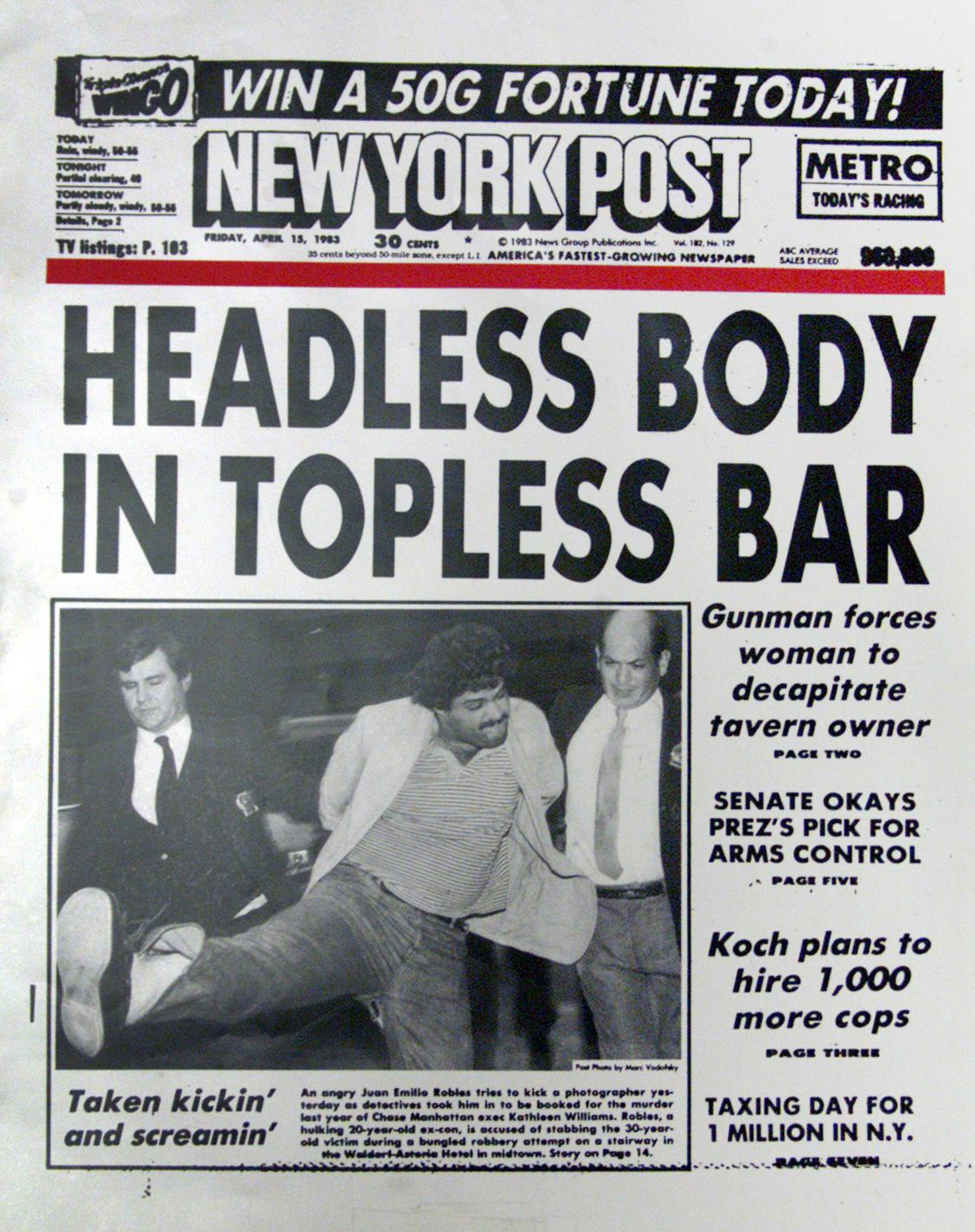
One of the most apparent indicators of The New York Post‘s tabloid leanings lies in its content and editorial style. The paper is renowned for its bold, often provocative front-page headlines, which frequently employ puns, alliteration, and a direct, no-nonsense approach. These headlines are designed to grab attention immediately, whether the story is about politics, crime, or celebrity. For instance, a headline might be as blunt as “CRIME WAVE GRIPS CITY” or as cheeky as “DONALD TRUMP’S SECRET LIFE REVEALED.”
The paper’s reporting often focuses on the sensational aspects of stories. While it covers major news events, its treatment tends to be more dramatic, emphasizing conflict, scandal, and human drama. Celebrity news, political scandals, and crime stories are staples, often presented with a keen eye for the salacious details. This focus on what might be termed “infotainment” – a blend of information and entertainment – is a classic characteristic of tabloid journalism.
Furthermore, The New York Post is not shy about expressing strong opinions. Its editorial page is known for its conservative viewpoints and often sharp criticisms of political figures and policies. This editorial voice, while present in many newspapers, is often amplified in The New York Post with a more pugnacious and unapologetic tone, which can further contribute to its tabloid image.
The use of striking photography is another element that aligns with tabloid traditions. The New York Post often features large, impactful images on its front page and throughout its pages, designed to convey emotion and draw the reader in. While many newspapers use photography effectively, the selection and presentation in The New York Post can sometimes lean towards the dramatic and visceral, a common trait in tabloid layouts.

The paper’s coverage of lifestyle topics, while sometimes bordering on the serious, also frequently engages with elements that appeal to a broader, more casual readership. This includes coverage of entertainment, fashion, and often, the more sensational aspects of celebrity lives. Even when discussing travel or dining, the approach can sometimes be framed with a sense of aspiration, excitement, or even a touch of indulgence, mirroring the lifestyle sections of many celebrity-focused magazines.
Readership and Influence: Beyond the Headlines
Despite its often sensationalized presentation, The New York Post commands a significant and influential readership. It is particularly popular in New York City, where it serves as a local news source for millions. Its readership spans a wide demographic, from those seeking quick, digestible news updates to those who appreciate its distinctive editorial voice.
The paper’s influence extends beyond its immediate circulation. Its headlines often set the agenda for other media outlets, and its commentary can shape public discourse, particularly within New York’s political and cultural spheres. Politicians, business leaders, and cultural figures are often keenly aware of The New York Post‘s coverage and opinion.
The debate over its tabloid status is, in part, a testament to its impact. If The New York Post were merely a fringe publication with little influence, the question of its classification might hold less weight. Its ability to provoke discussion, generate controversy, and hold sway over public opinion suggests it occupies a unique and significant position in the media landscape, one that transcends simple categorization.
Consider the lifestyle and travel sections, for example. While The New York Post might not dedicate extensive investigative journalism to a luxury resort in the Maldives in the same way a dedicated travel magazine would, it might feature a curated list of “hottest new hotels” or a “celebrity’s favorite vacation spot” with a characteristic flair. Similarly, when discussing local attractions in New York City, like the Central Park Zoo or the Metropolitan Museum of Art, the coverage might focus on unique events, celebrity sightings, or unusual occurrences, rather than a dry, factual guide. This approach, while different from a typical travel blog found on a site like Life Out Of The Box, still caters to an audience interested in experiences and destinations, albeit through a more sensational lens.
When discussing hotels, for instance, The New York Post might highlight a scandal involving a famous hotelier, or a dramatic incident that occurred at a luxury resort, rather than focusing on detailed amenities or booking comparisons. This aligns with a tabloid’s inclination towards the dramatic and the personal. Even when discussing themes like “luxury travel” or “budget travel,” the emphasis is often on the aspirational or the scandalous, rather than a straightforward guide.
The paper’s coverage of landmarks, such as the Statue of Liberty or Times Square, might focus on a recent event, a protest, or a quirky human-interest story associated with the location, rather than a deep dive into its historical architecture or natural significance. This is not to say that factual reporting is absent, but it is often presented within a framework that prioritizes drama and immediate impact.
Conclusion: A Tabloid in Spirit, a Hybrid in Practice
Ultimately, the question of whether The New York Post is a tabloid is less about a definitive label and more about understanding its operational philosophy. If we define a tabloid by its sensational headlines, provocative content, and a focus on human drama and celebrity, then The New York Post undeniably possesses many tabloid characteristics. Its editorial approach, especially since the Murdoch era, has embraced these elements to engage a broad audience.
However, The New York Post also functions as a significant news source, particularly for New York City. It covers politics, crime, and breaking news with a vigor that, while often sensationalized, is still news. It has a tangible impact on public discourse and readership. This hybrid nature makes it difficult to pigeonhole. It is perhaps best understood as a publication that has adopted a tabloid-like sensibility and style while maintaining a presence in the broader news ecosystem.
The evolving nature of media consumption and the digital landscape further complicate this classification. As all publications strive for attention, the lines between traditional journalism and more sensationalist content continue to blur. The New York Post stands as a prime example of a publication that has successfully navigated this space, challenging traditional notions of what constitutes a newspaper and, by extension, what defines a tabloid in the 21st century. Its enduring influence and controversial reputation ensure that the debate about its tabloid status will likely continue for years to come.
LifeOutOfTheBox is a participant in the Amazon Services LLC Associates Program, an affiliate advertising program designed to provide a means for sites to earn advertising fees by advertising and linking to Amazon.com. Amazon, the Amazon logo, AmazonSupply, and the AmazonSupply logo are trademarks of Amazon.com, Inc. or its affiliates. As an Amazon Associate we earn affiliate commissions from qualifying purchases.