
When planning a trip to the iconic state of New York, one of the most crucial pieces of information to consider is the weather. The temperature in New York is a dynamic entity, constantly shifting with the seasons, and understanding these patterns is key to packing appropriately, booking the right accommodation, and making the most of your travel experiences. From the bustling streets of New York City to the serene landscapes of the Adirondack Mountains, New York offers a diverse range of climates that can significantly impact your visit.
The state of New York experiences a humid continental climate, characterized by four distinct seasons: warm to hot summers, cold winters, and pleasant spring and autumn transitions. However, the temperature can vary significantly depending on the specific region within the state. For instance, coastal areas like New York City often enjoy milder winters and more humid summers compared to the upstate regions, which can experience more extreme temperatures. Understanding these regional nuances will help you tailor your itinerary and ensure you’re prepared for whatever New York throws your way, whether you’re visiting the world-renowned Statue of Liberty or exploring the wineries of the Finger Lakes.

Understanding New York’s Seasonal Temperatures
The temperature of New York is intrinsically linked to its four distinct seasons, each offering a unique travel experience and requiring specific preparations.
Summer in New York: Heat, Humidity, and Outdoor Adventures
Summers in New York, generally from June to August, are known for their warmth and humidity. Average daily temperatures in New York City typically range from the mid-70s to the low 80s Fahrenheit (around 24-28 degrees Celsius), with occasional heatwaves pushing temperatures into the 90s Fahrenheit (30s Celsius) and beyond. The humidity can make these temperatures feel even hotter, so staying hydrated and seeking out air-conditioned indoor attractions is often recommended.
Upstate, summers can be equally warm, but often with lower humidity. This makes it an ideal time for exploring the natural beauty of places like Niagara Falls or hiking in the Catskill Mountains. For those seeking a luxury travel experience, many resorts offer pristine pools and air-conditioned lounges to escape the midday heat. Families often find summer to be a prime time for outdoor activities, from beach days on Long Island to amusement parks.
- Key considerations for summer travel:
- Pack light, breathable clothing.
- Carry sunscreen, a hat, and sunglasses.
- Stay hydrated by drinking plenty of water.
- Book accommodations with air conditioning.
- Take advantage of early morning or late evening outdoor activities.
Autumn in New York: Crisp Air and Vivid Fall Foliage
Autumn, from September to November, is arguably one of the most beautiful times to visit New York. The scorching heat of summer gives way to crisp, pleasant temperatures, making it perfect for exploring the state’s famous fall foliage. September and October typically see average daytime temperatures ranging from the 50s to the 70s Fahrenheit (10-25 degrees Celsius), gradually dropping as November approaches.
The vibrant hues of red, orange, and yellow painting the landscapes in regions like the Hudson Valley and the Adirondacks attract photographers and nature lovers alike. This season is also ideal for exploring the charming towns, enjoying local food festivals, and visiting landmarks like the Thousand Islands without the peak summer crowds. For those interested in a more relaxed lifestyle, the cozy ambiance of autumnal New York is perfect for long-term stays in quaint apartments or enjoying leisurely walks.
- Key considerations for autumn travel:
- Pack layers, including sweaters, light jackets, and long pants.
- Comfortable walking shoes are essential for exploring.
- Check fall foliage reports for the best viewing times and locations.
- Enjoy seasonal treats like apple cider and pumpkin pie.
Winter in New York: Cold, Snow, and Winter Wonders
Winter in New York, from December to February, is characterized by cold temperatures and significant snowfall, especially upstate. Average daytime temperatures often hover in the 20s and 30s Fahrenheit (around -6 to 1 degree Celsius), with nighttime temperatures frequently dropping below freezing. Snowfall can range from a dusting to several feet, transforming the landscape into a winter wonderland.
New York City experiences cold winters, but often less snow than upstate areas. The city comes alive with holiday decorations, ice skating rinks at locations like Rockefeller Center, and festive markets. Upstate, the snow creates opportunities for winter sports such as skiing and snowboarding in resorts like Hunter Mountain or snowshoeing in national parks. For a budget travel experience, visiting during the colder months can sometimes lead to lower accommodation prices.
- Key considerations for winter travel:
- Pack heavy, insulated clothing, including a warm coat, hat, gloves, and scarf.
- Waterproof boots are a must for navigating snow and ice.
- Be prepared for potential travel disruptions due to weather.
- Enjoy indoor attractions like museums and Broadway shows.
- Consider ski resorts for a quintessential winter sports holiday.
Spring in New York: Reawakening and Mild Temperatures
Spring in New York, from March to May, marks the transition from winter’s chill to summer’s warmth. Temperatures gradually rise, with March still feeling quite cold, while May can be pleasantly warm. Average daytime temperatures in early spring might be in the 40s Fahrenheit (around 4-9 degrees Celsius), climbing into the 60s Fahrenheit (15-20 degrees Celsius) by late spring.
As the snow melts, the state begins to reawaken. Flowers bloom in parks like Central Park, and outdoor cafes start to buzz with activity. This is a fantastic time for sightseeing without the intense heat or cold, making it ideal for exploring landmarks and enjoying the local culture. Spring also offers a good balance for business stays and family trips, with fewer crowds than in the peak summer season.
- Key considerations for spring travel:
- Pack layers, as temperatures can fluctuate significantly.
- Include a waterproof jacket or umbrella for unpredictable spring showers.
- Enjoy the blooming flowers and outdoor markets.
- Consider visiting during shoulder seasons for potentially better deals on accommodation.
Regional Temperature Variations Across New York
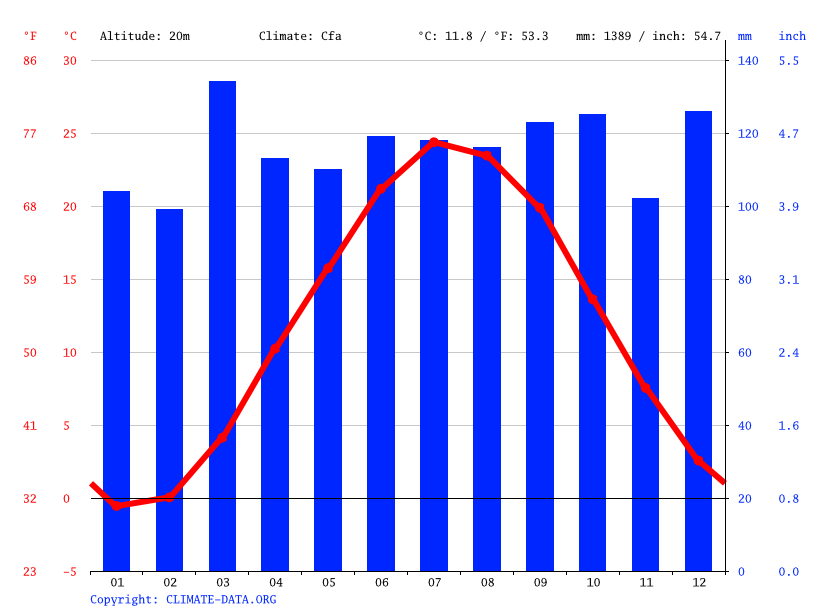
Beyond the seasonal shifts, the temperature of New York exhibits notable regional variations, influenced by proximity to large bodies of water, elevation, and geographical features. Understanding these differences is crucial for planning your travel, especially if you intend to explore beyond the major urban centers.
New York City and Coastal Areas: Milder Winters, Humid Summers
New York City, along with the surrounding coastal regions of Long Island, generally experience a more moderate climate compared to upstate. The Atlantic Ocean and Long Island Sound act as moderating influences. Winters are cold, with average temperatures often in the low 30s Fahrenheit (around 0 degrees Celsius), but significant snowfalls are less frequent and less persistent than in the interior. Summers are warm and humid, with average highs in the mid-80s Fahrenheit (around 29 degrees Celsius), and the proximity to the ocean can sometimes provide a slight cooling breeze.
This relatively milder climate makes New York City a year-round destination, with attractions like the Empire State Building and Times Square accessible and enjoyable in most weather. For those looking for accommodation, a wide range of hotels, from luxury suites at the Plaza Hotel to budget-friendly apartments, are available across the boroughs.
Upstate New York: Extreme Temperatures and Seasonal Purity
Upstate New York, encompassing regions like the Adirondacks, the Catskills, the Mohawk Valley, and the area surrounding the Great Lakes, tends to experience more extreme temperatures. Winters are significantly colder and snowier, with average temperatures often dropping into the teens and single digits Fahrenheit (below -7 degrees Celsius), and heavy snow is common, especially in the higher elevations and western parts of the state due to lake-effect snow from the Great Lakes.
Summers, while warm, often have lower humidity than the coast, offering a more comfortable experience for outdoor activities like hiking and camping. The dramatic temperature swings in upstate New York contribute to its distinct seasonal beauty, from the frozen landscapes of winter to the lush greenery of summer. This region is perfect for those seeking a lifestyle connected to nature, with options for villas and resorts nestled amidst stunning scenery.
-
Impact of Elevation: Higher elevations, such as in the Adirondack Mountains, will always be colder than lower-lying areas, regardless of the season. This is a crucial factor to consider when planning outdoor excursions in these mountainous regions.
-
Lake Effect: The presence of the Great Lakes significantly impacts snowfall in western New York. As cold air masses pass over the warmer lake waters, they pick up moisture, leading to intense snow squalls and accumulation in areas downwind.
Planning Your Visit Based on New York’s Temperature
The temperature of New York is a vital factor that influences every aspect of your travel planning, from the type of clothing you pack to the activities you choose and the accommodation you book.
Packing Essentials for Different Temperatures
Summer: Lightweight, breathable fabrics like cotton and linen are essential. Include shorts, t-shirts, sundresses, and a swimsuit if you plan on visiting beaches or pools. Don’t forget a light jacket or sweater for cooler evenings or air-conditioned interiors. Comfortable sandals and walking shoes are a must.
Autumn: Layers are key. Pack long-sleeved shirts, sweaters, a medium-weight jacket, and comfortable trousers. A waterproof jacket is advisable for unpredictable showers. Closed-toe shoes or boots are ideal for exploring.
Winter: Thermal layers are your best friend. Pack a heavy, insulated, waterproof winter coat, warm hats, gloves, and scarves. Waterproof, insulated boots with good traction are crucial for navigating snow and ice. Consider bringing a fleece or wool sweater as a mid-layer.
Spring: Similar to autumn, layers are essential. Pack a mix of long-sleeved shirts, t-shirts, a light to medium-weight jacket, and perhaps a waterproof outer layer. Comfortable walking shoes are sufficient for most activities.

Choosing the Right Accommodation and Activities
The temperature in New York directly impacts the types of experiences you can enjoy and the accommodation that will best suit your needs.
-
Summer Travel:
- Activities: Beach trips to Coney Island, outdoor concerts, exploring parks like Prospect Park, and visiting amusement parks are popular.
- Accommodation: Prioritize hotels and apartments with air conditioning. Resorts with pools offer a welcome respite from the heat. Many family trips are planned during this season.
-
Autumn Travel:
- Activities: Leaf-peeping tours in the Hudson Valley, visiting apple orchards, exploring charming towns like Saratoga Springs, and attending harvest festivals are ideal.
- Accommodation: Cozy inns and boutique hotels offer a perfect ambiance. Long-term stays in apartments in less crowded areas allow for leisurely exploration of the changing scenery.
-
Winter Travel:
- Activities: Skiing and snowboarding in the Adirondacks or Catskills, ice skating at Bryant Park, visiting museums like the Metropolitan Museum of Art, and enjoying holiday markets are popular.
- Accommodation: Look for warm, comfortable lodgings with fireplaces for a truly cozy winter experience. Budget travel can be more feasible during this off-peak season.
-
Spring Travel:
- Activities: Walking tours of New York City, visiting botanical gardens as they bloom, exploring farmers’ markets, and attending outdoor sporting events are excellent choices.
- Accommodation: A wide range of options are available, from budget-friendly hotels to luxury resorts. Many businesses choose this season for business stays due to milder weather and fewer tourist crowds.
By understanding and planning around the diverse temperatures of New York, travelers can ensure a comfortable, enjoyable, and memorable trip, whether they are seeking adventure, relaxation, or cultural immersion in this dynamic and ever-fascinating state.
LifeOutOfTheBox is a participant in the Amazon Services LLC Associates Program, an affiliate advertising program designed to provide a means for sites to earn advertising fees by advertising and linking to Amazon.com. Amazon, the Amazon logo, AmazonSupply, and the AmazonSupply logo are trademarks of Amazon.com, Inc. or its affiliates. As an Amazon Associate we earn affiliate commissions from qualifying purchases.