
Moving to a new state is an adventure, a chance to embrace a different lifestyle, explore new destinations, and discover fresh attractions. For those considering making Colorado their home, whether for a temporary long-term stay or a permanent relocation, one of the fundamental tasks for a smooth transition is registering your vehicle. Colorado, renowned for its majestic Rocky Mountains, vibrant cities, and unparalleled outdoor experiences, invites residents to explore every corner of its diverse landscape. A properly registered vehicle is not just a legal requirement; it’s your ticket to unlocking the true essence of the Centennial State, from the bustling streets of Denver to the serene trails of Rocky Mountain National Park.
This guide will walk you through the process of registering your car in Colorado, ensuring you’re ready to embark on your next great adventure, whether it’s a ski trip to Vail, a hiking expedition near Boulder, or simply navigating your daily commute in Colorado Springs. We understand that for many, a car is more than just transportation; it’s a vital tool for embracing the outdoor, active lifestyle that Colorado so famously offers.
Establishing Your New Life in Colorado: Why Car Registration Matters
Moving to Colorado often comes with dreams of picturesque drives, spontaneous weekend getaways, and convenient access to the state’s natural wonders. Registering your car is a crucial administrative step that underpins all these aspirations. Without it, you might find yourself limited in your ability to fully immerse yourself in the Colorado lifestyle, from commuting to work to exploring breathtaking landmarks and hidden gems.
The Importance of a Registered Vehicle for Exploration
Imagine waking up in your new Colorado home, perhaps a cozy apartment in Fort Collins or a charming house in Durango, and deciding on a whim to visit a nearby state park or explore a new mountain town. Having your vehicle properly registered ensures that these spontaneous adventures are hassle-free. It allows you to freely traverse the scenic byways and mountain passes, accessing remote hiking trails, world-class ski resorts like Aspen and Breckenridge, and tranquil campsites. For those who relish the freedom of the open road, and the ability to chase sunsets over the western slope or discover quaint towns like Ouray, car registration is not just a bureaucratic formality, but an enabler of the very lifestyle they sought in Colorado.
Moreover, for digital nomads or individuals pursuing a long-term stay, a car becomes an indispensable tool for daily living. Whether it’s grocery shopping, visiting local restaurants that showcase Colorado’s burgeoning culinary scene, or accessing medical facilities, a registered vehicle provides the independence and flexibility essential for settling into any community. It ties into the broader theme of accommodation and tourism, as a personal vehicle often complements the experience of staying in various hotels, resorts, or villas by providing mobility to explore beyond the immediate vicinity.
Navigating Colorado’s Diverse Landscapes and Communities
Colorado’s geography is incredibly varied, from the high plains to the towering peaks. Each region offers a unique flavor and set of attractions. With a registered car, you can seamlessly transition from the urban sophistication of Denver, with its diverse cultural activities and vibrant nightlife, to the academic charm of Boulder, known for its outdoor sports and innovative spirit. You can drive west to Grand Junction, the gateway to the Colorado National Monument, or head south to explore the ancient cliff dwellings of Mesa Verde National Park near Cortez.
The ease of mobility afforded by a registered vehicle directly impacts the quality of your travel and tourism experiences. Imagine booking a stay at a luxurious hotel like the St. Regis Aspen Resort and having the freedom to drive up to Independence Pass for a day of scenic viewing, or perhaps staying at The Broadmoor in Colorado Springs and easily venturing out to explore Pikes Peak or the Garden of the Gods. Without proper registration, even the shortest drives could lead to complications, turning potential pleasure into administrative headache. Therefore, understanding and executing the car registration process efficiently is paramount for anyone looking to truly embrace the Colorado experience.
The Essential Steps to Registering Your Vehicle in Colorado
The process of registering your vehicle in Colorado involves several key steps, designed to ensure all vehicles on the road meet state requirements for safety and environmental standards. While it might seem daunting at first glance, breaking it down makes it straightforward. The primary authority for vehicle registration in Colorado is your local County Motor Vehicle Office, which operates under the direction of the Colorado Department of Revenue, Division of Motor Vehicles.
Gathering Your Documentation: The Pre-Registration Checklist
Before you even step foot into a County Motor Vehicle Office, having all your necessary documents in order will save you significant time and potential frustration. Think of this as preparing for your departure lounge at the airport – having your passport and tickets ready makes the journey much smoother.
Here’s a comprehensive checklist of what you’ll typically need:
- Proof of Ownership:
- Certificate of Title: This is the most crucial document, proving you are the legal owner of the vehicle. If you have a lienholder (a bank or finance company), they may hold the physical title, but you will need to provide their name and address.
- Manufacturer’s Statement of Origin (MSO) or Manufacturer’s Certificate of Origin (MCO): For brand new vehicles, this document serves as proof of ownership before a title has been issued.
- Out-of-State Title: If you’re moving from another state, you’ll need your out-of-state title.
- Proof of Colorado Residency:
- A valid Colorado driver’s license or ID card.
- Lease agreement or utility bill with your Colorado address.
- Proof of employment in Colorado.
- Voter registration card.
- These documents confirm your intention to reside in the state, which is a prerequisite for local registration.
- Proof of Colorado Insurance:
- You must have valid auto insurance coverage from an insurer licensed to do business in Colorado. The policy must meet the state’s minimum liability requirements. Keep your insurance card or declaration page handy.
- Verification of Vehicle Identification Number (VIN) / Emissions Test:
- For vehicles previously registered out-of-state, a VIN inspection is often required. This verifies that the VIN on your vehicle matches your ownership documents. This can sometimes be done at the Motor Vehicle Office or by a certified inspection station.
- Depending on your vehicle’s age, fuel type, and the county you live in, an emissions test might be mandatory. More on this in the next section.
- Secure and Verifiable Identification (SVID):
- You’ll need an SVID, such as a valid Colorado driver’s license, U.S. passport, or military ID. This helps prevent fraud and ensures the vehicle is registered to the correct individual.
- Odometer Reading:
- You will need to provide an accurate current odometer reading of your vehicle.
Having these documents organized and readily accessible will significantly streamline your visit, allowing you more time to explore Colorado’s boutique hotels or plan your next mountain escape.
Emissions Testing in Colorado: What You Need to Know
Colorado is deeply committed to preserving its pristine environment, and vehicle emissions testing plays a crucial role in maintaining air quality, particularly in more densely populated areas and along the Front Range. The emissions program is managed by Air Care Colorado.
- Who Needs a Test? Generally, gasoline-powered vehicles model year 1982 and newer, and diesel-powered vehicles model year 2007 and newer, registered in specific Front Range counties (e.g., Adams, Arapahoe, Boulder, Denver, Douglas, Jefferson, and parts of Larimer and Weld Counties) require emissions testing. Some exemptions apply for very new or very old vehicles.
- When to Test? New residents usually need to get an emissions test before registering their vehicle. After initial registration, testing is typically required every one or two years, depending on the vehicle’s model year and fuel type.
- Where to Test? Air Care Colorado operates numerous testing stations throughout the regulated areas. You can find locations and hours on their website. The process is usually quick and efficient, often taking less than 15-20 minutes.
- What if I Fail? If your vehicle fails the emissions test, you’ll be given a report detailing the reasons. You’ll need to have the necessary repairs made and then retest the vehicle. There may be waivers available for repair costs if you meet certain criteria.
Ensuring your vehicle meets Colorado’s environmental standards is a small but significant contribution to preserving the beautiful natural landscapes that attract so many to live and visit here, enhancing everyone’s overall travel and tourism experience.

Visiting the County Motor Vehicle Office
With all your documents in hand and emissions test (if required) complete, your final step is a visit to your local County Motor Vehicle Office. While wait times can vary, being prepared will make the process as swift as possible.
- Find Your Office: Colorado vehicle registration is handled at the county level. So, if you live in Lakewood, you’d go to a Jefferson County office. If you’re in Aurora, it could be Arapahoe, Adams, or Douglas County depending on your specific address. Check the Colorado DMV website for the exact location of the office closest to you.
- Present Your Documents: A clerk will review all your gathered documents, including your title, proof of insurance, SVID, and emissions certificate.
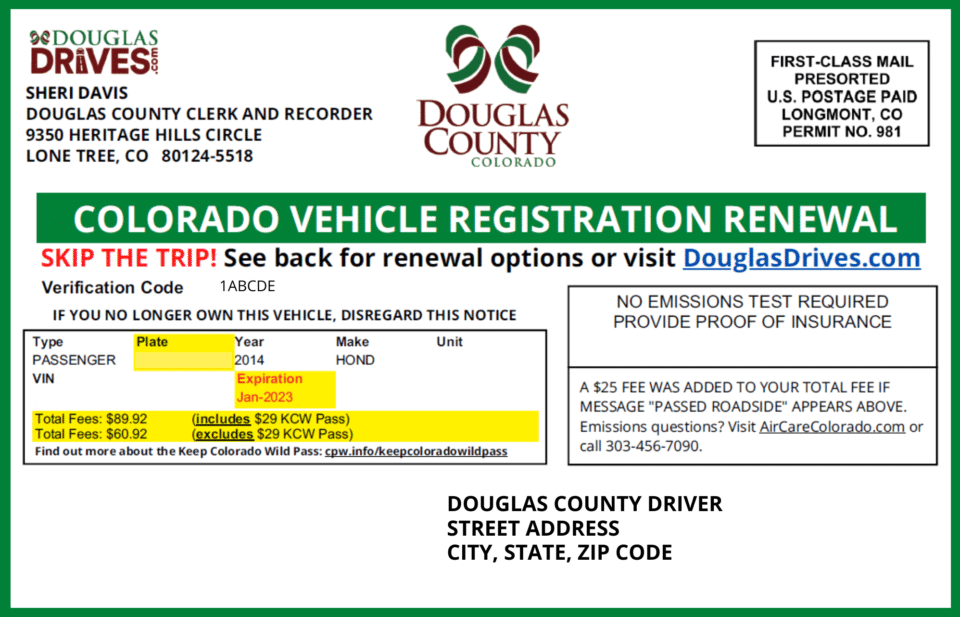
- Pay Fees: You will pay the applicable registration fees, which vary based on vehicle type, weight, age, and county-specific taxes. Payment methods typically include cash, check, and credit/debit cards.
- Receive Plates and Registration: Once everything is processed, you will be issued new Colorado license plates and a registration card. You must affix your new plates to your vehicle immediately.
Some counties may offer online services for renewals or for certain types of registrations, but initial out-of-state registrations almost always require an in-person visit. Consider making an appointment if your county offers the option to reduce your wait time, leaving you more time to explore nearby attractions or enjoy a meal at a local eatery.
Understanding Fees and Timelines
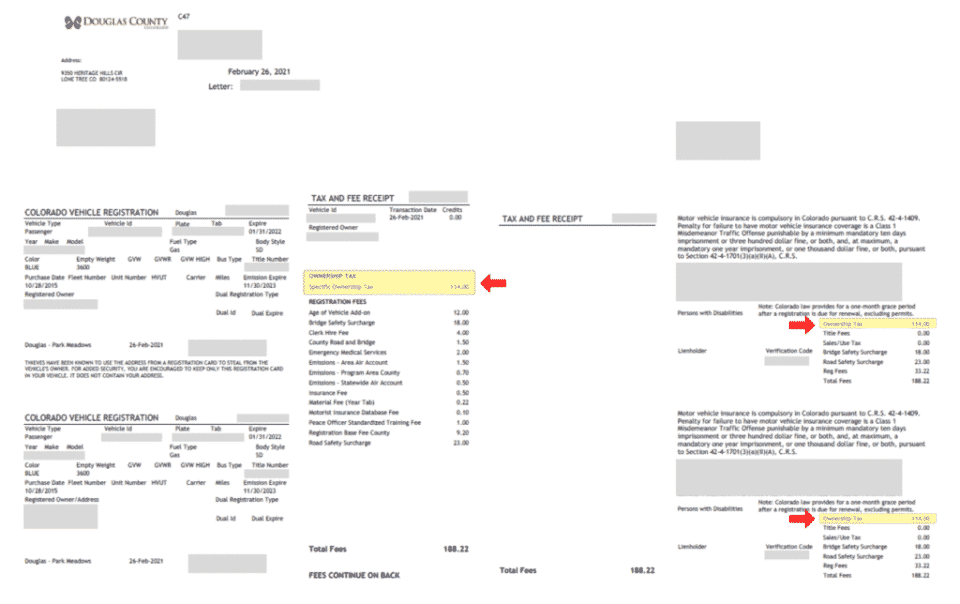
Understanding the financial aspect and deadlines for car registration is crucial for planning your move and ensuring compliance. Colorado fees are typically composed of state registration fees, county taxes, and specific ownership taxes, all of which contribute to funding roads, bridges, and other state services.
Breakdown of Registration Fees
The total cost of registering your vehicle in Colorado is not a fixed amount but a combination of several factors:
- Ownership Tax: This is the largest component and is based on the vehicle’s original manufacturer’s suggested retail price (MSRP) and its age. Older vehicles generally have lower ownership taxes. This tax decreases annually.
- Specific Ownership Tax (SOT): This is a specific tax for Colorado vehicles, calculated based on the taxable value and age of your vehicle.
- License Plate Fees: A standard fee for the physical license plates. Specialty plates (e.g., environmental, organizational, military) come with additional costs.
- Road and Bridge Fee: A fee contributing to the maintenance of Colorado’s infrastructure.
- Air Care Fees: If you’re in an emissions-controlled area, a small fee for the emissions program will be added.
- County and Municipality Fees: Some counties or cities may impose small additional fees.
- Electric Vehicle (EV) Surcharge: Colorado has a surcharge for electric vehicles to help offset the fuel taxes traditional vehicles pay for road maintenance.
It’s advisable to visit the Colorado Department of Revenue’s DMV website or your specific county motor vehicle website for an estimated fee calculator. This way, you can budget effectively, allowing you to allocate funds for exploring Colorado’s luxury resorts or sampling the craft breweries in Golden.
Navigating Deadlines for New Residents
For new residents moving to Colorado, there’s a specific window of time within which you must register your vehicle to avoid penalties.
- 90-Day Rule: You have 90 days from the date you establish Colorado residency to register your out-of-state vehicle. Establishing residency typically means you’ve moved your primary dwelling to Colorado, obtained a Colorado driver’s license, or begun working in the state.
- Penalties: Failing to register within this 90-day window can result in fines and potentially other legal issues. It’s always best to complete the process as soon as possible after your move.
- Proactive Planning: If you’re planning a move, it’s beneficial to research the process and gather documents even before you arrive in Colorado. This proactive approach ensures a smoother transition and frees you up to enjoy your new surroundings, perhaps by booking a stay at the Grand Hyatt Vail or exploring the historic charm of Leadville.
Beyond Registration: Exploring Colorado with Your New Wheels
With your car successfully registered, the real adventure begins. Colorado is a state built for exploration, offering a myriad of experiences for every type of traveler or new resident. Your newly registered vehicle is your key to unlocking these opportunities, transforming abstract plans into concrete memories.
Road Trips and Scenic Drives
Colorado’s extensive network of scenic byways and well-maintained highways makes it an ideal destination for road trips. From the moment you receive your Colorado license plates, you’re empowered to discover:
- Mountain Towns: Drive to iconic mountain towns like Telluride, Steamboat Springs, Gunnison, or Frisco. Each offers unique character, from world-class skiing and resorts to charming Main Streets and local breweries.
- National Parks: Beyond Rocky Mountain National Park, your car can take you to the surreal landscapes of Great Sand Dunes National Park and Preserve or the dramatic canyons of Black Canyon of the Gunnison National Park.
- Hot Springs: Chase relaxation at various hot springs resorts in places like Glenwood Springs or Pagosa Springs, accessible by car.
- Historic Sites: Delve into Colorado’s rich mining history in towns like Georgetown or Silverton, or explore the ancient cultures represented at Mesa Verde.
These drives are not just about getting from point A to point B; they are an integral part of the Colorado experience, offering breathtaking vistas, opportunities for spontaneous stops, and deeper connections with the state’s natural beauty. Many choose Colorado specifically for the freedom to explore such landmarks and natural wonders at their own pace, a freedom directly enabled by a registered vehicle.
Car Registration as a Gateway to Adventure and Lifestyle
Ultimately, registering your car in Colorado is more than just fulfilling a legal obligation. It’s an investment in your personal freedom and your ability to fully embrace the vibrant and active lifestyle that defines the state. Whether you’re a nature enthusiast, a ski bum, an urban explorer, or someone seeking a peaceful life amidst stunning scenery, your registered car will be your trusted companion.
It allows you to commute to your job in Denver, pick up groceries in Pueblo, visit friends in Longmont, or embark on a multi-day camping trip to Estes Park. It gives you the flexibility to choose your accommodation based on your preferences, whether it’s a luxury hotel in a bustling city or a secluded villa near a national forest, knowing you can easily reach either.
So, as you plan your move or settle into your new Colorado home, prioritize vehicle registration. It’s a fundamental step that paves the way for countless adventures, unforgettable travel experiences, and a truly fulfilling Colorado lifestyle. The mountains are calling, and your registered car is ready to answer.
LifeOutOfTheBox is a participant in the Amazon Services LLC Associates Program, an affiliate advertising program designed to provide a means for sites to earn advertising fees by advertising and linking to Amazon.com. Amazon, the Amazon logo, AmazonSupply, and the AmazonSupply logo are trademarks of Amazon.com, Inc. or its affiliates. As an Amazon Associate we earn affiliate commissions from qualifying purchases.