
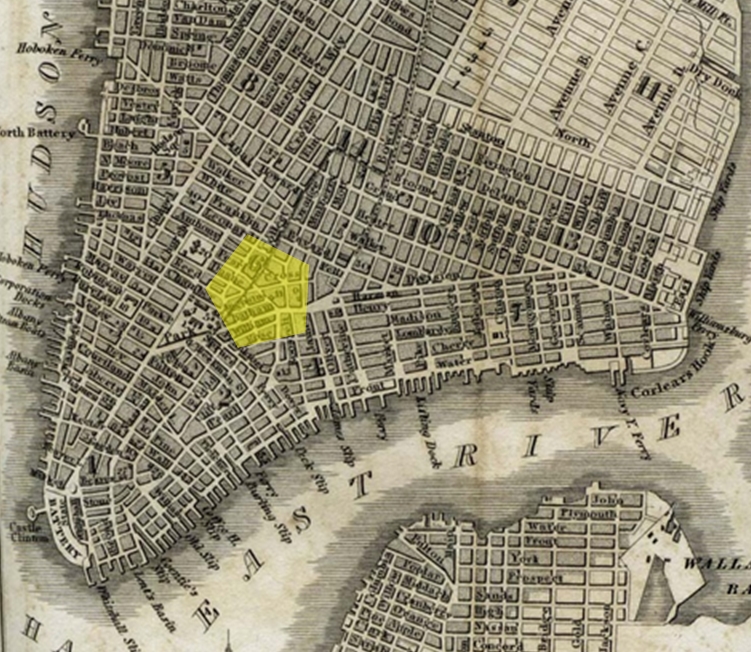
The echoes of a vibrant, tumultuous past reverberate through the bustling streets of modern-day New York City. Among its most storied and often misunderstood locales is the infamous Five Points, a name that conjures images of immigrant hardship, gangland notoriety, and ultimately, the crucible from which much of New York‘s enduring spirit was forged. But in the 21st century, the Five Points of legend is not a single, easily identifiable district. Instead, its legacy is woven into the fabric of several contemporary neighborhoods, primarily in Lower Manhattan, specifically around the vibrant and ever-evolving Chinatown and the historical heart of Little Italy.
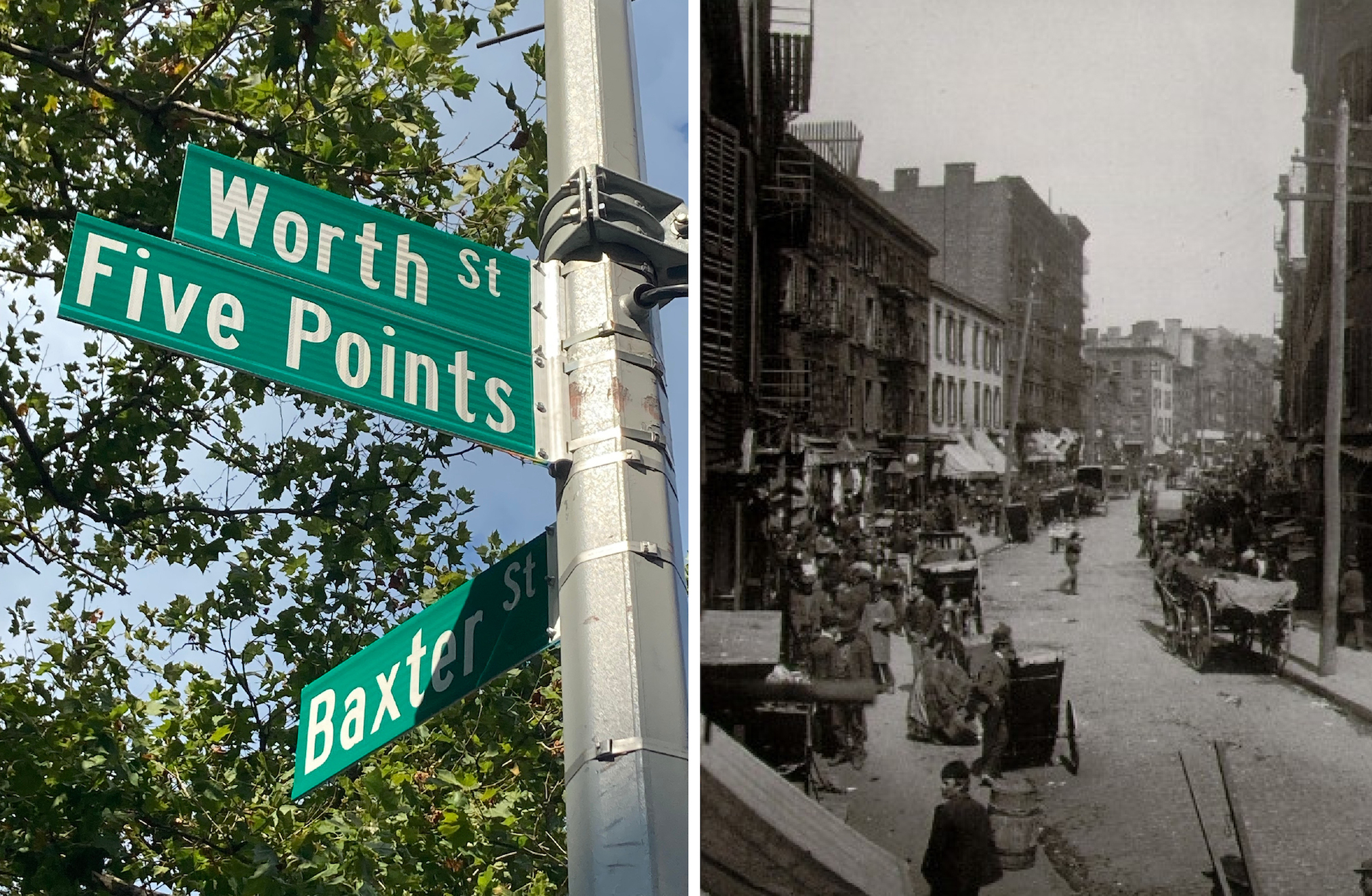
To pinpoint “The Five Points” today requires a journey not just through geography, but through history. This was once a district characterized by its dense population, its poverty, and its reputation as a haven for crime and vice. It was a place where newly arrived immigrants, predominantly from Ireland and Germany in the early to mid-19th century, struggled to find their footing in a new land, often finding themselves crammed into squalid tenements and facing prejudice. The name itself refers to the five streets that converged at a peculiar intersection: Anthony Street (now Worth Street), Cross Street (now Mosco Street), Orange Street (now Baxter Street), Little Water Street, and Mulberry Street. This intersection, famously marked by a five-pointed star when viewed from above, became the nucleus of a neighborhood that would shape New York‘s identity.
Understanding the contemporary location of Five Points involves recognizing how urban development, gentrification, and the relentless dynamism of New York City have reshaped its physical landscape. While the exact street layout has been altered, the spirit and the historical footprint of Five Points can be traced to the area now occupied by bustling markets, popular tourist destinations, and a rich tapestry of cultures.
Tracing the Historical Footprint of Five Points
The Five Points district emerged in the early 19th century, born from the intersection of several streets and a burgeoning immigrant population. This area, once marshland, was drained and developed, quickly becoming a magnet for those seeking a new life in America. The initial influx of Irish immigrants, fleeing famine and poverty, found themselves drawn to the affordable, albeit overcrowded, housing in Five Points. They were soon joined by a significant German population, as well as other immigrant groups. This created a densely populated, culturally rich, yet often impoverished community.
The Genesis of a Notorious Neighborhood
The unique convergence of streets – Anthony Street, Cross Street, Orange Street, Little Water Street, and Mulberry Street – gave the district its distinctive name. This intersection was not just a geographical anomaly; it became a focal point for the community, a place where lives intersected, both for better and for worse. The area’s proximity to the docks and its relatively cheap rents made it an accessible entry point for immigrants. However, the rapid and unplanned development led to severe overcrowding, poor sanitation, and the proliferation of disease.
The reality of Five Points was a far cry from the romanticized notions of the “melting pot.” It was a place of immense struggle, where survival was a daily battle for many. The tenements were often in disrepair, lacking basic amenities, and housing multiple families in single rooms. This environment, coupled with societal neglect and discrimination, contributed to the rise of crime and the notorious reputation that Five Points would come to acquire. Gangs like the Dead Rabbits and the Bowery Boys became synonymous with the district, their turf wars and criminal activities further cementing its image in the public consciousness.
The Legacy of Immigration and Hardship
Despite its hardships, Five Points was also a testament to resilience and the enduring human spirit. It was a place where immigrants, against all odds, built communities, preserved their cultures, and laid the groundwork for future generations. Churches, social organizations, and nascent businesses began to emerge, providing vital support networks. The very struggles faced in Five Points fueled a drive for self-improvement and assimilation, contributing to the broader narrative of the American Dream. The stories of individuals who rose from the depths of Five Points to achieve success are a testament to the strength and determination of its inhabitants.

The neighborhood’s infamy also attracted the attention of social reformers, most notably Jacob Riis, whose groundbreaking photography in “How the Other Half Lives” exposed the harsh realities of tenement life, bringing the plight of Five Points residents to the forefront of public discourse and eventually spurring much-needed reform efforts.
Locating Five Points in Modern-Day New York
While the specific street names and the physical layout of the 19th-century Five Points have been significantly altered by urban planning and development, its historical core can still be identified within the vibrant neighborhoods of Lower Manhattan. The area has undergone dramatic transformations, evolving from a notorious slum into bustling commercial and residential districts, each with its own unique character and attractions.
The Contemporary Landscape of Five Points
The most direct descendants of the Five Points district are found in the areas encompassing present-day Chinatown and the northern reaches of Little Italy. Mulberry Street, one of the original five converging streets, still exists and is a central artery of Little Italy, bustling with restaurants and shops. Baxter Street, another of the original five, now runs through the heart of Chinatown, a vibrant and vital thoroughfare. Worth Street (formerly Anthony Street) is a major street that borders the area, leading to federal courthouses and parks.
The transformation of Five Points is a story of urban renewal and the ebb and flow of immigrant communities. As Irish and German populations moved out, other immigrant groups moved in, most notably the Italian community in the late 19th and early 20th centuries, who largely revitalized and reshaped the area, making it the iconic Little Italy we recognize today. Subsequently, the growth of Chinatown has seen it expand significantly, absorbing much of the historical Five Points footprint.
The sheer density of development means that the Five Points of old is not preserved as a singular historical site. Instead, its presence is felt in the street layout, the historical narratives, and the enduring spirit of resilience and cultural fusion that defines these neighborhoods. Exploring this area today offers a fascinating glimpse into New York‘s layered past, where the ghosts of Five Points mingle with the vibrant present.
Exploring the Echoes of History Today
Visiting the modern-day sites associated with Five Points is a rich travel experience. Chinatown offers an immersive dive into Chinese culture, with its bustling markets, authentic eateries, and vibrant street life. Visitors can sample dim sum, browse for unique goods, and soak in the energetic atmosphere. Nearby, Little Italy, though smaller than its historical peak, still retains its charm with its trattorias, cafes, and the vibrant celebration of Italian heritage, particularly along Mulberry Street.
Beyond these iconic neighborhoods, the historical influence of Five Points extends to areas now occupied by institutions like the New York City Courthouse and Columbus Park, which itself was built over former tenement sites. These modern structures stand on land that once housed the crowded dwellings and lively streets of the Five Points era. For those interested in delving deeper, historical markers and plaques can sometimes be found, offering brief insights into the area’s past.
The very essence of Five Points – its role as a crucible for immigrant life and a testament to urban transformation – continues to be a compelling draw for visitors. It is a reminder that New York City is a city built on layers of history, where the past is never truly erased but rather integrated into the dynamic present. This exploration offers a unique perspective on New York’s landmarks, history, and the enduring lifestyle of its diverse communities. It’s a journey that speaks to the heart of tourism in New York, revealing how historical narratives shape contemporary urban landscapes and the unforgettable experiences they offer. Whether you’re seeking delicious food, fascinating attractions, or a deeper understanding of local culture, the echoes of Five Points provide a compelling backdrop.
LifeOutOfTheBox is a participant in the Amazon Services LLC Associates Program, an affiliate advertising program designed to provide a means for sites to earn advertising fees by advertising and linking to Amazon.com. Amazon, the Amazon logo, AmazonSupply, and the AmazonSupply logo are trademarks of Amazon.com, Inc. or its affiliates. As an Amazon Associate we earn affiliate commissions from qualifying purchases.