
Colorado, a state renowned for its majestic mountains, pristine wilderness, and vibrant outdoor culture, is also home to a diverse array of wildlife, with bears being among its most iconic residents. For travelers and nature enthusiasts planning an adventure to the Centennial State, understanding the natural cycles of these magnificent creatures, particularly their hibernation patterns, is not just fascinating—it’s essential for both safety and enriching your travel experience. When do bears retreat to their dens, and when do they emerge, ready to explore the vast landscapes? This comprehensive guide will delve into the hibernation habits of Colorado’s bears, offering insights crucial for planning your visit and ensuring a harmonious coexistence with the state’s wild inhabitants.
Understanding Bear Hibernation: The Colorado Context
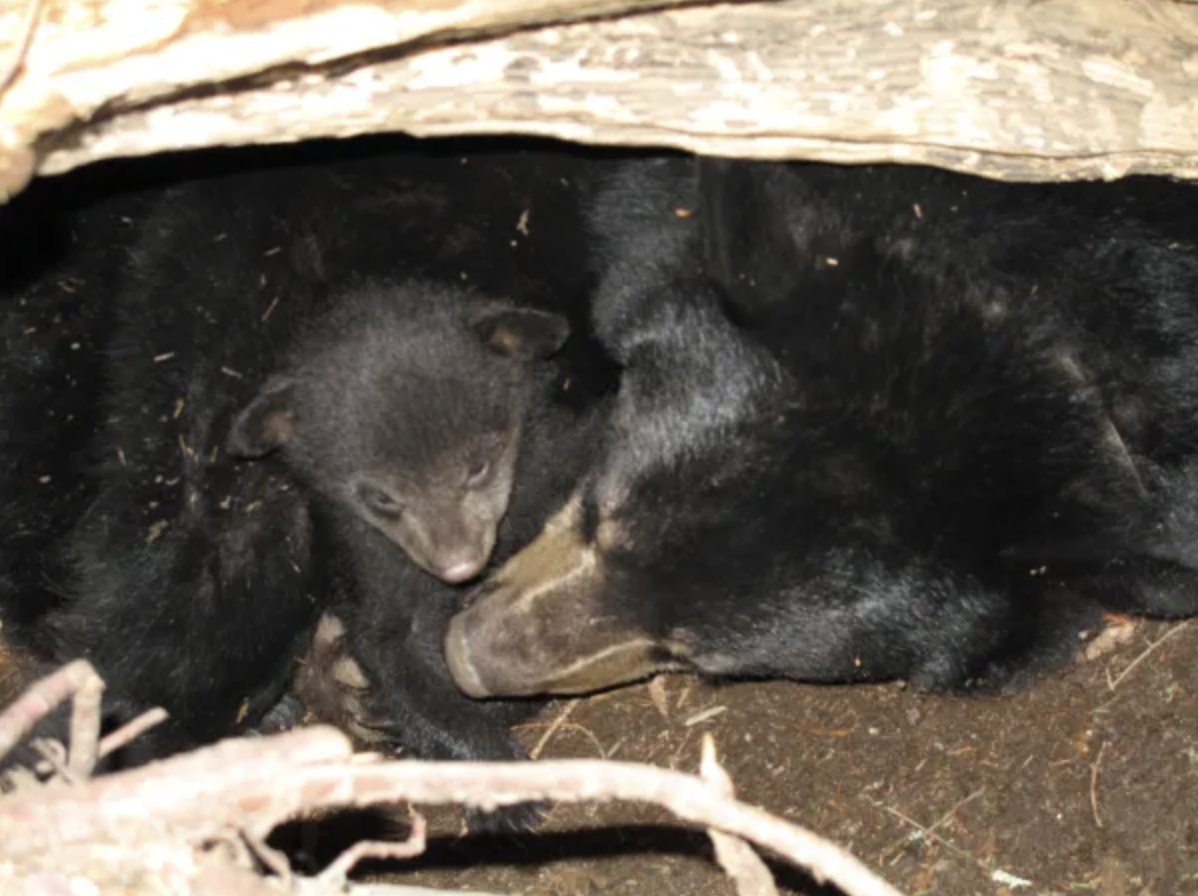
Bear hibernation is one of nature’s most remarkable adaptations, a profound physiological change that allows these animals to survive periods of scarcity and extreme cold. While many people associate hibernation with a deep, unbroken sleep, it’s a far more complex and dynamic process for bears, particularly in the varied environments of Colorado.
The Rhythms of Nature: When Hibernation Begins and Ends
The precise timing of bear hibernation in Colorado is not set in stone; it’s a flexible response to a combination of environmental cues, primarily food availability and temperature. Generally, black bears, the predominant bear species in Colorado, begin to enter their dens in late fall, typically from mid-November to early December. This period marks the onset of colder weather and a significant reduction in natural food sources, prompting bears to seek shelter.
However, several factors can influence this timeline:
- Food Availability: A bountiful fall harvest of berries, acorns, and other natural foods can delay the start of hibernation, as bears continue to forage and build up their fat reserves. Conversely, a poor food year might lead to earlier denning.
- Temperature: Sustained cold temperatures and significant snowfall are strong motivators for bears to enter hibernation. A mild autumn can keep bears active for longer.
- Elevation: Bears living at higher elevations, such as in the Rocky Mountain National Park or the San Juan Mountains, often begin to hibernate earlier than those in lower-lying areas, where winter conditions typically arrive sooner and are more severe.
- Gender and Reproductive Status: Pregnant females are often among the first to den, ensuring a safe, secluded environment for giving birth in mid-winter. Males and non-breeding females may stay out longer if food is available.
The emergence from hibernation is equally variable, typically occurring in mid-March to late April. As the snow melts, temperatures rise, and early spring vegetation begins to sprout, bears are roused from their slumber. Males often emerge first, followed by females without cubs, and finally mothers with their new offspring, who usually stay in the den for an extra few weeks to allow their young to grow stronger. This post-hibernation period, often referred to as “spring emergence,” is when bears are particularly hungry and focused on finding food, making them more active and visible.
Why Bears Hibernate: A Survival Strategy
Bear hibernation is not just a deep sleep; it’s a state of metabolic depression known as torpor. During this period, a bear’s physiological processes slow dramatically to conserve energy. Their heart rate can drop from 40-50 beats per minute to as low as 8-10 beats per minute, body temperature decreases by several degrees (though not as low as true hibernators like rodents), and their breathing rate slows considerably.
This incredible adaptation allows bears to:
- Conserve Energy: By significantly reducing their metabolic rate, bears can survive for months without eating or drinking, relying entirely on the fat reserves accumulated during the active feeding months of summer and fall.
- Avoid Food Scarcity: Winter in Colorado brings harsh conditions and a severe scarcity of the berries, nuts, insects, and other food items that make up the bulk of a black bear’s diet. Hibernation is a strategy to bypass this difficult period.
- Escape Harsh Weather: Denning provides shelter from frigid temperatures, snowstorms, and strong winds that characterize the Colorado winter.
- Reproduce Safely: Pregnant female bears give birth in the safety and warmth of their dens, typically in January or February. The cubs are born tiny and vulnerable, relying on their mother’s body heat and milk during these crucial early weeks, sheltered from the elements and predators.
Understanding these natural rhythms is vital for anyone traveling to or living in bear country, as it helps predict bear activity and fosters responsible interactions.
Bear Species in Colorado and Their Habits
When discussing bears in Colorado, it’s important to differentiate between the species that currently roam the state and those that historically did. This distinction is key to understanding their behavior and distribution.
Black Bears: Colorado’s Resident Ursids
The vast majority, if not all, of the bears you will encounter in Colorado are American black bears (Ursus americanus). Despite their name, black bears come in a surprising array of colors, from jet black to various shades of brown, cinnamon, and even blonde. In Colorado, cinnamon and blonde-colored black bears are quite common, leading some visitors to mistakenly identify them as grizzly bears.
Black bears are omnivores, meaning their diet is incredibly diverse and opportunistic. While they are capable predators, an estimated 85-90% of their diet consists of vegetation, including berries (chokecherries, serviceberries, raspberries), acorns, nuts, grasses, and forbs. They also consume insects (ants, grubs), fish, carrion, and occasionally small mammals or deer fawns. Their adaptability in diet is a significant factor in their widespread presence across Colorado’s diverse ecosystems, from high mountain forests to shrublands and even the fringes of urban areas like Boulder and Colorado Springs.
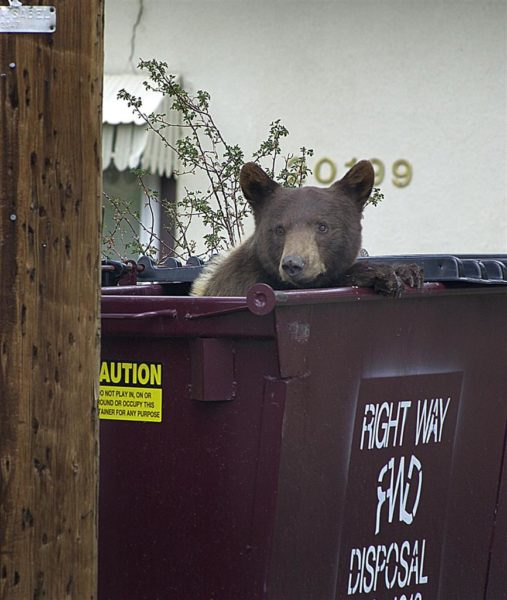
Their behavior is generally timid around humans, though they are intelligent and curious animals driven by their powerful sense of smell to find food. This curiosity, particularly in developed areas, can unfortunately lead to conflicts if bears become habituated to human food sources, such as garbage, pet food, or unsecured camp provisions. Colorado Parks and Wildlife consistently advocates for “bear-proofing” your home and campsite to prevent these conflicts, which often have tragic outcomes for the bears involved.
Grizzlies: A Vanished Presence
While Colorado is historically part of the grizzly bear’s (a subspecies of brown bear, Ursus arctos horribilis) native range in the western United States, these formidable animals are considered extirpated from the state. The last confirmed grizzly sighting in Colorado was in 1979 in the San Juan Mountains, where a female grizzly was killed in self-defense by a hunter. Since then, despite occasional rumors or unconfirmed sightings, there has been no verifiable evidence of a breeding grizzly population in Colorado.
Grizzlies are generally larger and more aggressive than black bears, known for their prominent shoulder hump (a muscle mass used for digging), longer claws, and a dished-in facial profile. The primary reason for their disappearance in Colorado and much of the lower 48 states was habitat loss, human persecution, and hunting during the 19th and early 20th centuries. While there are ongoing discussions and scientific analyses regarding the potential for grizzly reintroduction in certain remote areas, it remains a complex and controversial topic.
Therefore, any bear you encounter in Colorado should be treated with respect and caution, assuming it is a black bear. The focus of this article, and the practical advice within, pertains exclusively to the behavior and management of Colorado’s thriving black bear population.
Planning Your Colorado Adventure Around Bear Activity
Understanding bear activity cycles is paramount for anyone planning a trip to Colorado, whether your goal is wildlife viewing, hiking, camping, or simply enjoying the state’s natural beauty. Your safety and the well-being of the bears depend on informed decision-making.
Seasonal Travel: What to Expect in Bear Country
Each season in Colorado offers a different experience with regard to bear activity:
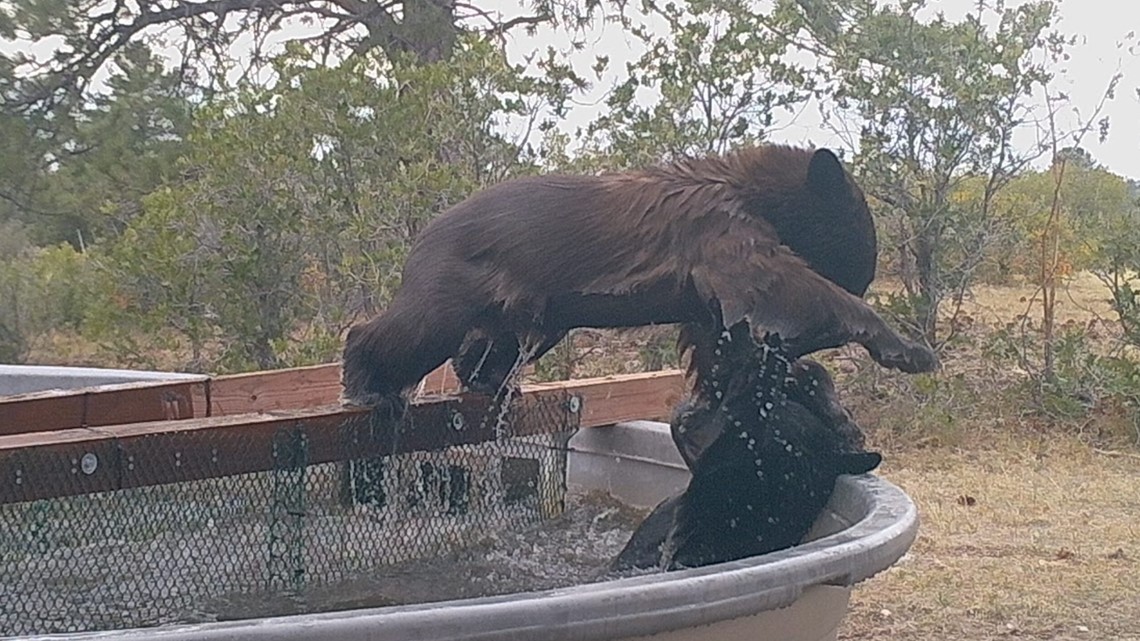
- Spring (March – May): This is when bears emerge from hibernation, driven by intense hunger. They are often less cautious and actively seeking food, making them more visible. Early spring foraging occurs in lower elevations where snow has melted and new vegetation appears. Travelers hiking or camping during this time should be extra vigilant, particularly in areas known for bear activity. Popular spring destinations like Glenwood Springs or areas around Boulder where bears descend from the foothills can see increased activity.
- Summer (June – August): Bear activity is at its peak. Cubs born in the den are now actively following their mothers, learning to forage. Bears are generally focused on consuming as much food as possible to build fat reserves for the coming winter. This is the busiest time for tourism in Colorado, with destinations like Rocky Mountain National Park, Aspen, Vail, and Breckenridge bustling with hikers and campers. Bear sightings are common, especially at dawn and dusk.
- Fall (September – November): This period is often referred to as “hyperphagia,” meaning bears are in an intensified feeding frenzy. They are working to consume up to 20,000 calories a day to prepare for hibernation. Bears are highly active, sometimes venturing into areas closer to human habitation in search of ripe berries, acorns, and other food sources. This can lead to increased human-bear encounters. Late fall sees bears moving towards their dens. The vibrant autumn foliage in places like Telluride and Durango attracts many tourists, who must remain bear-aware.
- Winter (December – February): With most bears in hibernation, direct encounters are extremely rare. This is generally the safest time to visit Colorado if bear avoidance is a primary concern. Winter sports enthusiasts in ski resorts like Steamboat Springs or Keystone typically don’t need to worry about bear encounters. However, a small percentage of bears, particularly males in areas with abundant human food sources, may remain active throughout mild winters, though this is uncommon.
Essential Safety Tips for Visitors
Regardless of the season, if you are in bear country, it’s crucial to be “bear aware.” Following these safety tips will significantly reduce the risk of human-bear conflicts:
- Secure Food and Garbage: This is the golden rule. Never leave food, trash, or anything with a scent unattended, especially at campsites or in unlocked vehicles. Use bear-resistant containers, food lockers, or hang food from a tree using a bear bag system. At hotels or cabins in bear-prone areas, always use designated trash receptacles.
- Carry Bear Spray: Learn how to use it effectively and carry it in an accessible location, not in your backpack. Bear spray is a deterrent that can stop an aggressive or charging bear.
- Make Noise While Hiking: Announce your presence by talking, clapping, or singing, especially in dense vegetation or on blind corners. This helps prevent surprising a bear, which is often the cause of defensive attacks.
- Hike in Groups: Studies show that people hiking in groups are less likely to have negative bear encounters.
- Keep Dogs on a Leash: Unleashed dogs can provoke a bear or lead a bear back to you.
- Never Approach or Feed Bears: This habituates them to humans, making them more likely to seek out human food sources and increasing the risk of conflicts. Maintain a safe distance (at least 100 yards).
- What to Do During an Encounter:
- If you see a bear at a distance: Enjoy from afar. Do not approach.
- If a bear approaches you: Make yourself look large, make noise, and slowly back away. If the bear follows, stand your ground and use bear spray if it gets too close.
- If a bear attacks: If it’s a defensive attack (the bear perceives you as a threat to its cubs or food), play dead by lying on your stomach, covering your neck with your hands. If it’s a predatory attack (rare, but indicates the bear sees you as prey), fight back with everything you have.
By adhering to these guidelines, visitors can minimize their impact on wildlife and ensure a safe and memorable experience in Colorado’s stunning natural environments.
Where to Encounter (or Avoid) Bears in Colorado
Colorado’s vast wilderness provides ample habitat for black bears, meaning they can be found in nearly every mountainous and forested region of the state. Knowing where they are most prevalent can help you plan your itinerary, whether you’re hoping for a glimpse of wildlife or prefer to keep a respectful distance.
Top Destinations for Wildlife Viewing
If seeing a bear in its natural habitat is on your Colorado bucket list, certain areas offer higher chances, particularly during their active seasons (spring, summer, fall). However, remember that wildlife sightings are never guaranteed and require patience and luck.
- Rocky Mountain National Park: One of the most popular national parks in the United States, RMNP is prime bear habitat. While black bears are present throughout the park, sightings are more common in the lower elevation forests and along trails with berry bushes. Early morning and late evening are the best times.
- San Juan Mountains: This rugged, remote mountain range in southwestern Colorado offers expansive wilderness for bears. Towns like Ouray, Telluride, and Durango are gateways to incredible hiking and camping, where bear encounters are a possibility.
- Great Sand Dunes National Park and Preserve: While famous for its towering dunes, the adjacent preserve and surrounding Sangre de Cristo Mountains provide habitat for bears. Bear-proofing your campsite is crucial here.
- Aspen, Vail, Breckenridge, and other Mountain Towns: While these are renowned ski resorts and summer playgrounds, they are nestled deep within bear country. Bears frequently venture into town, especially in late summer and fall, drawn by unsecured trash, fruit trees, and pet food. This highlights the importance of local bear-aware practices.
- Pikes Peak and the Colorado Springs area: The foothills and mountains surrounding Colorado Springs, including areas near Pikes Peak and Garden of the Gods, are also home to black bears.
Accommodation Choices in Bear Country
When choosing accommodation in bear country, especially outside of major metropolitan areas like Denver or Grand Junction, it’s wise to consider bear safety features.
- Hotels and Resorts: Most hotels and resorts in mountain towns, such as those in Aspen, Vail, or Steamboat Springs, have robust waste management systems designed to be bear-resistant. Staying in these establishments generally minimizes the risk of direct bear encounters, though you should still be cautious about leaving food in your car or on balconies.
- Cabins and Vacation Rentals: If booking a private cabin or villa, particularly in more secluded or forested areas, inquire about bear-resistant features. Look for properties that emphasize:
- Bear-proof trash cans: Metal bins with locking mechanisms are ideal.
- Secured windows and doors: Especially on the ground floor.
- Clear guidelines for food storage: Many owners will provide instructions on how to store food indoors and what to do with garbage.
- Outdoor amenities: If the property has outdoor grills, hot tubs, or fire pits, ensure they are cleaned thoroughly after use to remove any enticing food odors.
- Camping and RV Parks: These are the areas where you are most likely to encounter bears, making bear safety paramount. Always choose campgrounds that offer bear-resistant food lockers or have rules about food storage. Follow all campground regulations meticulously, including using designated food preparation areas and properly storing all scented items (not just food) inside bear-proof containers or your hard-sided vehicle. Many national parks and forest campgrounds in Colorado strictly enforce bear-aware policies.
By selecting appropriate accommodation and following local guidelines, visitors can enjoy Colorado’s beauty responsibly, minimizing the potential for human-bear interactions.
Responsible Tourism and Coexisting with Colorado’s Wildlife
Visiting Colorado offers an unparalleled opportunity to connect with nature and witness its wonders firsthand. As stewards of these magnificent landscapes, it’s our collective responsibility as tourists and residents to ensure that our presence does not negatively impact the delicate balance of the ecosystem, especially when it comes to wildlife like bears.
Minimizing Human-Bear Conflicts
The fundamental principle of responsible tourism in bear country is simple: do not provide bears with human food sources, directly or indirectly. Bears are incredibly intelligent and opportunistic. If they learn that human areas offer easy meals, they will repeatedly return, often losing their natural fear of people. This habituation is almost always detrimental to the bear, as “nuisance bears” that pose a perceived threat to human safety are often euthanized.
To minimize these conflicts:
- “A Fed Bear is a Dead Bear”: This common saying from Colorado Parks and Wildlife underscores the severity of feeding bears. Never intentionally offer food to a bear, and take all precautions to prevent accidental feeding.
- Practice Leave No Trace Principles: Pack out everything you pack in. This includes all food scraps, wrappers, and garbage. Leave campsites and trails cleaner than you found them.
- Understand Bear Behavior: Learn to recognize signs of bear presence (scat, tracks, overturned rocks) and give these areas a wide berth. If you encounter a bear, remain calm, back away slowly, and never run. Running can trigger a chase response.
- Educate Yourself and Others: Share bear safety information with your travel companions, especially children, to ensure everyone understands the importance of responsible behavior.
By consistently applying these practices, we contribute to the longevity of Colorado’s bear population and preserve the wild character of its natural areas.
Supporting Conservation Efforts
Beyond individual actions, responsible tourism also involves supporting the broader efforts to conserve Colorado’s wildlife and natural habitats.
- Support National Parks and Forests: Your entrance fees and purchases at gift shops directly contribute to the management, protection, and education programs within areas like Rocky Mountain National Park and the various National Forests.
- Donate to Wildlife Organizations: Consider donating to local or national non-profits dedicated to bear research, habitat preservation, and human-wildlife conflict resolution. Organizations like the Colorado Parks and Wildlife or the National Wildlife Federation play crucial roles.
- Engage in Eco-Tourism: Choose tour operators and accommodation providers that prioritize sustainable practices and demonstrate a commitment to environmental protection. Many resorts and lodges in Colorado are actively involved in conservation initiatives and offer guided wildlife viewing tours that emphasize ethical viewing.
- Report Sightings and Conflicts: If you witness a bear exhibiting unusual behavior, or observe a human-bear conflict, report it to Colorado Parks and Wildlife immediately. Your timely information can help wildlife managers intervene appropriately.
Ultimately, understanding when bears hibernate in Colorado is more than just a piece of trivia; it’s a foundational element of responsible travel planning. It allows visitors to align their lifestyle choices with the natural world, fostering respectful encounters, ensuring personal safety, and contributing to the continued flourishing of Colorado’s iconic black bear population. By being informed, prepared, and mindful, your adventure in the Centennial State can be an unforgettable testament to the beauty of coexisting with nature.
LifeOutOfTheBox is a participant in the Amazon Services LLC Associates Program, an affiliate advertising program designed to provide a means for sites to earn advertising fees by advertising and linking to Amazon.com. Amazon, the Amazon logo, AmazonSupply, and the AmazonSupply logo are trademarks of Amazon.com, Inc. or its affiliates. As an Amazon Associate we earn affiliate commissions from qualifying purchases.