
When you find yourself pondering the vast expanse of the United States, a specific state might tickle your curiosity: Oklahoma. Often recognized for its iconic landscapes, rich history, and vibrant cultural tapestry, Oklahoma holds a unique position within the heartland of America. To truly appreciate the experiences it offers, from exploring its natural wonders to indulging in its diverse culinary scene, understanding its geographical placement is the crucial first step. This article delves into the precise location of Oklahoma, its neighboring states, and how this positioning influences its character and the travel opportunities it presents.
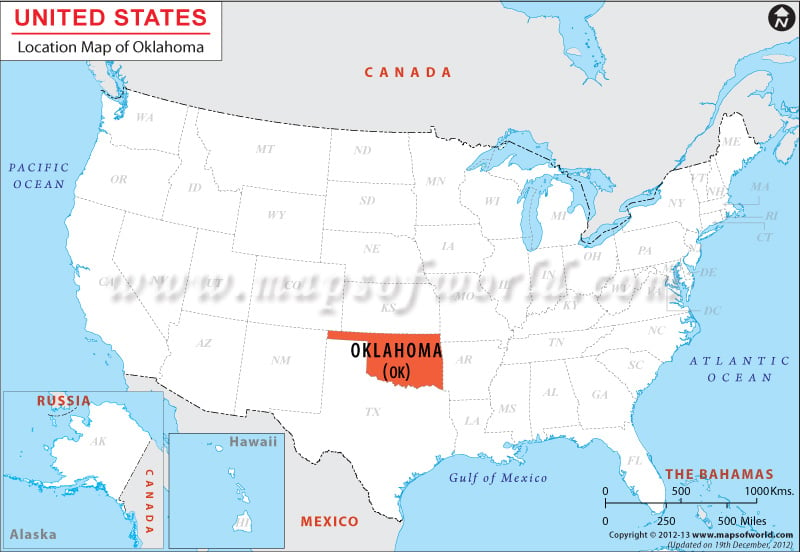
The Geographical Heart of America: Pinpointing Oklahoma’s Location
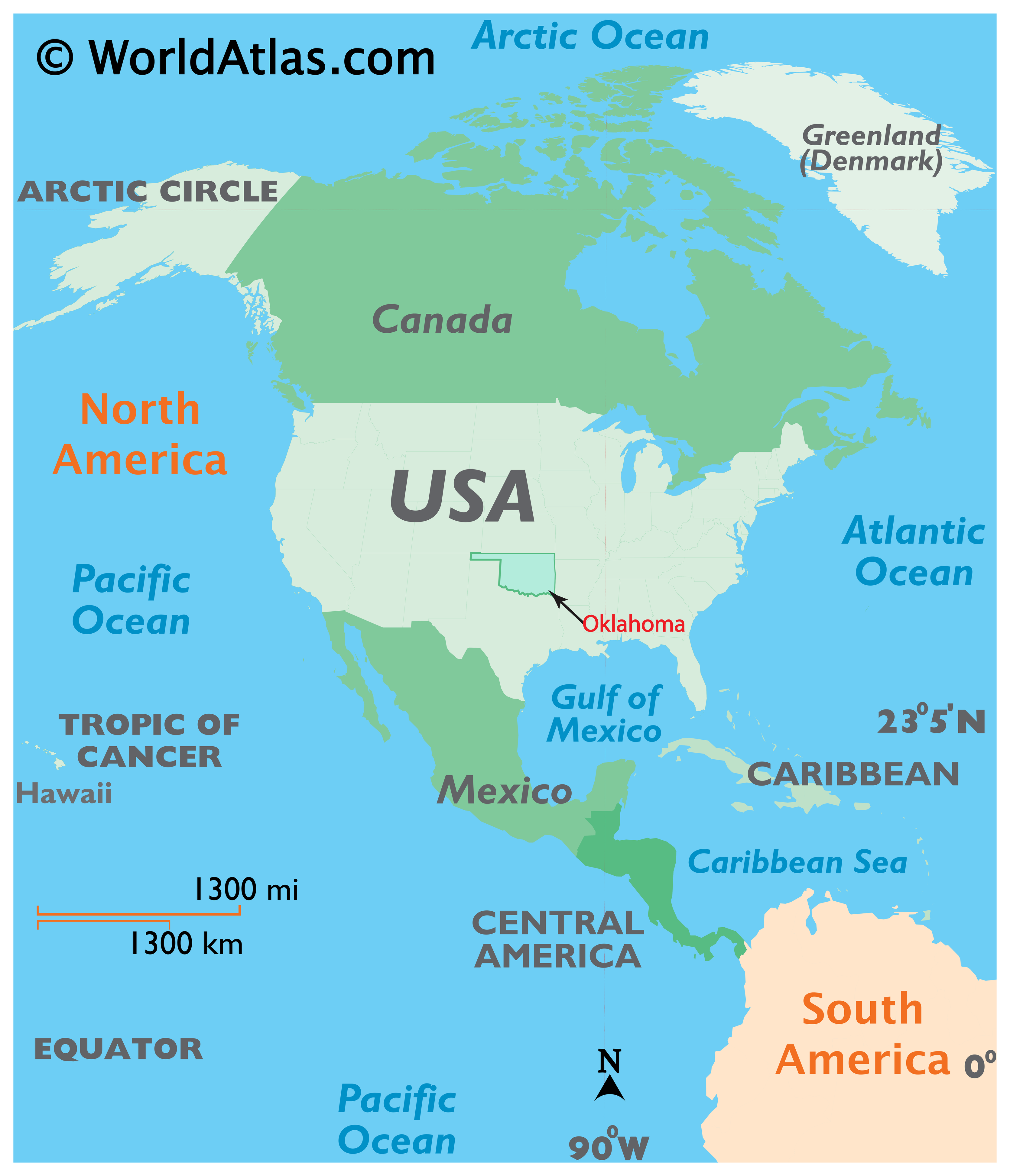
To answer the question “Where Is Oklahoma Located?” definitively, we must look to the central region of the United States. Oklahoma is situated in the South Central United States, a location that imbues it with a fascinating blend of influences from both the Southern and Midwestern states. It is famously known as the “Sooner State,” a nod to the settlers who rushed into the Unassigned Lands in 1889.
Geographically, Oklahoma is nestled within a region characterized by plains, rolling hills, and a significant portion of the Great Plains. Its position is roughly equidistant from the Great Lakes and the Gulf of Mexico, a centrality that has played a role in its historical development and its current appeal as a travel destination. The state’s diverse topography, ranging from the mountainous terrain of the Ouachita Mountains in the east to the arid, rugged landscapes of the panhandle, is a direct consequence of its broad geographical scope.
Borders and Boundaries: Oklahoma’s Neighbors
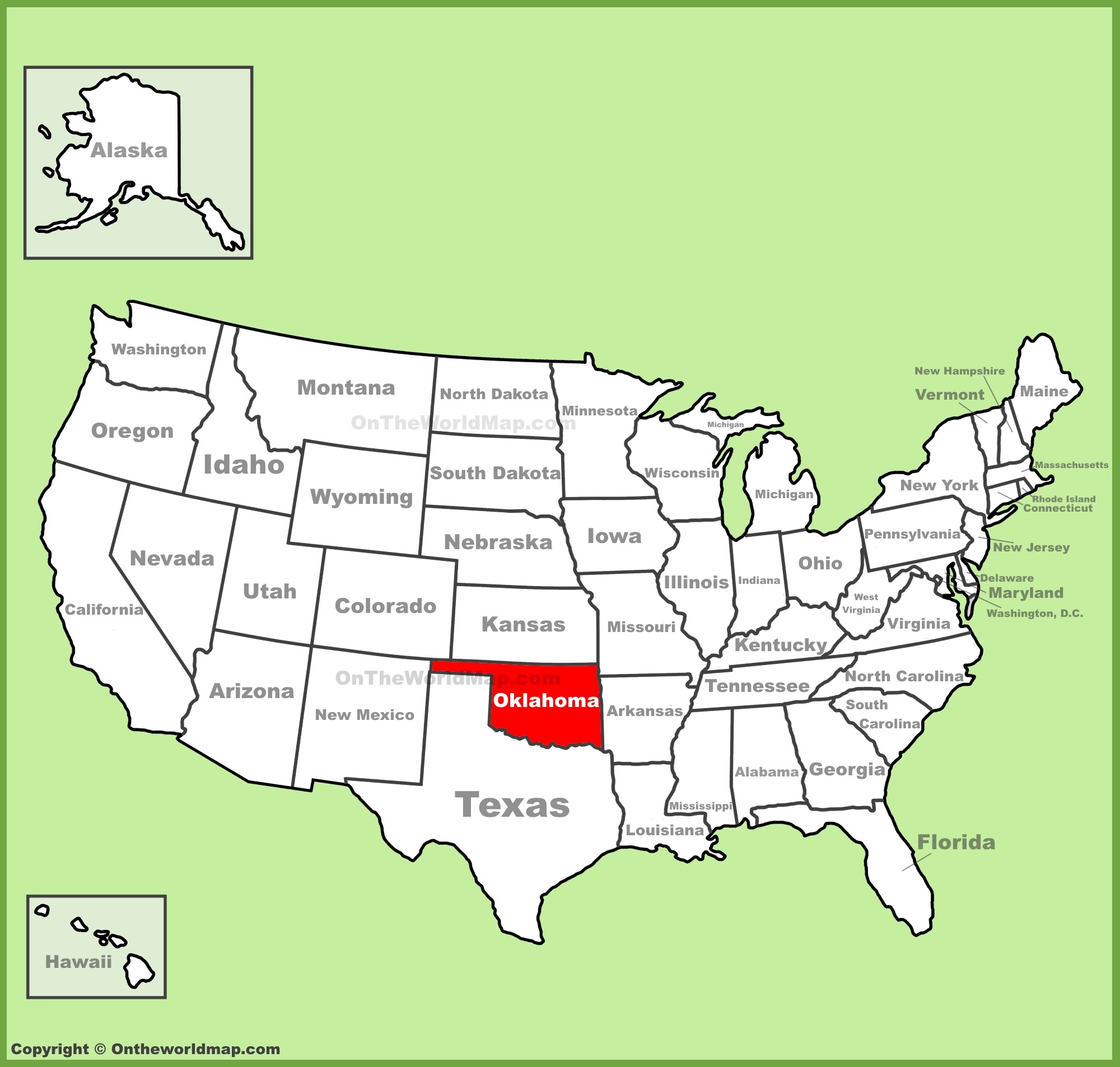
Understanding Oklahoma‘s location is incomplete without recognizing its bordering states. These neighboring states not only define Oklahoma‘s physical boundaries but also contribute to the cultural and economic exchanges that shape the region.
To the north, Oklahoma shares its border with Kansas. This shared frontier is characterized by agricultural lands and a similar Midwestern sensibility. To the northeast, Missouri marks a significant boundary, introducing influences from the Ozark region. To the east, Arkansas lies, a state known for its natural beauty and its own distinct cultural heritage.
To the south, Oklahoma‘s longest border is with Texas. This is a particularly influential relationship, given Texas‘s sheer size and economic power. The border region is diverse, encompassing both agricultural plains and the more urbanized areas near Oklahoma City and Dallas-Fort Worth. To the west, New Mexico forms a western border, introducing a distinct Southwestern flavor, particularly in the panhandle region. Finally, to the northwest, Colorado shares a small portion of Oklahoma‘s border, further emphasizing its central position.
These bordering states create a unique context for Oklahoma. Travelers might find themselves experiencing a transition in landscape, dialect, and even culinary traditions as they move across these state lines. For instance, the Tex-Mex influence is undeniable in southern Oklahoma, while the agricultural heritage shared with Kansas and Nebraska is palpable in its rural landscapes.
The Oklahoma Panhandle: A Distinct Geographical Feature
One of the most striking geographical features of Oklahoma is its panhandle. This long, narrow strip of land extends westward, jutting out from the rest of the state. The Oklahoma Panhandle is bordered by Colorado and Kansas to the north, New Mexico to the west, and Texas to the south. This distinct geographical appendage places a significant portion of Oklahoma firmly within the arid and semi-arid climate of the Great Plains and the Southwest.
The panhandle’s history is intrinsically linked to the westward expansion of the United States and the land runs that defined settlement in the region. Its landscape is characterized by vast, open plains, cattle ranches, and a rugged beauty that appeals to those seeking an authentic Western experience. This area offers a different perspective on Oklahoma, showcasing its ties to the open country and the enduring spirit of the American West. Landmarks here, such as the Black Mesa State Park, offer a glimpse into the geological history of the region and provide opportunities for hiking and wildlife viewing.
Understanding Oklahoma’s Position: Beyond Just Geography
The location of Oklahoma is not merely a point on a map; it is a fundamental element that shapes its identity, its culture, and the types of experiences available to visitors. Its central position influences everything from its climate and natural resources to its historical development and its present-day economy.
Climate and Natural Resources: A Consequence of Location
Oklahoma‘s location in the South Central United States results in a diverse and often dynamic climate. It experiences a transitional climate, with influences from the humid subtropical climate of the South and the semi-arid climate of the Great Plains. This means that Oklahoma can experience hot summers, mild winters, and a significant amount of rainfall, particularly in the eastern parts of the state. The state is also situated in “Tornado Alley,” a region notorious for its frequent and often severe thunderstorm activity, including tornadoes. This climatic characteristic, while posing challenges, also contributes to the dramatic and awe-inspiring skies often seen across the state.
In terms of natural resources, Oklahoma‘s geographical position has been historically significant. The fertile plains have supported extensive agriculture for generations, making it a key producer of wheat, corn, and cattle. Furthermore, Oklahoma sits atop vast reserves of oil and natural gas, a resource that has profoundly shaped its economy and development, leading to periods of immense wealth and influencing its boom-and-bust cycles. The diverse topography also yields valuable timber in the east and presents opportunities for water recreation in its numerous lakes and rivers.
Historical Significance: A Crossroads of Cultures and Peoples
The location of Oklahoma has also been central to its complex and often poignant history. For centuries, the lands that now constitute Oklahoma were home to numerous Native American tribes. The state’s history is deeply intertwined with the forced removal of these tribes from their ancestral homelands in the Southeast, a tragic chapter known as the Trail of Tears. Oklahoma became known as the “Indian Territory,” a place where various tribes were resettled. This history is a fundamental aspect of Oklahoma‘s identity, and it is honored through numerous museums, cultural centers, and tribal lands across the state. Visitors can explore this rich heritage at places like the First Americans Museum in Oklahoma City.
Later, as the United States expanded westward, Oklahoma became a focal point for settlement. The iconic land runs, such as the Land Run of 1889, drew thousands of settlers eager to claim a piece of the frontier. This influx of diverse peoples, coupled with the enduring presence of Native American cultures, has created a unique cultural mosaic. The state’s location as a crossroads has fostered a blend of Southern hospitality, Midwestern pragmatism, and Western spirit, making its cultural landscape distinct and compelling.
Exploring Oklahoma: Travel and Tourism from Its Prime Location
Understanding where Oklahoma is located is the key to unlocking a wealth of travel and tourism opportunities. Its central position makes it an accessible destination for many Americans, and its diverse attractions cater to a wide range of interests.
Destinations and Attractions: From Urban Hubs to Natural Wonders
Oklahoma‘s cities offer vibrant urban experiences. Oklahoma City, the state capital, boasts a thriving downtown area with attractions like the Myriad Botanical Gardens, the Oklahoma City National Memorial & Museum, and the lively Bricktown Entertainment District. Tulsa, the second-largest city, is renowned for its Art Deco architecture, its thriving arts scene, and attractions such as the Philbrook Museum of Art and the Gathering Place, a world-class urban park.
Beyond the cities, Oklahoma‘s natural beauty beckons. The eastern part of the state is home to the Ouachita Mountains, offering stunning vistas, hiking trails, and opportunities for outdoor adventures. The Talimena National Scenic Byway is a must-drive for any nature enthusiast. Robbers Cave State Park and Beavers Bend State Park are popular destinations for camping, fishing, and exploring the forested hills.
In the western part of the state, the landscape shifts to the more arid beauty of the Great Plains. The Wichita Mountains Wildlife Refuge is a remarkable place to experience the rugged terrain and spot bison, elk, and other native wildlife. The panhandle, with its unique geology, offers attractions like Black Mesa, the highest point in Oklahoma, providing a sense of vastness and solitude.
Accommodation and Lifestyle: Tailored Stays for Every Traveler
Reflecting its diverse offerings, Oklahoma provides a wide array of accommodation options to suit every travel style and budget. From luxurious resorts and boutique hotels to charming bed and breakfasts and family-friendly apartments, visitors can find the perfect base for their adventures.
For those seeking a touch of luxury, Oklahoma offers a selection of high-end hotels and resorts. Tulsa boasts several well-appointed hotels, and Oklahoma City‘s downtown area features modern and chic lodging options. Travelers looking for unique experiences might consider staying in a historic inn or a secluded cabin nestled in the natural beauty of the state’s more rural areas.
Budget-conscious travelers will find numerous affordable hotels, motels, and campgrounds throughout Oklahoma. The state’s commitment to developing its tourism infrastructure means that even on a tighter budget, visitors can comfortably explore its many attractions.
Whether you’re planning a romantic getaway, a family vacation, a solo adventure, or a business trip, Oklahoma‘s location and its wealth of attractions make it a compelling destination. Its central position in the United States makes it an accessible and rewarding place to explore, offering a journey through history, culture, and breathtaking natural landscapes. By understanding “Where Is Oklahoma Located?”, you can begin to map out your own unforgettable experience in the Sooner State.
LifeOutOfTheBox is a participant in the Amazon Services LLC Associates Program, an affiliate advertising program designed to provide a means for sites to earn advertising fees by advertising and linking to Amazon.com. Amazon, the Amazon logo, AmazonSupply, and the AmazonSupply logo are trademarks of Amazon.com, Inc. or its affiliates. As an Amazon Associate we earn affiliate commissions from qualifying purchases.