
Oklahoma, often called the “Sooner State,” conjures images of wide-open plains, dramatic skies, and a rich tapestry of culture and history. While its iconic landscapes and vibrant cities like Oklahoma City and Tulsa draw visitors year-round, understanding the nuances of its weather is crucial for planning an unforgettable trip. From the sweltering heat of summer to the crisp chill of winter, Oklahoma’s climate offers a dynamic and ever-changing experience, influencing everything from outdoor activities to the ideal time for booking that perfect resort.
The weather in Oklahoma is a defining characteristic of the state, shaping its agriculture, its natural beauty, and the lifestyles of its residents. It’s a state that experiences all four seasons distinctly, and each brings its own set of opportunities and challenges for travelers. Whether you’re dreaming of exploring the majestic Wichita Mountains, delving into the historical significance of the Oklahoma City National Memorial & Museum, or simply enjoying the local culinary scene, knowing what to pack and what to expect weather-wise will undoubtedly enhance your journey. This article delves into the typical weather patterns across Oklahoma’s diverse regions, offering insights to help you tailor your travel plans for maximum enjoyment, whether you’re seeking a luxurious stay at a scenic resort or a cozy bed and breakfast.

Seasonal Guide to Oklahoma’s Climate
Oklahoma’s climate is characterized by its continental nature, with significant temperature variations between seasons. The state sits in a transition zone, influenced by air masses from the Gulf of Mexico, the Rocky Mountains, and Canada. This means it can experience both humid subtropical and semi-arid conditions, depending on the region and time of year. Understanding these seasonal shifts is key to appreciating the full spectrum of what Oklahoma has to offer, from spring wildflower blooms to the fiery colors of autumn foliage.
Spring (March – May)
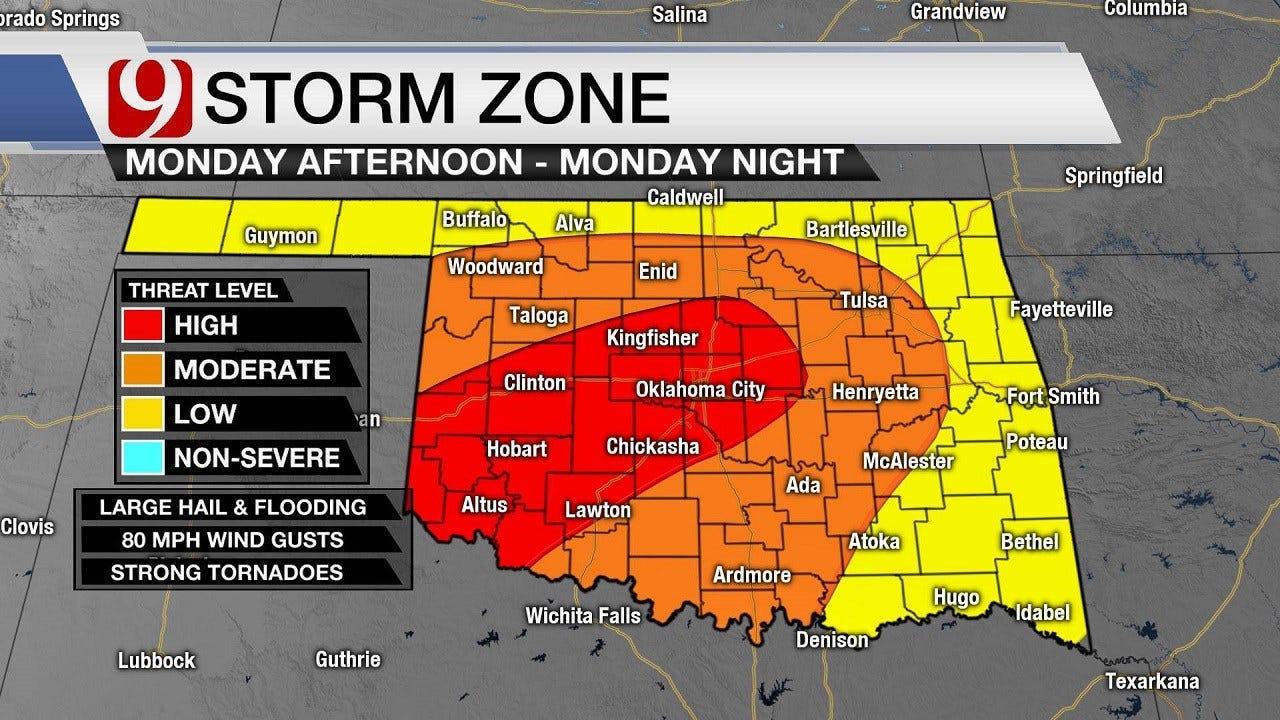
Spring in Oklahoma is a period of dramatic transformation. It begins with a gentle warming in March, but be prepared for unpredictable swings. Temperatures can quickly rise, but sudden cold snaps are also common, sometimes accompanied by late snow. This is the season when the state truly awakens. Wildflowers begin to paint the prairies in vibrant hues, making it an ideal time for visiting natural attractions like the Talimena National Scenic Byway. However, spring also marks the beginning of severe weather season. Tornado Alley, which prominently features Oklahoma, sees an increase in thunderstorms, hail, and, of course, tornadoes. Travelers should stay informed about weather forecasts and be aware of local safety protocols, especially if planning outdoor activities or visiting areas prone to severe weather.
The average temperatures in spring gradually climb. March typically sees highs in the 50s and 60s Fahrenheit, while May can reach into the 70s and 80s. Rainfall increases during this period, which contributes to the lush greenery. For those interested in local culture and festivals, spring is a vibrant time. Many towns celebrate with events that showcase their unique heritage. Accommodation options, from charming boutique hotels in Oklahoma City to rustic cabins near Broken Bow Lake, start to fill up, so booking in advance is recommended.
Summer (June – August)
Summers in Oklahoma are notoriously hot and humid. The Gulf of Mexico’s influence brings moisture, leading to sticky conditions and frequent thunderstorms. July is typically the hottest month, with daily high temperatures often exceeding 90°F, and sometimes soaring into the triple digits. Outdoor enthusiasts might find midday activities challenging, but mornings and evenings offer more comfortable temperatures for exploring landmarks or enjoying lake activities. Hydration is paramount, and planning indoor breaks at air-conditioned attractions like museums or shopping centers is a wise strategy.
Despite the heat, summer is a prime time for many of Oklahoma’s signature experiences. The lakes, such as Lake Texoma and Grand Lake O’ the Cherokees, become hubs for water sports, fishing, and boating. Many families plan their family trips during this period, taking advantage of school holidays. The Oklahoma City Zoo and Tulsa Zoo are popular, though it’s advisable to visit early in the day. For those seeking respite from the heat, visiting higher elevations or exploring underground attractions can be a good option. When considering accommodation, look for properties with excellent air conditioning and refreshing pools, whether you’re eyeing a luxury resort or a comfortable suite. The demand for hotels is high, making early booking essential for popular destinations.
Autumn (September – November)
Autumn in Oklahoma is often considered the most pleasant season, offering a welcome respite from the summer heat. The air becomes crisp, and the humidity drops significantly, creating ideal conditions for exploring the state’s natural beauty and cultural attractions. The changing leaves transform the landscape, particularly in the eastern and southeastern parts of the state, offering breathtaking views along scenic drives. This is a fantastic time for hiking, biking, and visiting famous places like the Palo Duro Canyon State Park (though technically in Texas, it’s a popular day trip for those in western Oklahoma) or exploring the unique geology of the Black Mesa State Park.
Temperatures in autumn are generally mild, with highs in the 60s and 70s Fahrenheit in September and October, gradually cooling to the 40s and 50s in November. While severe weather is less common than in spring, late-season cold fronts can still bring chilly temperatures. Harvest festivals and other local events celebrate the bounty of the season, offering a wonderful glimpse into Oklahoma’s agricultural heritage and local food scene. For travelers, autumn presents a sweet spot for budget travel and luxury travel alike, with fewer crowds and more comfortable weather encouraging exploration. Whether you’re looking for a long-term stay in an apartment or a weekend getaway at a charming inn, autumn provides a versatile backdrop.
Winter (December – February)
Winter in Oklahoma can be quite variable. While typically milder than in northern states, it can still bring freezing temperatures, ice, and occasional snow. The western parts of the state tend to be colder and drier, while the eastern regions may experience more precipitation, which can fall as sleet or snow. The low temperatures, often dipping below freezing, necessitate warm clothing and careful planning for outdoor activities. However, winter also offers a unique charm. The landscapes take on a stark, beautiful stillness, and the crisp air is invigorating for those who don’t mind bundling up.
The holiday season brings festive cheer to cities like Oklahoma City and Tulsa, with elaborate light displays and seasonal markets. For those seeking winter sports, while not a primary destination, some areas might offer opportunities for ice skating or enjoying a cozy fireplace at a resort. Visiting indoor attractions, such as the Philbrook Museum of Art in Tulsa or the National Cowboy & Western Heritage Museum in Oklahoma City, becomes a popular choice. Accommodation prices might be lower during the off-peak winter months, making it an opportune time for budget travel or extended stays. However, always check weather forecasts before traveling, as road conditions can become hazardous during winter storms.
Planning Your Oklahoma Adventure Around the Weather
Understanding Oklahoma’s diverse climate is more than just a matter of checking a forecast; it’s about strategically planning your trip to maximize your enjoyment and comfort. Each season presents unique opportunities and considerations, impacting not only the activities you can pursue but also the types of accommodation and experiences you might seek. Whether you’re a seasoned traveler or planning your first foray into the Sooner State, aligning your itinerary with the prevailing weather conditions can elevate your journey from good to truly exceptional.
Spring: A Season of Awakening and Weather Wonders
Spring in Oklahoma is a spectacle of nature’s renewal, but it’s also a season that demands flexibility. As the snow melts and the earth thaws, the state bursts into a riot of color with wildflowers carpeting the prairies. This is an ideal time for photographers and nature enthusiasts to explore areas like the Tallgrass Prairie Preserve or the picturesque landscapes surrounding Lake Murray State Park. The temperatures, while generally pleasant and warming throughout the season, are notoriously fickle. You might experience a warm, sunny day in the 70s, only to be followed by a chilly evening with temperatures dipping into the 30s, or even a late snowfall.

However, the beauty of spring is intrinsically linked to its potential for severe weather. Oklahoma’s position in Tornado Alley means that thunderstorms, capable of producing high winds, hail, and tornadoes, are a significant concern. This doesn’t mean you should avoid visiting during this period, but rather, it emphasizes the importance of being informed. Many hotels and resorts in cities and towns across the state are equipped to provide guests with weather alerts and safety guidance. When booking your accommodation, consider its proximity to safe shelters. For those planning outdoor adventures, checking the daily weather outlook and having a contingency plan for indoor activities is paramount. This could include visiting the Science Museum Oklahoma in Oklahoma City, exploring the Discoveryland! museum in Tulsa, or enjoying a fine dining experience in one of the many acclaimed restaurants across the state. Spring is also a popular time for sporting events, such as minor league baseball games, which often have flexible rescheduling policies for inclement weather.
Navigating Spring Travel: Tips for Tourists
To make the most of your spring visit to Oklahoma, packing layers is essential. Think t-shirts, long-sleeved shirts, a warm sweater or fleece, and a waterproof and windproof jacket. Comfortable walking shoes are a must for exploring attractions like the Arbuckle Mountains or the historic streets of Guthrie.
For accommodation, consider areas that offer a good balance of outdoor accessibility and indoor refuge. Lake Eufaula is a popular destination for spring fishing and boating, and many cabins and hotels there cater to outdoor enthusiasts. If you prefer city exploration, Oklahoma City offers a wide range of boutique hotels and luxury suites, providing easy access to museums, theaters, and dining establishments.
When it comes to experiences, spring is perfect for exploring the state’s landmarks and natural attractions. The Great Salt Plains State Park becomes a unique destination as water levels change. However, always be mindful of weather advisories. If severe weather is forecast, consider postponing outdoor excursions and opting for indoor activities. This might include visiting the Oklahoma Historical Society Museum, exploring the Tulsa Arts District, or enjoying the unique Oklahoma City underground districts, which offer a sheltered environment for shopping and dining. By staying informed and adaptable, spring in Oklahoma can be a truly rewarding experience, filled with natural beauty and vibrant cultural life.
Summer: Embracing the Heat and Sunshine
Summer in Oklahoma is synonymous with heat and sunshine, a time when the state truly comes alive with outdoor activities, particularly around its numerous lakes and recreational areas. From late May through August, temperatures frequently climb into the high 80s and 90s Fahrenheit, often accompanied by high humidity, making it feel even warmer. This is the peak season for water-based recreation. Lake Keystone, Lake Oologah, and the aforementioned Lake Texoma and Grand Lake O’ the Cherokees are magnets for swimmers, boaters, anglers, and campers. Many visitors also opt for staying at lakeside resorts or renting villas to fully immerse themselves in the aquatic lifestyle.
While the heat can be intense, especially during the midday hours, summer evenings often bring a pleasant coolness and are ideal for outdoor dining, concerts, or exploring the vibrant nightlife of Oklahoma City or Tulsa. Many parks offer shaded picnic areas and camping spots, making it possible to enjoy the outdoors with careful planning. It’s also a time for numerous festivals and community events that celebrate the spirit of summer. From county fairs to music festivals, there’s always something happening across the state.
However, summer thunderstorms, while not as frequent as in spring, can still occur and be quite intense, often bringing heavy rain, lightning, and occasionally hail. The key to a successful summer visit is to plan your activities around the heat of the day. Early mornings and late afternoons are prime times for hiking, visiting landmarks, or exploring attractions like the National Cowboy & Western Heritage Museum or the Philbrook Museum of Art. Staying hydrated is critical, so always carry water, and seek out air-conditioned spaces during the hottest parts of the day.
Summer Stays: Accommodation and Activities
When booking your accommodation during the summer months, consider amenities that will help you beat the heat. Hotels with swimming pools are a popular choice, as are resorts that offer a range of cooling activities. For those seeking longer stays, apartments or vacation rentals with air conditioning and perhaps a private patio or balcony can provide a comfortable base.
For families, summer offers a wealth of opportunities. Theme parks, zoos, and water parks are in full swing. Consider visiting the Oklahoma Aquarium in Jenks or exploring the Tiger Safari Zoological Park near Catoosa. For a more relaxed pace, many small towns across the state offer charming shops and local eateries that are perfect for a leisurely afternoon. When planning your travel, remember that summer is a popular time for vacations, so booking flights and accommodation well in advance is highly recommended, especially for sought-after destinations and hotels. Embrace the sunshine, stay cool, and enjoy the vibrant energy of Oklahoma in the summer.
Autumn and Winter: Crisp Air, Fewer Crowds, and Cozy Escapes
As the scorching heat of summer recedes, Oklahoma transitions into its cooler seasons, offering a different, yet equally compelling, travel experience. Autumn, in particular, is a favorite for many, boasting pleasant temperatures, vibrant foliage, and a sense of calm before the winter months. Winter, while bringing colder weather, has its own unique charm and opportunities for those seeking a quieter, more introspective journey.
Autumn Adventures: Foliage, Festivals, and Fall Flavors
Autumn in Oklahoma is a visual feast. The eastern and southeastern parts of the state, in particular, come alive with a spectacular display of fall colors. Scenic byways like the Talimena National Scenic Byway become prime routes for admiring the vibrant reds, oranges, and yellows of the changing leaves. This season is also a popular time for hiking and exploring nature at places like the Ouachita National Forest. The crisp air is invigorating, making it ideal for exploring landmarks and attractions without the oppressive heat of summer.
Beyond the natural beauty, autumn is a time of harvest and celebration. Numerous festivals pop up across the state, showcasing local agriculture, crafts, and food. From apple festivals to pumpkin patches and Native American cultural events, there’s a rich tapestry of local culture to experience. These events often provide excellent opportunities to sample regional delicacies and interact with the local community. For food lovers, this is the perfect time to try hearty seasonal dishes.
Accommodation during the autumn months can offer a great balance between availability and cost. While popular resorts might still be busy, especially during peak foliage weeks, you’re likely to find better deals compared to summer. It’s a good period for budget travel as well as for those seeking a more relaxed pace. Consider staying in a cozy bed and breakfast in a historic town like Sulphur or a comfortable suite in Oklahoma City to explore its burgeoning culinary scene.
Winter Wonders: Cozy Stays and Holiday Cheer
Winter in Oklahoma brings a distinct shift in atmosphere. While not as harsh as in some northern states, cold snaps are common, with temperatures frequently dropping below freezing. Snowfall is variable, with some winters experiencing significant snow and others remaining relatively mild. However, this cooler weather brings opportunities for a different kind of travel. It’s a time for seeking warmth and comfort, making cozy hotels and restaurants particularly appealing.
The holiday season transforms many of Oklahoma’s cities into festive wonderlands. Oklahoma City and Tulsa are known for their spectacular Christmas light displays and holiday markets. Visiting the Myriad Botanical Gardens in Oklahoma City during the holiday season offers a magical experience, and many resorts offer special holiday packages. For those who enjoy winter sports, while not a primary destination, you might find opportunities for ice skating or enjoying a warm drink by a fireplace.
Winter is generally an off-peak season for tourism in Oklahoma, which can translate into more affordable accommodation options and fewer crowds at popular attractions. This makes it an excellent time for long-term stays or for travelers seeking a more peaceful and intimate experience. Exploring museums like the Oklahoma City National Memorial & Museum or the Gilcrease Museum in Tulsa takes on a different feel in the quietude of winter. Always keep an eye on the weather, as winter storms can impact travel plans, but with proper preparation, exploring Oklahoma in its winter guise can be a uniquely rewarding experience.
LifeOutOfTheBox is a participant in the Amazon Services LLC Associates Program, an affiliate advertising program designed to provide a means for sites to earn advertising fees by advertising and linking to Amazon.com. Amazon, the Amazon logo, AmazonSupply, and the AmazonSupply logo are trademarks of Amazon.com, Inc. or its affiliates. As an Amazon Associate we earn affiliate commissions from qualifying purchases.