
When planning a getaway, whether it’s a luxurious escape to a tropical paradise or a family adventure to a themed destination, the allure of a well-appointed hotel or resort often takes center stage. You browse through stunning images of sparkling pools, pristine beaches, and world-class amenities, all while imagining yourself unwinding in comfort. You meticulously compare prices, looking for the best deal to stretch your travel budget further. However, lurking within the final booking summary, often a seemingly small, yet persistent, line item can cause a moment of confusion and even frustration: the resort fee. This ubiquitous charge, now a standard practice in much of the hospitality industry, can significantly impact your overall vacation cost, often without being immediately obvious.

Understanding what a resort fee is, why it exists, and what it typically covers is crucial for any savvy traveler. It’s not just an arbitrary charge; it’s a fee designed to offset the costs of amenities and services that are considered part of the overall resort experience, differentiating it from a standard hotel. For many, the term “resort fee” conjures images of added expenses that detract from the perceived value of their booking. This article aims to demystify resort fees, providing clarity on their purpose, common inclusions, and how to navigate them effectively, ensuring your next trip to a place like Las Vegas or the Caribbean is as financially transparent as it is enjoyable.
The Evolution and Purpose of Resort Fees
The concept of a resort fee is a relatively modern phenomenon, evolving alongside the increasing sophistication and diversification of the hospitality industry. As hotels and resorts began to offer more than just a room for the night, they sought a way to charge guests for the enhanced experience these additions provided. This is where the resort fee found its footing. Instead of nickel-and-diming guests for individual services, a bundled fee allowed for a more streamlined approach to covering the operational costs of these desirable extras.
Why Do Resorts Charge Fees?
The primary driver behind resort fees is to offset the costs associated with maintaining and providing a comprehensive range of amenities and services that are often expected at a resort. These aren’t just the basics like housekeeping and front desk service; they encompass a broader spectrum of facilities and conveniences. Think about it: operating a pristine swimming pool, maintaining a state-of-the-art fitness center, offering high-speed internet access throughout the property, providing shuttle services, and even covering the costs of daily newspapers or morning coffee – these all come with significant expenses.
Furthermore, resort fees serve to create a more competitive pricing structure on online travel agencies (OTAs) and booking websites. When browsing for hotels, the initial room rate displayed is often the base price. If all the additional amenity costs were baked into the room rate, the advertised price for a resort might appear significantly higher than a comparable standard hotel, potentially deterring potential guests. By separating these costs into a resort fee, the initial room rate looks more attractive, allowing resorts to compete more effectively on price perception, even though the total cost to the guest is ultimately higher. This practice, while common, has also drawn criticism for being a form of “drip pricing,” where the true cost of a service is not fully disclosed until the final stages of the booking process.
The resort fee also allows properties to clearly delineate the value proposition they offer. For guests actively seeking an experience beyond a simple bed and breakfast, the resort fee signals that they are paying for a richer, more amenity-filled stay. This can be particularly appealing to travelers who plan to utilize many of the resort’s facilities, making the fee feel more justified. For instance, a family planning to spend significant time at the resort’s pools and water parks might find the resort fee a reasonable price for the access and enjoyment these amenities provide.
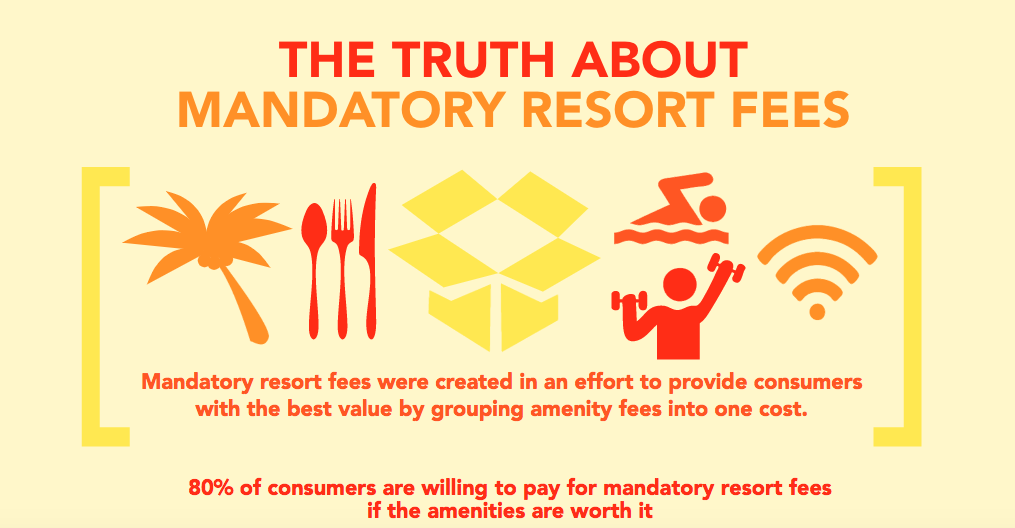
What’s Typically Included in a Resort Fee?
The contents of a resort fee can vary dramatically from one property to another. While some might offer an extensive list of inclusions, others may be more limited. However, there are several common categories of amenities and services that are frequently bundled into this charge. Understanding these typical inclusions can help you gauge the value of the fee in relation to your planned activities at the resort.
Common Inclusions Across Resorts
- Internet and Wi-Fi Access: In today’s connected world, reliable internet access is almost a necessity. Many resorts include Wi-Fi for multiple devices as part of their resort fee, covering costs that might otherwise be charged separately. This is especially beneficial for business travelers or families needing to stay connected.
- Fitness Center and Recreational Facilities: Access to on-site gyms, yoga studios, tennis courts, and other recreational facilities is a hallmark of resort stays. The resort fee often covers the upkeep, staffing, and equipment maintenance for these areas.
- Pool and Beach Access: Whether it’s a stunning infinity pool overlooking the ocean or a well-maintained beach area with loungers and umbrellas, access to these prime relaxation spots is typically included. This can also extend to pool towels and sometimes even poolside service charges being waived.
- Shuttle Services: Many larger resorts, particularly those spread across expansive grounds or located near attractions like airports or local points of interest, offer complimentary shuttle services. This convenience is often factored into the resort fee. For example, a resort in Orlando might include shuttles to nearby theme parks like Walt Disney World or Universal Studios Florida.
- Housekeeping and Room Amenities: While basic housekeeping is always part of the room rate, resort fees might cover enhanced services or additional amenities. This could include complimentary bottled water in the room, coffee makers, and sometimes even turndown service.
- Activities and Entertainment: Some resorts include access to scheduled activities like morning yoga classes, fitness programs, or even evening entertainment. This can significantly enhance the guest experience and is often covered by the resort fee.
- Resort Fees in Specific Destinations: It’s worth noting that the prevalence and nature of resort fees can also be influenced by the destination. For instance, in popular tourist hubs like Hawaii or Cancun, where the focus is heavily on the resort experience and the amenities offered, resort fees are almost universally applied and often include a wider range of services due to the competitive nature of the market.
It’s important to remember that not every resort fee will include all of these items. Some might be very specific, focusing on just a few key amenities. Conversely, more luxurious or expansive resorts might have higher fees that encompass an even broader array of services.
Navigating Resort Fees: Tips for Smart Travelers
While resort fees can sometimes feel like an unwelcome surprise, there are strategies savvy travelers can employ to understand, manage, and even mitigate their impact. Being informed and proactive can lead to a more transparent and budget-friendly vacation.

Strategies for Managing Resort Fees
- Read the Fine Print Carefully: This is the most critical step. Before confirming any booking, meticulously review the hotel’s booking details, the rate description, and any accompanying policies. Resort fees are often disclosed, but they might be presented in a way that isn’t immediately obvious. Look for sections detailing “additional charges,” “fees,” or “inclusions.” Sometimes, the fee is clearly stated, while other times, it might be buried within a longer description of amenities. Websites like Booking.com and Expedia are increasingly displaying these fees upfront, but it’s always best to double-check directly on the hotel’s own website for the most accurate information.
- Compare Total Costs, Not Just Room Rates: When comparing different accommodations, especially in areas where resort fees are common, don’t just look at the nightly room rate. Calculate the total cost, including the resort fee, taxes, and any other mandatory charges. This will give you a true apples-to-apples comparison. For example, a hotel with a lower advertised room rate but a higher resort fee might end up being more expensive than a hotel with a slightly higher room rate but a lower or no resort fee.
- Inquire About Fee Waivers or Negotiation: While not always successful, it’s worth inquiring if the resort fee can be waived or negotiated, especially in certain circumstances. If you are a member of the hotel’s loyalty program (e.g., Marriott Bonvoy, Hilton Honors), sometimes elite status members receive complimentary internet or other amenities that are covered by the resort fee, and the fee may be reduced or waived for them. Additionally, if you are a very high-tier member of a loyalty program or booking a long stay, you might be able to negotiate. It’s also worth asking if you plan to use any of the amenities covered by the fee. If, for instance, you are on a business trip and won’t be using the pool or gym, you can politely ask if any portion of the fee can be adjusted.
- Consider Hotels Without Resort Fees: If resort fees are a major concern, actively seek out hotels and accommodations that do not charge them. Boutique hotels, smaller independent inns, or some budget-friendly chains might not have this practice. Similarly, some apartment-style accommodations or vacation rentals might not impose resort fees, offering a more transparent pricing structure.
- Understand What You’re Actually Getting: Before paying a resort fee, consider your travel style and what amenities you genuinely plan to use. If you’re a traveler who plans to spend most of your time exploring the local attractions in a city like New York or Rome, and you only plan to sleep in the hotel, a substantial resort fee might feel like an unnecessary expense. However, if you’re on a relaxing vacation at a beach resort in Mexico and intend to spend your days by the pool, utilize the fitness center, and enjoy the on-site dining, the resort fee might represent good value for the bundled services.
By adopting these strategies, travelers can approach resort fees with a greater sense of control and understanding, ensuring that their vacation budget is well-managed and that they are getting the most value from their chosen accommodation. The key is to be an informed consumer, always looking beyond the initial advertised price to understand the full cost of your stay.
LifeOutOfTheBox is a participant in the Amazon Services LLC Associates Program, an affiliate advertising program designed to provide a means for sites to earn advertising fees by advertising and linking to Amazon.com. Amazon, the Amazon logo, AmazonSupply, and the AmazonSupply logo are trademarks of Amazon.com, Inc. or its affiliates. As an Amazon Associate we earn affiliate commissions from qualifying purchases.