
Texas, a state known for its vast landscapes, vibrant culture, and distinct approach to regulations, often sparks questions about the legality of various substances, including the increasingly popular THC gummies. For travelers planning a trip to the Lone Star State, or for residents curious about the current landscape, understanding the legalities surrounding these cannabis-derived products is paramount. This article delves into the complex world of THC legality in Texas, exploring the nuances of hemp-derived Delta-9 THC, its comparison to marijuana, and what consumers need to know before purchasing or possessing these items.
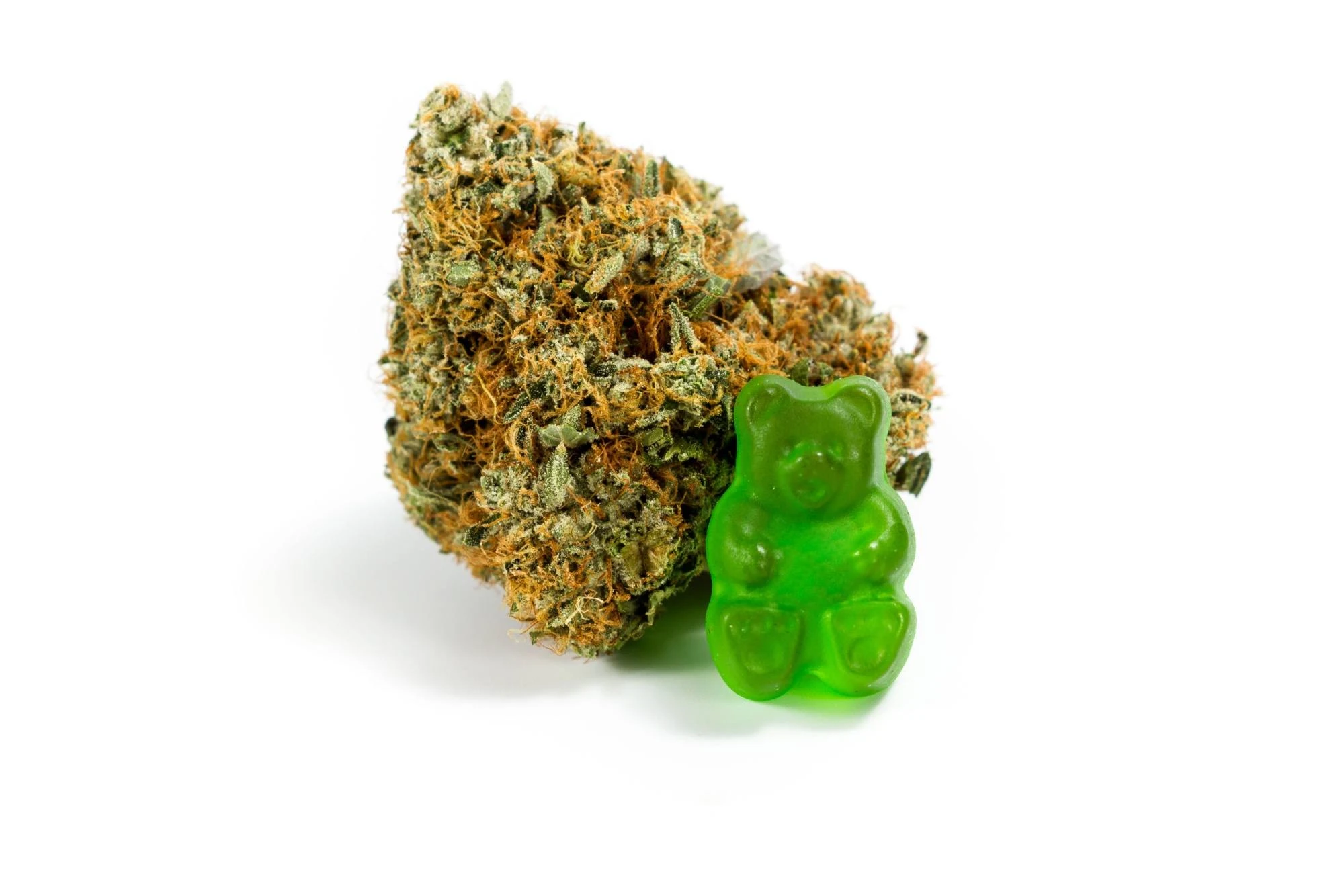
The conversation around THC gummies in Texas is largely shaped by the 2018 Farm Bill, a landmark piece of federal legislation that legalized hemp and its derivatives. This bill defines hemp as cannabis with a Delta-9 THC concentration of no more than 0.3% on a dry weight basis. This distinction is crucial because it carves out a legal pathway for hemp-derived products that contain Delta-9 THC, as long as they adhere to this strict percentage. Texas, in turn, has aligned its state laws with the federal definition, creating a legal framework for these products.
Understanding the Legal Landscape: Hemp-Derived Delta-9 THC in Texas
The 0.3% Delta-9 THC Threshold: A Defining Factor
The cornerstone of THC gummy legality in Texas lies in the 0.3% Delta-9 THC by dry weight rule. This is not an arbitrary number; it’s the federally mandated limit that distinguishes legal hemp from illegal marijuana. Consequently, gummies that are derived from hemp plants and contain Delta-9 THC within this percentage are considered legal under Texas law. This means that while the gummies themselves might contain a noticeable amount of THC, the concentration relative to the total weight of the hemp material used in their production is the deciding factor.
This distinction is often confusing for consumers. Many people associate “THC” solely with marijuana and its associated legal restrictions. However, the Farm Bill created a scenario where THC can exist in both legal hemp products and illegal marijuana products, depending on its source and concentration. When purchasing THC gummies in Texas, it’s essential to ensure they are clearly labeled as hemp-derived and that their Delta-9 THC content falls within the legal limit. Reputable manufacturers will provide Certificates of Analysis (COAs) that detail the cannabinoid profile of their products, including the precise Delta-9 THC percentage.
Differentiating Hemp-Derived Products from Marijuana
It is critical to differentiate between hemp-derived THC products and those derived from marijuana. In Texas, marijuana remains illegal for recreational use. The legality of marijuana is tied to its Delta-9 THC concentration, which exceeds the 0.3% threshold. Possession of marijuana can lead to significant legal consequences, including fines and imprisonment. Therefore, any product that is not derived from hemp and contains a higher concentration of Delta-9 THC is subject to these strict regulations.
The confusion often arises because both hemp and marijuana come from the Cannabis sativa L. plant. The key difference, as established by the Farm Bill and adopted by Texas, is the Delta-9 THC concentration. Hemp-derived products leverage the legal distinction to offer consumers products that can provide a range of cannabinoid experiences without falling foul of the law. This includes products containing other cannabinoids like CBD, CBG, and even other forms of THC like Delta-8 THC, which has its own set of evolving legal interpretations.
The Role of Other Cannabinoids: Delta-8 THC and Beyond
While Delta-9 THC is the primary focus of the 0.3% threshold, other cannabinoids, such as Delta-8 THC, also play a significant role in the Texas market. Delta-8 THC is another isomer of THC, meaning it has a similar chemical formula to Delta-9 THC but a slightly different molecular structure. This structural difference results in a different psychoactive effect, often described as milder than that of Delta-9 THC.
The legality of Delta-8 THC in Texas has been a more contentious and fluid area. Initially, many considered Delta-8 THC to be legal because it could be synthesized from hemp, and its psychoactive properties were distinct. However, state officials have expressed concerns about its psychoactive effects and the potential for unregulated markets. As of recent legislative sessions, there have been attempts to regulate or restrict Delta-8 THC products, often by grouping them with controlled substances or imposing specific labeling and testing requirements. It is crucial for consumers to stay updated on the latest legislative changes regarding Delta-8 THC, as its legal status can shift.
Purchasing and Possessing THC Gummies in Texas
Where to Find Legal THC Gummies
For individuals seeking to purchase legal THC gummies in Texas, the key is to focus on retailers that specialize in hemp-derived products. These may include dedicated CBD and hemp dispensaries, online retailers that ship to Texas, and some wellness or lifestyle stores. When shopping, always look for products that:
- Are clearly labeled as “Hemp-Derived.”
- State the Delta-9 THC content is 0.3% or less by dry weight.
- Provide a QR code or access to a Certificate of Analysis (COA).

The COA is your best friend in verifying the product’s compliance. It should be issued by an independent, third-party laboratory and detail the cannabinoid profile, including the levels of Delta-9 THC, Delta-8 THC, CBD, and any potential contaminants like heavy metals or pesticides. Reputable brands are transparent about their testing and readily make their COAs available.
Purchasing from online vendors that specialize in hemp products can offer a wide selection and the convenience of delivery, often to major cities like Houston, Dallas, San Antonio, or Austin. However, ensure that the online retailer is compliant with Texas laws and has a clear shipping policy. Some online retailers may require age verification, typically 21 years or older, to purchase THC products.
Age Restrictions and Consumer Responsibility
In Texas, as with most states that permit the sale of hemp-derived cannabinoid products, age restrictions are in place. The general consensus and common practice is that individuals must be at least 21 years old to purchase and possess these products. This aligns with the legal age for purchasing alcohol and tobacco products, reflecting a societal understanding of products with intoxicating potential.
It is the consumer’s responsibility to be aware of and adhere to these age restrictions. Retailers are typically required to verify the age of purchasers. Failure to comply can result in penalties for both the buyer and the seller. Beyond age, responsible consumption is also a crucial aspect. While hemp-derived THC gummies may be legal, they can still induce psychoactive effects. Consumers should start with a low dose, understand their tolerance, and avoid operating vehicles or heavy machinery after consumption.
Navigating Travel with THC Gummies
For travelers planning a trip to Texas, bringing THC gummies purchased elsewhere into the state can be a legal minefield. While hemp-derived products with less than 0.3% Delta-9 THC are legal within Texas, crossing state lines introduces federal regulations. The Transportation Security Administration (TSA) has policies regarding cannabis products, and while they focus on marijuana, the lines can blur.
It is generally advised for travelers to err on the side of caution and avoid carrying any THC-containing products, even if they are legal in their origin state or destination. The TSA’s primary concern is safety and security, and they are not equipped to differentiate between legal hemp products and illegal marijuana at the checkpoint. If a product is discovered that is in violation of federal law, it can lead to significant issues.
Furthermore, even within Texas, possessing large quantities or products that are not clearly labeled as hemp-derived could potentially raise red flags with law enforcement, especially if the context suggests an intent to distribute or if the products are suspected of exceeding the legal THC threshold. Therefore, for peace of mind, it is best to purchase any desired hemp-derived products once you have arrived in Texas from a reputable local source. This ensures compliance with state regulations and avoids potential complications during travel.
The Evolving Landscape of Cannabis Laws in Texas
The legal status of cannabis and its derivatives is a dynamic and ever-changing area of law. Texas, like many other states, is constantly re-evaluating its approach to these substances. While the 2018 Farm Bill provided a federal framework, state legislatures have the authority to enact their own regulations.
Legislative Trends and Potential Future Changes
Texas has shown a cautious but evolving approach to cannabis legislation. While full recreational legalization remains a distant prospect, there have been incremental changes and ongoing discussions. The Texas Compassionate Use Program (TCUP), for instance, allows for low-THC cannabis for specific medical conditions, indicating a growing recognition of the therapeutic potential of cannabis. However, this program is highly regulated and distinct from the recreational or over-the-counter sale of hemp-derived THC gummies.
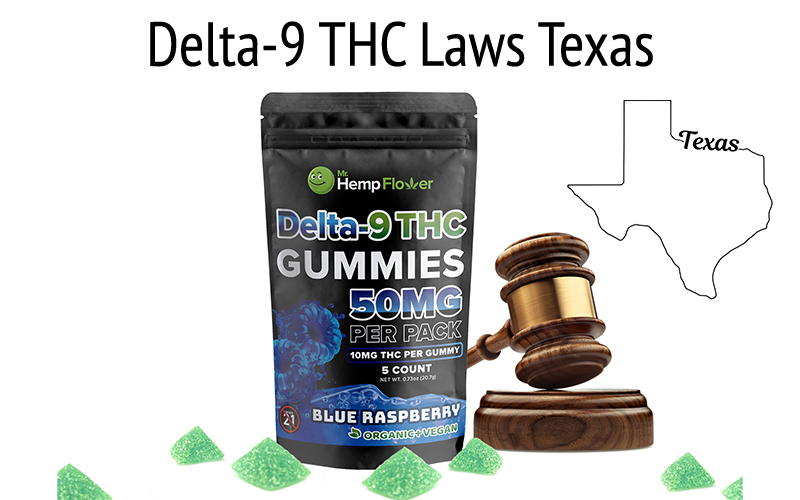
Future legislative sessions in Texas could bring further clarity or new restrictions on hemp-derived products. Bills have been introduced in the past that aim to further regulate or even ban certain cannabinoids, including Delta-8 THC. Consumers and businesses alike must remain vigilant, following news from the Texas Legislature and any pronouncements from state agencies like the Texas Department of State Health Services. Staying informed is crucial to navigating the legalities of THC gummies and other hemp-derived products.
Advocacy and Consumer Education
The ongoing dialogue surrounding cannabis laws in Texas is influenced by various stakeholders, including advocacy groups, industry representatives, and the general public. Consumer education plays a vital role in this process. As more Texans become aware of the distinctions between hemp and marijuana, and the legal nuances of different cannabinoids, they can engage more effectively in the policy discussion.
Understanding the science behind cannabinoids, the regulatory frameworks, and the potential benefits and risks is essential. For travelers exploring destinations like Big Bend National Park, the Alamo in San Antonio, or the cultural hubs of Austin, understanding local laws regarding any substance is a mark of responsible tourism. Similarly, residents engaging with the lifestyle and wellness trends that often incorporate hemp-derived products need to be well-informed consumers. The future of THC legality in Texas will likely be shaped by a combination of legislative action, judicial interpretation, and public discourse, with informed consumers being a key part of that evolution.
LifeOutOfTheBox is a participant in the Amazon Services LLC Associates Program, an affiliate advertising program designed to provide a means for sites to earn advertising fees by advertising and linking to Amazon.com. Amazon, the Amazon logo, AmazonSupply, and the AmazonSupply logo are trademarks of Amazon.com, Inc. or its affiliates. As an Amazon Associate we earn affiliate commissions from qualifying purchases.