
The question, “How far is Portland to Seattle?” is a common one for travelers planning a trip between two of the Pacific Northwest’s most vibrant and distinct cities. Whether you’re considering a quick weekend getaway, a longer exploration, or even a move, understanding the distance and the various ways to traverse it is crucial for efficient planning. This guide will delve into the specifics of the journey, covering everything from driving distances and times to alternative transportation options, helping you make informed decisions about your travel between Portland and Seattle.
The distance between Portland and Seattle is approximately 175 miles (282 kilometers) by road. This relatively short distance makes the journey an accessible and popular choice for many travelers. However, the actual travel time can vary significantly based on the mode of transportation, traffic conditions, and your chosen route. Understanding these variables is key to setting realistic expectations for your trip.
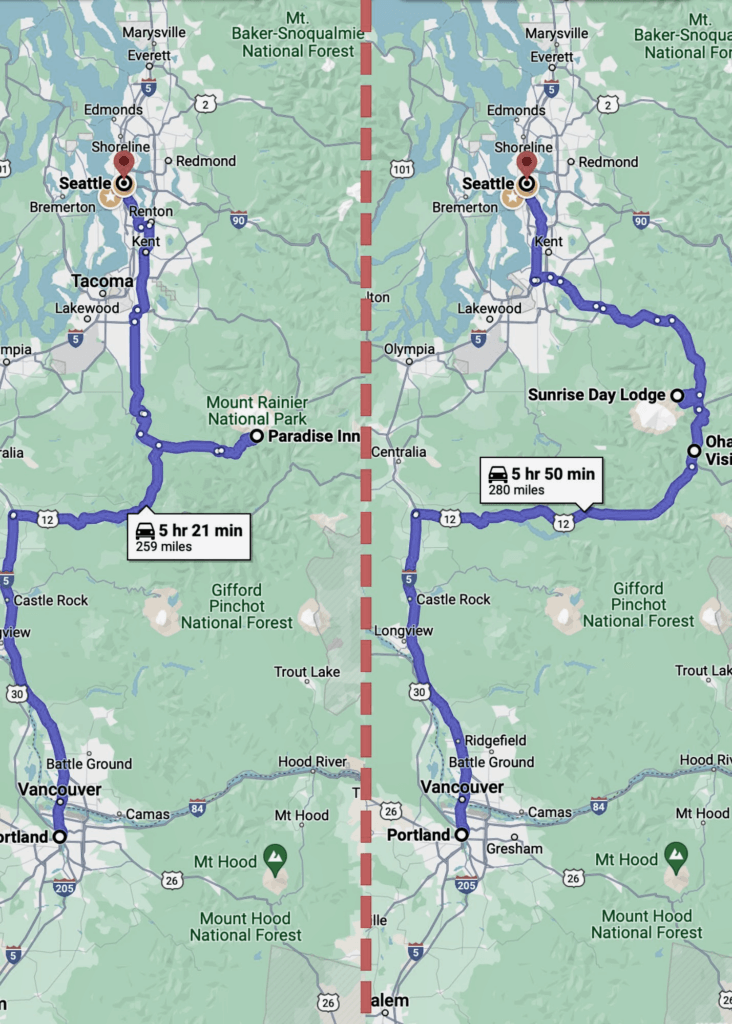
Planning Your Journey: Distance and Time Estimates
When embarking on the trip from Portland to Seattle, the primary consideration for many is the travel time. While the odometer may read a consistent figure, the clock can tick differently depending on how you choose to travel.
Driving to Seattle: The Road Trip Experience
Driving is arguably the most popular method for traveling between Portland and Seattle. The most direct route is via Interstate 5 (I-5) North, a well-maintained highway that connects these two major cities.
The I-5 North Route: Direct and Efficient
The drive along I-5 North is straightforward and generally takes between 3 to 3.5 hours without significant stops or traffic delays. However, it’s essential to factor in potential slowdowns. Traffic congestion is common, especially during peak commuting hours on weekdays (typically 6-9 AM and 3-7 PM) and on Friday afternoons and Sunday evenings as people travel for weekend getaways or return home. Inclement weather, particularly during the winter months, can also impact travel times with reduced visibility and potentially slippery road conditions.
Key Considerations for Drivers:
- Traffic: Always check real-time traffic updates before you leave and throughout your journey. Apps like Google Maps or Waze can be invaluable for navigating around accidents or major delays.
- Rest Stops: Numerous rest areas and service stations are available along I-5 North, offering opportunities to refuel, grab a snack, or stretch your legs.
- Scenery: While I-5 is a major artery, the drive still offers glimpses of the diverse Pacific Northwest landscape, from rolling hills to glimpses of distant mountains. For a more scenic detour, consider exploring routes off the interstate, though this will add significant time to your journey.
Scenic Alternatives and Detours
For travelers who have more time and seek a more immersive experience, alternative routes can offer a richer exploration of the region. While these detours will undoubtedly extend your travel time, they provide unique opportunities to discover hidden gems and experience the natural beauty of the Pacific Northwest beyond the interstate.
- Historic Highway 99: This route, a precursor to I-5, offers a more leisurely pace and a chance to visit smaller towns and historic landmarks. It’s a journey through the past, showcasing a different side of the region.
- Coastal Routes (with extensions): While not a direct path, venturing west towards the Oregon coast and then heading north can offer breathtaking ocean views and charming coastal communities. This would require a significant time commitment and is more suited for an extended road trip rather than a simple transit between cities.
- Columbia River Gorge: Exploring the Columbia River Gorge on the Oregon side before heading north can lead you through stunning waterfalls and hiking trails, offering a dose of natural wonder. This route would involve heading east from Portland before making your way north.
Choosing a scenic route is a decision that prioritizes experience over speed, allowing for spontaneous stops at roadside attractions, local eateries, and natural points of interest.
Beyond the Car: Alternative Transportation Options
For those who prefer not to drive or wish to avoid the potential hassles of traffic, several excellent alternative transportation options connect Portland and Seattle. These methods offer their own unique advantages, from cost-effectiveness to the ability to relax and enjoy the ride.
Amtrak Cascades: A Relaxing Rail Journey
The Amtrak Cascades train service is a highly recommended and popular option for traveling between Portland and Seattle. The journey typically takes around 3.5 to 4 hours, offering a comfortable and scenic alternative to driving.
Benefits of Amtrak:

- Comfort: Train seats are generally more spacious than airline or bus seats, allowing for greater freedom of movement. Many trains offer Wi-Fi, power outlets, and cafe cars for refreshments.
- Scenery: The train route offers picturesque views of the Pacific Northwest landscape, including forests, rivers, and glimpses of the Puget Sound.
- Convenience: Amtrak stations are often located in downtown areas, making them easily accessible. You can avoid the stress of navigating city traffic and finding parking upon arrival.
- Sustainability: Traveling by train is generally more environmentally friendly than flying or driving solo.
The Amtrak station in Portland is the Portland Union Station, a historic landmark in itself, while the Seattle destination is the King Street Station. Booking tickets in advance is advisable, especially during peak travel seasons, to secure the best fares and availability.
Intercity Buses: Budget-Friendly Travel
Several intercity bus companies, such as BoltBus, FlixBus, and Greyhound, offer regular services between Portland and Seattle. Bus travel is often the most budget-friendly option, with fares that can be significantly lower than train or plane tickets.
Bus Travel Advantages:
- Affordability: This is typically the cheapest way to get from Portland to Seattle.
- Frequency: Buses often run multiple times a day, offering flexibility in departure times.
- Amenities: Many modern buses are equipped with Wi-Fi, power outlets, and onboard restrooms.
The travel time by bus can vary depending on the route and the number of stops, but it generally ranges from 3.5 to 4.5 hours. Bus terminals are usually located in central areas of both cities, providing convenient access to local transportation.
Flying: The Fastest, But Least Direct
While flying is the fastest mode of transport in terms of airtime, the total travel time from Portland to Seattle by plane can often be comparable to or even longer than driving or taking the train, once you factor in travel to and from airports, check-in procedures, security screening, and baggage claim.
- Airports: Portland International Airport (PDX) and Seattle-Tacoma International Airport (SEA) serve these cities.
- Flight Time: The actual flight duration is very short, usually around 45 minutes to 1 hour.
- Total Travel Time: When considering the time to get to PDX, parking or taking transport, check-in, security, boarding, the flight itself, deplaning, and getting from SEA to your final destination in Seattle, the total door-to-door time can easily reach 4-5 hours or more.
- Cost: Airfare can fluctuate significantly, and when adding the cost of airport transportation and potential baggage fees, it may not always be the most economical choice for this relatively short distance.
For a journey of this length, flying is generally only considered if a very specific flight time is required or if a particularly attractive airfare deal is available.
Experiencing the Journey: What to See and Do
The journey between Portland and Seattle is more than just a distance to be covered; it’s an opportunity to experience the diverse offerings of the Pacific Northwest. Whether you’re driving, taking the train, or even opting for a bus, there are opportunities to make the most of your travel time.
Stops Along the Way: Exploring the I-5 Corridor
The I-5 corridor, while primarily a transportation artery, is lined with towns and attractions that can break up the drive and offer a taste of local life.
- Centralia & Chehalis, Washington: These twin cities offer a glimpse into small-town American life, with antique shops, local diners, and historical buildings.
- Olympia, Washington: As the state capital, Olympia boasts interesting architecture, the Washington State Capitol Building, and proximity to beautiful natural areas like Capitol Lake and the Olympic Peninsula (though reaching the latter would require a significant detour).
- Tacoma, Washington: Before reaching Seattle, Tacoma offers attractions like the Museum of Glass, the LeMay – America’s Car Museum, and the Point Defiance Park.
For those traveling by train or bus, while direct stops are less frequent, the journey itself offers a continuous visual narrative of the region’s evolving landscapes.
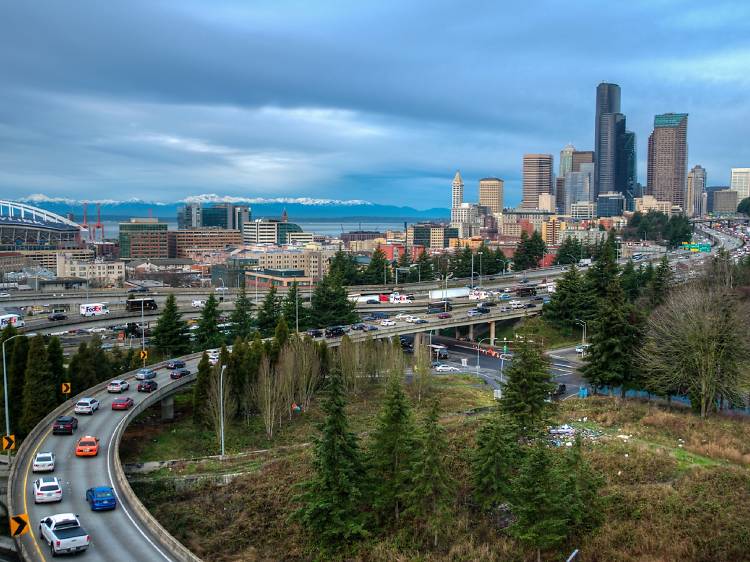
Arrival in Seattle: Navigating Your Destination
Upon arrival in Seattle, whether by car, train, or bus, you’ll find a city brimming with iconic landmarks and diverse neighborhoods.
- Iconic Landmarks: From the majestic Space Needle to the bustling Pike Place Market, Seattle offers a wealth of attractions. Explore the vibrant Chihuly Garden and Glass, delve into the history of flight at the Museum of Flight, or wander through the unique shops and eateries at Pike Place Market.
- Neighborhoods to Explore: Seattle is a city of distinct neighborhoods, each with its own character. Consider exploring the trendy shops and cafes of Ballard, the bohemian atmosphere of Fremont with its famous Fremont Troll, or the historic charm of Pioneer Square.
- Accommodation Options: Seattle offers a wide range of accommodations to suit every travel style and budget. From luxury hotels like the Fairmont Olympic Hotel and Four Seasons Hotel Seattle to boutique inns and budget-friendly hostels, you’ll find the perfect place to rest after your journey. Consider areas like downtown for easy access to attractions, or neighborhoods like Queen Anne for stunning city views. For longer stays or families, apartment rentals or villas in quieter residential areas might be more suitable.
- Culinary Delights: The food scene in Seattle is a major draw, with everything from fresh seafood at Taylor Shellfish Oyster Bar to world-renowned coffee at Starbucks Reserve Roastery. Don’t miss the opportunity to sample local delicacies and explore the diverse culinary landscape.
The relatively short distance between Portland and Seattle makes it an ideal destination for a spontaneous trip or a well-planned adventure, offering a perfect blend of urban excitement and natural beauty.
LifeOutOfTheBox is a participant in the Amazon Services LLC Associates Program, an affiliate advertising program designed to provide a means for sites to earn advertising fees by advertising and linking to Amazon.com. Amazon, the Amazon logo, AmazonSupply, and the AmazonSupply logo are trademarks of Amazon.com, Inc. or its affiliates. As an Amazon Associate we earn affiliate commissions from qualifying purchases.