
Navigating the complexities of civil rights after a felony conviction can be a daunting task, particularly when it comes to fundamental democratic participation like voting. For those residing in the Lone Star State, the question of whether a convicted felon can cast a ballot is a significant one, impacting countless individuals and their families. While the United States grants its citizens the right to vote, each state establishes its own regulations regarding felony disenfranchisement. In Texas, the path back to the ballot box after a felony conviction is specific and requires understanding the nuances of state law.

The overarching principle governing voting rights for felons in Texas revolves around the completion of one’s sentence. This includes not just prison time but also any supervised release, such as parole or probation, and the payment of all associated fines, fees, and restitution. Until these requirements are fully met, the right to vote remains suspended. This tiered approach aims to ensure that individuals have demonstrably fulfilled their legal obligations to society before regaining full civic engagement.
Understanding Texas Felony Disenfranchisement Laws
Texas law, like that of many other states, has historically placed restrictions on the voting rights of individuals convicted of felonies. These laws are rooted in a complex legal and historical context, often reflecting societal attitudes towards crime and punishment. The core of Texas‘s current legislation can be found in the Texas Election Code, which outlines the specific conditions under which a convicted felon may or may not vote.
The Sentence Completion Requirement
At the heart of Texas‘s felony voting laws is the concept of completing one’s sentence. This is not a simple matter of walking out of prison and immediately regaining voting rights. The law is quite clear: an individual convicted of a felony cannot vote unless they have completed their entire sentence. This encompasses several distinct components:
- Incarceration: This refers to any period of time spent in jail or prison as a direct consequence of the felony conviction.
- Parole: For many felony convictions, a period of parole follows incarceration. During parole, individuals are subject to strict supervision and must adhere to specific conditions. Voting rights are suspended throughout the entirety of the parole term.
- Probation: Similarly, individuals placed on community supervision, commonly known as probation, also have their voting rights suspended. This applies to both felony and misdemeanor probation, though the focus here is on felony convictions. The completion of probation, including all its terms and conditions, is essential.
- Supervised Release: This is a broader term that can encompass parole or other forms of supervised release from incarceration. Regardless of the specific terminology, any period of supervision following release from prison must be fully completed.
It is crucial to understand that even a single outstanding requirement, such as an unpaid fine or unfulfilled restitution, can render an individual ineligible to vote. The state requires a complete discharge from the legal consequences of the felony conviction.
The Role of Fines, Fees, and Restitution
A significant hurdle for many individuals seeking to restore their voting rights in Texas is the requirement to pay all outstanding fines, fees, and restitution ordered by the court. These financial obligations are often substantial and can accumulate over time. The Texas Election Code explicitly states that a person cannot vote if they are on parole, probation, or have been finally convicted of a felony, unless they have had their rights of citizenship, including the right to vote, restored. This restoration is intrinsically linked to the complete satisfaction of all court-ordered financial obligations.
This aspect of the law has been a point of contention and has led to various legal challenges and reforms. Advocates argue that these financial requirements can disproportionately affect low-income individuals, effectively creating a poll tax for former felons. While some reforms have been implemented to streamline the process or offer avenues for waiving certain fees, the fundamental obligation to pay remains a significant barrier for many.
The process of confirming that all fines, fees, and restitution have been paid can be complex. Individuals often need to interact with multiple county clerk offices and the Texas Department of Criminal Justice to obtain the necessary documentation. It is highly recommended that individuals proactively seek clarification from their county clerk or an attorney to ensure they have met all financial obligations.
Restoring Voting Rights After Sentence Completion
Once a convicted felon in Texas has demonstrably completed all aspects of their sentence, including incarceration, parole, probation, and the payment of all fines, fees, and restitution, their right to vote is automatically restored. Texas does not require a separate application or court order for the restoration of voting rights in these circumstances. This is a crucial distinction from some other states where a formal pardon or expungement process might be necessary.
Automatic Restoration of Rights
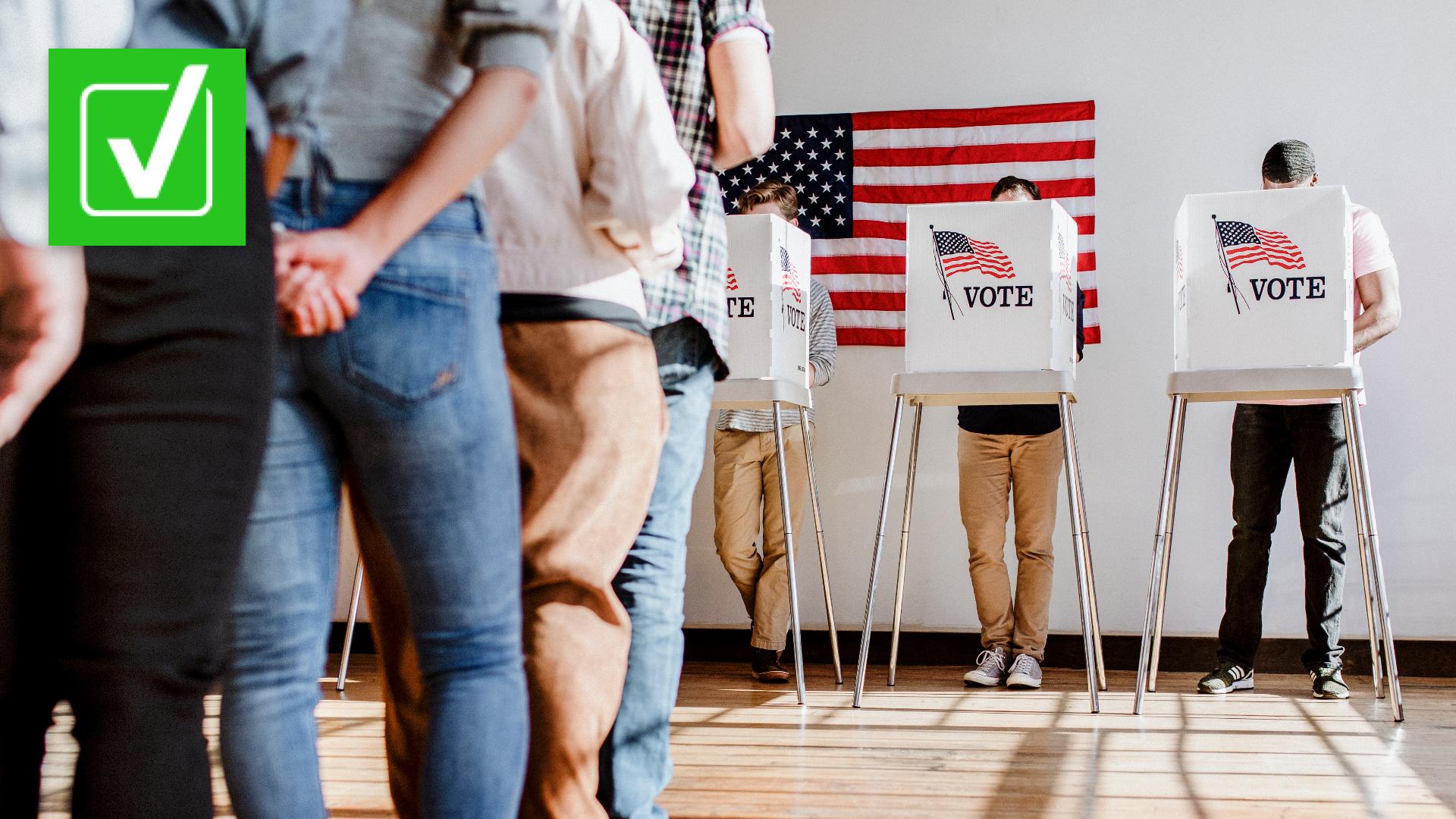
The principle of automatic restoration is intended to simplify the process for eligible individuals. As soon as all legal requirements are met, the disenfranchisement status is lifted. However, practical challenges can arise. The voter registration process itself still needs to be completed. This means that an individual whose rights have been automatically restored must then register to vote, just like any other eligible citizen in Texas.
The voter registration deadline is typically 30 days before an election. Therefore, individuals who have recently completed their sentences must be mindful of this deadline to ensure they can participate in upcoming elections. They will need to fill out a voter registration application and submit it to their local voter registrar.
The Importance of Voter Registration
Even with the automatic restoration of voting rights, the act of registering to vote is a mandatory step. An individual cannot simply show up at a polling place on election day assuming their right to vote has been reinstated. The county voter registrar maintains the official list of registered voters, and election officials rely on this list to verify eligibility at the polls.
The voter registration process in Texas involves:
- Eligibility Check: Confirming that you meet all the state’s eligibility requirements, including having completed your felony sentence and all associated obligations.
- Application: Completing a voter registration application form. These forms are available online through the Texas Secretary of State’s website, from county clerk offices, public libraries, and other government agencies.
- Submission: Returning the completed application to your local county voter registrar. This can often be done by mail or in person.
- Confirmation: After processing, you should receive a voter registration certificate by mail. This is proof that you are registered to vote.
It is essential to keep your voter registration information up-to-date. If you move or change your name, you must re-register or update your existing registration.
Navigating the Nuances and Seeking Assistance
The laws surrounding felony disenfranchisement can be intricate, and individual circumstances can vary significantly. For those seeking to exercise their right to vote in Texas after a felony conviction, understanding the specific details of their case is paramount.
Seeking Legal Counsel and Clarification
When in doubt, seeking professional legal advice is highly recommended. Attorneys specializing in election law or criminal defense can provide personalized guidance based on the specifics of a felony conviction, the terms of the sentence, and any outstanding obligations. They can help interpret court orders, understand payment requirements, and navigate the process of confirming sentence completion.
Additionally, various non-profit organizations and advocacy groups in Texas are dedicated to assisting former felons in restoring their civil rights. These organizations often provide free or low-cost legal services, educational resources, and support throughout the process of re-registering to vote. They can be invaluable allies in understanding complex legal jargon and connecting individuals with the resources they need.
Resources for Former Felons in Texas
Several state and local agencies can offer assistance and information:
- Texas Secretary of State: The Texas Secretary of State’s office provides information on voter registration and election procedures. Their website is a valuable resource for official forms and guidelines.
- County Clerk Offices: Each county’s clerk office is responsible for maintaining voter registration records and can provide assistance with registration applications and information about local election processes.
- Texas Department of Criminal Justice (TDCJ): For individuals who have been incarcerated or are on parole or probation, the TDCJ can provide official documentation confirming the completion of sentences and release dates. This documentation can be crucial when verifying eligibility.
The journey back to the ballot box after a felony conviction in Texas is a process that demands attention to detail and a thorough understanding of state law. While the path can be challenging, Texas law provides for the automatic restoration of voting rights upon completion of the sentence and satisfaction of all financial obligations. By understanding these requirements and seeking appropriate assistance, convicted felons can reclaim their right to participate in the democratic process. This fundamental right, once regained, allows individuals to have a voice in shaping their communities and their futures.
LifeOutOfTheBox is a participant in the Amazon Services LLC Associates Program, an affiliate advertising program designed to provide a means for sites to earn advertising fees by advertising and linking to Amazon.com. Amazon, the Amazon logo, AmazonSupply, and the AmazonSupply logo are trademarks of Amazon.com, Inc. or its affiliates. As an Amazon Associate we earn affiliate commissions from qualifying purchases.