
California, a state synonymous with diverse landscapes, from the sun-kissed beaches of Southern California to the majestic peaks of the Sierra Nevada Mountains, offers an unparalleled experience for outdoor enthusiasts. Beyond its world-renowned landmarks and vibrant cities like Los Angeles and San Francisco, California also boasts a rich tradition of hunting, inviting both seasoned hunters and newcomers to connect with nature on a profound level. For those captivated by the call of the wild and considering a hunting adventure within the Golden State, understanding the process of acquiring a hunting license is the crucial first step.
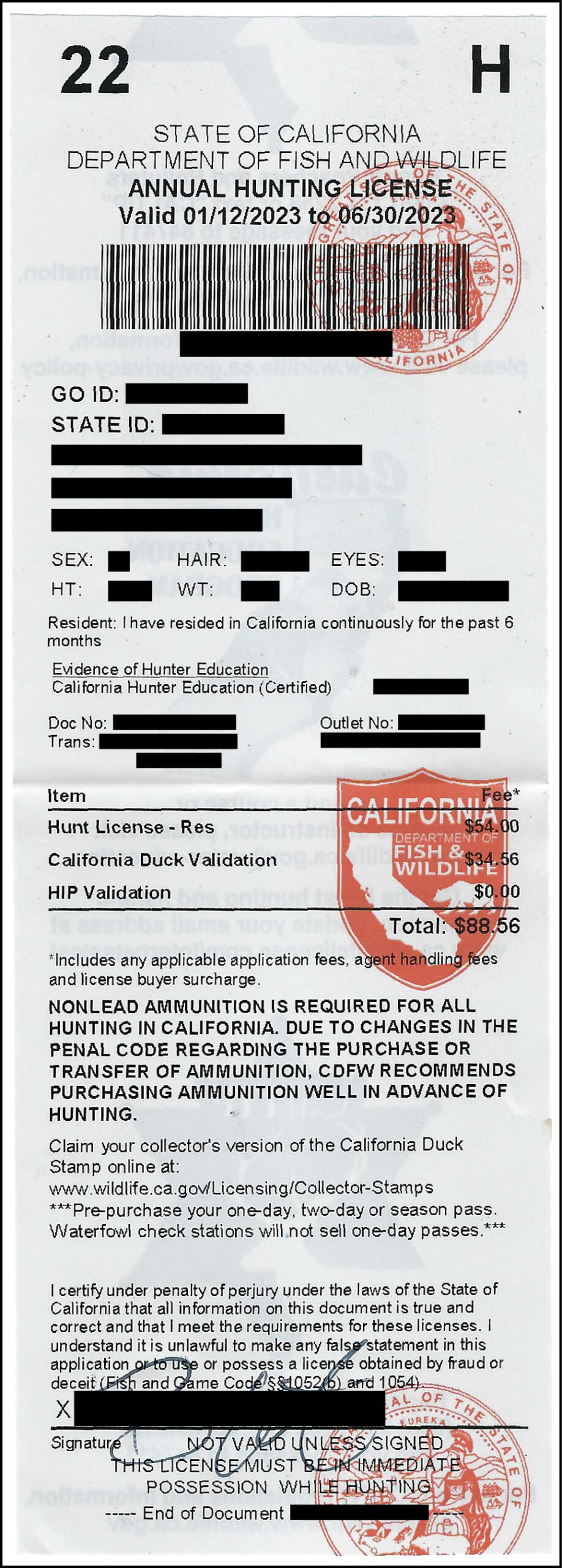
This comprehensive guide delves into the specifics of obtaining a hunting license in California, weaving in insights that align with a broader travel and lifestyle perspective. Whether you envision a rugged, budget-friendly hunting trip or a luxurious outdoor retreat, the journey begins with proper preparation and adherence to the state’s regulations. We’ll explore not only the bureaucratic necessities but also how a hunting trip can be seamlessly integrated into a wider California travel itinerary, offering unique accommodation options and unforgettable tourism experiences.
Understanding California’s Diverse Hunting Landscape
Before delving into the technicalities of licenses, it’s essential to appreciate what makes California a unique hunting destination. The state’s incredible biodiversity means a variety of game species, habitats, and hunting methods, making it an attractive location for diverse hunting interests.
Why Hunt in California? A Blend of Adventure and Natural Beauty
Hunting in California offers more than just the pursuit of game; it’s an immersive experience in some of the most stunning natural environments in North America. From the vast, undulating hills of the Central Valley to the dense forests of the North Coast and the challenging terrain of the Mojave Desert, the state presents an array of hunting opportunities. Popular game species include deer (with various subspecies like Blacktail and Mule deer), wild pigs, waterfowl, upland game birds such as quail and pheasant, and even big game like bears and elk in specific regions and with highly regulated tags.
For the travel enthusiast, combining a hunting expedition with other California attractions is a common and rewarding practice. Imagine spending a few days tracking game in a national forest, then unwinding at a boutique hotel in Napa Valley or exploring the vibrant culinary scene in San Diego. This fusion of adrenaline and relaxation caters to various lifestyle preferences, from rugged outdoor adventurers to those seeking a more refined “glamping” experience. The diverse landscapes also mean different travel styles are accommodated, from RV tours through state parks to luxurious guided hunting excursions that include premium accommodation and gourmet dining.
Key Regulations and Seasons: Navigating the Legalities
The California Department of Fish and Wildlife (CDFW) is the governing body responsible for all hunting regulations, seasons, and licensing in the state. Their mission is to manage and conserve California’s fish, wildlife, plants, and their habitats, ensuring sustainable hunting opportunities for current and future generations.
Hunting seasons vary significantly depending on the game species and the specific hunting zone. For instance, deer season typically runs from late summer through fall, while waterfowl seasons are generally in the winter months. Understanding these regulations is paramount for ethical and legal hunting. Ignorance of the law is not an excuse, and penalties for violations can be severe, including fines, license revocation, and even imprisonment. Therefore, consulting the most current California Hunting Regulations handbook, published annually by the CDFW, is an absolute necessity for any hunter planning a trip. This handbook is an invaluable resource that details everything from legal hunting hours to weapon restrictions and bag limits.
The Essential Steps to Obtaining Your California Hunting License
Acquiring a hunting license in California involves several key steps designed to ensure safety, knowledge, and responsible hunting practices. Whether you’re a resident or a non-resident, the process requires careful attention to detail and planning.
Hunter Education Requirement: The Foundation of Responsible Hunting
The cornerstone of hunting licensure in California is the hunter education requirement. With very few exceptions, every first-time hunter, regardless of age, must complete a hunter education course approved by the CDFW and receive a certificate of completion. This course covers crucial topics such as firearm safety, hunting ethics, wildlife conservation, proper field care of game, and hunting regulations.
Hunter education courses are offered in various formats: traditional classroom settings, online courses followed by a required “field day” (practical application and shooting proficiency), or a hybrid approach. For those traveling to California specifically for hunting, completing an online course in advance and then scheduling a field day upon arrival can be a convenient option. Many certified instructors operate across the state, often in areas popular with hunters, such as around Sacramento, Fresno, or Redding.
This requirement underscores a commitment to safety and ethical conduct, vital components of the “lifestyle” aspect of hunting. It ensures that all participants understand their role in conservation and responsible outdoor recreation. For those who completed a hunter education course in another state or country that is recognized by the International Hunter Education Association (IHEA), California generally accepts these certificates, simplifying the process for experienced hunters relocating or visiting.
Purchasing Your License and Tags: Navigating the System
Once you’ve fulfilled the hunter education requirement, you’re ready to purchase your hunting license. Licenses are valid for a calendar year (January 1 to December 31).
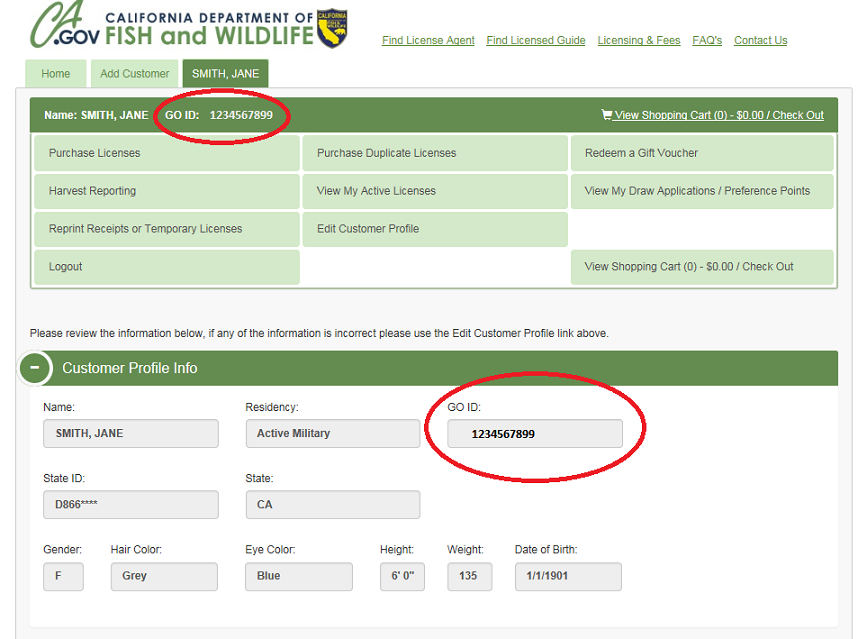
- Where to Buy: Hunting licenses can be purchased directly from the CDFW website, through authorized license agents (often sporting goods stores, bait and tackle shops, and some hardware stores located throughout California), or at CDFW regional offices. Online purchase is often the most convenient for travelers.
- Types of Licenses:
- Resident vs. Non-Resident: Non-resident licenses are significantly more expensive than resident licenses, reflecting the state’s interest in funding conservation through out-of-state visitors. For non-residents, considering the overall travel budget, including the license fee, accommodation, and travel expenses, is crucial.
- Junior Licenses: Special licenses are available for youth, encouraging participation in outdoor activities and fostering a new generation of conservationists.
- Annual vs. One-Day/Two-Day: While annual licenses are standard, some specific game hunts (like upland game birds) might offer short-term licenses, though these are less common for big game.
- Tags and Endorsements: Beyond the general hunting license, specific “tags” or “endorsements” are required for certain game species. For example, deer hunting requires a deer tag, waterfowl hunting requires a California Duck Validation and a federal Duck Stamp, and hunting for upland game birds typically requires an Upland Game Bird Validation. These additional stamps, tags, and validations are critical and must be acquired before you hunt that specific species. They often come with specific reporting requirements after a successful hunt.
Understanding Specific Permits and Drawings: Big Game and Limited Entry Hunts
For many of California’s most sought-after big game species, such as deer in specific zones, elk, bighorn sheep, and bear, hunters must apply for tags through a lottery or drawing system. This system is designed to manage wildlife populations and ensure sustainable harvest levels.
- Application Process: Applications for these drawings are typically submitted online through the CDFW license sales system, usually several months in advance of the hunting season (e.g., spring for fall deer hunts).
- Preference Points: California uses a preference point system for some drawings. If you apply and are unsuccessful, you accrue a preference point, which increases your odds in subsequent years. This means hunters often plan multi-year strategies for highly desired tags.
- Special Hunts: The CDFW also offers special hunts on public lands, sometimes in areas not usually open to hunting, or with specific regulations. These are often limited entry and also require applications through a drawing system.
For travelers, especially those coming from out of state, understanding these application deadlines and drawing odds is vital. It influences travel planning, accommodation bookings, and overall expectations for a hunting trip. A successful draw can define the entire itinerary for a unique California hunting and tourism experience.
Planning Your California Hunting Adventure
With your license and tags secured, the real planning for your California hunting adventure begins. This involves choosing your destination, arranging accommodation, and considering how to integrate the hunt into a broader travel experience.
Choosing Your Hunting Zone and Species: Tailoring Your Trip
California is divided into numerous hunting zones, each with distinct habitats and game populations. Your choice will largely depend on the species you wish to pursue and the type of terrain you prefer.
- Deer Hunting: Deer hunting zones (e.g., A, B, C, D, X zones) cover vast areas, from the coastal mountains to the high Sierras. Researching specific zones and their success rates is key. For instance, the B zones near the North Coast and Shasta-Trinity National Forest are popular for Blacktail deer, while X zones in the eastern Sierras offer Mule deer, often requiring a drawn tag.
- Wild Pig Hunting: Wild pigs are abundant in many areas, particularly in the oak woodlands of the Central Coast and inner coastal ranges. They offer a challenging and rewarding hunt, often with more flexible seasons.
- Waterfowl: The Central Valley and wetlands around areas like the Suisun Marsh are renowned for duck and goose hunting, attracting hunters from across the country.
- Upland Game Birds: Quail, dove, pheasant, and chukar can be found in various habitats, from desert fringes to agricultural areas.
Considering the specific destination within these zones is also crucial for travel logistics. Some popular public hunting lands include national forests (like the Los Padres National Forest or the Six Rivers National Forest), Bureau of Land Management (BLM) lands, and state wildlife areas. Many of these areas are also spectacular natural landmarks, offering scenic beauty even outside the hunt.
Accommodation & Logistics: Blending Comfort with the Outdoors
Your choice of accommodation can significantly enhance your hunting trip, catering to various budgets and lifestyle preferences.
- Rustic & Budget-Friendly: For the rugged adventurer, camping on public lands (national forests, BLM lands) or in designated state campgrounds is an economical and immersive option. Many hunters bring RVs or travel trailers, setting up comfortable base camps. This aligns perfectly with budget travel strategies and offers an authentic connection with the wilderness.
- Comfortable & Convenient: Mid-range hotels and motels are available in towns bordering popular hunting areas. Cities like Bishop (near the eastern Sierras), Ukiah ( Mendocino County), or Bakersfield (for Central Valley access) offer a range of options, from basic stays to more comfortable chains. Booking in advance, especially during peak seasons, is advisable. Websites like lifeoutofthebox.com can be invaluable for comparing reviews and finding the perfect spot.
- Luxury & Guided Experiences: For those seeking a higher-end experience, various private ranches and guided outfitters in California offer all-inclusive hunting packages. These often include luxurious hunting lodges, gourmet meals, experienced guides, and all necessary gear, transforming a hunt into a premium lifestyle vacation. Such experiences might be found in areas like Tehama County or parts of the Central Coast. This caters to the “luxury travel” aspect, where the hunt is part of a broader, upscale outdoor retreat.
- Cabin & Vacation Rentals: Renting a cabin or an Airbnb/VRBO near your hunting grounds can offer a blend of privacy, comfort, and self-catering flexibility, especially for groups or families. This is a popular option in regions like Lake Tahoe or near Yosemite National Park (though hunting is not permitted inside the park, surrounding national forests offer opportunities).
Logistically, consider the proximity to your hunting zone, access roads, fuel availability, and basic services. Gear rental (e.g., ATVs for access, specialized hunting equipment) might also be a consideration for those traveling light.
Beyond the Hunt: Exploring California’s Offerings
Integrating other tourism activities can enrich your California hunting trip, especially if you’re traveling with non-hunting companions or simply wish to experience more of the Golden State.
- National Parks & Forests: Many hunting zones are adjacent to or encompass parts of California’s stunning national parks (like Lassen Volcanic National Park or Sequoia National Park) or national forests. While hunting isn’t allowed within national parks, their proximity offers incredible opportunities for hiking, photography, and wildlife viewing.
- Wine Tasting & Culinary Tours: After a strenuous hunt, relaxing in Sonoma County or Paso Robles Wine Country for world-class wine tasting and gourmet dining can be an excellent way to unwind.
- Coastal Drives & Beach Towns: If your hunt is in a coastal range, extending your trip to explore Highway 1 and charming beach towns like Carmel-by-the-Sea or Santa Barbara offers a delightful contrast.
- Cultural Experiences: California’s cities are rich in cultural attractions, from museums and art galleries in San Francisco to theme parks and historical missions throughout the state.
These additional activities transform a single-purpose hunting trip into a multi-faceted California travel experience, appealing to a broader definition of lifestyle and tourism.
Responsible Hunting and Conservation in California
Obtaining a hunting license is not just about legal compliance; it’s a commitment to responsible outdoor stewardship and conservation. California’s hunting community plays a vital role in funding and supporting wildlife management and habitat restoration.
Ethical Hunting Practices: Respect for Wildlife and Land
Adhering to ethical hunting practices is fundamental. This includes fair chase principles, which prohibit the use of unethical methods or technologies that give an unfair advantage over the animal. It also means showing respect for wildlife, landowners, and other outdoor users. Proper shot placement to ensure a quick and humane kill, careful tracking of wounded animals, and preventing waste of game meat are all hallmarks of an ethical hunter. Leaving no trace, respecting private property boundaries, and understanding that public lands are shared resources for everyone (hikers, campers, photographers) are also crucial. This aspect of hunting aligns with a lifestyle of deep respect for nature and a commitment to its preservation.
Conservation Efforts & Your Role: Funding the Future
Every hunting license, tag, and validation purchased in California contributes directly to wildlife conservation. The funds generated through license sales are allocated to the CDFW for wildlife research, habitat acquisition and restoration, law enforcement, and educational programs. This user-pay, public-benefit model is the backbone of wildlife conservation in North America.
By participating in hunting, you are actively supporting the health and sustainability of California’s diverse ecosystems. Beyond purchasing licenses, hunters can also contribute by participating in volunteer projects, joining conservation organizations (like Ducks Unlimited or the Rocky Mountain Elk Foundation), and advocating for sound wildlife management policies. Your hunting trip, therefore, becomes not just a personal adventure but a direct investment in the future of California’s natural heritage and a sustainable tourism model.
Obtaining a hunting license in California is an accessible process for anyone committed to learning and respecting the state’s wildlife resources. It’s an invitation to explore stunning landscapes, connect with nature on an intimate level, and participate in a time-honored tradition that contributes directly to conservation. Whether you’re seeking the thrill of the chase, the tranquility of the wilderness, or a unique addition to your California travel itinerary, the Golden State offers a rewarding hunting experience that integrates seamlessly with diverse travel, accommodation, and lifestyle preferences. Plan wisely, hunt responsibly, and embrace the adventure that awaits in California’s magnificent outdoors.
LifeOutOfTheBox is a participant in the Amazon Services LLC Associates Program, an affiliate advertising program designed to provide a means for sites to earn advertising fees by advertising and linking to Amazon.com. Amazon, the Amazon logo, AmazonSupply, and the AmazonSupply logo are trademarks of Amazon.com, Inc. or its affiliates. As an Amazon Associate we earn affiliate commissions from qualifying purchases.