
Navigating the vast state of Texas can be an incredible adventure. From the vibrant culture of Austin to the historic charm of San Antonio, and the bustling energy of Dallas and Houston, there’s a wealth of experiences awaiting every traveler. For individuals with mobility challenges, ensuring accessibility and convenience is paramount to enjoying these Texas destinations to their fullest. This is where a Texas handicap placard, also known as a handicapped parking permit or disability placard, becomes an invaluable tool. It grants access to designated accessible parking spaces, making travel smoother and more enjoyable. This guide will walk you through the straightforward process of obtaining one.

Understanding Texas Handicap Placards
A Texas handicap placard is issued by the Texas Department of Motor Vehicles (DMV). It allows eligible individuals to park in spaces reserved for people with disabilities, which are typically located closer to entrances of businesses, attractions, and public facilities. This significantly reduces the distance one needs to travel, enhancing comfort and independence.
There are two main types of placards:
- Disabled Parking Placard (Blue): This is for individuals with a disability that substantially limits one or more of their major life activities, or who have a condition that makes it impossible to walk 200 feet without assistance.
- Disabled Veteran Placard (Red): This is for veterans who have a service-connected disability rated as 50% or more, or who have lost the use of a limb or have a permanent disability that makes walking difficult.
Both types offer similar parking privileges. The placard hangs from the rearview mirror when the vehicle is parked in a designated space and is removed when the vehicle is in motion. It is important to remember that the placard is tied to the individual, not the vehicle. This means you can use it in any vehicle you are a passenger in, not just your own.
Eligibility Criteria
To be eligible for a Texas handicap placard, you must meet specific medical criteria as defined by Texas state law. Generally, you are eligible if you:
- Are unable to walk 200 feet without stopping to rest.
- Are unable to walk without the use of a brace, cane, crutch, prosthetic device, wheelchair, or other assistive device, or without the assistance of another person.
- Have a lung disease that requires the use of a portable oxygen supply.
- Have a severe limitation in your ability to walk due to an arthritic, neurological, or orthopedic condition.
- Have a condition that is not a walking-related disability but that requires the use of a wheelchair, prosthetic device, or other assistive device to ambulate.
- Are a disabled veteran with a service-connected disability rated as 50% or more, or have lost the use of a limb or have a permanent disability that makes walking difficult.
It is crucial to consult with a licensed medical professional to determine if your condition meets these requirements.
The Application Process: Step-by-Step
Obtaining a Texas handicap placard is a relatively simple process, primarily involving a medical certification and an application form.
Step 1: Obtain a Medical Certification
The first and most critical step is to get your condition certified by a qualified medical professional. This includes:
- A physician licensed by the Texas Medical Board.
- A podiatrist licensed by the Texas State Board of Podiatric Examiners.
- An optometrist licensed by the Texas Optometry Board (for vision impairments only).
- A chiropractor licensed by the Texas Board of Chiropractic Examiners (only for conditions that limit mobility and require the use of an assistive device).
- A physician or surgeon commissioned in the United States Public Health Service or the United States Armed Forces.
You will need to download and complete the “Application for Persons with a Disability Parking Placard” form (Form MV-122) from the Texas DMV website or obtain it from a local county tax assessor-collector’s office. The medical professional will then complete the relevant section of this form, certifying your disability. Ensure that they accurately describe your condition and how it impacts your mobility. This medical certification is valid for a specific period, often for a long-term disability, but it’s always good to check the specific validity period.
Step 2: Complete the Application Form
Once the medical professional has completed their section, you will need to fill out the remaining portions of the MV-122 form. This includes your personal information, such as your name, address, and driver’s license or ID number. If you are applying for a disabled veteran placard, you will need to provide proof of your veteran status and disability rating. This usually involves submitting a letter from the Department of Veterans Affairs (VA).
Step 3: Submit Your Application
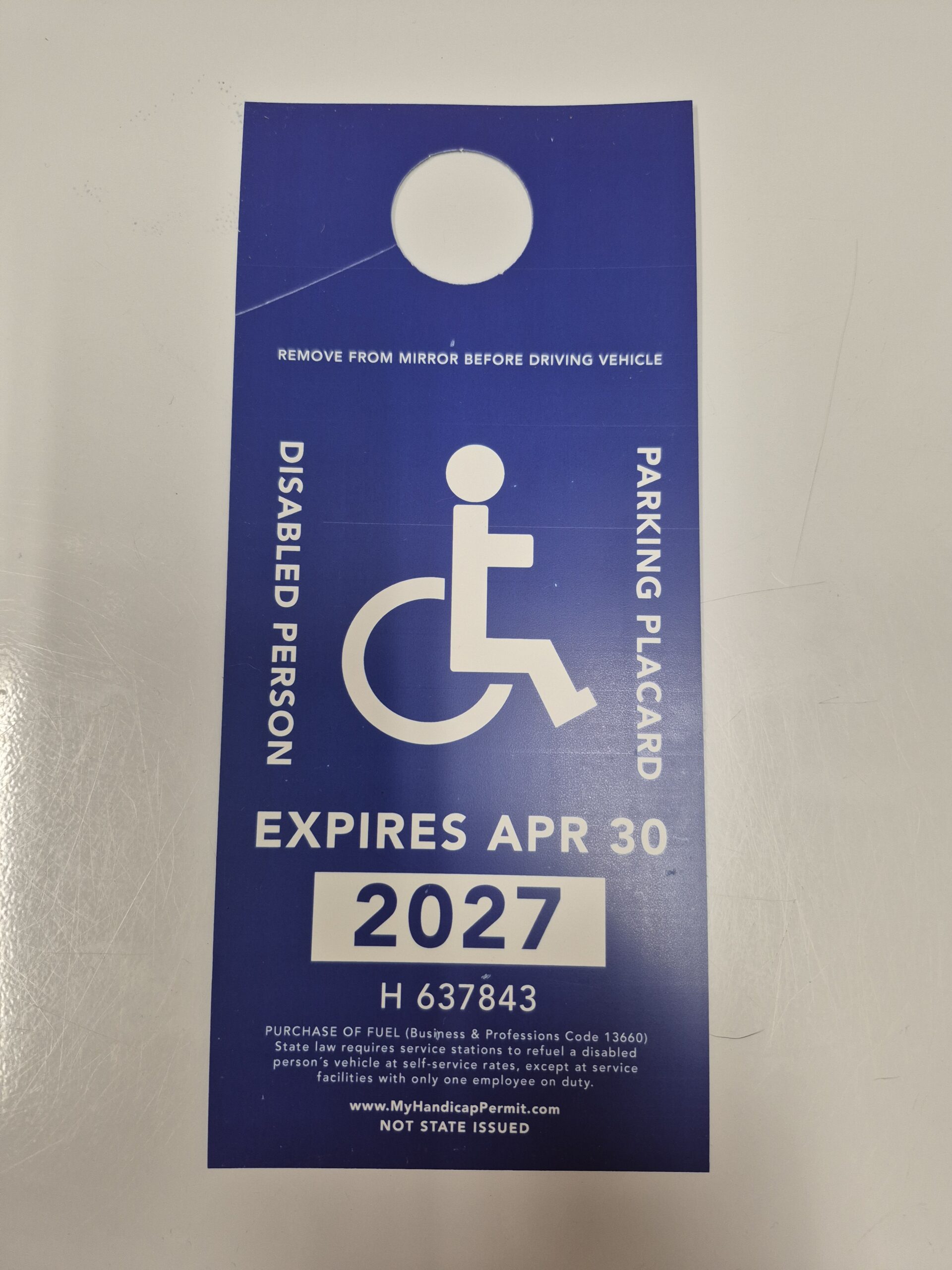
You have a few options for submitting your completed application:
- In Person: Visit your local county tax assessor-collector’s office. This is often the quickest way to get your placard, as they can process your application and issue the placard on the spot. Bring your completed MV-122 form, a valid Texas driver’s license or ID, and any required supporting documents (like your VA letter for disabled veteran placards). There is usually no fee for the placard itself, but the county office may charge a small administrative fee.
- By Mail: You can mail your completed application form and supporting documents to the Texas Department of Motor Vehicles. The address for submissions will be provided on the MV-122 form or the Texas DMV website. Mail processing can take longer than an in-person submission.
Important Note: Texas offers both temporary and permanent placards. Temporary placards are for conditions that are expected to improve within six months. These require a new medical certification each time you renew. Permanent placards are for individuals with long-term disabilities. These generally do not require a new medical certification for renewal, but the Texas DMV may periodically request updated medical information.
Maximizing Your Texas Travel with a Handicap Placard
Possessing a Texas handicap placard opens up a world of possibilities for more accessible and enjoyable travel throughout the Lone Star State. Planning your itinerary with accessibility in mind can further enhance your experience.
Accessible Attractions and Accommodations
Many of Texas‘s most popular attractions are making great strides in accessibility. Major theme parks like Six Flags Fiesta Texas in San Antonio and Schlitterbahn Waterpark in New Braunfels often have detailed accessibility guides on their websites, outlining ride access, companion services, and accessible restrooms.
Museums in cities like Houston and Dallas are also generally very accommodating. The Museum of Fine Arts, Houston and the Perot Museum of Nature and Science in Dallas are known for their accessible facilities. Historical sites such as The Alamo in San Antonio have made significant efforts to improve access to their grounds and exhibits.
When booking your accommodation in Texas, always inquire about accessibility features. Many hotels, including major chains like Hyatt and Marriott, offer accessible rooms with features like wider doorways, grab bars in bathrooms, and roll-in showers. Luxury resorts and boutique hotels are also increasingly catering to guests with disabilities. Websites like Booking.com and Expedia often have filters to search for accessible rooms. Consider resorts that offer inclusive amenities and experiences designed for everyone. For longer stays, looking into accessible apartments or villas can provide a more home-like experience with added conveniences.
Navigating Texas Cities and Beyond
When driving, remember that your handicap placard allows you to park in designated accessible spaces. These are usually clearly marked with the international symbol of access. Familiarize yourself with the specific rules and regulations regarding handicap parking in Texas to avoid any misunderstandings or citations. Most cities in Texas have ample accessible parking downtown and near major attractions.
For longer journeys between cities, consider the accessibility of public transportation. Major airports in Dallas/Fort Worth, Houston, and Austin are well-equipped to assist travelers with disabilities. Many bus services and train lines, such as Amtrak, also offer services and accommodations for passengers with mobility impairments. Researching these options in advance will ensure a smoother travel experience.
Remember, the goal of a handicap placard is to make your travels in Texas more comfortable and stress-free. Whether you’re exploring the vastness of Big Bend National Park, enjoying the culinary scene in Austin, or soaking in the history of Galveston, accessible parking ensures you can focus on the experiences rather than the logistics.
Maintaining Your Placard and Understanding Regulations
Once you have your Texas handicap placard, it’s essential to use it responsibly and be aware of its renewal process and associated regulations.
Renewal and Replacement
- Temporary Placards: As mentioned, these must be renewed after their expiration date, requiring a new medical certification each time.
- Permanent Placards: While considered permanent, they still have an expiration date (typically five years) and must be renewed. Renewal is generally a straightforward process handled by the county tax assessor-collector’s office and does not typically require a new medical certification unless specified by the Texas DMV. You will receive a renewal notice by mail.
- Lost or Stolen Placards: If your placard is lost or stolen, you can apply for a replacement by submitting a completed MV-122 form to the county tax assessor-collector’s office, indicating that it’s a replacement. There may be a small fee for a replacement placard.
Rules and Responsibilities
- Display: The placard must be hung from the rearview mirror when the vehicle is parked in an accessible space. Remove it when the vehicle is in motion.
- Usage: Only the person to whom the placard was issued can use it. It is illegal to allow someone else to use your placard, or to use a placard that belongs to someone else. This can result in fines and the revocation of your placard.
- Parking Violations: Misuse of accessible parking spaces can lead to significant fines. Always ensure you are parked within the lines of the designated space and that your placard is valid and properly displayed.
- Out-of-State Recognition: Texas handicap placards are recognized in other United States and Canada under federal law and reciprocity agreements. Similarly, placards issued by other states are generally valid for parking in Texas. However, it’s always prudent to be aware of local parking regulations, as specific rules can vary.
By understanding and adhering to these regulations, you can ensure your Texas handicap placard continues to serve its purpose, facilitating your travel and making your exploration of the Lone Star State a truly enjoyable and accessible experience. Whether you’re planning a visit to a historic landmark, enjoying a luxurious resort stay, or exploring the local tourism scene, having this essential permit allows you to focus on the adventure.
LifeOutOfTheBox is a participant in the Amazon Services LLC Associates Program, an affiliate advertising program designed to provide a means for sites to earn advertising fees by advertising and linking to Amazon.com. Amazon, the Amazon logo, AmazonSupply, and the AmazonSupply logo are trademarks of Amazon.com, Inc. or its affiliates. As an Amazon Associate we earn affiliate commissions from qualifying purchases.