
While the title of this article might suggest a deep dive into the intricate legal and administrative steps of establishing a charitable entity in the Lone Star State, our exploration will take a slightly different, yet equally vital, perspective. For those passionate about creating positive change and fostering community engagement, understanding how a nonprofit aligns with the vibrant tapestry of Texas’s tourism and lifestyle sectors can unlock a world of impactful opportunities. Imagine a nonprofit dedicated to preserving historic Texas dance halls, or one that champions sustainable ecotourism in the Big Bend National Park. The possibilities are as vast as the Texan landscape itself. This article will weave together the essence of nonprofit formation with the exciting potential of leveraging Texas’s rich cultural heritage and breathtaking destinations to build a sustainable and impactful organization.
Laying the Groundwork: Vision, Mission, and Purpose
Before any paperwork is filed, the heart of a nonprofit organization beats with a clear vision and a well-defined mission. In Texas, a state brimming with unique attractions and a strong sense of local pride, this foundational step is crucial for attracting support and ensuring long-term success.
Defining Your Mission and Vision
A nonprofit’s mission statement is its guiding star, articulating what it aims to achieve and for whom. For instance, a mission could be to “promote and preserve the rich cultural heritage of South Texas through educational programs and community events.” Conversely, a vision statement paints a picture of the future you aim to create, such as “a Texas where its unique cultural traditions are celebrated and accessible to all.”
When considering the tourism and lifestyle landscape of Texas, your mission and vision can be powerfully intertwined with its existing strengths. Are you passionate about the culinary delights of San Antonio? Perhaps your nonprofit could focus on supporting local chefs and food artisans, thereby enhancing the gastronomic tourism experience for visitors and residents alike. Or maybe you’re inspired by the luxurious resorts and boutique hotels scattered across the state, from the sprawling ranches near Austin to the charming coastal inns of Galveston. Your nonprofit could then aim to develop sustainable tourism practices that benefit these establishments and the communities they serve.
Identifying Your Target Audience and Needs
Understanding who you want to serve and what needs you aim to address is paramount. In Texas, this could mean supporting local artists, providing educational opportunities for children in underserved communities, conserving natural landmarks, or promoting heritage tourism. For example, a nonprofit focused on the iconic Alamo could aim to create immersive educational experiences for students, connecting them with Texas history in a tangible way. Another could focus on the diverse ecosystems, working to protect and promote ecotourism in areas like the Texas Hill Country.
The key is to identify a genuine need that resonates with potential donors, volunteers, and beneficiaries. Consider the growing interest in authentic travel experiences. A nonprofit that partners with local communities to offer unique cultural immersion activities, like traditional craft workshops or guided tours focusing on local folklore, can tap into this trend effectively. Similarly, with the increasing demand for sustainable and responsible travel, a nonprofit dedicated to promoting eco-friendly accommodations and practices could find significant traction.
Navigating the Legal Landscape: Texas Specifics and Federal Recognition
Establishing a nonprofit requires adherence to both state and federal regulations. In Texas, this involves specific steps to ensure your organization is legally recognized and can operate as a tax-exempt entity.
Incorporating in Texas
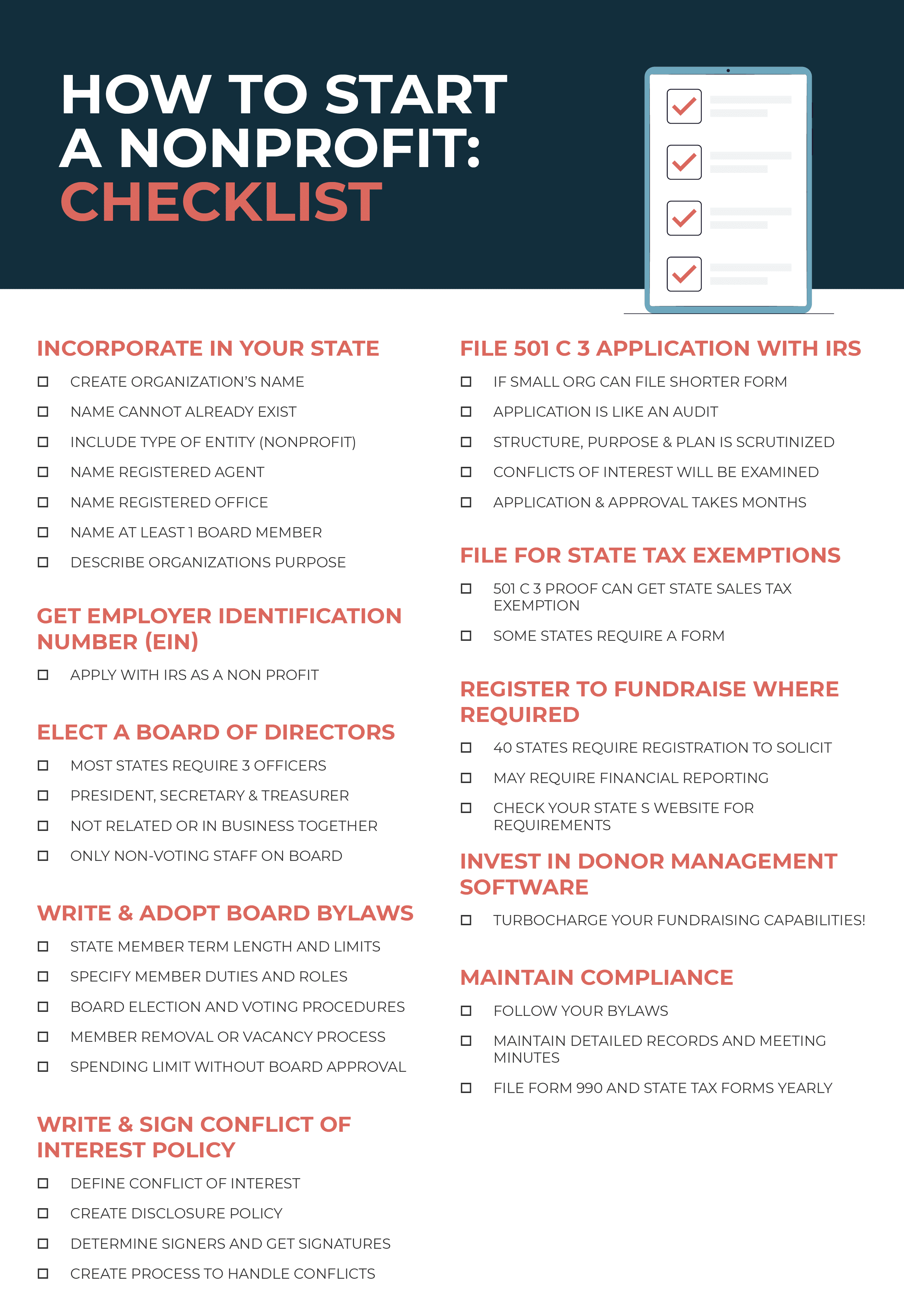
The first formal step is usually to incorporate your nonprofit in the state of Texas. This typically involves filing Articles of Incorporation with the Texas Secretary of State. These documents will outline the organization’s name, purpose, registered agent, and initial board of directors. Choosing a name that is both memorable and reflective of your mission is important, and it’s wise to check for availability with the state.
When considering how your nonprofit can interact with Texas’s vast tourism industry, think about how your incorporation can be a springboard for partnerships. For instance, a nonprofit focused on preserving historic theaters could partner with hotels in cities like Dallas or Houston to offer discounted show tickets or pre-theater dining packages. These collaborations not only raise funds for the nonprofit but also enhance the visitor experience, creating a symbiotic relationship.
Obtaining Tax-Exempt Status (501(c)(3))
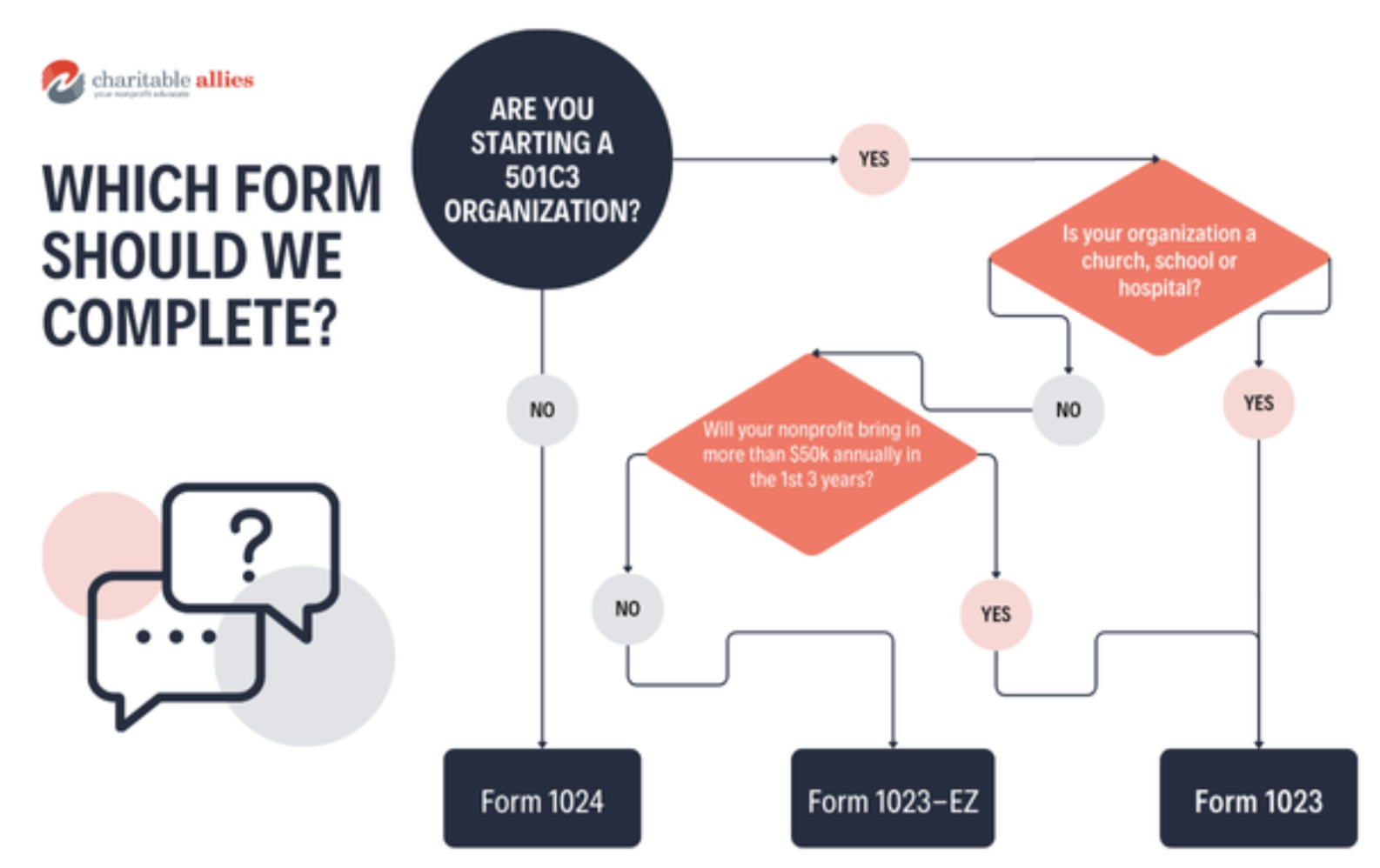
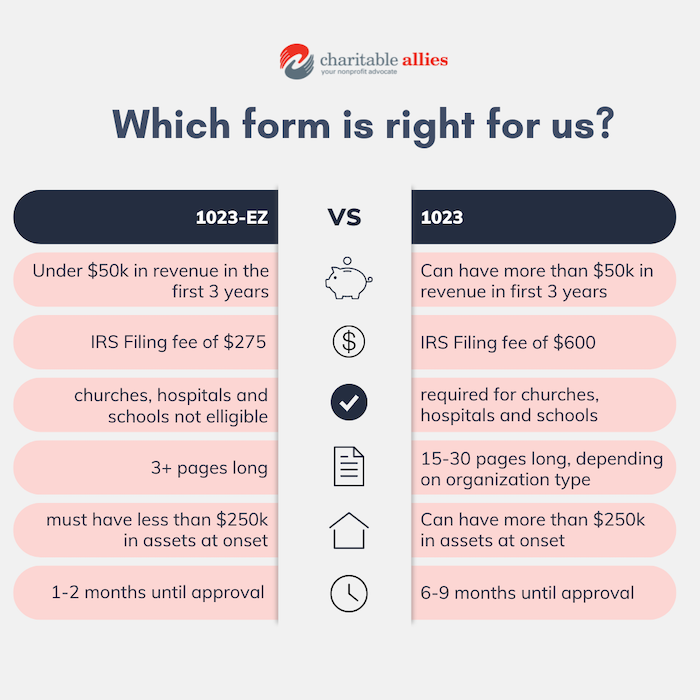
The most common form of tax-exempt status for nonprofits is 501(c)(3) granted by the Internal Revenue Service (IRS). This designation allows your organization to receive tax-deductible donations, a critical factor for fundraising. The application process involves submitting Form 1023, a detailed document that requires information about your organization’s structure, activities, and finances. This application requires careful attention to detail and a clear articulation of how your organization meets the IRS’s requirements for charitable purposes.
For a nonprofit aiming to contribute to Texas’s travel and tourism sector, demonstrating a clear public benefit is key to securing 501(c)(3) status. For example, a nonprofit dedicated to promoting the natural beauty of areas like the Texas coast could highlight its efforts in conservation, environmental education, and sustainable tourism initiatives. This directly benefits the public by preserving natural resources for future enjoyment and education. Similarly, an organization focused on supporting local artisans and cultural heritage can showcase how it preserves traditions and contributes to the unique identity of Texas, making it an attractive destination for cultural tourism.
Key Governance and Compliance
Once incorporated and granted tax-exempt status, a nonprofit must adhere to ongoing governance and compliance requirements. This includes holding regular board meetings, keeping accurate financial records, filing annual reports with the state and IRS (such as Form 990), and maintaining transparency with donors and the public. Understanding these responsibilities is crucial for maintaining good standing and public trust.
For a nonprofit deeply involved in the lifestyle and accommodation sectors of Texas, compliance also extends to ethical practices in partnerships. If your organization collaborates with hotels or resorts, ensuring fair agreements and transparent reporting of any financial benefits is essential. This builds credibility and strengthens the relationships with your partners, which might include luxury brands like The Ritz-Carlton, Dallas or smaller, independent boutique hotels.
Building Your Nonprofit’s Presence and Impact
With the legal framework in place, the focus shifts to building a strong organization that can effectively achieve its mission and make a tangible impact within Texas and beyond.
Fundraising and Resource Development
Securing financial resources is vital for any nonprofit. This involves developing a comprehensive fundraising strategy that may include individual donations, grants from foundations, corporate sponsorships, and fundraising events. Given Texas’s diverse economy and philanthropic landscape, opportunities abound for partnerships.
Imagine a nonprofit focused on supporting the vibrant music scene in Austin. Fundraising efforts could include organizing benefit concerts at iconic venues, partnering with local businesses for donation drives, or seeking grants from arts foundations. For a nonprofit dedicated to promoting Texas’s culinary tourism, partnerships with restaurants, wineries, and food festivals could be lucrative. Think of collaborations with well-known culinary institutions or events like the State Fair of Texas.
Marketing and Outreach
Effectively communicating your mission and impact to the public is essential for attracting donors, volunteers, and beneficiaries. This involves creating a compelling brand identity, developing a website, utilizing social media, and engaging in public relations efforts.
In the context of travel and tourism, a nonprofit can leverage its activities to attract media attention and public interest. A nonprofit dedicated to preserving historic landmarks, for example, could host special events or offer guided tours that highlight the historical significance of places like the San Jacinto Monument. This not only raises awareness but also encourages tourism to these sites. For a nonprofit focusing on family travel experiences, creating engaging content about child-friendly attractions and activities across Texas, such as theme parks like Six Flags Fiesta Texas or educational museums, can draw significant attention.
Building Partnerships and Collaborations
Strategic partnerships can significantly amplify a nonprofit’s reach and impact. Collaborating with other nonprofits, community organizations, government agencies, and businesses can lead to shared resources, expanded programming, and greater collective impact.
For a nonprofit aiming to enhance the travel experience in Texas, collaborations are key. Imagine a nonprofit focused on promoting the natural beauty of the Texas Parks and Wildlife Department‘s sites. Partnerships with local hotels offering “eco-stay” packages that include guided nature walks or educational talks could be highly effective. Similarly, a nonprofit dedicated to showcasing the diverse cultural tapestry of Texas, from the vibrant arts scene in Fort Worth to the historical sites in Goliad, could partner with tourism boards, hotels, and local businesses to create integrated travel itineraries that highlight authentic Texan experiences. These collaborations can transform a simple visit into a deeply enriching journey.
By thoughtfully integrating its mission with the thriving tourism, hospitality, and lifestyle sectors of Texas, a nonprofit organization can not only achieve its charitable goals but also contribute to the economic and cultural vitality of the state, creating lasting positive change for communities and visitors alike.
LifeOutOfTheBox is a participant in the Amazon Services LLC Associates Program, an affiliate advertising program designed to provide a means for sites to earn advertising fees by advertising and linking to Amazon.com. Amazon, the Amazon logo, AmazonSupply, and the AmazonSupply logo are trademarks of Amazon.com, Inc. or its affiliates. As an Amazon Associate we earn affiliate commissions from qualifying purchases.