
The question “How far is Washington D.C. from New York?” is a common one for anyone contemplating a journey between two of America’s most iconic and influential cities. These vibrant urban centers, each pulsating with unique energy and significance, are separated by a distance that is not only manageable but also offers a wealth of travel options and experiences. Whether you’re a history buff eager to explore the nation’s capital, a culture seeker drawn to New York City’s theatrical grandeur, a business traveler moving between power hubs, or a family on an educational adventure, the journey itself can be as enriching as the destinations.
This article delves into the practicalities of bridging the distance between Washington D.C. and New York, exploring the various modes of transportation, estimated travel times, and the unique attractions that define each city. We’ll also cover essential planning tips, from finding the perfect accommodation to embracing local culture, ensuring your trip is seamless and memorable.
The Journey: Unpacking the Distance and Travel Time
Understanding the exact distance and the time it takes to traverse it is the first step in planning your trip. While a straight line might suggest one thing, real-world travel involves roads, rails, and flight paths, each with its own advantages and considerations.
Geographic Proximity and Key Distances
Geographically, Washington D.C. and New York are situated in the Mid-Atlantic region of the United States, making them relatively close neighbors in American terms. The distance between the two cities varies slightly depending on your exact starting and ending points, but generally falls within a predictable range.
- By Road: The average driving distance between downtown Manhattan (New York) and Capitol Hill (Washington D.C.) is approximately 225 to 230 miles (about 362 to 370 kilometers). This primarily follows the busy I-95 corridor, a major interstate highway connecting much of the East Coast.
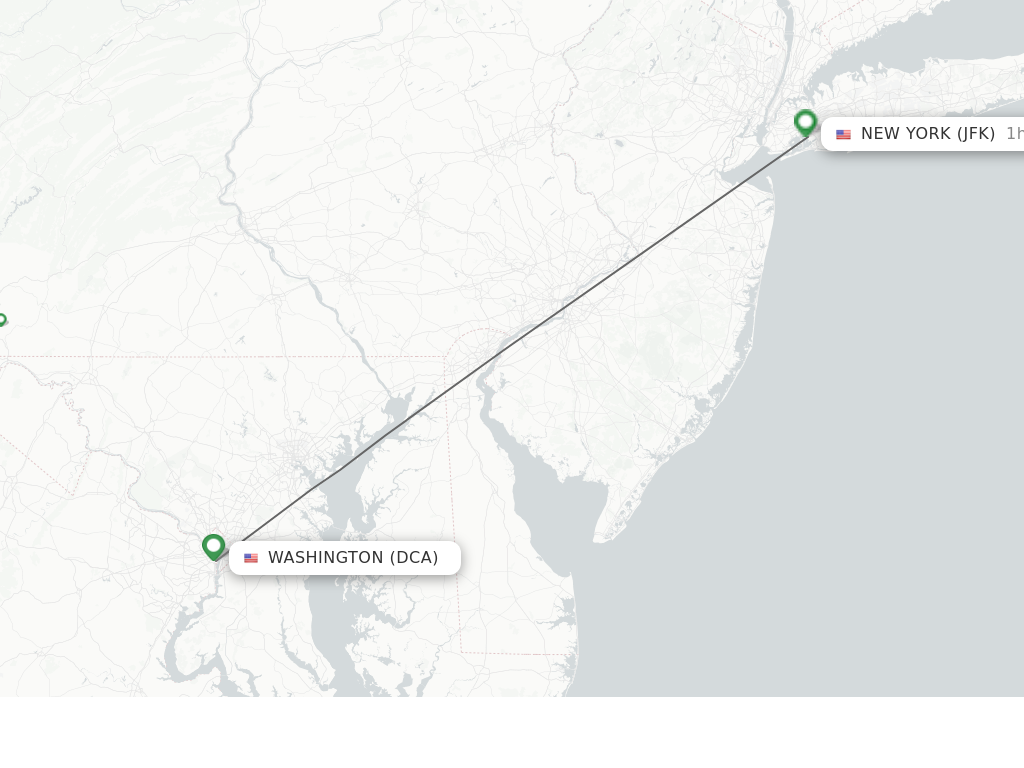
- As the Crow Flies: The aerial distance is slightly shorter, around 204 miles (328 kilometers), which is relevant for air travel calculations.
While these numbers provide a baseline, the actual travel time is heavily influenced by your chosen mode of transportation and various external factors.
Modes of Transportation and Their Timelines
Choosing how to travel between Washington D.C. and New York is a key decision, with each option offering a different balance of cost, speed, and comfort.
Driving: Flexibility and Scenic Potential
- Estimated Travel Time: Under ideal conditions, a non-stop drive typically takes 3.5 to 4.5 hours. However, this is a highly variable estimate.
- Factors Influencing Time: Traffic, especially around major metropolitan areas like Baltimore, Philadelphia, and the entry/exit points of both New York and Washington D.C., can significantly extend travel times. Rush hour can easily add an hour or two. Construction, accidents, and weather conditions (snow, heavy rain) also play a role.
- Considerations: While driving offers the most flexibility for spontaneous stops and luggage capacity, parking in both cities can be expensive and challenging. Car rental agencies are plentiful in both locales for those flying in or without their own vehicle. For those seeking a deeper dive into the region’s history, the driving route along I-95 offers opportunities to detour to cities like Philadelphia or Baltimore, rich in historical landmarks and cultural experiences.
Train (Amtrak): Comfort and Convenience
- Estimated Travel Time: Amtrak offers several services between Washington D.C. and New York, known for their comfort and efficiency.
- Acela Express: The high-speed Acela Express service typically completes the journey in 2 hours and 50 minutes to 3 hours. It’s the fastest and most premium train option.
- Northeast Regional: The more economical Northeast Regional service takes approximately 3.5 to 4 hours.
- Stations: Trains depart from Union Station in Washington D.C. and arrive at Moynihan Train Hall, adjacent to Penn Station, in New York City. Both stations are centrally located and well-connected to local public transportation.
- Advantages: Train travel offers spacious seating, Wi-Fi, dining cars, and the ability to walk around. It’s often preferred by business travelers for productivity and by leisure travelers for a relaxing journey without the stress of driving or airport security. Booking tickets in advance, especially for Acela Express, is advisable for better prices and seat availability.
Bus: The Budget-Friendly Option
- Estimated Travel Time: Bus services are the most economical choice, with journeys typically ranging from 4.5 to 5.5 hours, depending on traffic and the number of stops.
- Companies: Major bus operators include Greyhound, Megabus, and a host of Chinatown bus lines.
- Departure/Arrival Points: Buses usually depart from Union Station in Washington D.C. and arrive at various locations in New York City, often near Penn Station or Port Authority Bus Terminal.
- Considerations: While the cheapest option, bus travel can be less comfortable and more susceptible to traffic delays than trains. However, many modern bus lines offer amenities like Wi-Fi and power outlets, making it a viable option for budget-conscious travelers.
Flying: The Fastest (Door-to-Door) Can Be Deceptive
- Estimated Flight Time: The actual flight duration between the two cities is incredibly short, typically around 1 hour to 1 hour 15 minutes.
- Total Door-to-Door Time: Flying, however, involves significant pre- and post-flight time. When you factor in commuting to and from airports, security checks, boarding, and baggage claim, the total door-to-door travel time can easily stretch to 4 to 6 hours or more.
- Airports:
- New York: Travelers often use LaGuardia Airport (LGA), John F. Kennedy International Airport (JFK), or Newark Liberty International Airport (EWR) in New Jersey.
- Washington D.C.: The main airports are Ronald Reagan Washington National Airport (DCA) (closest to downtown D.C.), Washington Dulles International Airport (IAD), and Baltimore/Washington International Thurgood Marshall Airport (BWI).
- Considerations: While the flight itself is quick, the cumulative time often makes it less efficient than train travel for this specific route, especially when comparing city-center to city-center travel. However, for those connecting to longer flights or who prefer air travel, it remains an option.
What to See and Do Along the Way and at Your Destination
A journey between Washington D.C. and New York isn’t just about covering distance; it’s an opportunity to immerse yourself in the rich tapestry of American history, culture, and innovation.
New York City: The Empire State’s Allure
New York City is a global icon, a melting pot of cultures, and a city that never sleeps. Its sheer energy and endless attractions captivate millions of visitors annually.
- Iconic Landmarks: No visit is complete without seeing the Statue of Liberty and Ellis Island, exploring the dazzling lights and billboards of Times Square, and taking in the panoramic views from the Empire State Building or Top of the Rock.
- Culture and Arts: Broadway offers world-class theatrical performances, while museums like the Metropolitan Museum of Art and the Museum of Modern Art house priceless collections. For performing arts, Lincoln Center is a must-visit.
- Green Spaces: Escape the urban bustle in Central Park, a sprawling oasis perfect for walking, biking, or simply relaxing.
- Culinary Scene: From Michelin-starred restaurants to diverse street food vendors, NYC offers an unparalleled gastronomic experience. Don’t miss classic New York pizza, bagels, and delis.
- Shopping: Explore high-end boutiques on Fifth Avenue, trendy shops in SoHo, or unique finds in Greenwich Village.
Washington D.C.: A Tapestry of History and Power
Washington D.C. serves as the powerful heart of the United States, a city where history, politics, and culture converge. Its monuments, museums, and governmental buildings tell the story of a nation.
- National Mall and Memorials: The iconic National Mall is home to some of the country’s most significant landmarks, including the Lincoln Memorial, Washington Monument, World War II Memorial, Jefferson Memorial, and the Martin Luther King, Jr. Memorial.
- Smithsonian Museums: The city boasts an incredible array of free Smithsonian Museums, including the National Museum of Natural History, the National Air and Space Museum, and the National Museum of African American History and Culture.
- Governmental Hubs: Witness the seat of American power with a visit to the White House (from outside or a pre-arranged tour), the U.S. Capitol Building, and the Supreme Court.
- Historic Neighborhoods: Explore charming Georgetown with its cobblestone streets and upscale shops, or the vibrant atmosphere of Dupont Circle.
- Beyond the City: Just across the Potomac River lies Arlington National Cemetery, a solemn and important site.
Notable Stops and Scenic Detours
For those traveling by car, the journey between Washington D.C. and New York offers opportunities for intriguing detours and stops.
- Philadelphia, Pennsylvania: Located roughly halfway, Philadelphia is steeped in American history. Visitors can explore Independence Hall, where the Declaration of Independence and the U.S. Constitution were signed, and see the iconic Liberty Bell. Don’t forget to try a famous Philly cheesesteak!
- Baltimore, Maryland: A vibrant port city, Baltimore offers attractions like the Inner Harbor, the National Aquarium, and the historic Fort McHenry, birthplace of the Star-Spangled Banner. Its seafood scene, particularly crab cakes, is legendary.
- Wilmington, Delaware: Known for its historical sites and cultural institutions, including the Nemours Estate and the Delaware Art Museum, Wilmington offers a pleasant break.
These stops can transform a simple transit into a multi-city adventure, enriching your understanding of the Mid-Atlantic region.
Planning Your Trip: Accommodation and Lifestyle Considerations
Once you’ve decided on your mode of transport and identified your must-see attractions, the next crucial step is planning your stay. Both New York and Washington D.C. offer a diverse range of accommodation options and cater to various travel lifestyles.
Finding the Perfect Stay in Both Cities
Accommodation can be a significant portion of your travel budget, so careful planning is essential.
- New York City:
- Types of Accommodation: NYC boasts everything from ultra-luxury hotels like The Plaza Hotel or Mandarin Oriental with unparalleled amenities and views, to charming boutique hotels in neighborhoods like SoHo or Greenwich Village. For budget-conscious travelers, hostels or hotels in outer boroughs like Brooklyn or Queens offer more affordable options, often with easy subway access to Manhattan.
- Booking Tips: Hotels in New York can be pricey, especially during peak seasons (holidays, fashion week, summer). Booking well in advance, comparing prices across various platforms, and considering hotel deals or packages can help secure better rates. Look for hotels close to subway lines for convenient city exploration.
- Washington D.C.:
- Types of Accommodation: D.C. also offers a wide spectrum of lodging. Historic hotels near the White House or National Mall provide a luxurious and central base. Business hotels are prevalent near K Street, while charming inns and boutique hotels can be found in Georgetown or Dupont Circle. For families or longer stays, apartment-style accommodations or hotels in areas like National Harbor might be suitable.
- Location Advice: Consider your itinerary when choosing a location. If you plan to spend most of your time exploring museums and monuments, staying near the National Mall is ideal. For a vibrant nightlife and dining scene, neighborhoods like Dupont Circle or Logan Circle might be more appealing.
Regardless of the city, always check reviews for cleanliness, service, and location, and be aware of any resort fees or additional charges.
Tailoring Your Travel Style: Luxury, Budget, Family, or Business
The travel experience between New York and Washington D.C. can be customized to fit virtually any travel style.
- Luxury Travel: Indulge in five-star hotels, gourmet dining, private tours, and exclusive shopping experiences. Both cities excel in offering high-end services, from spa treatments to concierge-arranged tickets for prime events. Consider staying at iconic properties like The St. Regis Washington, D.C. or utilizing premium Amtrak Acela first class for a truly refined journey.
- Budget Travel: Focus on free attractions like the Smithsonian Museums in D.C. or walking tours of Central Park in NYC. Utilize public transportation (subways and buses), opt for hostels or budget hotels, and explore affordable food options like street food or local diners. Bus travel is the most cost-effective way to get between the cities.
- Family Trips: Both cities offer a plethora of kid-friendly activities. In NYC, consider the American Museum of Natural History or a ferry ride to see the Statue of Liberty. In D.C., the National Zoo, the National Air and Space Museum, and the International Spy Museum are big hits. Look for hotels with pools or family suites.
- Business Stays: Prioritize efficiency and connectivity. Choose hotels with robust Wi-Fi, business centers, and easy access to transportation hubs or relevant business districts (Midtown Manhattan, K Street in D.C.). Amtrak is often preferred for its reliability and ability to work onboard.
Local Culture, Food, and Essential Tips
To truly experience these cities, immerse yourself in their local culture and culinary delights.
- Food Scene:
- New York: Beyond the iconic pizza and bagels, explore diverse ethnic cuisines in neighborhoods like Flushing, Queens (Chinese), Jackson Heights, Queens (South Asian, Latin American), or Little Italy (Italian). Don’t miss a classic New York deli experience.
- Washington D.C.: The capital has a surprisingly robust and diverse food scene. Famous for its half-smokes (a local sausage), it also boasts excellent Ethiopian food, vibrant markets like Union Market, and a growing fine dining sector.
- Navigating Public Transportation: Both cities have extensive and efficient public transportation systems. In NYC, the subway is your best friend. In D.C., the Metro system is clean and user-friendly. Invest in a MetroCard or use contactless payment for easy travel.
- Best Times to Visit: Spring (April-May) and Fall (September-October) offer the most pleasant weather for walking and outdoor activities in both cities. Summer can be hot and humid, while winter brings cold temperatures and potential snow, though holiday festivities in NYC are magical.
- Safety Tips: As with any major city, be aware of your surroundings, especially at night. Keep valuables secure and use reputable transportation services.
The distance between Washington D.C. and New York is more of an invitation than a barrier. It’s a manageable journey that connects two incredible destinations, each offering a unique blend of history, culture, and modern urban living. By considering your travel style, preferred mode of transport, and what you hope to experience, you can seamlessly bridge the miles and embark on an unforgettable adventure between these two pillars of the United States. So, whether by road, rail, or air, start planning your exploration of the captivating corridor that links the nation’s capital to the city that never sleeps.
LifeOutOfTheBox is a participant in the Amazon Services LLC Associates Program, an affiliate advertising program designed to provide a means for sites to earn advertising fees by advertising and linking to Amazon.com. Amazon, the Amazon logo, AmazonSupply, and the AmazonSupply logo are trademarks of Amazon.com, Inc. or its affiliates. As an Amazon Associate we earn affiliate commissions from qualifying purchases.