
For many motorcycle enthusiasts, the open road of Florida represents the epitome of freedom and adventure. With its sun-drenched coastlines, vibrant cities, and diverse natural landscapes, the Sunshine State is a premier destination for travelers looking to explore on two wheels. However, for those planning a motorcycle tour or simply commuting within Florida, a crucial legal question often arises: Is lane splitting legal? The direct answer is unequivocally no. Florida law explicitly prohibits lane splitting, a practice that allows motorcyclists to ride between lanes of stopped or slow-moving traffic. This article delves into what lane splitting entails, why it’s illegal in Florida, and what motorcyclists need to know to enjoy their journey safely and legally within this beautiful state, all while aligning with the broader themes of travel, accommodation, and lifestyle experiences that define exploration.
Understanding Lane Splitting: A Global Perspective
Before dissecting Florida’s specific regulations, it’s essential to understand what lane splitting is and the global context surrounding this often-debated practice. Understanding the nuances helps to clarify why some regions embrace it while others, like the Sunshine State, strictly prohibit it.
What Exactly Is Lane Splitting?
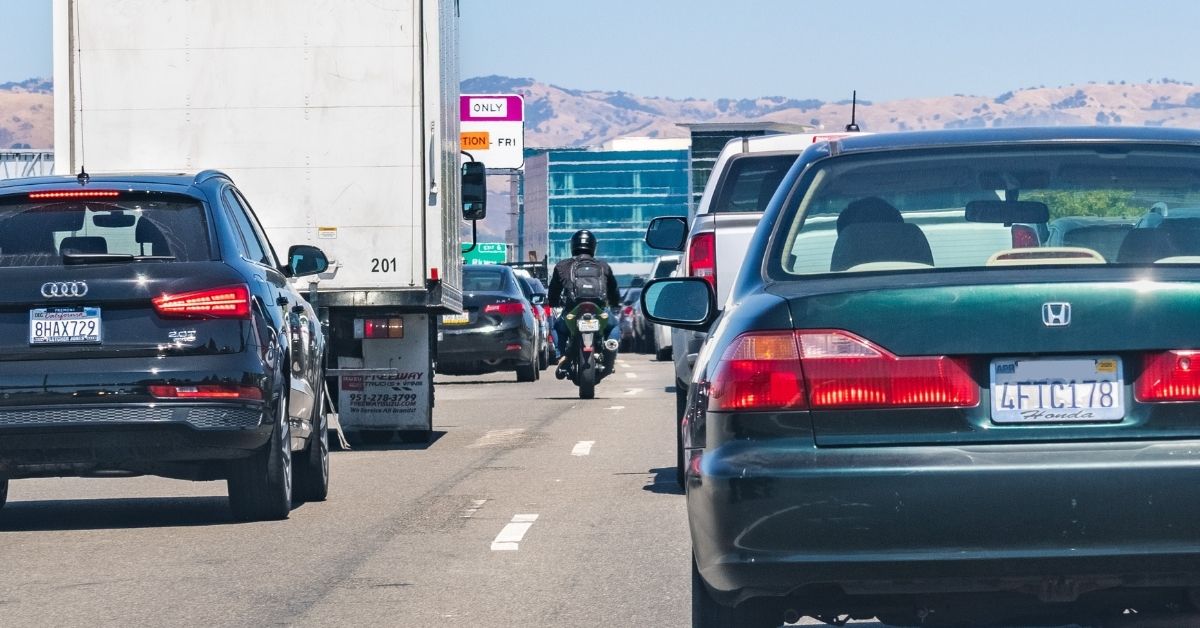
Lane splitting, also known as lane sharing or filtering, occurs when a motorcyclist rides between two lanes of traffic moving in the same direction, typically when traffic is congested or stopped. A similar but distinct practice, often confused with lane splitting, is lane filtering. Lane filtering specifically refers to a motorcyclist moving through stopped or slow-moving traffic to the front of a queue at an intersection or traffic light. While lane splitting generally refers to movement between lanes at higher speeds or in flowing traffic, both practices involve occupying the narrow space between vehicles. Proponents argue it reduces congestion, allows motorcycles to escape dangerous rear-end collisions, and helps regulate engine temperatures for air-cooled bikes. However, critics often cite safety concerns for both the motorcyclist and surrounding vehicles, as well as potential confusion for other drivers.
Why the Controversy? Arguments For and Against
The debate surrounding lane splitting is multifaceted, pitting convenience and perceived safety benefits against legitimate safety concerns and driver frustration. Advocates for legalizing lane splitting often point to reduced traffic congestion as a primary benefit. By allowing motorcycles to move past stalled vehicles, they can free up valuable road space and potentially shorten overall travel times. From a safety perspective, some argue that lane splitting can be safer for motorcyclists, as it allows them to escape the “crush zone” between two vehicles, particularly in stop-and-go traffic where rear-end collisions are common. It also helps prevent motorcycles from overheating in stagnant traffic, a common issue for air-cooled engines. In many parts of Europe and Asia, lane splitting (or filtering) is a widely accepted and legal practice, integrated into local traffic cultures.
Conversely, opponents, including many motorists and some safety advocates, raise significant concerns. The primary worry revolves around safety. A motorcycle moving between lanes at speed can be difficult for drivers to anticipate, especially if they are changing lanes or not actively looking for bikes in unexpected positions. This can lead to sudden lane changes by drivers, collisions, and increased accident severity. There’s also the element of driver distraction and road rage; some drivers perceive lane splitting as unfair or aggressive, leading to frustration and potentially dangerous interactions. Furthermore, the limited space between vehicles can be hazardous, with unforeseen obstacles or sudden movements from cars posing a significant risk to motorcyclists.
Lane Splitting Laws Across the United States and Beyond
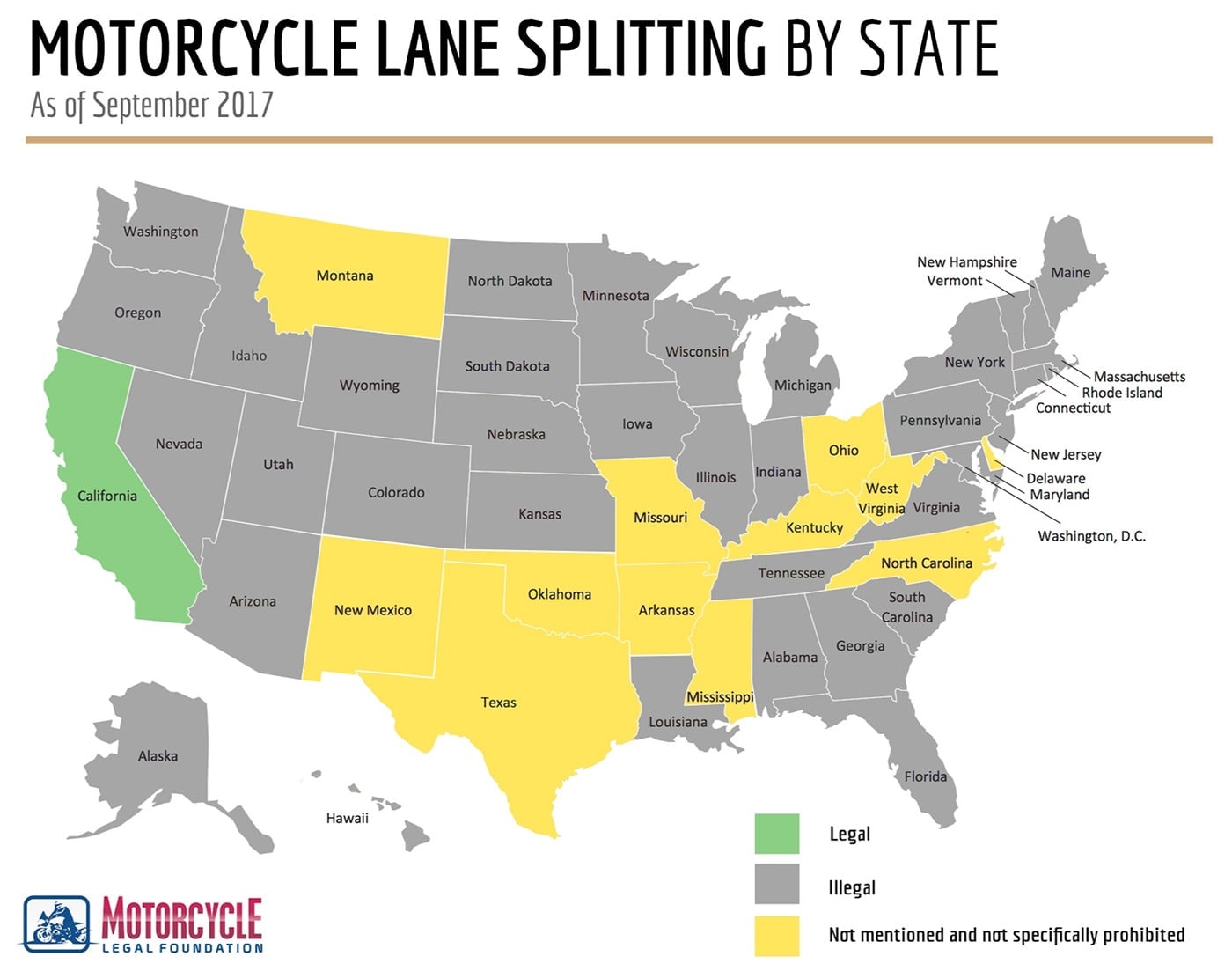
The legality of lane splitting varies significantly, even within the United States. As of recent updates, California remains the only state where lane splitting is explicitly legal, provided it is done safely and reasonably. Other states have introduced legislation to either permit or prohibit the practice, but most default to a prohibition due to existing statutes that require vehicles to stay within a single lane. Beyond the United States, many countries, particularly those with high motorcycle usage, such as France, Italy, and Vietnam, consider lane filtering and splitting a normal part of traffic flow. This international disparity highlights the cultural and legislative differences in how motorcycles are integrated into transportation systems, making it crucial for international travelers to research local laws before riding in a new country or state.
The Law in the Sunshine State: Lane Splitting in Florida
For anyone considering a motorcycle journey through Florida, understanding the state’s specific traffic laws is paramount. The lack of explicit mention for lane splitting in statutes often leads to confusion, but the prevailing legal interpretation is clear.
Florida’s Stance: A Clear “No”
In Florida, the legality of lane splitting is straightforward: it is illegal. While there isn’t a specific statute that explicitly uses the term “lane splitting” and prohibits it, existing traffic laws effectively make the practice unlawful. Florida Statute 316.209, pertaining to “Operation of motorcycles,” states that “any person operating a motorcycle shall ride upon the seat attached thereto, and not more than two persons shall ride at one time upon a motorcycle.” More importantly, Florida Statute 316.081 and 316.089 dictate that all vehicles must be operated entirely within a single lane of traffic and that motorists should not impede the safe operation of another vehicle. By riding between lanes of traffic, a motorcyclist would be in violation of these general traffic laws that require maintaining a single lane and avoiding unsafe maneuvers. Therefore, law enforcement in Florida can and will cite motorcyclists for improper lane usage, reckless driving, or other violations if they engage in lane splitting. This clear prohibition ensures that all road users operate under consistent rules, aiming to reduce ambiguity and enhance overall road safety.

Penalties and Consequences for Violating Florida’s Law
Ignoring Florida’s prohibition on lane splitting can lead to significant legal and financial consequences. A motorcyclist caught lane splitting could face a traffic citation, which typically involves a fine and points added to their driving record. Accumulating too many points can lead to increased insurance premiums, driver’s license suspension, or even revocation, especially for repeat offenders. For tourists or visitors, a traffic citation can be a significant hassle, potentially impacting travel plans and finances. Furthermore, if an accident were to occur while lane splitting, the motorcyclist would almost certainly be found at fault, regardless of the other driver’s actions. This could lead to serious legal liabilities, including covering damages, medical expenses, and potential lawsuits. Even minor incidents can result in significant legal battles and financial strain, overshadowing any potential time saved by lane splitting. The risk simply isn’t worth it when considering the potentially severe repercussions.
Why Florida Chooses to Prohibit Lane Splitting
Florida’s decision to prohibit lane splitting is rooted in a combination of factors, primarily focusing on public safety and the unique characteristics of its road infrastructure and driving culture. With millions of tourists flocking to destinations like Orlando‘s theme parks, Miami’s beaches, and the Florida Keys year-round, Florida roads are frequently congested with a mix of local commuters, vacationers, and even international drivers who may not be familiar with local driving customs. This diverse mix of drivers, many of whom are navigating unfamiliar roads while distracted by GPS or sightseeing, creates a challenging environment for unexpected maneuvers like lane splitting. The state prioritizes maintaining clear and predictable traffic patterns to minimize confusion and reduce the risk of accidents involving both cars and motorcycles. The sheer volume of traffic, especially in metropolitan areas like Tampa and Jacksonville, combined with the relatively high number of elderly drivers and drivers from varying backgrounds, makes the predictability of a single-lane operation a key safety measure.
Navigating Florida’s Roads: Tips for Motorcyclists and Travelers
While lane splitting might not be an option, Florida still offers an incredible experience for motorcyclists. The key is to embrace safe and legal riding practices to fully enjoy the state’s natural beauty and vibrant culture. Whether you’re planning a scenic ride or a cross-state adventure, responsible travel ensures a memorable journey.
Safe and Legal Riding Practices in Florida
To ensure a safe and enjoyable motorcycle trip in Florida, adherence to traffic laws and defensive riding techniques is paramount. Always maintain a safe following distance, especially behind larger vehicles. Be aware of your surroundings, constantly checking mirrors and blind spots, as Florida’s diverse driver population includes many tourists who may be less familiar with the roads. Signal all turns and lane changes clearly and well in advance. Wear appropriate safety gear, including a helmet (required by law unless you are over 21 and have an insurance policy providing at least $10,000 in medical benefits for injuries sustained in a motorcycle crash), eye protection, sturdy clothing, and gloves. Remember that motorcycles are often less visible to other drivers, so assume you are unseen and ride defensively. Avoid distractions, both yours and those of other drivers. By focusing on responsible and predictable riding, motorcyclists can significantly reduce their risk of accidents and ensure a smooth journey through the Sunshine State.
Exploring Florida by Motorcycle: An Unforgettable Journey (Legally!)
Despite the lane splitting prohibition, Florida offers an abundance of breathtaking routes and destinations perfect for motorcycle touring. Imagine cruising down the Overseas Highway to Key West, where each bridge connecting the islands offers panoramic views of the turquoise ocean. This iconic route is a quintessential Florida experience, a true journey across the sea. Another scenic gem is State Road A1A, hugging the Atlantic Coast from Miami up to Jacksonville, offering glimpses of pristine beaches, charming coastal towns like St. Augustine, and historic landmarks. For a taste of Old Florida, the Tamiami Trail (U.S. 41) cuts through the Everglades, providing unique wildlife viewing opportunities and a sense of untamed wilderness. Central Florida offers routes around picturesque lakes and citrus groves, while the Gulf Coast boasts stunning sunsets and vibrant communities like Sarasota and Naples. Planning a trip around events like Daytona Beach Bike Week can also provide an incredible community experience, though always with an emphasis on adhering to local traffic laws. These experiences showcase why Florida is a top-tier travel destination for motorcyclists, even without lane splitting.
Accommodation and Logistics for Motorcyclists
When planning a motorcycle tour through Florida, considering accommodation and logistics is key to a smooth trip. Many hotels and resorts, especially in popular tourist areas or along major touring routes, are accustomed to hosting motorcyclists and offer amenities such as ample parking, covered parking, or even secure storage for bikes. When booking, it’s always advisable to inquire about motorcycle-specific parking options. Some boutique hotels or bed and breakfasts in smaller towns might offer more personalized service and secure spaces. Major chains like Marriott, Hilton, or Hyatt generally have large parking lots that can accommodate motorcycles, but specific security features vary by location.
For long-term stays or those seeking a more home-like experience, vacation rentals and apartments often provide private driveways or garages, which can be ideal for motorcycle security. Utilizing online booking platforms and filtering for “motorcycle-friendly” options or reading reviews can help identify suitable places. Beyond sleeping arrangements, plan for fuel stops, rest areas, and potential maintenance needs. Carry essential tools and a basic first-aid kit. Joining local motorcycle touring groups or forums can also provide invaluable tips on routes, accommodations, and local peculiarities, enriching your overall Florida travel experience.
Beyond the Basics: Advocacy and the Future of Lane Splitting in Florida
While lane splitting is currently prohibited in Florida, the conversation about its potential legalization isn’t entirely dormant. Like many traffic laws, it is subject to ongoing debate and advocacy efforts, reflecting evolving perspectives on road safety and traffic management.
The Ongoing Debate: Calls for Change and Road Safety Advocacy
The topic of lane splitting frequently resurfaces in legislative discussions and among motorcycle advocacy groups in Florida and other states where it’s currently illegal. Organizations like the American Motorcyclist Association (AMA) advocate for the legalization of lane filtering, citing studies that suggest it can reduce motorcyclist fatalities and injuries in congested traffic. Their arguments often highlight the safety benefits of allowing riders to escape stationary traffic, where they are vulnerable to rear-end collisions, and the potential to ease congestion, drawing parallels with successful implementations in other countries and California.
However, significant hurdles remain. Public perception, often fueled by unfamiliarity with the practice or past negative experiences, is a major factor. Law enforcement agencies and general motorist groups often express strong reservations, primarily citing the potential for increased accidents due to the inherent risks of motorcycles maneuvering between vehicles. Any change in Florida’s law would require extensive research, public education campaigns, and bipartisan legislative support, which has proven challenging in the past. For now, the existing prohibition stands firm, guided by the state’s emphasis on predictable traffic flow and broad safety considerations for all road users.
Embracing the Florida Lifestyle Responsibly
Ultimately, experiencing the best of Florida on a motorcycle is about embracing the adventure responsibly. The Sunshine State offers a unique lifestyle for riders, from the vibrant energy of South Florida to the tranquil beauty of the Panhandle in North Florida. Whether you’re enjoying the luxury of a scenic coastal drive or a budget-friendly trip exploring hidden gems, adhering to traffic laws is not just a legal obligation but a cornerstone of safe and enjoyable travel. By respecting the state’s regulations, riding defensively, and planning your routes carefully, motorcyclists can fully immerse themselves in Florida’s rich culture, stunning scenery, and unforgettable experiences. From the bustling tourist attractions of Orlando and the historic charm of St. Augustine to the pristine beaches of the Gulf Coast, Florida invites riders to discover its wonders, one legal and safe mile at a time. The joy of the ride comes from the journey itself, unburdened by legal complications or avoidable risks.
LifeOutOfTheBox is a participant in the Amazon Services LLC Associates Program, an affiliate advertising program designed to provide a means for sites to earn advertising fees by advertising and linking to Amazon.com. Amazon, the Amazon logo, AmazonSupply, and the AmazonSupply logo are trademarks of Amazon.com, Inc. or its affiliates. As an Amazon Associate we earn affiliate commissions from qualifying purchases.