
Establishing residency in Texas is a journey that opens the door to a unique blend of Southern charm, burgeoning economic opportunities, and a lifestyle that caters to diverse tastes. Whether you’re drawn by the allure of its vast landscapes, the vibrant energy of its cities, or the promise of a more affordable cost of living, understanding the process of becoming a Texan resident is the first crucial step. This guide aims to demystify the requirements, outline the practical considerations, and offer insights into making your transition to the Lone Star State as smooth as possible, touching upon various aspects of travel, accommodation, and lifestyle that Texas has to offer.
Understanding the Core Requirements for Texas Residency
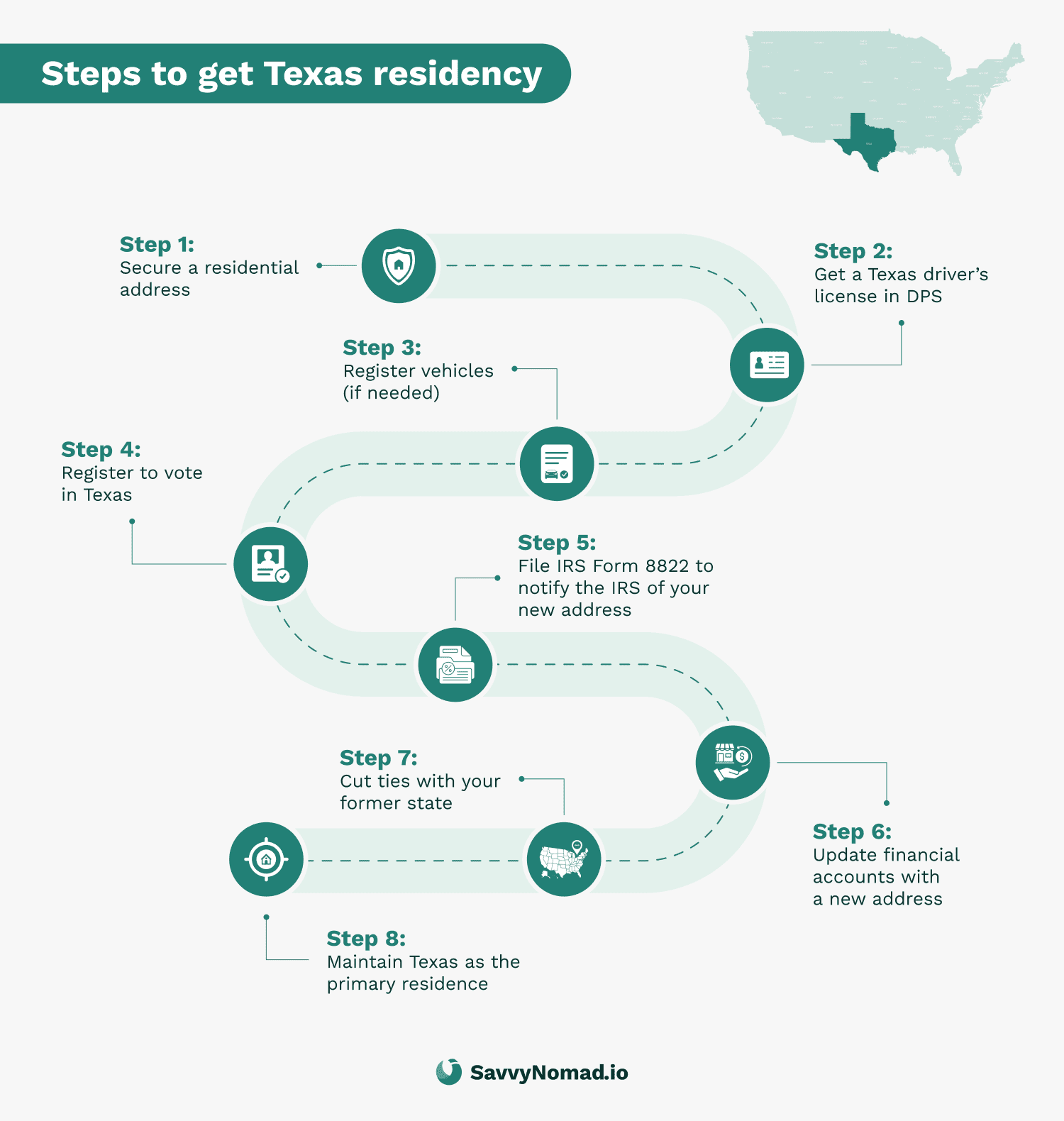
The foundation of establishing residency in Texas rests on demonstrating your intent to make the state your permanent home and meeting specific legal and practical criteria. This isn’t just about having a mailing address; it’s about actively participating in the life of the state.
Proving Intent to Reside
The most critical element is proving your intent to remain in Texas indefinitely. This can be demonstrated through a variety of actions and documentation.
- Physical Presence: While there’s no strict minimum number of days you must spend in Texas to claim residency, continuous physical presence is a strong indicator. This means actively living in Texas, not just visiting for short periods.
- Establishing a Home: Setting up a permanent home is paramount. This could involve purchasing a house, signing a long-term lease for an apartment or house, or even establishing a more permanent arrangement in a resort or long-term stay accommodation if your initial move is tied to a specific lifestyle preference or temporary work assignment. For instance, if you’re considering a long-term stay in a vibrant city like Austin, securing a lease or purchasing property there is a clear signal.
- Severing Ties with Previous States: If you’re moving from another U.S. state, you’ll need to show that you’ve ended your residency in that prior location. This might involve canceling your driver’s license, closing bank accounts, and re-registering vehicles in Texas.
- Declaration of Intent: In some situations, especially when applying for certain benefits or initiating legal processes, a formal “Declaration of Intent to Establish Residency” might be required. This document explicitly states your commitment to Texas as your permanent domicile.
Essential Documentation
Gathering and presenting the right documents is key to substantiating your residency claim.
- Texas Driver’s License or ID Card: This is one of the most significant indicators of residency. You are legally required to obtain a Texas driver’s license or identification card within a specific timeframe after establishing residency (usually 90 days for a driver’s license, but it’s always best to check the latest Department of Public Safety regulations). When applying, you’ll need to provide proof of identity, social security number, lawful presence, and Texas residency. This might include utility bills, lease agreements, or mortgage statements.
- Voter Registration: Registering to vote in Texas is a strong declaration of your intent to participate in the state’s civic life and is a common requirement for establishing residency for certain purposes.
- Vehicle Registration and Texas License Plates: If you own a vehicle, you’ll need to register it in Texas and obtain Texas license plates. This process also requires proof of Texas residency and insurance.
- Utility Bills: Utility bills (electricity, gas, water, internet) in your name at your Texas address are excellent proof of residence. Keeping these bills for a consistent period is beneficial.
- Lease Agreements or Mortgage Statements: Documentation of your housing situation, whether it’s a rental agreement for an apartment in Dallas or a mortgage statement for a home in a suburban area, is crucial.
- Bank Statements: Having bank accounts with a Texas branch and showing regular transactions at your Texas address can also support your claim.
- Tax Filings: Filing Texas state income tax (which Texas does not have) is not a factor, but filing federal taxes showing your Texas address is important.
Navigating the Practicalities of Life in Texas
Beyond the legal definitions, establishing residency involves immersing yourself in the Texan way of life. This encompasses finding suitable accommodation, understanding local nuances, and exploring the vast array of activities and experiences the state offers.

Accommodation Choices for New Residents
Texas boasts an incredibly diverse range of living options, catering to every budget and lifestyle.
- Apartments and Condominiums: For those seeking flexibility or living in urban centers like Houston or San Antonio, apartments and condominiums offer convenient living. Many complexes cater to longer-term stays and provide amenities that can make the transition easier, such as furnished units or flexible lease terms. Looking for apartments with included utilities or packages that simplify the move can be a significant advantage.
- Single-Family Homes: For individuals or families looking for more space and privacy, renting or buying a single-family home is a popular choice. This is particularly common in the sprawling suburbs surrounding major cities, offering a more traditional residential feel.
- Long-Term Stay Hotels and Extended Stay Suites: For an initial period, or if your work requires frequent relocation within Texas, extended stay hotels and serviced apartments can be an excellent solution. These accommodations often come with kitchenettes, laundry facilities, and a more home-like environment than a standard hotel. Brands like Extended Stay America or independent long-term stay hotels can provide a comfortable base while you finalize your permanent housing arrangements. They offer a blend of accommodation and lifestyle, allowing you to experience different neighborhoods before settling.
- Villas and Resorts: While often associated with vacationing, some resort communities or areas with villas might offer long-term rental options. These can be ideal for those seeking a lifestyle-focused move, perhaps near golf courses, beaches, or other recreational facilities, blending leisure with a permanent address.
Embracing the Texan Lifestyle and Culture
Texas is more than just a place to live; it’s a destination with a rich tapestry of local culture, culinary delights, and abundant attractions.
- Local Culture and Traditions: Each region of Texas has its unique character. From the live music scene in Austin to the historic missions of San Antonio, the cowboy heritage in West Texas, and the vibrant arts and culinary scene in the major cities, there’s always something to explore. Engaging with local festivals, farmers’ markets, and community events is a great way to immerse yourself.
- Culinary Experiences: Tex-Mex, barbecue, and soul food are just the tip of the iceberg. Texas offers an incredibly diverse food landscape, influenced by its border heritage, Southern roots, and a growing international community. Exploring the food trucks in Austin, the seafood along the Gulf Coast, or the diverse international cuisines in Houston is an essential part of the Texan experience.
- Attractions and Landmarks: Texas is home to an impressive array of landmarks and attractions. The Alamo and the historic Riverwalk in San Antonio, the Space Center Houston, the vastness of Big Bend National Park, the vibrant arts districts in Dallas, and the live music venues across the state are just a few examples. Planning trips to explore these iconic sites will not only enrich your understanding of Texas but also serve as excellent anchors for demonstrating your commitment to exploring and enjoying your new home.
- Outdoor Activities and Nature: With its diverse geography, Texas offers incredible opportunities for outdoor enthusiasts. From the beaches of the Gulf Coast to the rolling hills of the Texas Hill Country, and the dramatic landscapes of West Texas, there are hiking, camping, fishing, and boating opportunities galore.
Key Considerations for a Smooth Transition
Making the move to Texas involves more than just paperwork; it’s about practical planning and adapting to a new environment.
Financial and Legal Aspects
- Taxes: Texas famously has no state income tax, which is a significant draw for many. However, property taxes can be higher than in some other states, so it’s important to factor this into your housing budget. Sales tax is also a consideration for everyday purchases.
- Insurance: Ensure you have adequate insurance for your home, vehicle, and health. Texas weather can be extreme, from hurricanes along the coast to severe thunderstorms and tornadoes inland, so robust insurance coverage is vital.
- Employment and Education: If your move is driven by employment, ensure your new employer is aware of your intent to establish residency. For families, researching school districts and educational opportunities is a crucial part of settling in.
Building Your Texas Network
- Community Involvement: Joining local clubs, volunteer organizations, or recreational sports leagues is a fantastic way to meet people and build a social network. This not only enhances your quality of life but also reinforces your connection to the community.
- Exploring Your Neighborhood: Take the time to discover local businesses, parks, and community centers in your chosen area. Becoming a regular at a local coffee shop or library can quickly make you feel at home.
Establishing residency in Texas is an exciting process that promises a rewarding lifestyle. By understanding the legal requirements, embracing the rich culture, and making practical preparations, you can confidently embark on your Texan adventure and truly make the Lone Star State your home. Whether you’re looking for a bustling city experience, a tranquil rural retreat, or a blend of both, Texas offers a welcoming embrace to all who choose to call it home.
LifeOutOfTheBox is a participant in the Amazon Services LLC Associates Program, an affiliate advertising program designed to provide a means for sites to earn advertising fees by advertising and linking to Amazon.com. Amazon, the Amazon logo, AmazonSupply, and the AmazonSupply logo are trademarks of Amazon.com, Inc. or its affiliates. As an Amazon Associate we earn affiliate commissions from qualifying purchases.