
The question “How many people in Boston?” might seem straightforward, evoking a simple census number. However, for a vibrant destination like Boston, the answer is far more dynamic and nuanced, profoundly impacting the travel and tourism experience. Beyond its permanent residents, Boston hosts a revolving cast of millions of visitors annually – students, business travelers, history enthusiasts, families, and sightseers from across the globe. This constant ebb and flow of people shape the city’s character, influence its accommodation landscape, dictate the energy of its landmarks, and ultimately define the myriad experiences available.
Understanding Boston’s population, both resident and transient, is key to planning an unforgettable trip. It helps travelers anticipate crowd levels at popular attractions, choose the best time to visit, and select the perfect hotel or suite to match their lifestyle preferences. From bustling historic sites to serene green spaces, the number of people sharing these spaces directly impacts the atmosphere, the availability of services, and even the price points of everything from luxury resorts to budget-friendly apartments. This article delves into Boston’s demographic tapestry, exploring how its diverse population contributes to its enduring appeal as a world-class travel hub, and offers valuable tips for navigating this historic metropolis.
Unpacking Boston’s Population: Residents vs. Visitors
Boston’s unique charm stems from its rich history and its dynamic blend of permanent residents and temporary visitors. While census data provides a static snapshot of its residential population, the true pulse of the city is felt in the millions who pass through its vibrant streets each year. This distinction is crucial for any traveler looking to understand the rhythm and character of this iconic New England city.
The Permanent Population Landscape
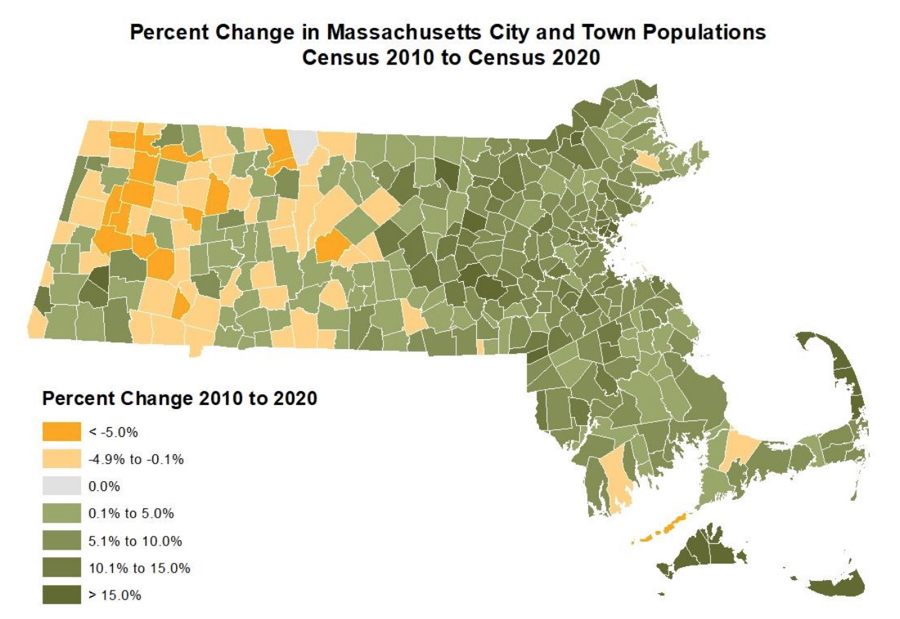
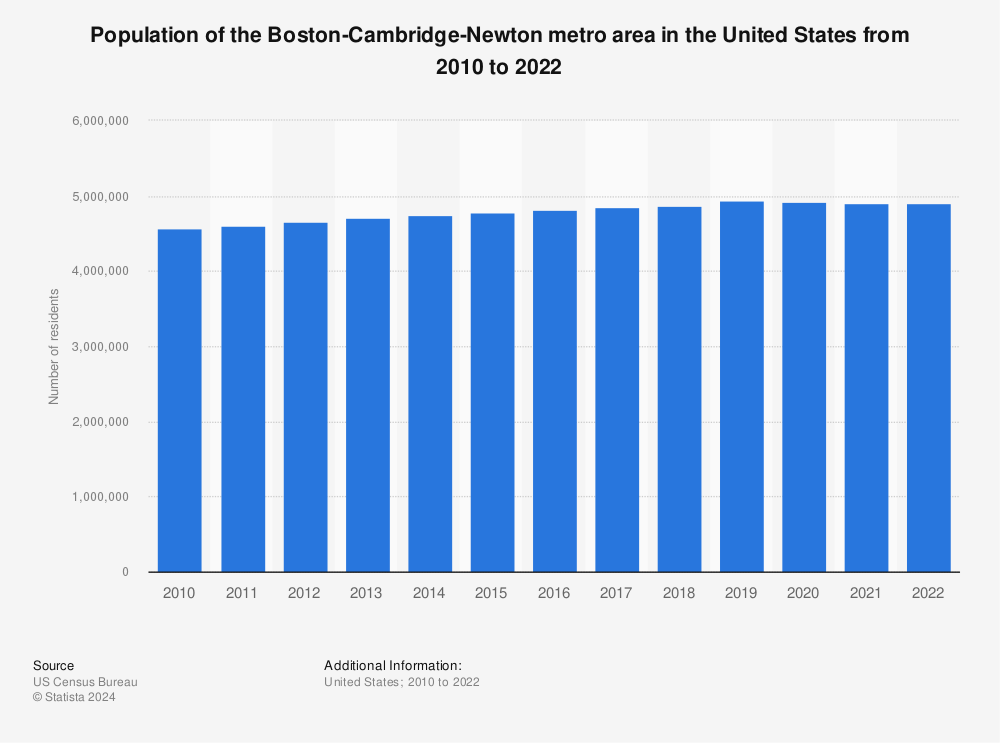
As of recent estimates, the permanent resident population of Boston hovers around 670,000 to 690,000 people. While this might seem modest compared to global megacities, it makes Boston a densely populated urban center, especially considering its compact geographical footprint. This population is incredibly diverse, reflecting centuries of immigration and a thriving modern economy.
A significant portion of Boston’s demographic is composed of students. Home to world-renowned academic institutions like Harvard University and Massachusetts Institute of Technology (MIT) (both technically located across the Charles River in Cambridge but inextricably linked to Boston’s identity), as well as numerous other colleges and universities, the city transforms with the academic calendar. During the school year, tens of thousands of students invigorate neighborhoods, supporting local businesses, food scenes, and cultural activities. This youthful energy contributes to a vibrant nightlife, a casual dining culture, and a constant influx of fresh perspectives.
Beyond students, Boston boasts a robust professional workforce, particularly in sectors like biotech, finance, technology, and healthcare. This creates a cosmopolitan atmosphere, attracting individuals from all walks of life and adding to the city’s rich local culture. The presence of these diverse communities ensures that Boston remains a city of innovation and tradition, where historic architecture stands alongside cutting-edge development. The residential population’s daily routines contribute to peak commuting times, impact the availability of public transport, and shape the authentic local experiences that discerning travelers often seek.
The Dynamic Flow of Tourists and Business Travelers
While the resident population forms the bedrock of Boston, it’s the millions of annual visitors who truly swell the city’s numbers on any given day. Pre-pandemic, Boston consistently welcomed over 20 million domestic and international visitors each year, a figure that continues to rebound robustly. These visitors come for a multitude of reasons, creating a dynamic ebb and flow that constantly reshapes the city’s vibe.
Seasonal Variations: The number of tourists in Boston varies significantly by season:
- Peak Season (Summer: June-August): This is when Boston truly bustles. Warm weather, school holidays, and numerous outdoor activities draw massive crowds. Expect high demand for hotels, longer lines at attractions, and bustling streets.
- Fall (September-October): A highly popular time, especially for “leaf peepers” coming to enjoy New England’s famed fall foliage. The student population returns, adding to the city’s vibrancy, but cooler temperatures can make sightseeing more comfortable than summer.
- Shoulder Seasons (Spring: April-May): As temperatures rise, Boston awakens. Events like the Boston Marathon and various festivals attract visitors, but crowds are generally more manageable than in summer.
- Off-Peak Season (Winter: November-March): Colder temperatures and snow deter some, but this is an excellent time for budget travel and experiencing a cozier, less crowded Boston. Many indoor attractions remain open, and holiday festivities add a magical touch.
Beyond leisure tourists, Boston is a major hub for business travel. Its numerous convention centers, particularly the Boston Convention and Exhibition Center in the Seaport District, host large conferences and trade shows year-round. These events can drastically increase hotel occupancy and impact local transport, even during otherwise slower seasons. Academic conferences, medical symposia, and corporate meetings ensure a steady stream of professionals seeking quality accommodation and convenient amenities.
The blend of these transient populations with the permanent residents creates a multifaceted cityscape where every day offers a slightly different energy. Understanding these dynamics allows travelers to make informed decisions about when to visit and how to navigate the city, ensuring a more tailored and enjoyable experience.
Navigating Boston’s Crowds: Attractions and Experiences
Boston’s allure lies in its dense concentration of history, culture, and modern vibrancy. While the presence of many people adds to the city’s energetic atmosphere, understanding crowd patterns is essential for maximizing your enjoyment. Whether you embrace the buzz or prefer serene exploration, Boston offers distinct experiences to suit every preference.
Iconic Landmarks and Peak Times

Many of Boston’s most famous landmarks are clustered within walking distance, making them incredibly accessible but also prone to heavy foot traffic. The Freedom Trail, a 2.5-mile red-lined path connecting 16 historically significant sites, is undoubtedly the most popular attraction. Sites along the trail, such as Faneuil Hall Marketplace, the Old State House, and the Paul Revere House, can become quite crowded, especially during summer weekends and mid-day hours. The energy at Faneuil Hall Marketplace, with its street performers, diverse food stalls, and souvenir shops, is part of its charm, but some visitors might prefer a quieter experience.
Other popular attractions that draw significant numbers include:
- The Boston Common and Boston Public Garden: While vast, these central parks see heavy use, especially around the Swan Boats and playgrounds.
- Museum of Fine Arts and Isabella Stewart Gardner Museum: These cultural institutions can be busy, particularly on weekends and during special exhibitions.
- New England Aquarium and Boston Children’s Museum: Expect high numbers of families, especially on rainy days or during school holidays.
- Fenway Park: On game days, the area around the ballpark transforms into a bustling hub of fans, creating an electric atmosphere but also traffic and crowded eateries.
- Boston Tea Party Ships & Museum: A highly interactive experience that manages crowds well through timed entry, but booking in advance is essential.
Strategies for managing crowds:
- Go Early or Late: Visiting popular sites right when they open or an hour before closing often allows for a more peaceful experience.
- Weekdays over Weekends: If your schedule allows, explore major attractions Monday through Thursday to avoid peak weekend crowds.
- Off-Season Travel: Consider visiting in late fall, winter, or early spring for fewer crowds and potentially better deals on accommodation and flights.
- Book in Advance: For popular tours, museums, or shows, secure your tickets online ahead of time to skip lines and guarantee entry.
- Utilize Public Transport: Boston’s “T” (subway) is efficient and can help you navigate the city without adding to street congestion. Consider purchasing a multi-day pass.
Beyond the Beaten Path: Discovering Local Gems
For those who prefer a more tranquil or authentic local culture experience, Boston offers countless opportunities to step away from the primary tourist thoroughfares. Exploring its diverse neighborhoods allows you to encounter fewer crowds while immersing yourself in distinct local flavors.
- North End: While famous for its Italian heritage, straying from Hanover Street’s main drag into quieter side streets reveals hidden bakeries, charming cafes, and beautiful residential areas. Enjoy authentic pasta or cannolis at a less-known spot, or simply wander and soak in the atmosphere.
- Beacon Hill: Just a stone’s throw from Boston Common, this picturesque neighborhood with its gas-lamp-lit streets and federal-style row houses offers a serene escape. Explore Acorn Street (one of the most photographed streets in America) early in the morning for solitude, or browse the antique shops and boutiques along Charles Street.
- South End: Known for its Victorian brick homes, art galleries, and diverse culinary scene, the South End provides a more residential and artsy vibe. Explore its many parks, enjoy a brunch at a local eatery, or catch a show at one of its smaller theaters.
- Back Bay: While home to Newbury Street’s bustling shopping scene, the residential streets of Back Bay, particularly those running parallel to Commonwealth Avenue, offer stunning architecture and a quieter elegance. A stroll along the Charles River Esplanade provides beautiful river views and a peaceful respite.
- Seaport District: This rapidly developing area, while modern and sometimes busy with business travel, also features ample waterfront promenades and innovative food concepts. Its newer design often feels less congested than the older, narrower streets of historic Boston.
Discovering these local gems allows travelers to experience Boston not just as a tourist destination but as a living, breathing city. Whether it’s finding a quiet bench in a hidden park, stumbling upon a local market, or enjoying a meal at a neighborhood eatery, these less-crowded experiences often become the most cherished memories of a trip, offering a true taste of the city’s diverse population and vibrant community spirit.
Accommodation and Lifestyle: Catering to Every Traveler
The sheer volume of people who visit Boston each year, combined with its substantial resident population, has cultivated a robust and diverse accommodation landscape. From luxury suites to budget-friendly apartments, the city caters to every type of traveler, ensuring comfort and convenience regardless of one’s purpose for visiting.
A Spectrum of Stay Options
Boston’s hotel scene is as varied as its visitors. Understanding the options and the best way to secure your ideal stay is crucial, especially when considering the city’s fluctuating crowd levels.
- Luxury Hotels and Resorts: For those seeking an opulent lifestyle and premium amenities, Boston boasts world-class establishments. The Four Seasons Hotel Boston overlooks the Boston Public Garden, offering impeccable service and elegant suites. The Ritz-Carlton, Boston provides a similarly high-end experience in the heart of downtown. The Mandarin Oriental, Boston in Back Bay offers a serene spa and sophisticated dining. These properties often cater to luxury travel and business stays, providing everything from concierge services to state-of-the-art conference facilities.
- Boutique Hotels: Offering unique charm and personalized service, boutique hotels are increasingly popular. The Kimpton Marlowe Hotel in Cambridge (just across the river) provides a stylish stay with a vibrant atmosphere. In Boston proper, options like The Godfrey Hotel Boston offer contemporary design and a central location near Downtown Crossing.
- Mid-Range and Budget-Friendly Hotels: Travelers on a moderate budget will find numerous reputable chains and independent hotels across the city and its surrounding areas. Areas like the Theatre District or near Logan International Airport often provide good value, while still offering convenient access to attractions via public transport.
- Apartments and Villas: For long-term stays, family trips, or those seeking a more residential experience, serviced apartments and vacation villas are excellent choices. Platforms offering short-term rentals allow visitors to live like a local, with options ranging from studios to multi-bedroom homes in neighborhoods like the South End or North End. These often come with kitchens, providing cost savings on food.
Booking Strategies:
- Booking in Advance: Especially during peak season (summer, fall foliage, major events), hotels can sell out quickly or see significant price hikes. Booking several months ahead is highly recommended.
- Comparison Sites and Reviews: Utilize online booking platforms and review sites to compare prices, read guest feedback, and find the best fit for your needs. Pay attention to location and proximity to public transportation.
- Consider Beyond Downtown: Expanding your search to neighboring areas like Cambridge, Somerville, or Brookline can yield more affordable accommodation options, often just a short subway ride from central Boston.
Tailoring Your Boston Experience
Regardless of how many people are in Boston during your visit, the city offers myriad ways to customize your trip to your preferences and budget.
- Luxury Travel: Indulge in gourmet dining at Michelin-starred restaurants, enjoy high-end shopping on Newbury Street or at Copley Place, and experience world-class performances in the Theatre District. Private walking tours or harbor cruises can provide an exclusive perspective of the city’s landmarks.
- Budget Travel: Boston is rich in free or low-cost attractions. Walk the Freedom Trail, explore the Boston Common and Boston Public Garden, visit the many free art galleries, or simply wander through charming neighborhoods like Beacon Hill. Utilize public transportation, pack picnics, and seek out food trucks or casual eateries for affordable meals. Many museums offer free admission on specific days or evenings.
- Family Trips: Boston is incredibly family-friendly. Besides the Boston Children’s Museum and New England Aquarium, consider a whale watching tour, a visit to the Museum of Science, or a Duck Boat Tour for an entertaining historical overview. Many parks have fantastic playgrounds, and family-friendly dining options are abundant.
- Business Stays: With its numerous convention centers and corporate headquarters, Boston is well-equipped for business travelers. Most hotels offer business amenities like Wi-Fi, meeting rooms, and fitness centers. The efficiency of the “T” system makes getting to and from meetings straightforward, and networking opportunities abound in the city’s lively bars and restaurants.
Ultimately, the answer to “How many people in Boston?” is not a static figure but a vibrant, ever-changing tableau of residents and visitors. This constant influx and outflow of individuals contribute to the city’s dynamic energy, rich cultural tapestry, and diverse offerings across travel, tourism, and accommodation. By understanding these demographic shifts and planning accordingly, every traveler can craft a personalized and enriching Boston experience, whether they seek bustling historic immersion or a peaceful exploration of its hidden gems. Boston is a city that embraces multitudes, ensuring there’s a unique place and pace for everyone.
LifeOutOfTheBox is a participant in the Amazon Services LLC Associates Program, an affiliate advertising program designed to provide a means for sites to earn advertising fees by advertising and linking to Amazon.com. Amazon, the Amazon logo, AmazonSupply, and the AmazonSupply logo are trademarks of Amazon.com, Inc. or its affiliates. As an Amazon Associate we earn affiliate commissions from qualifying purchases.