
The vastness of our world often sparks intriguing comparisons, and few are as thought-provoking as juxtaposing a nation with a sprawling American state. The question, “Is Japan smaller than Texas?”, is more than just a geographical curiosity; it delves into perceptions of scale, the density of human experience, and the sheer variety of landscapes one can encounter. As travelers, we often grapple with understanding the true size of the destinations we wish to explore. Texas, known for its immense territory and iconic status within the United States, presents a compelling benchmark against which to measure the island nation of Japan.
This exploration isn’t just about raw acreage. It’s about what those numbers truly represent in terms of travel experiences, cultural immersion, and the logistical realities of navigating a place. Understanding the geographical relationship between Japan and Texas allows us to better appreciate the density of attractions in Japan, the potential for diverse travel itineraries, and the unique charm that its more compact (though still substantial) landmass offers.
Unpacking the Numbers: A Geographical Showdown
At first glance, the sheer size of Texas is undeniable. It’s the second-largest state in the U.S. by both area and population, a sprawling expanse of diverse geography, from the Gulf Coast to the Panhandle. When many people envision Texas, they imagine endless ranches, wide-open highways, and cities separated by significant driving distances. This perception naturally leads to the question of how a country like Japan, often associated with bustling metropolises and efficient train travel, stacks up.
Area Comparison: The Verdict on Landmass
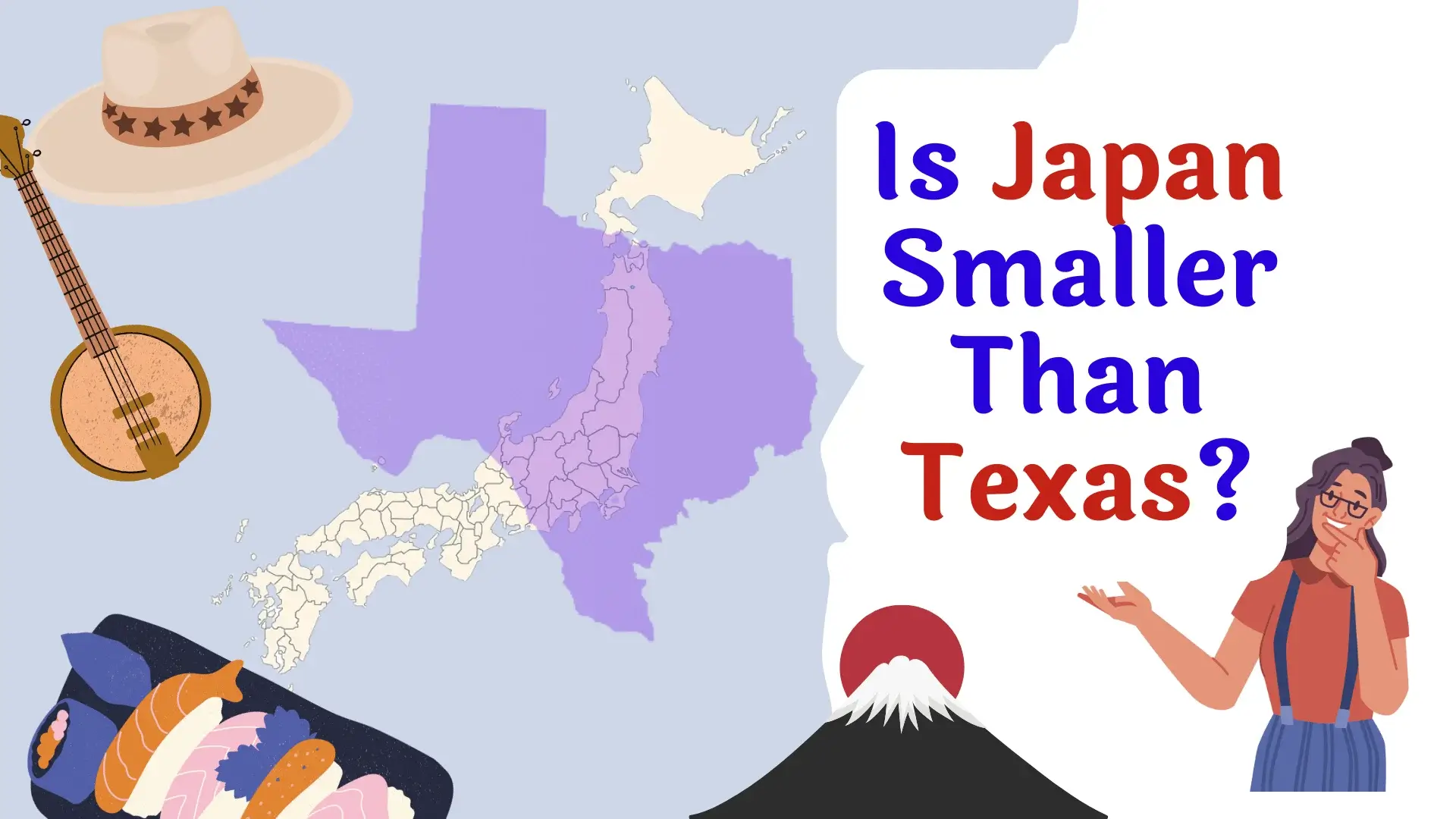
Let’s cut straight to the chase: Is Japan smaller than Texas? The answer is a definitive yes.
- Texas boasts a land area of approximately 268,596 square miles (695,662 square kilometers).
- Japan, an archipelago nation, covers a total area of roughly 145,824 square miles (377,975 square kilometers).
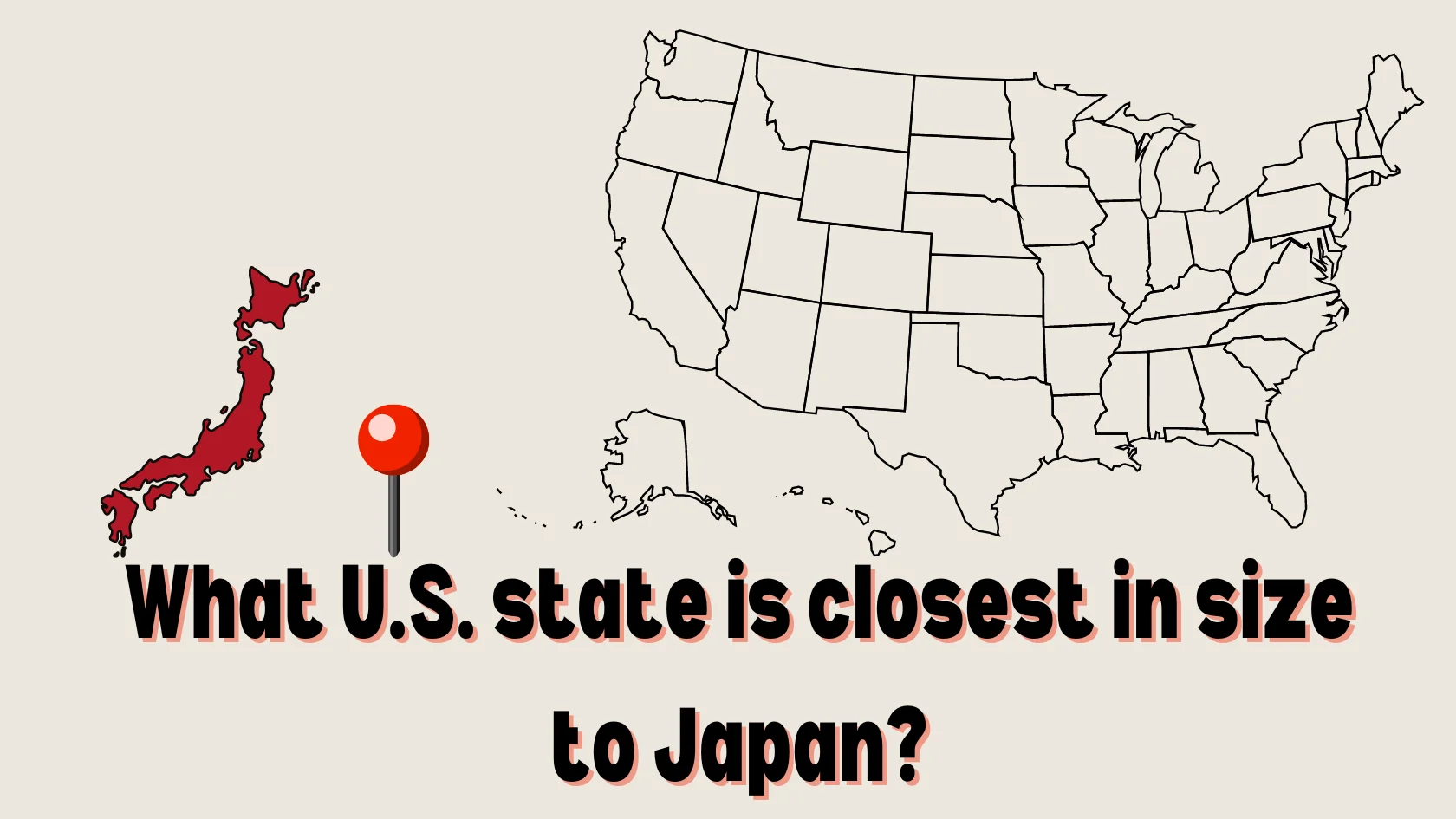
This means that Texas is nearly twice the size of Japan in terms of sheer landmass. To put this into perspective, you could fit Japan comfortably within the borders of Texas, with room to spare. This numerical difference is significant and immediately informs our understanding of travel within each entity.
Implications for Travel: Scale and Scope
The geographical disparity has profound implications for how we approach travel in each location.
Navigating Texas: A State of Grand Distances
When planning a trip to Texas, one must account for the vast distances between its major cities and attractions. Driving from Houston to El Paso is a journey of over 9 hours, covering more than 600 miles. Exploring the diverse attractions of Texas often necessitates a road trip, embracing the iconic American highway experience.
- The Big Bend National Park, for instance, requires dedicated travel time to reach its remote beauty.
- The Alamo in San Antonio and the historic Fort Worth Stockyards are significant destinations in themselves, and traveling between them is a substantial undertaking.
- Even visiting different regions within Texas – the piney woods of East Texas, the Hill Country, the West Texas desert – involves considerable travel.
This scale means that a focused itinerary within Texas often concentrates on a specific region or a handful of major urban centers. Trying to experience the breadth of Texas in a single trip can feel like trying to drink from a firehose; it’s simply too much ground to cover effectively without sacrificing depth.
Exploring Japan: Density and Diversity
Conversely, Japan’s smaller geographical footprint belies an incredible density of experiences and a remarkable diversity of landscapes and cultural offerings. While Japan is smaller than Texas, its population density is significantly higher, leading to a rich tapestry of attractions packed into a more manageable area.
- Tokyo, the world’s most populous metropolitan area, offers an almost inexhaustible list of attractions, from ancient temples like the Senso-ji Temple to futuristic districts like Shibuya.
- The bullet train, or Shinkansen, revolutionizes travel between major cities. A journey from Tokyo to Kyoto, a distance of over 300 miles, takes approximately 2.5 hours. This efficiency allows travelers to experience multiple iconic cities and regions within a single trip without feeling overwhelmed by travel time.
- Within a relatively short distance, one can transition from the neon-drenched streets of Tokyo to the serene bamboo groves of Arashiyama in Kyoto, or marvel at the natural beauty of Mount Fuji.
- The island of Hokkaido in the north offers vast, sparsely populated landscapes, while the southern islands of Okinawa boast tropical beaches and unique Ryukyuan culture. This diversity, packed into a smaller area, means that the logistical challenges of travel are different but often more efficient than in a state like Texas.
The fact that Japan is smaller than Texas does not diminish its appeal; in fact, it can make it more accessible for travelers who wish to experience a wide array of sights and sounds without spending days on end in transit.
The Japanese Archipelago: A Mosaic of Islands
Understanding Japan’s geography is key to appreciating its travel potential. Japan is not a single landmass but an archipelago of over 6,800 islands. The four largest islands – Honshu, Hokkaido, Kyushu, and Shikoku – account for about 97% of its land area. This island nature influences its climate, culture, and even its flora and fauna.
Honshu: The Heart of Japan
Honshu is the largest and most populous island, home to major cities like Tokyo, Osaka, Kyoto, and Hiroshima. It is the cultural and economic heart of Japan.
- Tokyo: As the capital, Tokyo is a sprawling metropolis that blends tradition with hyper-modernity. It offers an endless array of experiences, from the historic Imperial Palace to the bustling Tsukiji Outer Market and the vibrant nightlife of Shinjuku. For those seeking luxurious accommodations, The Peninsula Tokyo and Park Hyatt Tokyo offer unparalleled city views and amenities.
- Kyoto: The former imperial capital, Kyoto, is a treasure trove of traditional Japanese culture. It is famous for its thousands of Buddhist temples and Shinto shrines, including the iconic Kinkaku-ji (Golden Pavilion) and the serene Fushimi Inari-taisha Shrine with its thousands of vermillion torii gates. Experiencing a traditional tea ceremony or staying in a ryokan, such as Tawaraya Ryokan, provides a deep dive into local customs.
- Osaka: Known as the “kitchen of Japan,” Osaka is renowned for its vibrant food scene and lively atmosphere. The Dotonbori district, with its iconic Glico Running Man sign, is a must-visit for foodies and nightlife enthusiasts. Osaka Castle stands as a magnificent historical landmark.
- Hiroshima: A city that has risen from the ashes, Hiroshima is a poignant destination, remembered for the atomic bombing. The Peace Memorial Park and Museum offer a powerful and moving experience. Nearby, the picturesque island of Miyajima is famous for its “floating” torii gate of the Itsukushima Shrine.
Hokkaido: The Northern Frontier
Hokkaido, Japan’s northernmost main island, offers a stark contrast to the urban intensity of Honshu. It’s known for its vast national parks, volcanic landscapes, and delicious seafood.
- Sapporo: The capital of Hokkaido, Sapporo, is famous for its annual Snow Festival and its namesake beer. It’s a gateway to the island’s natural wonders.
- Furano and Biei: These regions are celebrated for their stunning summer flower fields and picturesque rolling hills, offering a pastoral idyll.
- Shiretoko National Park: A UNESCO World Heritage site, this park offers pristine wilderness, diverse wildlife, and dramatic coastal scenery.
Kyushu: The Southern Gateway
Kyushu is the third-largest island and the most southerly of the four main islands. It boasts a subtropical climate, volcanic hot springs, and a rich history.
- Fukuoka: A major city with a vibrant food scene, particularly known for its tonkotsu ramen.
- Oita Prefecture: Famous for Beppu, one of Japan’s most renowned hot spring resorts, offering a wide array of onsen experiences.
- Nagasaki: A port city with a unique international history, influenced by Chinese and Dutch traders, featuring the Glover Garden and the Atomic Bomb Museum.
Shikoku: The Pilgrimage Island
Shikoku is the smallest of the four main islands and is perhaps best known for the Shikoku Pilgrimage, a 1,200-kilometer circuit of 88 Buddhist temples associated with the monk Kūkai.
- Naoshima: An island that has transformed into an art destination, featuring contemporary art museums and installations scattered across the landscape.
- Dogo Onsen: One of Japan’s oldest hot springs, located in Matsuyama, said to have inspired the bathhouse in Hayao Miyazaki’s animated film Spirited Away.
Accommodation and Lifestyle: Experiencing Japan’s Scale
The fact that Japan is smaller than Texas doesn’t mean it lacks variety in its accommodation options or lifestyle experiences. The density of population and the efficient transportation network mean that a wider range of accommodations and lifestyles are accessible within shorter travel times.
From Luxury Suites to Traditional Ryokans
Japan offers a spectrum of accommodation to suit every traveler’s needs and budget.
- Luxury Hotels: In major cities like Tokyo and Kyoto, world-class luxury hotels abound. Establishments such as the Imperial Hotel, Tokyo or The Ritz-Carlton, Kyoto provide impeccable service, fine dining, and stunning views, offering a sophisticated urban experience.
- Boutique Hotels: For a more unique and stylish stay, boutique hotels are increasingly popular, offering personalized service and distinct design.
- Business Hotels: These are a staple for business travelers and budget-conscious tourists, offering compact, clean, and efficient rooms in convenient locations.
- Ryokans: For an authentic cultural immersion, staying in a traditional Japanese inn, or ryokan, is essential. These often feature tatami mat rooms, futon bedding, communal baths (onsen), and exquisite multi-course kaiseki dinners. Examples include the historic Hoshinoya Kyoto or the renowned Gora Kadan in Hakone.
- Apartments and Villas: For longer stays or families, serviced apartments and villas offer more space and self-catering options, especially in popular tourist areas.
- Capsule Hotels: A distinctly Japanese phenomenon, capsule hotels offer an ultra-budget, unique experience for solo travelers seeking basic, private sleeping pods.
Lifestyle: Tailoring Your Japanese Journey
The size of Japan, relative to Texas, actually enhances the diversity of lifestyle travel opportunities.
- Luxury Travel: Japan excels in offering high-end experiences. From Michelin-starred dining in Tokyo to exclusive ryokan stays in the countryside and private guided tours of ancient temples, luxury is woven into many aspects of the Japanese travel experience.
- Budget Travel: Despite its reputation for luxury, Japan can be surprisingly affordable for budget travelers. Staying in hostels or guesthouses, utilizing the extensive public transport network, and enjoying delicious and inexpensive local eateries (like ramen shops and konbini convenience stores) makes a trip accessible.
- Family Trips: Japan is an incredibly family-friendly destination. From the magic of Tokyo Disneyland and Universal Studios Japan to engaging cultural experiences like visiting samurai castles or participating in craft workshops, there are activities to captivate all ages. The safety and efficiency of public transport are also major advantages for families.
- Business Stays: With its advanced infrastructure and economic prowess, Japan is a prime destination for business travelers. Efficient transportation, reliable Wi-Fi, and a wide range of business-oriented hotels make for a smooth and productive trip.
In conclusion, while Texas may boast a larger landmass, Japan offers a concentrated yet incredibly diverse array of experiences, cultures, and landscapes within its more compact borders. The question of which is “bigger” is less important than understanding what each offers the intrepid traveler. Japan, smaller than Texas, provides an unparalleled density of cultural richness, natural beauty, and modern marvels, all surprisingly accessible thanks to its efficient infrastructure. Whether seeking the quiet majesty of its mountains, the bustling energy of its cities, or the serene beauty of its gardens, Japan promises a journey that is both vast in experience and manageable in scope.
LifeOutOfTheBox is a participant in the Amazon Services LLC Associates Program, an affiliate advertising program designed to provide a means for sites to earn advertising fees by advertising and linking to Amazon.com. Amazon, the Amazon logo, AmazonSupply, and the AmazonSupply logo are trademarks of Amazon.com, Inc. or its affiliates. As an Amazon Associate we earn affiliate commissions from qualifying purchases.