
Moving to the Golden State or simply relocating your beloved vehicle to California can be an exciting, albeit sometimes bureaucratic, process. Among the many tasks that come with such a move, registering your out-of-state vehicle is a crucial one that ensures you’re compliant with California law and can hit the road legally. This guide will walk you through the essential steps, requirements, and potential pitfalls to make registering your vehicle in California as smooth as possible, allowing you to focus on exploring all the incredible destinations, from the majestic Yosemite National Park to the vibrant streets of San Francisco.

The prospect of navigating the California Department of Motor Vehicles (DMV) might seem daunting, especially if you’re accustomed to a different state’s procedures. However, with a clear understanding of the requirements, you can efficiently complete the registration process. This often involves gathering specific documents, undergoing inspections, and paying applicable fees. Whether you’re planning a luxurious stay at a Resort in Napa Valley or a budget-friendly adventure along the Pacific Coast Highway, having your vehicle properly registered is the first step to enjoying your California lifestyle.
Understanding the Requirements for Out-of-State Vehicle Registration
Before you even consider a trip to the DMV, it’s essential to understand what California requires for you to legally operate an out-of-state vehicle within its borders. The primary entity responsible for vehicle registration is the California Department of Motor Vehicles, often referred to as the DMV. They set the standards and processes that all vehicle owners must adhere to.
Key Documents You’ll Need
Gathering the correct documentation is paramount to a successful registration. Failing to have the necessary paperwork can lead to delays and multiple trips to the DMV. Here are the essential documents you should have in hand:
- Proof of Ownership: This is typically your vehicle’s title. If you have a lienholder (a bank or lender), you’ll need their name and address. The DMV will need to verify that you are the legal owner of the vehicle.
- Proof of Insurance: California requires all drivers to have liability insurance. You’ll need to provide a valid insurance card or policy declaration page from a California-licensed insurance provider. Ensure your coverage meets California’s minimum liability requirements.
- Vehicle Identification Number (VIN) Inspection: For vehicles coming from out of state, California requires a VIN inspection. This is to verify the vehicle’s identity and ensure it hasn’t been reported stolen or tampered with. This inspection can be performed by authorized personnel at the DMV, licensed vehicle verifiers, or even some law enforcement agencies.
- Odometer Disclosure Statement: You’ll need to provide an accurate reading of your vehicle’s odometer at the time of registration. This is part of the ownership transfer process.
- Driver’s License or Identification: You’ll need a valid form of identification, such as your California driver’s license or an identification card issued by the state. If you’re new to California, you may need to obtain a California driver’s license before you can register your vehicle.
- Application for Title or Registration (REG 343): This is the primary form you’ll fill out at the DMV. You can download it from the California DMV website in advance to save time.
When to Register Your Vehicle
California law mandates that new residents must register their vehicles within 20 days of establishing residency. If you are simply bringing a vehicle into the state for vacation or a temporary stay, you may not need to register it immediately, but for anyone intending to live or work in California, this deadline is crucial. Procrastinating can result in penalties and fines, which are certainly not the souvenir you want from your move.
Emission Inspections and Smog Checks
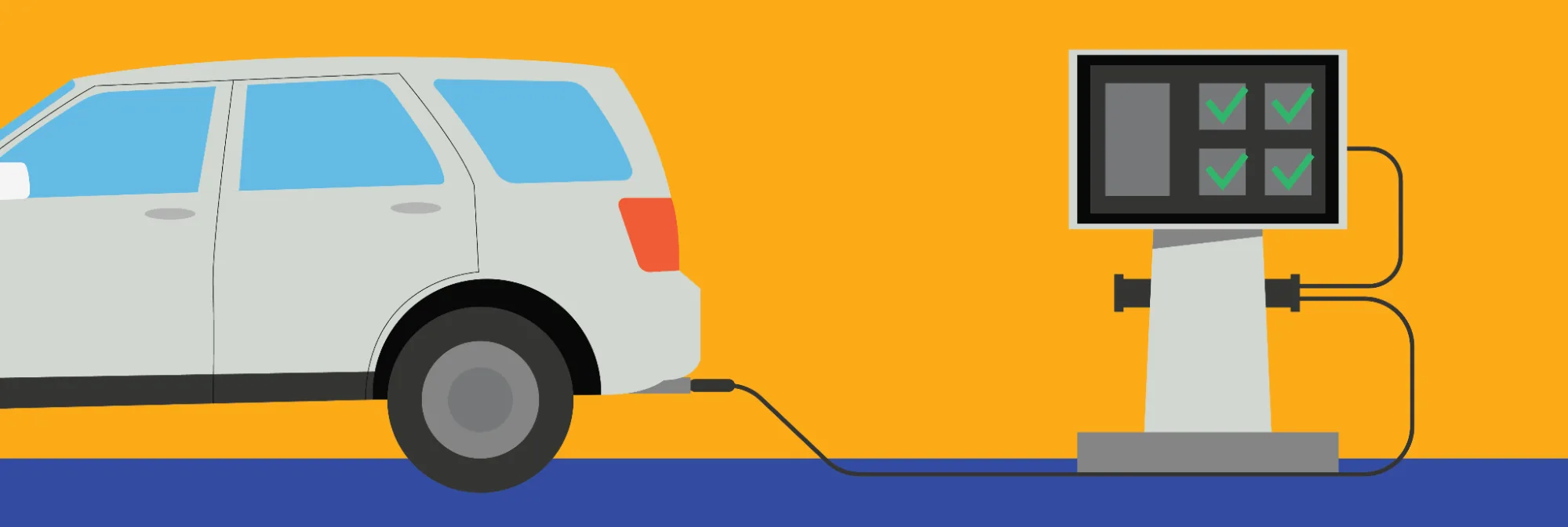
One of the most significant hurdles for out-of-state vehicle registration in California is the emission inspection, commonly known as a smog check. California has some of the strictest emission standards in the United States, designed to combat air pollution, especially in regions like the Los Angeles Basin.
- Smog Check Requirements: Most gasoline-powered vehicles that are four model years old or newer are exempt from the biennial smog check, but they must pay an annual smog abatement fee. However, vehicles that are older than four model years, or those that have been previously registered in California, will require a smog inspection certificate from a licensed California smog check station.
- Exceptions: There are some exceptions to the smog check requirement. For instance, very old vehicles (typically pre-1976 model years) may be exempt. Electric vehicles and certain hybrid vehicles might also be exempt. It’s always best to check the latest regulations on the California DMV website as these rules can change.
- Diesel Vehicles: If you’re registering a diesel vehicle, the rules can be different, and these vehicles often have more stringent inspection requirements.
- Passing the Smog Check: If your vehicle fails the smog check, you will need to have it repaired before it can be registered. The costs of these repairs can add up, so it’s wise to budget for this possibility.
The Registration Process Step-by-Step
Once you have all your documents in order and understand the requirements, it’s time to embark on the actual registration process. This usually involves a visit to your local California DMV office.
Scheduling an Appointment and Preparing for Your Visit
To avoid lengthy wait times, it’s highly recommended to schedule an appointment with the DMV. You can do this online through the official California DMV website. While walk-ins are sometimes accommodated, appointments guarantee you a specific time slot, making your visit much more efficient, especially if you’re juggling other moving-related tasks, like finding a new apartment in San Diego or exploring attractions like the San Diego Zoo.
When you arrive at the DMV, be prepared to:
- Present all your gathered documents. Ensure they are organized and readily accessible.
- Complete any remaining forms that were not filled out beforehand.
- Pay the required fees. These include registration fees, license plate fees, vehicle license fees (which are based on the vehicle’s value), and any applicable taxes or smog abatement fees. The total cost can vary significantly depending on the vehicle’s age, value, and type.

The VIN and Smog Inspections
As mentioned earlier, you’ll likely need to have your vehicle inspected.
- VIN Inspection: If you haven’t had your VIN inspected by an authorized verifier prior to your DMV visit, you may be directed to a designated area at the DMV or a licensed inspection station. The inspector will verify the VIN plate, engine numbers, and other identifying marks against your ownership documents.
- Smog Check Certificate: If your vehicle requires a smog check, you’ll need to have already obtained a passing certificate from a licensed California smog station. The DMV will verify this electronic certificate.
Receiving Your License Plates and Registration Stickers
Upon successful completion of all requirements and payment of fees, the DMV will issue you temporary registration and license plates. Your permanent license plates and registration stickers will typically be mailed to you within a few weeks. Make sure to affix the stickers to your license plates promptly. You’ll also receive a new California registration card and title (if applicable).
Navigating Additional Considerations and Potential Challenges
While the core registration process is relatively straightforward, several additional factors can influence your experience, and it’s wise to be aware of them.
Transferring a Title
If you are the owner of the vehicle and it is not financed, you will be applying for a new California title in your name. If there is a lienholder, they will retain the title until the loan is paid off, but you will still be able to register the vehicle. The DMV will guide you through the specific title transfer process, which may involve a fee.
Out-of-State License Plates and Plates Return
Once you have your new California license plates, you are legally required to surrender your old out-of-state license plates to the DMV of the state where they were issued. Failing to do so could result in continued registration fees or penalties in that state. Research the specific requirements for returning plates in your previous state of residence.
Special Cases: Motorcycles, RVs, and Classic Cars
The registration process can have nuances for different types of vehicles.
- Motorcycles: The general process is similar, but there might be specific fees or inspection requirements for motorcycles.
- Recreational Vehicles (RVs) and Motorhomes: These larger vehicles often have different registration fees based on their size and value. They may also have specific weight or safety requirements to consider.
- Classic Cars and Custom Vehicles: If you’re bringing a classic car or a custom-built vehicle to California, the registration process can be more complex. You might need to apply for special plates (e.g., historical vehicle plates) and provide extensive documentation regarding the vehicle’s history and modifications. These often have specific mileage limitations or usage restrictions.
Residency and Establishing Yourself in California
It’s important to note that the 20-day rule for registration applies to establishing residency. This means if you’ve moved to California with the intent to live there, such as for a new job opportunity in Los Angeles or to attend a prestigious university like Stanford University, you are considered a resident. This contrasts with a brief vacation or business trip where you might be staying in a hotel like the Beverly Wilshire, A Four Seasons Hotel or a villa in Malibu.
Tips for a Smooth Experience
- Be Patient: The DMV can be a busy place. Patience is key.
- Be Prepared: Have all your documents organized and in order.
- Use Online Resources: The California DMV website is an invaluable resource for forms, appointment scheduling, and up-to-date information.
- Consider a Licensed Registration Service: For those who find the process overwhelming or have complex situations, there are licensed third-party services that can assist with vehicle registration for a fee.
Registering your out-of-state vehicle in California is a necessary step that allows you to fully enjoy your new life or extended stay in the state. By understanding the requirements, gathering your documents meticulously, and approaching the process with a bit of preparation, you can navigate the DMV efficiently and get back to exploring the diverse landscapes and vibrant culture that California has to offer, from the entertainment hubs of Hollywood to the natural wonders of Death Valley National Park.
LifeOutOfTheBox is a participant in the Amazon Services LLC Associates Program, an affiliate advertising program designed to provide a means for sites to earn advertising fees by advertising and linking to Amazon.com. Amazon, the Amazon logo, AmazonSupply, and the AmazonSupply logo are trademarks of Amazon.com, Inc. or its affiliates. As an Amazon Associate we earn affiliate commissions from qualifying purchases.