
When considering the prominent state of New York, many minds immediately leap to the bustling metropolis of New York City. With its iconic skyscrapers, vibrant cultural scene, and global influence, it’s understandable why this urban giant often overshadows other significant locations within the state. However, the question “What is the capital state of New York?” contains a subtle but crucial distinction. New York is a state, and like all states, it has a designated capital city, not a “capital state.” That honor belongs to Albany, a city often overlooked but deeply rich in history, culture, and political significance.
Albany, nestled on the western bank of the Hudson River, stands as one of the oldest continuously inhabited cities in the United States. Its story is inextricably linked with the formation and development of New York state itself, making it a pivotal destination for anyone keen to delve deeper into American heritage. From its Dutch colonial roots to its contemporary role as a hub for government and education, Albany offers a compelling blend of historical exploration, cultural immersion, and modern amenities, making it a fascinating stop for travelers of all interests. For those planning a trip, understanding Albany’s unique character provides a gateway to an authentic New York experience, distinct from the urban dynamism of its more famous sibling to the south.

Albany: A Capital City Steeped in History
Albany’s designation as the capital city of New York is no accident; it is the culmination of centuries of strategic importance and political evolution. Its location, at the confluence of the Hudson River and the Mohawk River, made it a vital trading post and military stronghold from its earliest days.
The Birth of a Capital
The roots of Albany stretch back to 1614 when Dutch fur traders established Fort Nassau, later Fort Orange, on the site. This settlement rapidly grew into Beverwijck and was officially granted a city charter in 1686, becoming Albany, named after the Duke of Albany, who would later become King James II of England. Throughout the colonial period, Albany played a crucial role in trade, defense, and as a meeting point for various colonial leaders. Its strategic position at the head of navigation on the Hudson River and as a gateway to the vast western wilderness meant it was a constant focal point for geopolitical maneuvering.
Following the American Revolution, as the newly formed United States began to define its governmental structures, the need for a permanent capital for New York state became evident. In 1797, Albany was officially declared the capital, a testament to its central location, established infrastructure, and historical significance. This decision cemented its place as the administrative heart of the Empire State, a role it has maintained ever since, fostering a deep connection to the political and social narrative of New York.
Architectural Marvels and Political Powerhouses
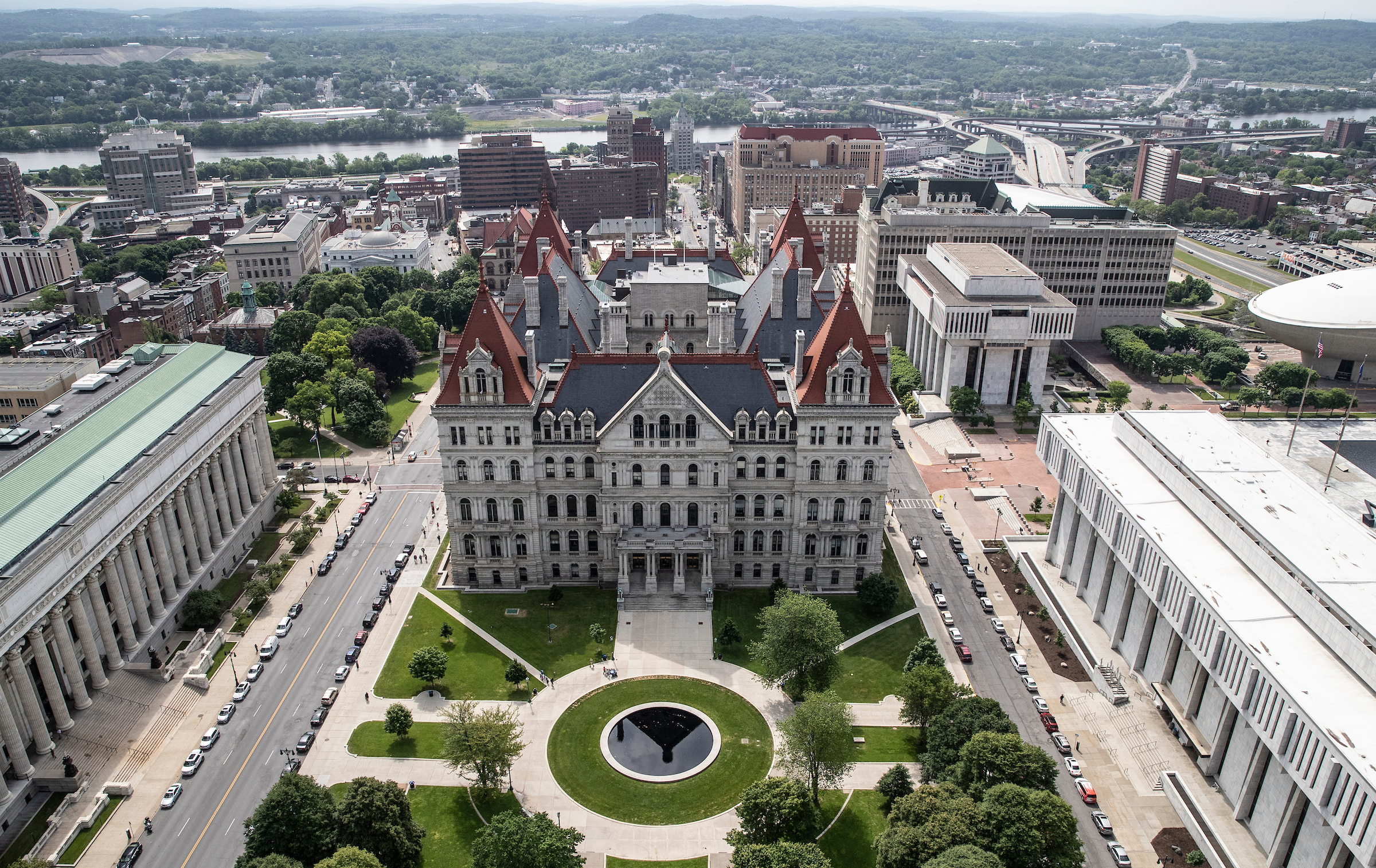
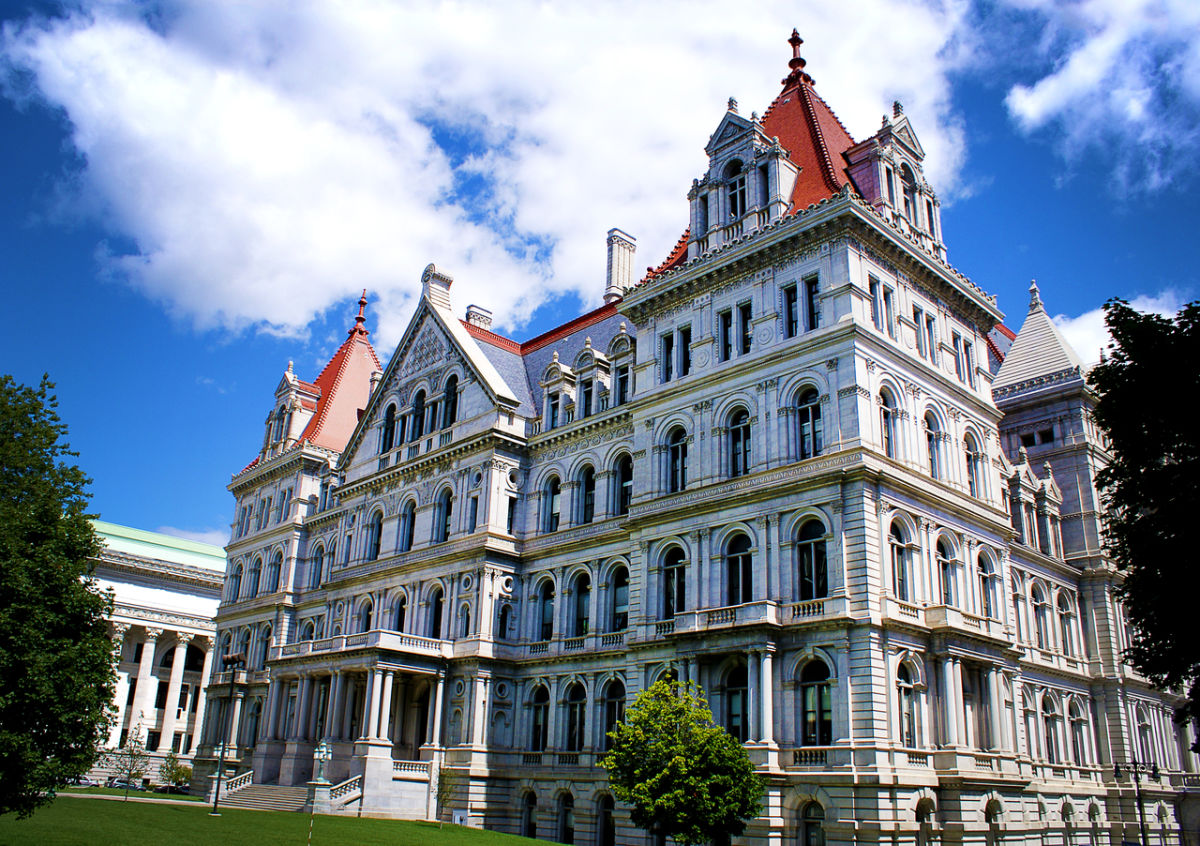
Albany’s status as a capital city is perhaps most visibly represented by its impressive array of governmental buildings and historical architecture. The crown jewel is undoubtedly the New York State Capitol Building, a monumental structure that is as much an architectural masterpiece as it is a seat of power. Taking over 30 years to construct and costing an astounding (for its time) $25 million, the Capitol showcases a blend of Romanesque Revival and Renaissance Revival styles, featuring intricate carvings, grand staircases, and historic chambers. Guided tours offer visitors a unique opportunity to explore its opulent interiors and learn about the legislative process that shapes New York state. It’s a must-see for history buffs and architecture enthusiasts alike, offering a glimpse into the state’s governance and the artistry of the late 19th century.
Adjacent to the Capitol is the Empire State Plaza, a sprawling complex of government buildings, cultural institutions, and reflecting pools designed by Governor Nelson A. Rockefeller in the mid-20th century. This modernist marvel stands in stark contrast to the historic Capitol, featuring sleek lines and towering structures like the Erastus Corning Tower, which offers panoramic views of Albany and the surrounding Hudson Valley. The Plaza is not just a government center; it’s a vibrant public space often hosting events, concerts, and ice skating in winter, embodying Albany’s blend of official duty and community life. Other historical gems include the Executive Mansion, the official residence of the Governor of New York, and numerous charming brownstones and churches scattered throughout the city’s historic districts, each telling a piece of Albany’s layered story.
Beyond Politics: Exploring Albany’s Vibrant Culture and Attractions
While Albany’s governmental role is central to its identity, the city offers far more than just political landmarks. It is a dynamic urban center boasting a rich cultural scene, diverse educational institutions, and abundant green spaces, making it an appealing destination for a wide range of travelers.
Museums, Arts, and Education
For those with an appetite for knowledge and culture, Albany delivers. The New York State Museum, located within the Empire State Plaza, is the largest state museum in the United States and offers an expansive journey through New York’s natural and cultural history. Its exhibits cover everything from prehistoric fossils and Iroquois life to the World Trade Center artifacts, providing an educational and often moving experience for visitors of all ages. Just a short walk away, the Albany Institute of History & Art stands as one of the oldest museums in the United States, boasting impressive collections of Hudson River School paintings, Albany silver, furniture, and historical artifacts that illuminate regional life and art.
Albany is also a significant educational hub, home to several colleges and universities, including the University at Albany (SUNY Albany) and Russell Sage College. This academic presence infuses the city with youthful energy, diverse perspectives, and a thriving arts scene, including live music venues, theaters, and independent art galleries. The Palace Theatre, a beautifully restored 1930s movie palace, hosts a variety of concerts, Broadway shows, and film screenings, adding to the city’s vibrant entertainment options.
Green Spaces and Outdoor Adventures
Despite its urban and governmental character, Albany offers ample opportunities for outdoor recreation and immersion in nature. Washington Park, a Victorian-era urban oasis, is one of the most beautiful city parks in the United States. Its picturesque landscape features a large lake, winding paths, a famous pedestrian bridge, and an exquisite King Memorial Fountain. The park is a popular spot for leisurely strolls, picnics, and hosts the annual Tulip Festival, a spectacular celebration of spring that draws visitors from across the region.
The Hudson River itself provides a scenic backdrop and recreational opportunities. The Albany Riverfront Park offers walking and biking trails, connecting visitors to the waterfront and providing stunning views. For those seeking more expansive natural experiences, Albany’s location makes it an ideal base for day trips to the majestic Adirondacks and scenic Catskills mountain ranges, offering hiking, skiing, and myriad other outdoor activities. Nearby Thacher State Park boasts impressive cliffs and panoramic views of the Hudson-Mohawk Valleys and the Adirondacks and Green Mountains of Vermont.
Planning Your Visit: Accommodation, Dining, and Travel Tips in Albany
A trip to Albany can be tailored to various interests and budgets, whether you’re a history enthusiast, a culture vulture, a business traveler, or a family on vacation. The city’s welcoming atmosphere and diverse offerings make planning your stay an enjoyable experience.
Where to Stay: Hotels and Other Accommodations
Albany provides a broad spectrum of accommodation options to suit every preference and budget. For those seeking luxury travel experiences, boutique hotels in the downtown area or close to the Capitol often offer elegant suites, gourmet dining, and personalized services. Establishments like The Schuyler Inn or the Capital Plaza Hotel provide a blend of historical charm and modern amenities, often within walking distance of major landmarks.
For budget-conscious travelers, there are numerous reputable chain hotels and motels located slightly outside the city center, offering comfortable and convenient stays without breaking the bank. Families might appreciate hotels with amenities such as indoor pools and complimentary breakfasts, while business travelers can find accommodations with dedicated workspaces and easy access to the Empire State Plaza and convention centers. For a more unique experience, consider a charming bed-and-breakfast in one of Albany’s historic neighborhoods, offering local charm and hospitality. Booking in advance, especially during legislative sessions or major events, is always advisable to secure the best rates and preferred locations. Online reviews and comparison sites can help in making an informed choice, whether you’re seeking a short stay or long-term accommodation.
A Taste of Albany: Culinary Experiences
Albany’s culinary scene is as diverse as its history, ranging from upscale dining establishments to casual eateries and cozy cafes. The city embraces a farm-to-table philosophy, with many restaurants sourcing fresh, local ingredients from the rich agricultural lands of the Hudson Valley. You can find everything from classic American comfort food and traditional New York delis to international cuisine, including Italian, Mexican, and Asian fusion.
For a true taste of local culture, explore the numerous breweries and distilleries that have popped up, offering craft beers and spirits that reflect the region’s innovative spirit. Don’t forget to sample some local treats like apple cider donuts, especially in the fall, or indulge in the vibrant coffee shop scene. Many establishments offer outdoor seating during warmer months, providing a perfect opportunity to enjoy the city’s ambiance while savoring delicious food.
Getting Around and Travel Logistics
Albany is easily accessible by car, train (Amtrak’s Albany-Rensselaer Station), and air (Albany International Airport). Once in the city, downtown Albany is very walkable, especially around the Capitol and Empire State Plaza. Public transportation, primarily buses operated by CDTA, covers wider areas of the city and surrounding suburbs. Taxis and ride-sharing services are also readily available.
The best time to visit Albany largely depends on your interests. Spring brings the famous Tulip Festival and pleasant weather, while summer offers outdoor concerts, festivals, and opportunities for river activities. Fall is particularly stunning, with vibrant foliage throughout the Hudson Valley. Winter offers a quieter charm, with holiday events and proximity to skiing opportunities in the Adirondacks or Catskills. Whether you’re planning a luxury getaway, a budget-friendly family trip, or a quick business stay, Albany provides a welcoming and engaging environment.
Albany’s Role in the Broader New York Experience
Understanding Albany’s significance goes beyond its status as a capital city; it involves recognizing its crucial role in the tapestry of New York state and its unique appeal as a travel destination.
Connecting the Empire State
Albany’s geographical position has always made it a natural crossroads. It serves as a vital transportation hub, connecting New York City and the downstate region with the vast expanses of Upstate New York, including the Finger Lakes, Adirondacks, and the Great Lakes region. This makes Albany an excellent starting point or stopover for those exploring the diverse landscapes and attractions that the entire state has to offer. Its proximity to other popular destinations like Saratoga Springs (famous for its horse racing and mineral springs) and Lake George (a stunning natural lake offering recreational activities) allows visitors to easily integrate Albany into broader regional itineraries.
The city also plays a critical economic role beyond government, fostering growth in technology, healthcare, and education sectors, further solidifying its position as an integral part of New York’s diverse economy and lifestyle. It contributes significantly to the state’s cultural identity, balancing historical preservation with modern innovation.
Why Albany Deserves Your Attention
While New York City captures global attention, Albany offers a refreshingly different, yet equally enriching, New York experience. It provides a more intimate look at the state’s governmental heart and historical roots, free from the overwhelming pace of a mega-city. For families, it offers educational opportunities without the prohibitive costs often associated with larger urban centers. For business travelers, it provides state-of-the-art facilities and a focused environment. For those seeking cultural immersion, Albany’s museums, theaters, and local events provide deep insights into regional heritage and contemporary arts.
It’s a city where you can walk through centuries of history, from Dutch colonial streets to modernist plazas, all within a compact and manageable downtown core. The blend of iconic landmarks, green spaces, and a burgeoning culinary scene makes Albany a multifaceted destination that appeals to a wide range of travel styles, from luxury to budget-conscious adventurers.
In conclusion, while the phrasing “Capital State of New York” might be a slight misnomer, the answer is unequivocally Albany. This historic city serves not only as the administrative core of New York state but also as a vibrant cultural center and an accessible gateway to the diverse attractions of the Hudson Valley and beyond. For travelers looking to truly understand the depth and breadth of the Empire State, a visit to Albany is not just recommended, it’s essential. It offers a unique perspective on American history, governmental function, and a rich, authentic slice of New York life, making it a destination well worth exploring.
LifeOutOfTheBox is a participant in the Amazon Services LLC Associates Program, an affiliate advertising program designed to provide a means for sites to earn advertising fees by advertising and linking to Amazon.com. Amazon, the Amazon logo, AmazonSupply, and the AmazonSupply logo are trademarks of Amazon.com, Inc. or its affiliates. As an Amazon Associate we earn affiliate commissions from qualifying purchases.