
Navigating the process of renewing your Texas driver’s license might seem like a mundane administrative task, but for many, it’s a crucial step to maintaining freedom of movement, whether for local exploration or extended travel adventures. As residents of the Lone Star State, understanding the requirements for keeping your license current is essential. This guide aims to demystify the renewal process, ensuring you’re well-prepared and can continue to experience all that Texas and beyond has to offer, from its vibrant cities and iconic landmarks to its diverse attractions and unique local culture.

While your driver’s license might primarily serve as a permit to drive, it’s also a fundamental document for many aspects of life, including booking hotels, securing accommodation, and even facilitating certain travel experiences. Without a valid license, spontaneous road trips to explore places like the Alamo or weekend getaways to charming towns like Fredericksburg become significantly more complicated, if not impossible. This renewal process, therefore, is more than just a bureaucratic hurdle; it’s a gateway to continued exploration and enjoyment of lifestyle choices that often involve personal transit.
Understanding Your Renewal Options and Eligibility
The Texas Department of Public Safety (DPS) offers several convenient ways to renew your driver’s license, catering to different circumstances and preferences. Understanding which option best suits your needs is the first step in a smooth renewal experience. The primary methods include renewing online, by mail, or in person at a driver’s license office. Each of these channels has specific eligibility requirements and procedures that you must adhere to.
Online Renewal: The Convenient Choice
For many Texans, online renewal is the most straightforward and time-saving option. The Texas DPS website provides a user-friendly platform for eligible individuals to complete their renewal without leaving the comfort of their home. This method is ideal for those who have a good driving record and meet certain criteria, allowing them to avoid queues and save valuable time.
Eligibility for Online Renewal:
To renew your license online, you generally must meet the following conditions:
- Age: You must be between 18 and 78 years old.
- License Type: You must be renewing a Class A, B, or C driver’s license. Commercial Driver’s Licenses (CDLs) and Provisional Licenses have different renewal procedures.
- Last Renewal: If your last renewal was also completed online or by mail, you may be eligible to renew online again. However, if your last renewal was in person, you may need to renew in person again.
- Address Update: You must have a current Texas address on file with the DPS. If you’ve moved, you’ll need to update your address before proceeding with the renewal.
- No License Suspensions or Holds: Your driver’s license must not be suspended, revoked, or have any outstanding holds or violations.
- Vision Test: You will be required to certify that you meet the vision standards. If you have concerns about your vision or if your last renewal required a vision test, you might need to renew in person.
- Proof of Identity: While you don’t upload documents, you’ll need to provide information to verify your identity, such as your driver’s license number, date of birth, and answers to security questions.
The Online Renewal Process:
- Visit the Official Website: Navigate to the Texas DPS website’s driver’s license renewal portal. Be sure you are on the official government site to avoid scams.
- Provide Necessary Information: You will be prompted to enter your driver’s license number, date of birth, and the last four digits of your Social Security number.
- Answer Eligibility Questions: You will answer a series of questions to confirm your eligibility for online renewal.
- Complete the Vision and Knowledge Tests (if applicable): While a full knowledge test is typically not required for a standard renewal, you may need to answer questions related to traffic laws. A vision test is usually handled by self-certification for online renewals, but exceptions may apply.
- Pay the Renewal Fee: A credit card or debit card is generally accepted for payment of the renewal fee. The fee amount can vary slightly.
- Receive Your New License: Your renewed driver’s license will be mailed to your address on file within a specified timeframe. You will typically receive a temporary paper license that is valid for a period while you await your new card.
In-Person Renewal: For Specific Situations
Renewing your driver’s license in person at a driver’s license office is a necessary option for those who do not meet the eligibility requirements for online or mail renewal, or for those who prefer or need to have their photograph updated. This process ensures all requirements, including vision and potentially knowledge tests, are met under the direct supervision of a DPS representative.
When You Might Need to Renew In Person:
- Age 79 or Older: Individuals aged 79 and above must renew in person every two years.
- Vision Test Required: If you have not passed a vision test within the last two renewal cycles or if you have specific vision concerns, an in-person renewal is mandatory.
- License Expired Over Two Years: If your license has been expired for more than two years, you will likely need to reapply as a new applicant, which involves an in-person visit.
- Name or Gender Marker Change: If you are updating your legal name or gender marker on your license, an in-person visit is required to provide the necessary documentation.
- License Was Lost or Stolen: While you can often get a replacement online, if the license is also due for renewal, you may need to handle both at an office.
- Moving from Another State: If you are a new resident of Texas, you must obtain a Texas driver’s license in person.
- Specific Medical Conditions: Certain medical conditions might necessitate an in-person evaluation.
- Last Renewal Was In-Person: In some cases, the DPS may require you to renew in person if your previous renewal was also conducted in person.
The In-Person Renewal Process:
- Gather Required Documents: You will need to bring several documents with you to the driver’s license office. These typically include:
- Your current or most recently expired Texas driver’s license.
- Proof of identity (e.g., U.S. Passport, Birth Certificate).
- Proof of U.S. Citizenship or lawful presence in the U.S. (e.g., Birth Certificate, U.S. Passport, Permanent Resident Card).
- Proof of Social Security number (e.g., Social Security card, W-2 form).
- Two proofs of Texas residency (e.g., utility bills, lease agreements, bank statements).
- The completed renewal notice, if you received one.
- Schedule an Appointment (Recommended): To minimize wait times, it is highly recommended to schedule an appointment online through the Texas DPS website. Walk-ins are sometimes accommodated, but appointments are prioritized.
- Visit the Driver’s License Office: Arrive at your scheduled appointment with all your required documents.
- Vision Test: You will undergo a vision test administered by a DPS employee.
- Knowledge Test (if applicable): If required based on your driving record or if your license has been expired for an extended period, you may need to take a written knowledge test.
- Photograph: Your photograph will be taken for the new license.
- Pay the Renewal Fee: Payment can typically be made via cash, check, money order, or credit/debit card, depending on the office.
- Receive Temporary License: You will receive a temporary paper license valid until your new card arrives by mail.
Renewal by Mail: An Alternative Option
Renewal by mail is available for a limited number of circumstances, primarily for individuals who are out of state or out of the country and are unable to renew online or in person. It’s a less common method but remains a vital option for specific situations.
Eligibility for Mail Renewal:
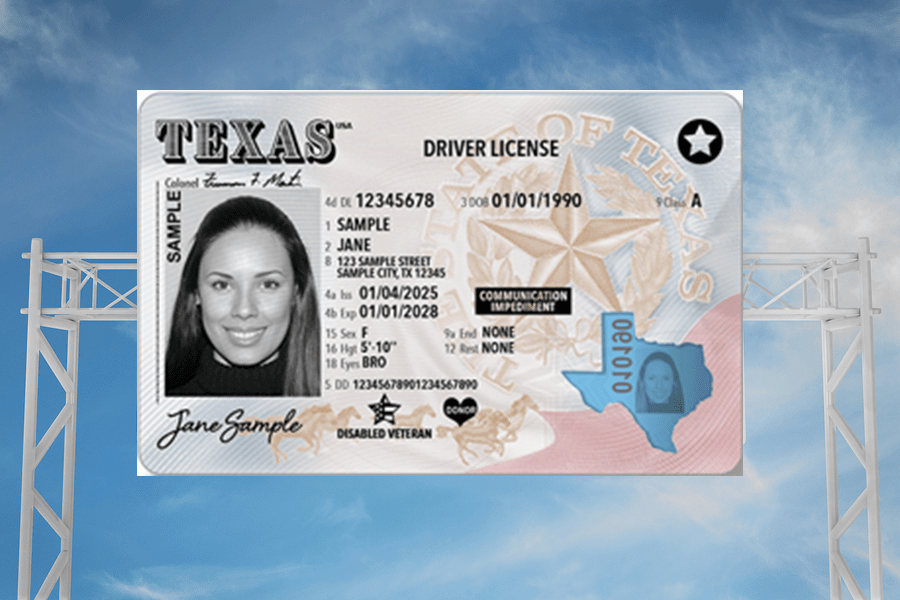
- Active Duty Military Personnel: This is a primary group eligible for mail renewal, allowing them to maintain their Texas license while stationed elsewhere.
- Residents Temporarily Outside of Texas: In certain situations, residents who are temporarily living outside of Texas due to specific reasons (e.g., attending college abroad) may be eligible.
- Specific Medical Conditions Preventing In-Person Visit: A doctor’s note may be required to support this.
The Mail Renewal Process:
- Contact the DPS: You will need to contact the Texas Driver License Section to request a mail-in renewal packet. This usually involves providing proof of your current out-of-state or out-of-country status.
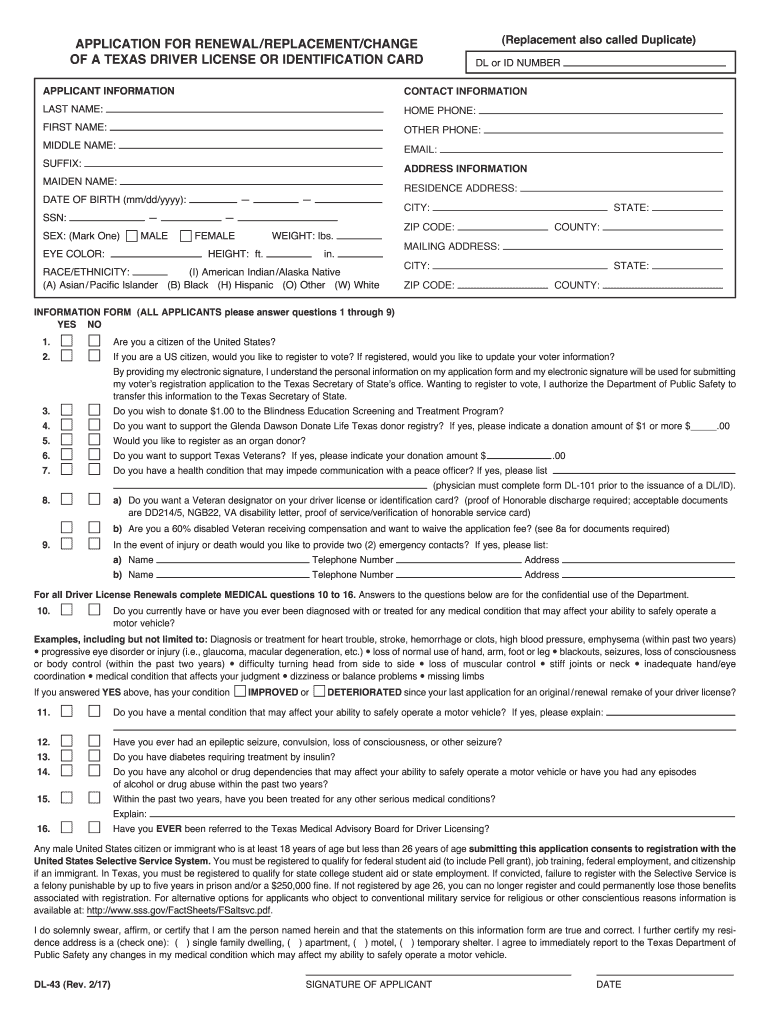
- Complete the Application and Forms: The packet will contain the necessary application forms, along with instructions. You may need to provide documentation to support your eligibility.
- Submit Payment: Payment of the renewal fee will be required, typically through a check or money order payable to the Texas Department of Public Safety.
- Mail the Packet: Send the completed packet and payment to the address specified by the DPS.
- Receive New License: Your renewed license will be mailed to your designated address.
Essential Documents and Preparation
Regardless of your chosen renewal method, being prepared with the correct documentation and understanding the requirements is key to a hassle-free experience. This preparation ensures that you can efficiently move through the process, whether you’re clicking through an online form or gathering physical documents for an in-person visit.
Proving Your Identity and Legal Presence
A fundamental part of the driver’s license renewal process is verifying your identity and your legal status in the United States. The Texas DPS has specific requirements for the types of documents they accept to ensure the integrity of the licensing system.
- Proof of Identity: This document confirms who you are. Acceptable forms include:
- Original or certified copy of your U.S. Birth Certificate.
- Valid U.S. Passport.
- Consular Report of Birth Abroad.
- Certificate of Citizenship or Naturalization.
- Proof of U.S. Citizenship or Lawful Presence: This demonstrates your right to reside and work in the U.S. The documents listed above for proof of identity can often also serve as proof of citizenship or lawful presence. If you are not a U.S. citizen, you will need to provide documentation such as a Permanent Resident Card, Employment Authorization Document, or a valid foreign passport with appropriate visa and immigration documents.
- Proof of Social Security Number (SSN): You must provide proof of your SSN. Acceptable documents include:
- Social Security card.
- W-2 or 1099 form showing your SSN.
- Pay stub showing your SSN.
Verifying Your Texas Residency
For all renewal methods (except potentially for active-duty military on orders outside the state), you will need to prove that you are a resident of Texas. This is crucial for ensuring that licenses are issued to individuals who genuinely reside within the state and will be operating vehicles under its jurisdiction.
- Acceptable Proofs of Residency: You typically need to provide two different documents from the following list, showing your name and Texas address:
- Utility bills (electricity, gas, water, internet, cable).
- Lease agreements or mortgage statements.
- Bank statements or financial institution records.
- Government-issued correspondence (e.g., from the IRS, Social Security Administration).
- Texas Voter Registration Card.
- Vehicle registration or title.
- Insurance policies (e.g., auto, homeowners, renters).
- School transcripts or enrollment records (for students).
Remember that the documents must be recent, typically dated within the last 60-90 days, and clearly display your name and current Texas address. If you are sharing an address with another person, you might need additional documentation to prove your residency at that location.
Keeping Your License Current: Beyond the Renewal Date
Understanding what you need to renew your license is important, but so is staying aware of expiration dates and the implications of letting your license lapse. Proper planning ensures you maintain your ability to drive legally and continue enjoying all the freedoms and opportunities that come with it, from weekend escapes to New Orleans or exploring the natural beauty of Big Bend National Park.
The Importance of Timely Renewal
Renewing your driver’s license before it expires is not just a recommendation; it’s a legal requirement. Driving with an expired license can result in traffic citations, fines, and even the suspension of your driving privileges. This can significantly impact your ability to commute to work, manage daily errands, or embark on planned travel excursions.
- Grace Periods: While Texas may offer a short grace period after expiration, it’s not advisable to rely on this. Law enforcement officers can still issue citations for driving with an expired license, even within this period.
- Impact on Other Services: A valid driver’s license is often required for various services, including renting a car for a trip to explore regions like the Hill Country, opening a bank account, or even entering certain secure facilities.
- Reapplication Process: If your license expires for an extended period (generally over two years), you may be required to go through the process of reapplying as a new driver, which can involve additional tests and potentially higher fees.
Planning Your Renewal Strategy
To avoid any lapse in your driving privileges, it’s best to start the renewal process well in advance of your expiration date. The DPS typically sends out renewal notices by mail or email approximately 60 days before your license expires, but it’s wise to mark your calendar and be proactive.
- Early Renewal: You can often renew your license up to one year before it expires. This allows ample time to address any potential issues, gather documents, and choose the renewal method that works best for you.
- Renewal Notices: Keep an eye on your mail and email for your renewal notice. If you don’t receive one within 30 days of your expiration date, contact the DPS to confirm your mailing information.
- Record Keeping: Keep copies of your old license and any renewal confirmations for your records. This can be helpful in future interactions with the DPS or for personal documentation.
By understanding the requirements, gathering your documents, and planning ahead, renewing your Texas driver’s license can be a straightforward process, ensuring you remain legally mobile and ready for your next adventure, whether it’s a short drive to a local festival or a cross-country journey.
LifeOutOfTheBox is a participant in the Amazon Services LLC Associates Program, an affiliate advertising program designed to provide a means for sites to earn advertising fees by advertising and linking to Amazon.com. Amazon, the Amazon logo, AmazonSupply, and the AmazonSupply logo are trademarks of Amazon.com, Inc. or its affiliates. As an Amazon Associate we earn affiliate commissions from qualifying purchases.