
California, a land of unparalleled beauty and boundless opportunity, beckons entrepreneurs and adventurers alike. From the sun-drenched beaches of San Diego to the bustling urban landscapes of Los Angeles and the iconic hills of San Francisco, the Golden State offers a diverse tapestry for living, working, and exploring. For those drawn to its vibrant lifestyle, whether to launch a travel-related venture, manage rental properties, or simply operate a business while embracing a nomadic existence, establishing a Limited Liability Company (LLC) in California is a foundational step.
An LLC is a popular business structure that combines the liability protection of a corporation with the flexibility and pass-through taxation of a partnership or sole proprietorship. It’s an ideal choice for many small to medium-sized businesses, freelancers, and investors, offering a layer of separation between personal and business assets. For anyone envisioning a business that complements a travel-rich lifestyle – perhaps a boutique accommodation service in Napa Valley, a tour operation around Lake Tahoe, or even a blog dedicated to California’s hidden gems – understanding how to properly set up an LLC is crucial. This guide will walk you through the process, integrating the unique considerations that make California an exciting, yet specific, place to establish your enterprise.
The Golden State Advantage: Why California for Your LLC?
California isn’t just a picturesque destination; it’s a colossal economic powerhouse, consistently ranking among the largest economies in the world. This translates into a vast consumer base, a highly skilled workforce, and an ecosystem ripe with innovation. For businesses focused on travel, hospitality, or accommodation, California’s immense tourism industry presents an obvious and attractive market. Millions flock annually to explore its diverse attractions, from national parks to world-class cities, creating a constant demand for services and experiences.
Beyond the sheer market size, setting up an LLC in California offers significant benefits for asset protection and business credibility. As an LLC owner, your personal assets – such as your home, savings, and vehicles – are generally shielded from business debts and liabilities. This separation is invaluable, particularly in industries like hospitality and tourism where unforeseen incidents can occur. Furthermore, operating as an LLC lends an air of professionalism and legitimacy to your venture, which can be crucial when seeking funding, partnering with other businesses, or attracting clients who value trust and reliability. For those managing multiple rental properties, for example, each under its own LLC, the protection is multiplied, offering peace of mind to the adventurous investor.
California’s Diverse Appeal for Entrepreneurs
California’s economic landscape is as varied as its geography. It’s home to Silicon Valley, the global hub of technological innovation, but also Hollywood, the epicenter of the entertainment industry. This creates a vibrant environment for all kinds of businesses, including those that cater to high-tech professionals and creative artists alike.
For entrepreneurs with a passion for travel and lifestyle, California offers an incredible canvas. Imagine an LLC managing luxury short-term rentals in Malibu, a concierge service specializing in exclusive Napa Valley wine tours, or a specialty travel agency arranging bespoke adventures to Yosemite National Park. Consider a business that curates unique experiences near the Santa Monica Pier or provides guided excursions to explore the historical architecture of San Francisco. Even a simple online store selling California-themed merchandise or a travel blog monetized through affiliate links and advertising can benefit immensely from the legal and financial structure an LLC provides. The opportunities are as vast as the state itself, making the decision to incorporate here a strategic one for many aspiring business owners.
Navigating the California LLC Setup Process: A Step-by-Step Guide
Setting up an LLC in California involves several key stages, each requiring attention to detail. While the process can seem daunting, breaking it down into manageable steps makes it much clearer. It’s important to remember that California has specific requirements and fees that differ from other states, particularly concerning its annual franchise tax.
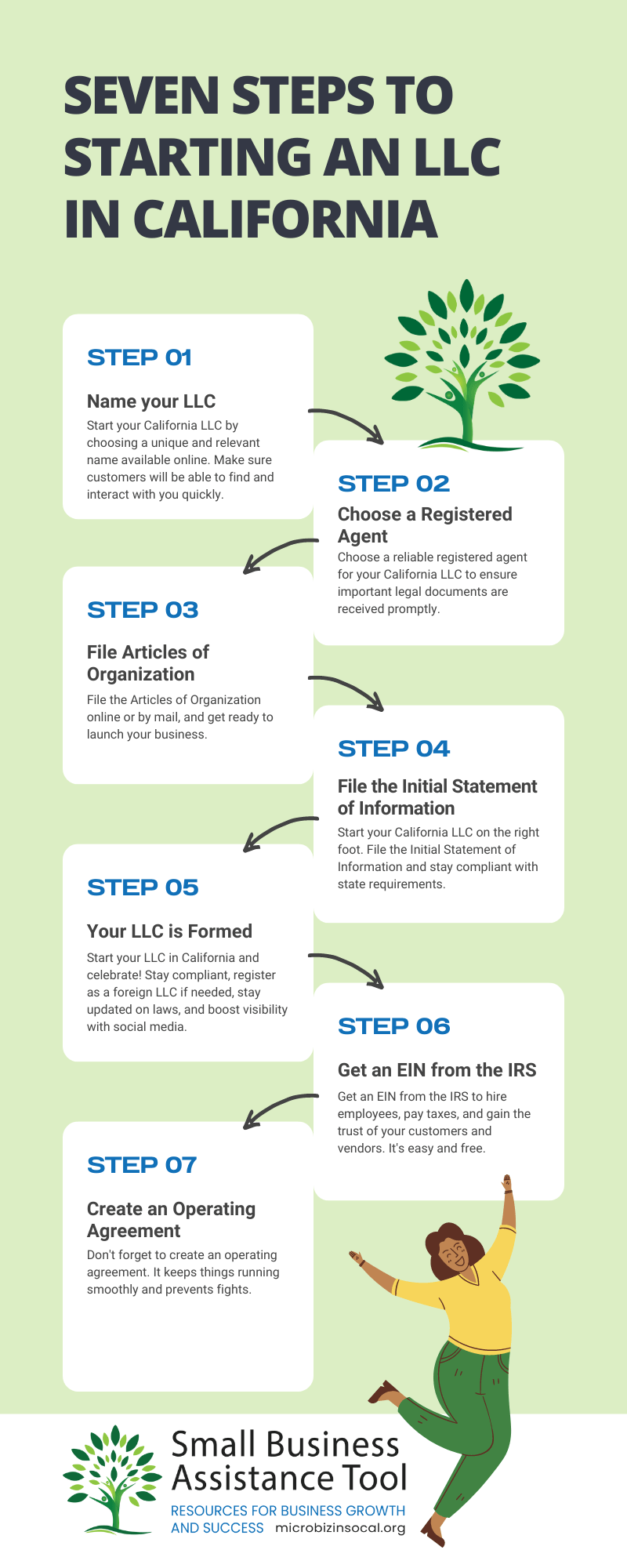
Step 1: Choosing a Unique Name and a Registered Agent
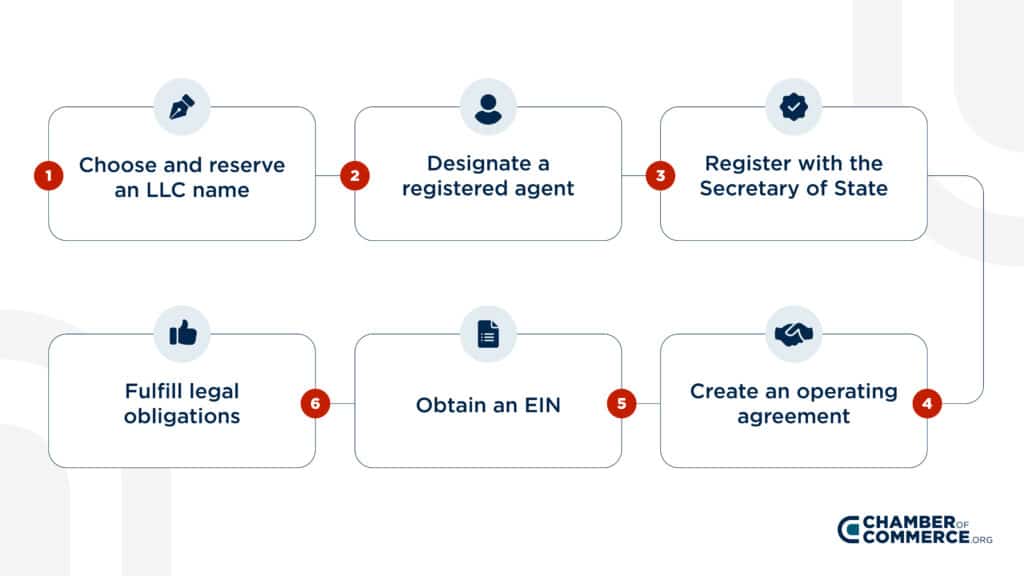
The first order of business for your California LLC is to select a name. This name must be unique and distinguishable from other business entities already on file with the California Secretary of State. You can check for name availability on the Secretary of State’s website. Your LLC name must include “Limited Liability Company,” “LLC,” or “L.L.C.” It’s also wise to consider if a corresponding domain name and social media handles are available, especially if your business will have an online presence, which is common for travel and lifestyle brands. Many businesses choose to reserve their desired name with the Secretary of State for a small fee, ensuring it’s available while they complete other preparatory steps.
Next, you’ll need to appoint a Registered Agent. A Registered Agent is an individual or a company designated to receive legal documents, notices of lawsuits, and official government correspondence on behalf of your LLC. The Registered Agent must have a physical street address in California (not a P.O. Box) and be available during normal business hours. This is a crucial requirement, and many entrepreneurs, especially those who travel frequently or operate remotely, choose to hire a professional Registered Agent service to ensure compliance and privacy. This allows you to focus on your business, whether that involves scouting new destinations for your travel blog or managing your growing portfolio of short-term rental properties in Palm Springs.
Step 2: Filing Your Articles of Organization with the Secretary of State
Once you have a chosen name and a Registered Agent, the next critical step is to file your Articles of Organization (Form LLC-1) with the California Secretary of State. This document officially creates your LLC. The Articles of Organization are relatively simple, typically requiring:
- The name of your LLC.
- The name and address of your Registered Agent.
- A statement that the purpose of the LLC is to engage in any lawful act or activity for which an LLC may be organized under the California Revised Uniform Limited Liability Company Act.
- The mailing address of the LLC.
- Whether the LLC will be managed by one or more managers or by all its members.
You can file these articles online, by mail, or in person. Filing online is generally the fastest method, with processing times often significantly quicker than mail-in submissions. Upon approval, the Secretary of State will provide you with a stamped copy of your Articles of Organization, which serves as official proof of your LLC’s existence. This is a momentous occasion, marking the formal birth of your California venture, whether it’s a luxury travel planning service or a network of Airbnb properties.
Step 3: Crafting Your Operating Agreement
While the Articles of Organization establish your LLC’s legal existence with the state, the Operating Agreement is the internal document that dictates how your LLC will be run. Although not required to be filed with the California Secretary of State, having a comprehensive Operating Agreement is highly recommended, even for single-member LLCs.
The Operating Agreement outlines the ownership percentages, responsibilities of members and managers, voting rights, how profits and losses will be distributed, procedures for admitting new members, and protocols for dissolving the LLC. It serves as a binding contract among the members, preventing future disputes and providing clarity on operations. For multi-member LLCs, this document is invaluable for clearly defining roles in a collaborative travel blog, a joint venture in eco-tourism, or a partnership managing a chain of boutique hotels. For a single-member LLC, it still demonstrates proper business formality and can be crucial if you ever need to prove the separation of personal and business assets in court. Think of it as the foundational guidebook for your business journey through California and beyond.
Step 4: Obtaining Necessary EIN, Licenses, and Permits
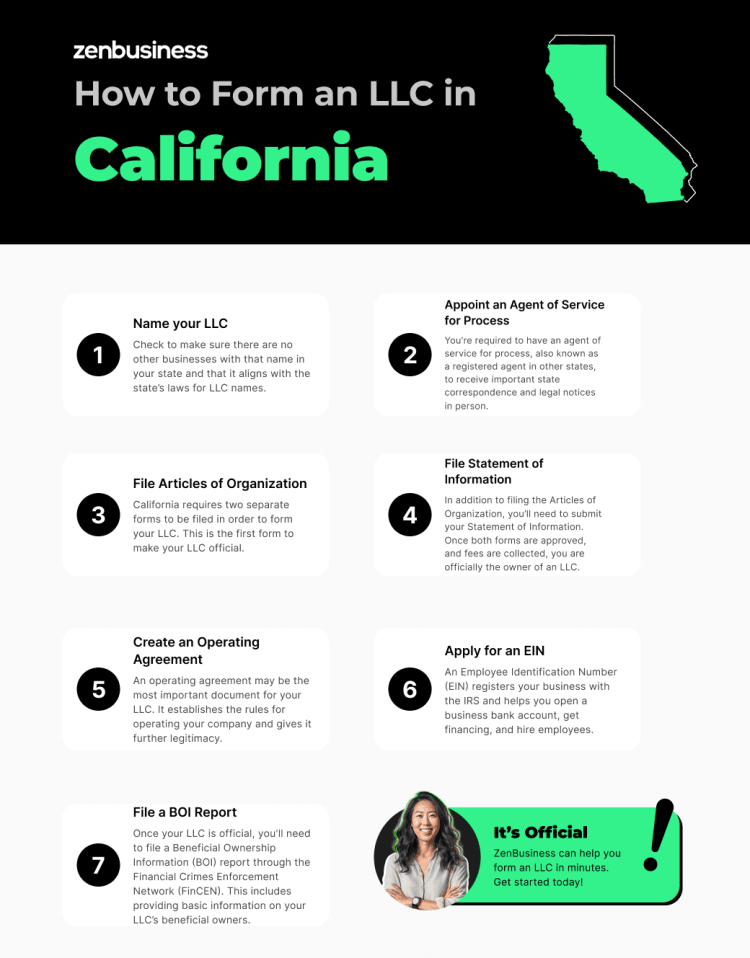
With your LLC formally established, there are a few more administrative steps. If your LLC has employees or is taxed as a corporation, you will need to obtain an Employer Identification Number (EIN) from the IRS. Even if you’re a single-member LLC without employees, many banks require an EIN to open a business bank account, and it’s essential for tax purposes. Applying for an EIN is free and can be done online through the IRS website.
Beyond federal identification, your LLC will likely need various state and local licenses and permits. California is known for its comprehensive regulatory environment. The specific licenses and permits required will depend heavily on the nature and location of your business. For instance, a business operating short-term rentals in Los Angeles will need to comply with city-specific ordinances regarding transient occupancy taxes and registration, which can be quite complex. A tour operator might need specific permits from the city or county where they operate, as well as vehicle licenses if transporting guests. A restaurant in San Francisco will require health permits and a range of local business licenses. It’s crucial to research the specific requirements for your industry and location through your city and county clerk’s offices, as well as the California Department of Consumer Affairs or other relevant state agencies. This diligence ensures your travel or lifestyle business remains compliant and avoids costly penalties.
LLCs in the World of Travel & Lifestyle: Realizing Your California Dream
The beauty of an LLC, particularly in a state like California, is its versatility. It perfectly aligns with the aspirations of those who seek to blend their passion for travel and dynamic lifestyles with robust business practices.
For the Digital Nomad & Remote Professional
California is a magnet for digital nomads and remote professionals who crave flexibility and adventure. Operating your online business – whether it’s web design, consulting, content creation for travel guides, or even managing remote customer service for hotels – under a California LLC can provide substantial benefits. It enhances your professional image, makes it easier to work with larger clients who prefer doing business with formal entities, and offers essential legal protection as you explore new destinations or work from a beachfront cafe in Santa Barbara. The separation of personal and business finances through an LLC is also invaluable for tax purposes, simplifying reporting, and ensuring you leverage all applicable business deductions, even while on the road. For many, the LLC is the key to achieving true location independence and embracing the “life out of the box.”
Launching Your Travel or Hospitality Venture
California’s tourism sector is ripe for entrepreneurial innovation. Establishing an LLC is the logical first step for anyone looking to capitalize on this vibrant market. Imagine launching a unique travel agency specializing in eco-tourism in the Redwood National Park area, or developing an app that connects travelers with local experiences in San Diego. An LLC is equally beneficial for those who dream of opening a charming bed-and-breakfast in Carmel-by-the-Sea, a luxury glamping site near Joshua Tree National Park, or a comprehensive tour company navigating the vineyards of Napa Valley.
Crucially, an LLC is ideal for managing short-term rentals, like those listed on platforms such as Airbnb. With an LLC, each property or a portfolio of properties can be held and managed under the business entity, offering significant liability protection against potential guest-related incidents. It also streamlines financial management, making it easier to track income and expenses for tax purposes. As the demand for unique and local accommodation options continues to surge, a well-structured LLC positions you perfectly to thrive in this dynamic sector.
Investing in California Real Estate for Accommodation
For those interested in real estate as a pathway to funding their travel and lifestyle ambitions, forming a California LLC for property ownership is a common and wise strategy. Whether you’re acquiring a single vacation rental in Big Bear Lake or building a portfolio of multi-unit apartments in Oakland, housing them under an LLC provides critical asset protection. Should a tenant sue, or if there’s a liability issue related to a property, the LLC can shield your personal assets from the lawsuit.
Furthermore, an LLC can simplify the management of multiple properties and facilitate future property transfers or sales. It can also make it easier to secure financing from lenders who prefer to deal with formal business entities. For those aspiring to a lifestyle funded by passive income from real estate, the LLC is not just a legal formality but a strategic tool that supports long-term financial freedom and the ability to travel and live on your own terms. It’s an investment in both your business and your personal journey.
Essential Considerations for Your California LLC
While the initial setup is complete, maintaining your California LLC requires ongoing compliance. These continuing obligations are essential to keep your business in good standing and ensure you continue to benefit from the LLC structure.
Annual Requirements: Statement of Information, Franchise Tax
California LLCs must file a Statement of Information (Form LLC-12) with the California Secretary of State every two years. This form updates the state with current information about your LLC, such as its members, managers, and Registered Agent. Failing to file this can lead to penalties and potential suspension of your LLC.
Perhaps the most notable ongoing cost for a California LLC is the annual minimum franchise tax. Regardless of whether your LLC generates income, it must pay an $800 annual franchise tax to the California Franchise Tax Board. This tax is due by the 15th day of the 4th month after filing your Articles of Organization, and annually thereafter. Additionally, if your LLC’s net income exceeds certain thresholds, it will be subject to an additional LLC fee based on that income. These fees are specific to California and are important to factor into your business’s financial planning, especially if you’re just starting a new travel or accommodation venture.
Compliance: Staying Up-to-Date with State and Local Regulations
Beyond the state-mandated filings and taxes, ongoing compliance with local and industry-specific regulations is paramount. For example, if your LLC operates an Airbnb in San Francisco, you must stay informed about evolving short-term rental laws, including registration requirements, occupancy limits, and tax collection. Similarly, a travel guide service in Yosemite National Park would need to monitor park service regulations and permit requirements.
Staying abreast of these regulations can be a continuous task, but it is vital for the longevity and legal standing of your business. Many businesses subscribe to industry newsletters, consult with local chambers of commerce, or utilize legal services to ensure they remain compliant. Neglecting these details can lead to fines, operational disruptions, and damage to your brand’s reputation, which is particularly critical in the customer-facing travel and hospitality industries.
Professional Advice: When to Seek Legal or Accounting Help
While setting up an LLC can be done independently, seeking professional advice is often a wise investment. A qualified attorney can help draft a robust Operating Agreement, advise on complex legal structures, and ensure your business is fully compliant with all state and local laws, especially if your venture has unique aspects or multiple members. Similarly, a knowledgeable accountant can provide invaluable guidance on tax implications, helping you understand California’s specific tax requirements, optimize your financial structure, and ensure accurate filing of all federal and state taxes. For travel-focused businesses, an accountant familiar with deductions for travel expenses, remote work, and property management can be particularly beneficial. Investing in professional advice upfront can save you significant time, money, and stress in the long run, allowing you to focus more on the excitement of growing your California-based travel or lifestyle business.
Establishing an LLC in California is more than just a legal formality; it’s a strategic move to empower your entrepreneurial dreams within one of the world’s most dynamic economies. Whether you’re planning to launch a luxury accommodation service, operate as a digital nomad exploring the state’s iconic landmarks, or invest in real estate to fund your global adventures, an LLC provides the protection, credibility, and structure needed for success. By meticulously following the steps outlined and remaining diligent with ongoing compliance, you can confidently build a thriving business that complements your desired travel and lifestyle, truly living life out of the box in the Golden State.
LifeOutOfTheBox is a participant in the Amazon Services LLC Associates Program, an affiliate advertising program designed to provide a means for sites to earn advertising fees by advertising and linking to Amazon.com. Amazon, the Amazon logo, AmazonSupply, and the AmazonSupply logo are trademarks of Amazon.com, Inc. or its affiliates. As an Amazon Associate we earn affiliate commissions from qualifying purchases.