
California, a state renowned for its breathtaking natural beauty, iconic landmarks, and vibrant tourism industry, has unfortunately also become synonymous with devastating wildfires. From its sun-drenched coastlines to its towering Sierra Nevada peaks, this Golden State offers an unparalleled array of destinations and experiences for travelers. However, a changing climate and complex land management issues have led to an increase in the frequency and intensity of these infernos, profoundly impacting not just the environment, but also the very fabric of California life, including its robust tourism and travel sectors.
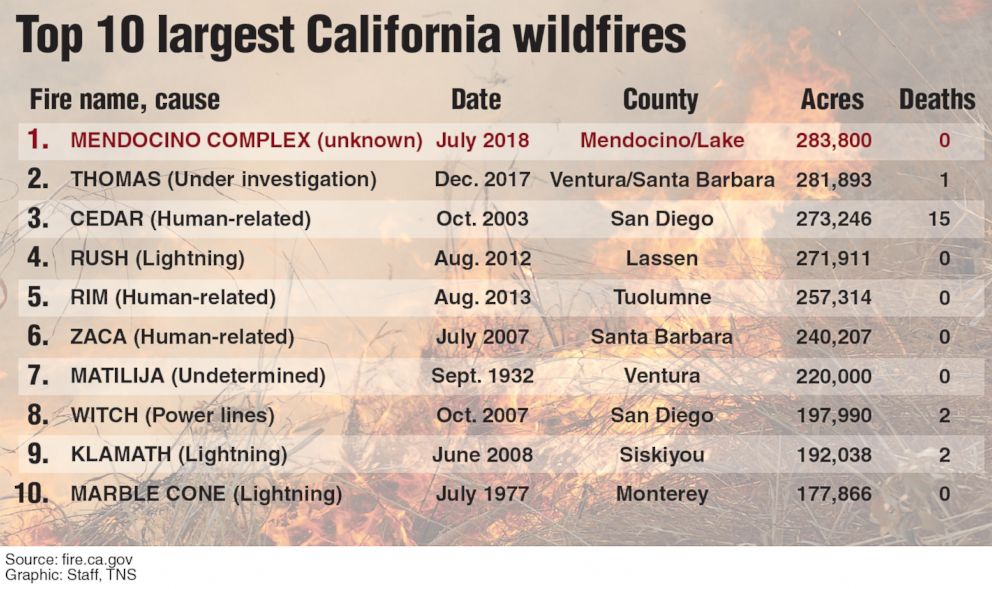
When discussing the largest fires in California’s recorded history, one name stands out prominently, an event that reshaped landscapes and redefined the scale of wildfire devastation: the August Complex Fire of 2020. This wasn’t merely a large fire; it was a “gigafire,” a term coined to describe wildfires that burn more than one million acres. Its immense size and the unprecedented challenges it posed left an indelible mark on the state, affecting everything from remote wilderness areas to local economies reliant on visitors, and even the availability of accommodation in fire-prone regions.

The August Complex Fire: Unprecedented Scale
The year 2020 was a historically catastrophic wildfire season for California, marked by a confluence of record-breaking heatwaves, severe droughts, and an extraordinary series of dry lightning strikes. It was under these dire conditions that the August Complex Fire ignited, eventually consolidating multiple fires into a single, colossal blaze.
The Birth of a Gigafire
The August Complex Fire officially began on August 17, 2020, following a massive lightning storm that struck northern California. This single storm ignited hundreds of fires across the state, many of them in remote, rugged terrain. Within the Mendocino National Forest, alone, 37 separate fires sparked within a 24-hour period. Initially managed as individual incidents by the USDA Forest Service, these fires, fueled by dense, drought-stressed vegetation and erratic winds, quickly grew and coalesced. As they merged, they formed an unstoppable force that soon earned the grim distinction of being the largest wildfire in California history.
The complexity of the situation was immense. Firefighting resources were stretched thin across the state, battling other large complexes like the LNU Lightning Complex and the SCU Lightning Complex. The sheer number of active fires meant that initial attack capabilities were overwhelmed, allowing smaller blazes to escalate into mega-fires. This cascading effect was a critical factor in the August Complex Fire’s exponential growth, transforming what could have been contained incidents into a multi-county conflagration. The decision to manage these initially distinct fires under a single command structure reflected the unprecedented nature of the disaster, a testament to its scale and the strategic adjustments required to even attempt its suppression.
Anatomy of a Mega-Blaze
By the time it was fully contained in November 2020, after 89 days of active burning, the August Complex Fire had consumed a staggering 1,032,648 acres, equivalent to over 1,600 square miles. To put this into perspective, this area is larger than the state of Rhode Island. The fire raged across seven counties: Mendocino County, Humboldt County, Trinity County, Glenn County, Lake County, Tehama County, and Shasta County, impacting vast stretches of the Mendocino National Forest, the Shasta-Trinity National Forest, and the Six Rivers National Forest.
The fire’s footprint was not uniform; it created a mosaic burn pattern, with some areas completely incinerated and others less severely affected. However, the sheer breadth of its impact meant that thousands of structures were either damaged or destroyed, including homes, businesses, and critical infrastructure. The fire directly claimed one life, a tragic reminder of the human cost of these disasters. Beyond the immediate destruction, the smoke plumes from the August Complex Fire reached across the continent, contributing to poor air quality for millions and casting an eerie orange glow over cities as far away as San Francisco and Sacramento. This widespread atmospheric impact underscored how deeply intertwined environmental health is with lifestyle and travel experiences, even for those not directly in the path of the flames. The long-term ecological consequences, including soil erosion, habitat loss, and impacts on water quality, are still being assessed and will continue to shape the recovery efforts for decades.
A Fiery Shadow Over California’s Landscape and Livelihoods
The scale of the August Complex Fire and other major blazes in recent years has cast a long shadow over California’s image as a pristine travel destination. While the state still offers an abundance of attractions and experiences, the increasing prevalence of wildfires introduces new considerations for visitors and presents significant challenges for the tourism and hospitality industries.
The Impact on California Travel and Tourism
Wildfires directly disrupt travel plans and can deter potential visitors. During the August Complex Fire, vast areas of national forests and parks were closed for public safety, directly impacting outdoor recreation, a cornerstone of California’s tourism appeal. Destinations known for hiking, camping, fishing, and scenic drives, such as parts of the Mendocino National Forest and surrounding areas, became inaccessible. Tour operators specializing in wilderness experiences faced cancellations and significant economic losses.
Beyond physical closures, the omnipresent smoke during wildfire season poses a substantial health risk and detracts from the visitor experience. Imagine planning a trip to wine country or a scenic drive through the redwoods, only to find the air thick with smoke, obscuring views and making outdoor activities unbearable. This diminished air quality not only affects regional tourism but also influences perceptions of California as a whole, potentially leading travelers to choose other destinations. For example, during peak wildfire seasons, air quality alerts can become a significant concern for tourists planning trips to areas like Lake Tahoe or even metropolitan areas downwind of fires. The uncertainty introduced by an unpredictable fire season requires travelers to exercise greater flexibility and vigilance when planning their California adventures, often checking air quality indexes and park statuses before embarking. This shift in planning behavior directly impacts the agility and responsiveness required by travel agencies and local tourism boards.
Threats to Iconic Landmarks and Natural Wonders
California is home to some of the world’s most recognizable landmarks and natural wonders, many of which are nestled in fire-prone landscapes. While the August Complex Fire primarily impacted less-populated forest areas, other major fires have threatened and even damaged iconic sites. For instance, in other seasons, blazes have encroached upon the magnificent sequoia groves in Yosemite National Park and Kings Canyon National Park, vital ecosystems that draw millions of visitors annually. The sight of these ancient giants engulfed in flames or surrounded by smoke sends a stark message about the vulnerability of these irreplaceable natural landmarks.
The destruction of natural landmarks like forests and watersheds also has long-term implications for the local culture and economy. Indigenous communities, whose heritage is deeply tied to these lands, suffer cultural losses, and local businesses that rely on the beauty and recreational opportunities these areas provide face prolonged recovery periods. Even man-made landmarks, particularly those in rural or semi-rural settings, are at risk. The threat of fire forces communities to invest heavily in mitigation efforts around historic buildings, cultural sites, and even resort complexes that often blend into natural surroundings. The constant vigilance required to protect these assets becomes a significant aspect of local lifestyle and resource management, transforming the approach to preservation and urban planning in vulnerable areas.
Accommodation Challenges and Community Displacement
The impact of large-scale wildfires extends directly to the accommodation sector. During active fires, hotels, motels, and other lodging options in nearby towns are often overwhelmed, not by tourists, but by evacuees, firefighters, and emergency personnel. This sudden surge in demand can lead to shortages, price spikes, and logistical challenges, profoundly affecting both temporary residents and emergency workers. For example, communities in Butte County and Shasta County have experienced this repeatedly during major fire incidents.
In the aftermath of fires, the destruction of homes and infrastructure can lead to long-term displacement, forcing residents to seek temporary housing, sometimes for months or even years. This places immense pressure on available accommodation, reducing options for tourists even after the immediate danger has passed. Furthermore, the loss of homes and businesses in affected regions can lead to a decline in local services and amenities that visitors often rely on, from restaurants and shops to guided tours and recreational facilities. The recovery of these communities is a slow and arduous process, and the ability of the accommodation sector to rebound is intrinsically linked to the broader economic and social recovery of the entire region. This ripple effect underscores the interconnectedness of natural disasters with local economies, affecting everything from property values to the availability of long-term stay options for displaced residents, and ultimately, the perception of an area as a viable travel destination.
Navigating a New Normal: Resilience and Future Readiness
In the face of increasing wildfire threats, California is not merely reacting but actively adapting. The experience of the August Complex Fire and other large blazes has catalyzed a concerted effort to build resilience, innovate fire management strategies, and foster a new approach to living and traveling in a fire-prone state.
Adapting Lifestyle and Travel in Fire-Prone Regions
For residents and frequent visitors, adapting to the “new normal” means a heightened awareness of fire danger. This translates into changes in lifestyle, such as adhering to strict burn bans, participating in community-led fuel reduction efforts, and maintaining defensible space around properties. For the tourism industry, adaptation involves implementing proactive measures:
- Enhanced Communication: Tourist boards and travel agencies are developing more robust systems to communicate fire risks, road closures, and air quality advisories in real-time. This helps travelers make informed decisions and ensures their safety.
- Diversified Offerings: While outdoor activities remain popular, there’s a growing emphasis on promoting attractions less susceptible to immediate fire impact, such as urban experiences, indoor museums, and coastal towns further removed from forestlands.
- Sustainable Practices: Resorts and hotels in fire-prone areas are investing in fire-resistant landscaping, construction materials, and emergency preparedness plans, ensuring their facilities are as safe as possible for guests. For example, luxury travel operators are increasingly incorporating safety protocols and education about fire prevention into their itineraries when visiting wildland-urban interface areas.
- Off-Season Promotion: Encouraging travel during cooler, wetter months when fire risk is lower can help stabilize tourism revenue throughout the year.
The lifestyle of Californians living in or near wildlands has fundamentally shifted, embracing a proactive stance towards preparedness. This cultural shift permeates how residents and visitors interact with the environment, recognizing both its beauty and its potential for danger. From personal emergency kits to community evacuation drills, preparedness is now a central aspect of life, influencing everything from home construction to annual travel plans.

Conservation and Prevention Efforts for a Sustainable Future
Long-term solutions involve a multi-faceted approach to conservation, land management, and technological innovation. Organizations like CAL FIRE and the USDA Forest Service are implementing aggressive strategies:
- Forest Thinning and Prescribed Burns: Reducing fuel loads through controlled burns and mechanical thinning is crucial to prevent small fires from escalating into gigafires. This requires careful planning and public education to ensure acceptance and support.
- Early Detection Systems: Investment in advanced satellite monitoring, AI-powered camera networks, and drone technology provides earlier detection, allowing firefighters to attack nascent fires before they grow out of control.
- Community Engagement: Empowering communities to become “Firewise” through education and financial incentives for fuel reduction and home hardening is vital. This collaborative effort between government agencies and residents creates a stronger, more resilient landscape.
- Climate Change Mitigation: Addressing the root causes of increased fire activity, particularly climate change, through policies aimed at reducing greenhouse gas emissions, remains a critical long-term goal for the state and the nation. This overarching effort is crucial to ensure that future generations can continue to enjoy California’s diverse natural beauty and cultural richness.
- Infrastructure Improvements: Companies like Pacific Gas and Electric are undertaking massive projects to harden their electrical infrastructure, including undergrounding power lines and implementing public safety power shutoffs, to reduce ignition risks, particularly during high-wind events. These improvements are part of a broader strategy to protect both residents and visitors, allowing for more reliable access to accommodations and attractions.
The August Complex Fire serves as a potent reminder of the powerful forces at play in California’s wildlands. While the scale of this gigafire was unprecedented, it has also spurred a renewed commitment to resilience, innovation, and sustainable practices. For travelers planning a visit to California, understanding these challenges and the ongoing efforts to address them provides a deeper appreciation for the state’s natural beauty and the unwavering spirit of its communities. The Golden State remains a premier destination, but one that is learning to coexist with fire, forging a future where both residents and visitors can safely enjoy its unparalleled offerings. The evolution of travel and accommodation in California will undoubtedly continue to reflect this ongoing journey of adaptation and recovery, ensuring that its majestic landscapes and vibrant local cultures endure for generations to come.
LifeOutOfTheBox is a participant in the Amazon Services LLC Associates Program, an affiliate advertising program designed to provide a means for sites to earn advertising fees by advertising and linking to Amazon.com. Amazon, the Amazon logo, AmazonSupply, and the AmazonSupply logo are trademarks of Amazon.com, Inc. or its affiliates. As an Amazon Associate we earn affiliate commissions from qualifying purchases.