
The Homestead Exemption in Texas is a crucial financial benefit designed to protect homeowners from having their primary residence sold to satisfy certain debts. It’s a cornerstone of Texas property law, providing a significant layer of security for individuals and families who own their homes. Understanding how this exemption works is essential for any Texas resident, whether they are planning a move, considering a renovation, or simply navigating their financial responsibilities. While this article focuses on the legal and financial aspects of the Homestead Exemption, its existence fundamentally impacts the ability of Texans to build and maintain a stable home life, which in turn can influence travel plans, lifestyle choices, and even the types of accommodation they might consider for vacations or long-term stays.
The concept of a homestead has deep historical roots, stemming from earlier laws aimed at protecting families from losing their land. In Texas, this tradition is strongly upheld. The exemption essentially shields a portion of a homeowner’s equity from forced sale by unsecured creditors. This means that if a homeowner falls into debt that isn’t secured by their property (like a mortgage), a creditor generally cannot force the sale of their home to collect that debt. This protection is invaluable, especially in a state as dynamic and growing as Texas, where economic fluctuations can occur. It provides peace of mind, allowing homeowners to focus on their lives, from planning family trips to exploring the diverse attractions Texas has to offer.
The protection offered by the Homestead Exemption is not absolute; there are specific types of liens and debts that can still lead to a forced sale, even for a homesteaded property. However, for the vast majority of common unsecured debts, the exemption serves as a formidable barrier. This vital protection allows homeowners to invest in their properties, plan for the future, and enjoy the stability of homeownership, which is a fundamental aspect of the Texas lifestyle.
Understanding Your Texas Homestead Rights
The Homestead Exemption in Texas is more than just a legal clause; it’s a fundamental right that safeguards a homeowner’s most significant asset: their home. This exemption protects a certain amount of equity in your primary residence from being seized by creditors to satisfy most types of debts. It is a cornerstone of property law in Texas, designed to ensure that individuals and families have a secure place to live, regardless of financial setbacks.
What Constitutes a Homestead in Texas?
In Texas, a homestead can be either a family homestead or a single adult homestead. The law defines specific acreage limits for each:
-
Rural Homesteads:
- Up to 200 acres for a family.
- Up to 100 acres for a single adult.
- These acreage limits include the land and any improvements on it.
-
Urban Homesteads:
- Up to 10 acres.
- This applies to a homestead in a town or city, or its additions.
- The 10-acre limit includes the land and all improvements.
It is crucial to note that the property must be your primary residence. You can only have one homestead at a time. If you own multiple properties, you must designate which one serves as your homestead to avail yourself of the exemption. This designation is often made through official documentation with your county’s appraisal district, though usage as your primary dwelling is the most significant factor.
The definition of a “home” in the context of the exemption is generally understood to include not only the physical structure of the house but also the land it sits on, as well as any outbuildings or appurtenances that are used in connection with the home. This means that if your property includes workshops, garages, or even agricultural land that is integral to your homestead use, those can be included within the exemption’s scope, provided they fall within the acreage limitations.
Who is Eligible for the Texas Homestead Exemption?
Eligibility for the Homestead Exemption in Texas is primarily based on two factors: residency and ownership.
-
Residency: The claimant must be a Texas resident and occupy the property as their primary residence. This means the home must be where you live and intend to live indefinitely. Seasonal homes or vacation properties, even if owned by a Texan, do not qualify as homesteads. This principle of primary residence is what distinguishes a homestead from other types of property ownership, such as investment properties or vacation homes that might be rented out to travelers.
-
Ownership: The claimant must have a possessory interest in the property. This typically means you own the property outright or have a significant equity stake. While specific ownership structures can be complex, generally, if you live in the home and pay property taxes on it, you are likely eligible. Renters or those living with family without a legal ownership interest do not qualify for the homestead exemption.
The intention to make a property your home is also a critical element. If you have recently purchased a property in Texas and are in the process of moving in, the courts will look at your actions to determine your intent. For example, if you have begun renovating the property, are receiving mail there, and are living there as your primary dwelling, it will likely be recognized as your homestead. This intent is a key factor, ensuring that the exemption protects genuine homes rather than speculative investments.
The concept of a single adult homestead is important for individuals who are not married and do not have children living with them. The law recognizes their right to protect their home just as a family unit does. This ensures that the exemption’s benefits are accessible to a broad spectrum of Texas residents, regardless of their marital status or family structure.
Types of Property that Qualify
The Homestead Exemption in Texas applies to both rural and urban properties, with differing acreage limits.
-
Urban Homesteads: These are typically located within city limits or in platted subdivisions. The exemption covers up to 10 acres of land, including the improvements. This is the most common type of homestead for residents living in cities like Houston, Dallas, San Antonio, or Austin. The 10-acre limit is generous enough to encompass most city homes, including those with substantial yards or accessory dwelling units, and even some properties that might include small businesses or workshops integral to the homeowner’s livelihood.
-
Rural Homesteads: These are properties located outside of city limits. The acreage limits are more generous: up to 200 acres for a family and up to 100 acres for a single adult. This is designed to accommodate those who may live on larger tracts of land, potentially for agricultural purposes or simply for more space. These rural homesteads can be situated in picturesque areas, perhaps near natural landmarks or offering serene landscapes, appealing to those who prefer a more secluded lifestyle.
The key distinction lies in the property’s location and its use. An urban homestead can be a single dwelling or multiple dwellings that are owned by the same person and used by them as a home. For example, if a homeowner lives in one unit of a duplex and rents out the other, the entire property might qualify as a homestead, provided it doesn’t exceed the 10-acre limit and is primarily used as their residence. Conversely, a rural homestead on a large ranch might include the main house, barns, and pastures, all within the 200-acre limit, and used for both living and agricultural pursuits.
The acreage limits are crucial. If a homeowner owns a property that exceeds these limits, they must designate which portion of the land will be considered their homestead. The excess acreage may not be protected from creditors. This makes it important for landowners with substantial acreage to understand the homestead laws and how to properly designate their homestead to maximize their protection.
How the Texas Homestead Exemption Protects You
The Homestead Exemption in Texas offers robust protection against various financial threats, primarily shielding your home from forced sale by unsecured creditors. However, it’s essential to understand the limitations and the specific types of debts that are exceptions to this rule.
Debts That Cannot Be Collected Through Homestead Forced Sale
Generally, the Homestead Exemption protects your home from being sold to satisfy the following types of debts:
- Unsecured Debts: This is the most common category of debt protected. Examples include:
- Medical bills
- Credit card debt
- Personal loans
- Business debts (if not personally guaranteed and secured by the homestead)
- Judgments from lawsuits (unless the lawsuit is related to one of the exceptions listed below)

- Most Other Debts: The exemption provides a broad shield against many common financial obligations that do not have a direct claim against the property itself.
The strength of the Homestead Exemption lies in its ability to prevent creditors from seizing your home for debts that are not directly tied to the property’s ownership or existence. This protection is vital for maintaining stability and preventing homelessness due to financial difficulties. It allows homeowners to continue living in their homes while they work through financial challenges, whether those involve unexpected medical expenses or a downturn in business.
Debts That CAN Be Collected Through Homestead Forced Sale
While the exemption is powerful, it is not a blanket shield. Certain specific liens and debts can, in fact, lead to the forced sale of a homestead:
-
Purchase Money Loans: This refers to the mortgage used to buy the home. If you fail to pay your mortgage, the lender can foreclose on the property.
-
Taxes: Property taxes owed to the Texas government (state, county, or local school districts) are a lien on the property. Failure to pay these taxes can lead to a tax foreclosure. This includes ad valorem taxes.
-
Home Equity Loans and Refinancing: Loans taken out against the equity of your home, such as a home equity loan or a refinance, are secured by the property. Defaulting on these can lead to foreclosure. Texas law has specific requirements for home equity loans to be valid, including that they must be based on the homestead.
-
Mechanic’s or Materialman’s Liens: If you contract for work on your home (e.g., construction, repairs) and do not pay the contractor or suppliers, they may be able to place a lien on your property and, in some cases, force a sale to satisfy the debt. This is usually only applicable if the work was done with your consent.
-
Certain Federal Liens: Federal tax liens, for instance, can potentially supersede homestead protections under federal law.
-
Spousal or Child Support Obligations: In Texas, court-ordered spousal or child support can, under certain circumstances, be enforced through a forced sale of the homestead.
-
Certain Reverse Mortgages: Reverse mortgages are complex, but default on their terms can lead to foreclosure.
It’s important to consult with a legal professional to understand the specifics of your situation, especially if you are facing debt collection. The nuances of these exceptions can be complex, and understanding your rights and obligations is crucial for protecting your home.
Maximizing Your Homestead Benefits and Considerations
Understanding and properly utilizing the Homestead Exemption is crucial for Texas homeowners. Beyond the basic protection, there are additional benefits and considerations that can impact your financial well-being and lifestyle.
Additional Homestead Protections and Benefits
While the primary benefit of the Homestead Exemption is protection from forced sale for unsecured debts, Texas law offers other advantages:
-
Protection Against Forced Sale for Certain Debts: As detailed above, the exemption is a powerful tool against creditors.
-
Protection for Deceased Spouse’s Debts: If one spouse dies, the surviving spouse’s homestead is generally protected from the deceased spouse’s debts, provided the surviving spouse continues to occupy the home. This ensures that the surviving partner is not left vulnerable.
-
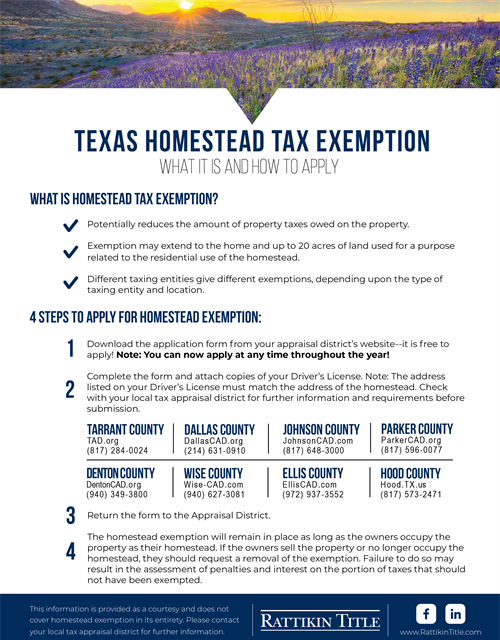
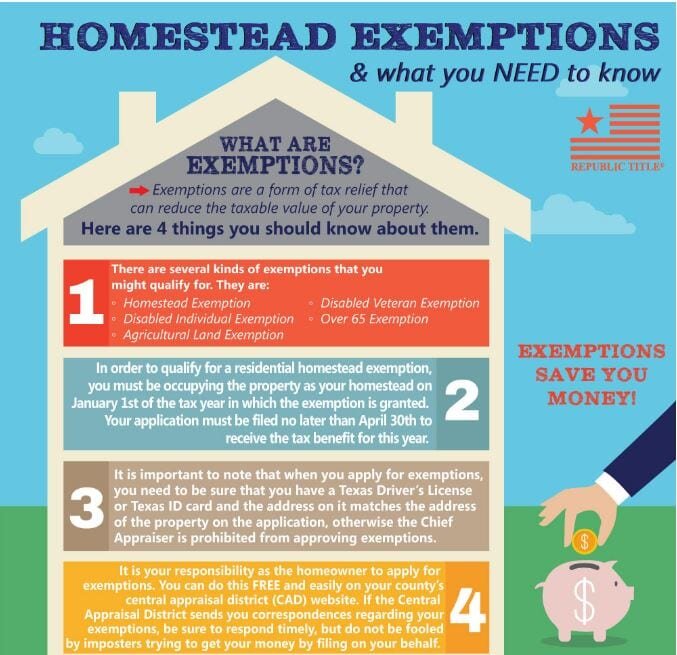
Limited Property Tax Relief: While the Homestead Exemption primarily relates to creditor protection, there are also property tax benefits associated with homestead designation. Homeowners can claim an exemption from $$25,000$ of the appraised value of their home for school district taxes. Additional exemptions may be available from county, city, and special district taxes based on age (65 or older), disability, or military status. These tax exemptions reduce the taxable value of your home, lowering your overall property tax bill.
-
Portability of Homestead Rights: In certain situations, the homestead right can be extended to protect the family’s home even if they are temporarily absent, such as during military service or periods of illness, provided there is an intention to return.
Considerations for Homeowners
When dealing with your homestead, several practical aspects warrant attention:
-
Primary Residence is Key: Always remember that the exemption applies only to your primary residence. Owning multiple properties means you must carefully select and designate your homestead. Misunderstanding this can lead to losing protection on properties you intended to be shielded.
-
Acreage Limits: Be mindful of the acreage limits for rural and urban homesteads. If your property exceeds these limits, you will need to formally designate the portion that constitutes your homestead to ensure it is protected. The excess land may be subject to claims by creditors.
-
Impact on Refinancing and Loans: While home equity loans and mortgages are exceptions to the exemption, understanding the terms of any loan secured by your homestead is vital. Lenders will assess your ability to repay, and defaulting can lead to foreclosure.
-
Estate Planning: The homestead can be a significant asset in estate planning. Texas law provides specific rules for how a homestead passes to heirs, often allowing a surviving spouse or minor children to continue occupying the homestead even if other heirs have different claims. Consulting with an estate planning attorney is recommended.
-
Divorce and Separation: In cases of divorce or separation, the disposition of the homestead can be a complex issue. Courts will typically aim to divide property equitably, and decisions regarding the homestead will consider various factors, including the needs of any children.
-
Home Improvements and Value: Making improvements to your homestead can increase its value and your equity. While this doesn’t diminish the protection against unsecured creditors, it does increase the potential amount that could be recovered by secured creditors (like your mortgage lender) in case of default.
The Homestead Exemption is a fundamental pillar of homeownership security in Texas. By understanding its intricacies, homeowners can better protect their assets, plan their finances, and enjoy the peace of mind that comes with knowing their home is a secure haven. Whether you’re a lifelong Texan or new to the state, grasping these protections is a vital step in responsible homeownership and securing your financial future. It allows for a stable foundation from which to explore all that Texas has to offer, from its vibrant cities and historical landmarks to its natural beauty and diverse cultural experiences.
LifeOutOfTheBox is a participant in the Amazon Services LLC Associates Program, an affiliate advertising program designed to provide a means for sites to earn advertising fees by advertising and linking to Amazon.com. Amazon, the Amazon logo, AmazonSupply, and the AmazonSupply logo are trademarks of Amazon.com, Inc. or its affiliates. As an Amazon Associate we earn affiliate commissions from qualifying purchases.