
As the summer months transition into autumn, a familiar concern often surfaces for residents and travelers alike: the potential for another hurricane to make its way towards the Sunshine State. The Florida coast, with its beautiful beaches and vibrant tourism industry, is a prime target for tropical systems, and understanding the current weather patterns and forecasts is crucial for those planning a visit or residing in the area. This article delves into the current meteorological outlook, drawing upon expert analysis and official advisories to address the question of whether another hurricane is indeed heading towards Florida, and what implications this might have for travel, accommodation, and tourism across the state.
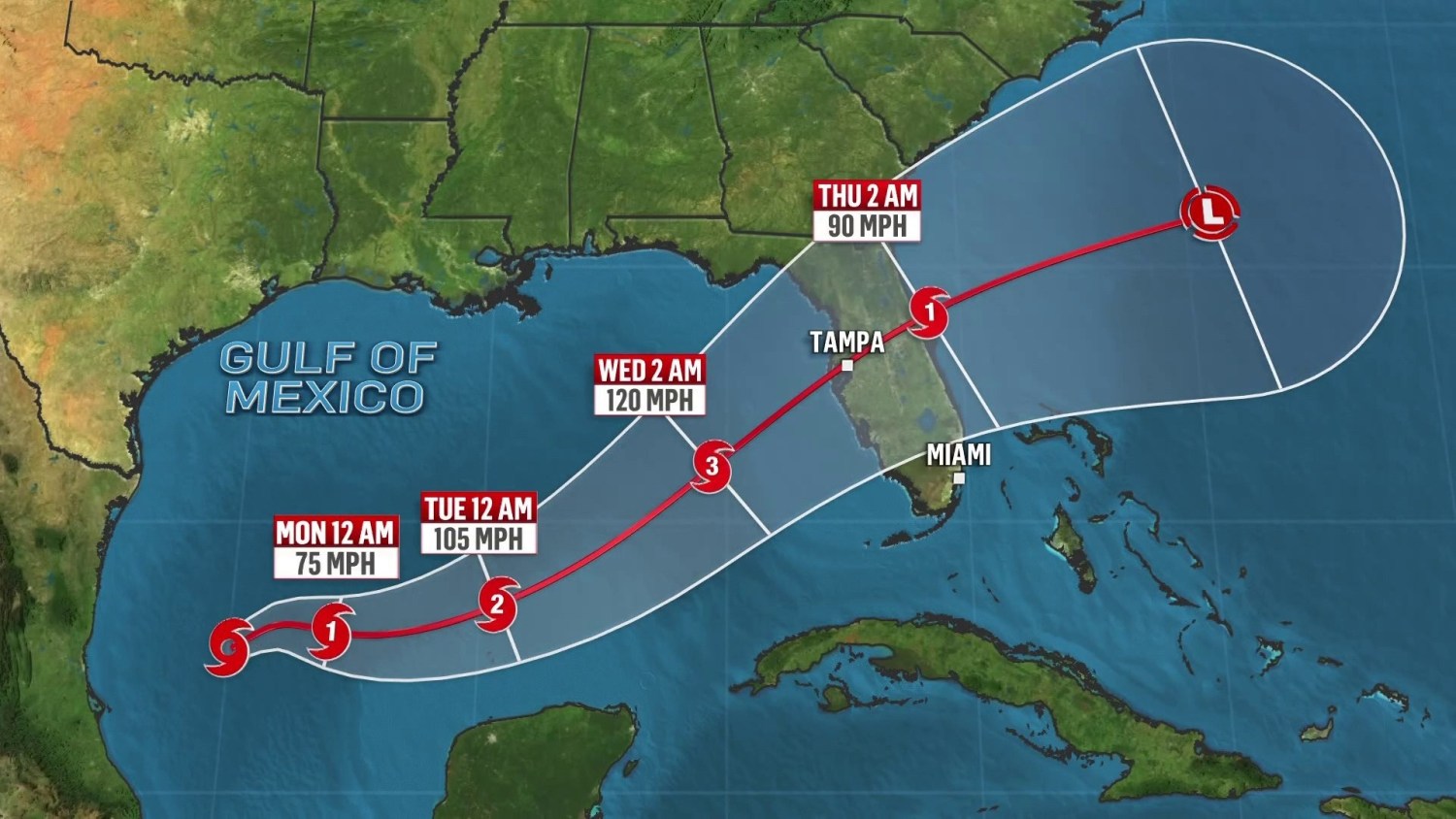
The hurricane season in the Atlantic officially runs from June 1st to November 30th, with the peak of activity typically occurring between mid-August and late October. Florida‘s extensive coastline, stretching over 1,350 miles, exposes a significant portion of the state to the potential impacts of these powerful storms. From the panhandle’s charming coastal towns to the bustling energy of Miami and the historic allure of the Florida Keys, the entire state is susceptible. Therefore, staying informed is not just a matter of convenience but of safety and preparedness.
Understanding the Current Meteorological Landscape
The formation and trajectory of hurricanes are complex phenomena influenced by a myriad of atmospheric and oceanic factors. These include sea surface temperatures, wind shear, atmospheric moisture, and the presence of tropical waves emanating from Africa. Meteorologists closely monitor these variables using a sophisticated network of satellites, aircraft, buoys, and computer models to predict storm development and path.
Monitoring Tropical Activity
The primary organization responsible for tracking and forecasting tropical storms in the Atlantic basin is the National Hurricane Center (NHC), a division of the National Oceanic and Atmospheric Administration (NOAA). The NHC provides regular updates, advisories, and discussions that are indispensable for understanding the current threat level. These updates often detail the probability of tropical cyclone formation in specific areas, the intensity and expected track of existing storms, and potential impacts on coastal regions.
When considering the possibility of a hurricane heading towards Florida, several key indicators are examined. Firstly, meteorologists look at the prevailing weather patterns across the Atlantic Ocean and the Caribbean Sea. Areas of disturbed weather, such as tropical waves or areas of low pressure, are closely watched for signs of organization and intensification. Secondly, sea surface temperatures play a critical role; warmer waters provide the fuel for hurricanes to develop and strengthen. Finally, atmospheric conditions, such as the absence of strong wind shear, are conducive to storm development.
Potential Threats and Forecasting Models
The science of hurricane forecasting has advanced significantly over the years, but it remains an imprecise art. While models are becoming increasingly accurate, particularly for short-term forecasts, predicting the exact track and intensity of a hurricane days in advance is still challenging. This uncertainty is why the NHC provides a cone of uncertainty with its forecasts, illustrating the potential range of where a storm’s center might travel.
Interpreting Forecasts and Advisories
When a potential threat to Florida is identified, the NHC issues various types of advisories. These can range from a Tropical Storm Watch, indicating that tropical storm conditions are possible within 48 hours, to a Hurricane Warning, signifying that hurricane conditions are expected within 36 hours. Understanding these terms is vital for residents and visitors to take appropriate action.
Beyond the NHC, a plethora of meteorological websites and news outlets provide hurricane forecasts and analysis. While these sources can offer valuable context and different perspectives, it is always recommended to rely on official advisories from the NHC for the most accurate and up-to-date information. For those interested in the technical aspects, numerous websites offer real-time hurricane tracking maps, satellite imagery, and detailed forecast discussions from various meteorological models.
For individuals planning travel or considering accommodation in Florida, the timing of their visit can be a significant factor. Traveling during the peak of hurricane season (August-October) inherently carries a higher risk of encountering weather disruptions. However, even outside these months, tropical systems can form and impact the state. Proactive planning, including purchasing travel insurance that covers weather-related cancellations and closely monitoring weather forecasts leading up to and during a trip, can mitigate potential disruptions.

Impact on Travel and Accommodation
A hurricane threat can have profound implications for Florida‘s vibrant tourism sector. From major airports like Orlando International Airport to smaller regional ones, flight cancellations and delays are common when a storm approaches. This can leave travelers stranded or force them to alter their plans at the last minute. For those already in Florida, evacuation orders may be issued, necessitating a rapid departure from their hotels, resorts, or rental properties.
Precautionary Measures for Travelers and Businesses
Businesses within the tourism industry, including hotels and resorts, often have hurricane preparedness plans in place. These plans typically involve procedures for securing the property, communicating with guests, and managing cancellations and rebookings. Many Florida hotels, particularly those in vulnerable coastal areas like Miami Beach or the Florida Keys, may offer flexible cancellation policies during hurricane season. It is advisable for travelers to inquire about these policies when making reservations.
For accommodation providers, the threat of a hurricane can mean significant business interruption. In the event of a storm, properties may need to close for extended periods for repairs and safety checks. This can impact their ability to host guests and generate revenue. Therefore, these businesses, like residents, are keenly interested in accurate and timely hurricane forecasts.
The ripple effects of a hurricane can extend far beyond the immediate impact zone. Damage to infrastructure, including roads, bridges, and power grids, can disrupt travel and supply chains for weeks or even months. This can affect the availability of goods and services in affected areas, and in some cases, deter tourists from visiting even after the storm has passed and initial recovery efforts are underway.
Planning and Preparedness
Given the persistent possibility of hurricanes impacting Florida, preparedness is key for everyone. This applies not only to residents but also to those planning a visit. Understanding the risks and taking proactive steps can significantly reduce anxiety and potential hardship.

Resources for Staying Informed
Staying informed is the first line of defense. Reliable sources of information include:
- The National Hurricane Center (NHC): Their website provides official advisories, track maps, and tropical weather discussions.
- The Florida Division of Emergency Management: This agency offers state-specific information on preparedness, evacuation zones, and current emergency declarations.
- Local news outlets: Many Florida news stations provide dedicated hurricane coverage and local advisories.
For those considering travel to Florida, it is prudent to monitor weather forecasts in the weeks and days leading up to your trip. If a storm system appears to be developing and threatening the state, it may be wise to postpone your travel plans to avoid potential disruptions and ensure your safety. Many airlines and hotel chains offer waivers or flexible rebooking options during declared weather emergencies, but it is essential to check their specific policies.
When booking accommodation, consider the location and any hurricane history of the property or area. While many Florida hotels and resorts, such as those in Orlando or along the Gulf Coast, are accustomed to dealing with hurricane season, some areas are more prone to severe impacts. Reading reviews and understanding the local infrastructure’s resilience can be helpful.
Ultimately, while the question of “Is There Another Hurricane Heading Towards Florida?” is a valid and important one, the answer is fluid and subject to constant change. The Atlantic hurricane season is a period of heightened awareness, and by staying informed through official channels, understanding the forecasting process, and making prudent plans, both residents and visitors can navigate this season with greater confidence and safety. The beauty and allure of Florida remain, and with diligent preparation, its wonders can be enjoyed even amidst the natural dynamics of the tropics.
LifeOutOfTheBox is a participant in the Amazon Services LLC Associates Program, an affiliate advertising program designed to provide a means for sites to earn advertising fees by advertising and linking to Amazon.com. Amazon, the Amazon logo, AmazonSupply, and the AmazonSupply logo are trademarks of Amazon.com, Inc. or its affiliates. As an Amazon Associate we earn affiliate commissions from qualifying purchases.