
The vast and varied landscape of Texas is renowned for its bold spirit, rich history, and, of course, its undeniably powerful sun. When planning a trip to the Lone Star State, understanding its climate is paramount to crafting an enjoyable experience. From the piney woods of East Texas to the desert expanses of West Texas, the state experiences a diverse range of weather patterns. However, a common thread woven through most of Texas is its propensity for significant heat, especially during the summer months. For many travelers, the burning question is: what is the hottest month in Texas?
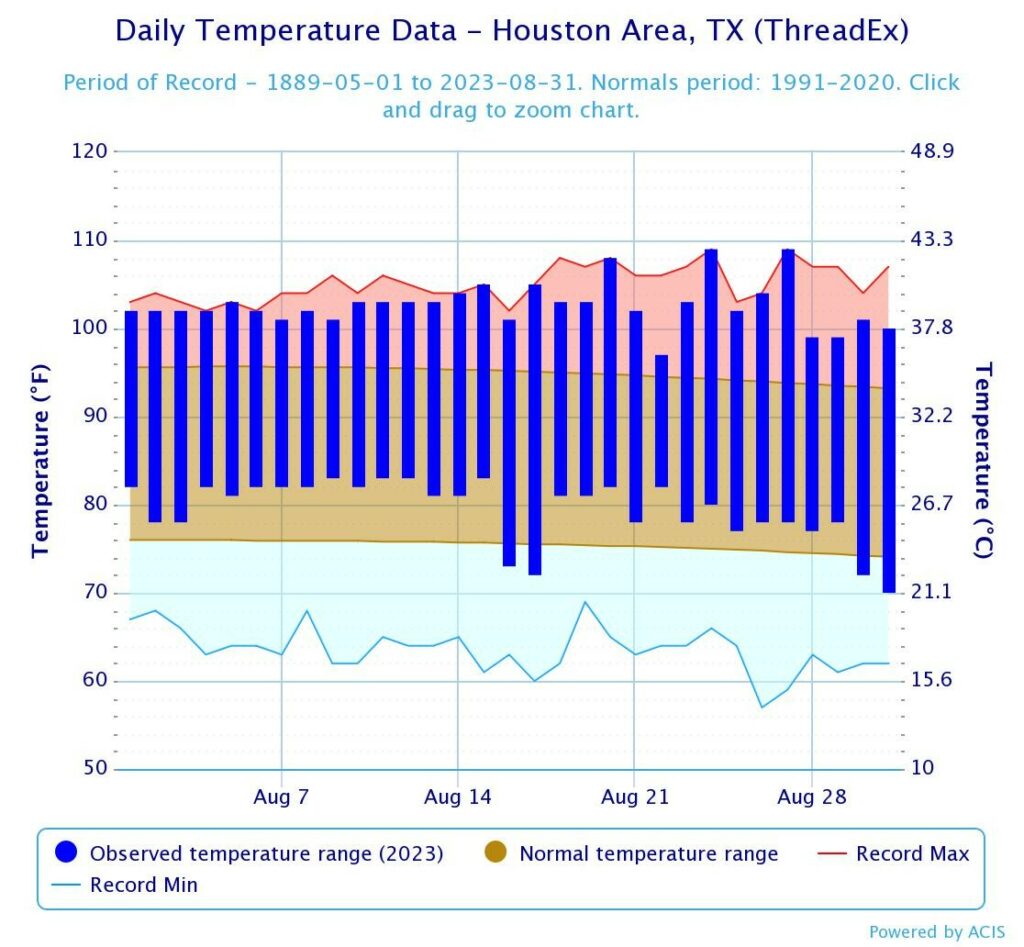
While the answer can vary slightly depending on the specific region within the state, a general consensus points to July as the peak of the summer heat. Following closely behind is August. These two months consistently deliver the highest average temperatures, making them the most challenging for those unaccustomed to extreme heat. Understanding this climatic reality is crucial for anyone looking to explore Texas‘s diverse attractions, whether you’re planning a visit to the bustling city of Houston, the historic streets of San Antonio, or the vibrant culture of Austin.
The intensity of the heat during these months is not just about the air temperature; it’s also about the accompanying humidity. Coastal regions, like those around Galveston, often experience higher humidity levels, which can make the heat feel even more oppressive. Inland areas, particularly in West Texas, might see higher absolute temperatures but with lower humidity, offering a different kind of heat that can be dry and intense. This meteorological nuance is vital for packing accordingly and planning outdoor activities to avoid the harshest midday sun.
Understanding Texas’s Summer Heat
Texas‘s summer heat is a defining characteristic of its climate, influencing everything from agricultural cycles to the daily routines of its residents. The prolonged periods of high temperatures are a result of a combination of geographical factors and atmospheric conditions. The state’s southerly latitude means it receives abundant sunshine throughout the year, but this effect is amplified during the summer months when the sun is at its highest and most direct angle.
Factors Contributing to the Heat
Several key factors contribute to the intensity and duration of the summer heat in Texas:
- Latitude: Texas sits at a latitude that receives a significant amount of solar radiation, especially during the summer solstice. This direct sunlight fuels the rising temperatures.
- Continental Climate: Much of Texas experiences a continental climate, characterized by hot summers and mild to cool winters. The lack of moderating oceanic influence in many parts of the state allows temperatures to soar.
- High-Pressure Systems: Persistent high-pressure systems often settle over the southern United States during the summer. These systems suppress cloud formation, allowing for maximum solar insolation and trapping heat near the surface.
- Urban Heat Island Effect: In major metropolitan areas like Dallas, Fort Worth, Houston, and San Antonio, the urban heat island effect exacerbates the natural heat. Concrete, asphalt, and a lack of green spaces absorb and retain more heat than natural landscapes, leading to higher temperatures in these urban centers compared to surrounding rural areas.
- Humidity: While not uniform across the state, humidity plays a significant role in how the heat is perceived. In East and South Texas, high humidity can make the air feel thick and heavy, leading to uncomfortable conditions and increasing the risk of heat-related illnesses. West Texas, on the other hand, tends to be drier, meaning while temperatures can be extremely high, the lower humidity offers a slight reprieve for some.
The combination of these elements creates a formidable summer climate, with July and August standing out as the most consistently hot months. Daytime highs frequently reach the upper 90s and can push into the triple digits across much of the state, with overnight lows often remaining in the comfortable 70s or even 80s, offering little relief from the accumulated heat.
Planning Your Texas Travel Around the Heat
Knowing that July and August are the hottest months in Texas can significantly influence your travel plans, guiding decisions about when to visit, what to pack, and how to structure your itinerary to maximize enjoyment while minimizing discomfort. The state offers a wealth of experiences, and with a little strategic planning, you can experience its wonders regardless of the thermometer’s reading.
Best Times to Visit for Cooler Weather
If scorching temperatures are a concern, consider visiting Texas during the shoulder seasons.
- Spring (March – May): This is arguably one of the most pleasant times to visit Texas. Wildflowers bloom across the state, particularly in the Hill Country, creating stunning visual displays. Temperatures are generally mild and comfortable, perfect for exploring cities, hiking, and enjoying outdoor activities without the intense heat. The Texas Hill Country, with its rolling hills and charming towns like Fredericksburg, is particularly beautiful in the spring.
- Autumn (September – November): As the intense summer heat begins to subside, autumn offers another fantastic window for Texas travel. The humidity drops, and the weather becomes more crisp and pleasant. This is an excellent time for exploring historical sites like the Alamo in San Antonio, attending football games, or enjoying the changing foliage in the eastern parts of the state. The weather in cities like Austin is ideal for enjoying live music outdoors.
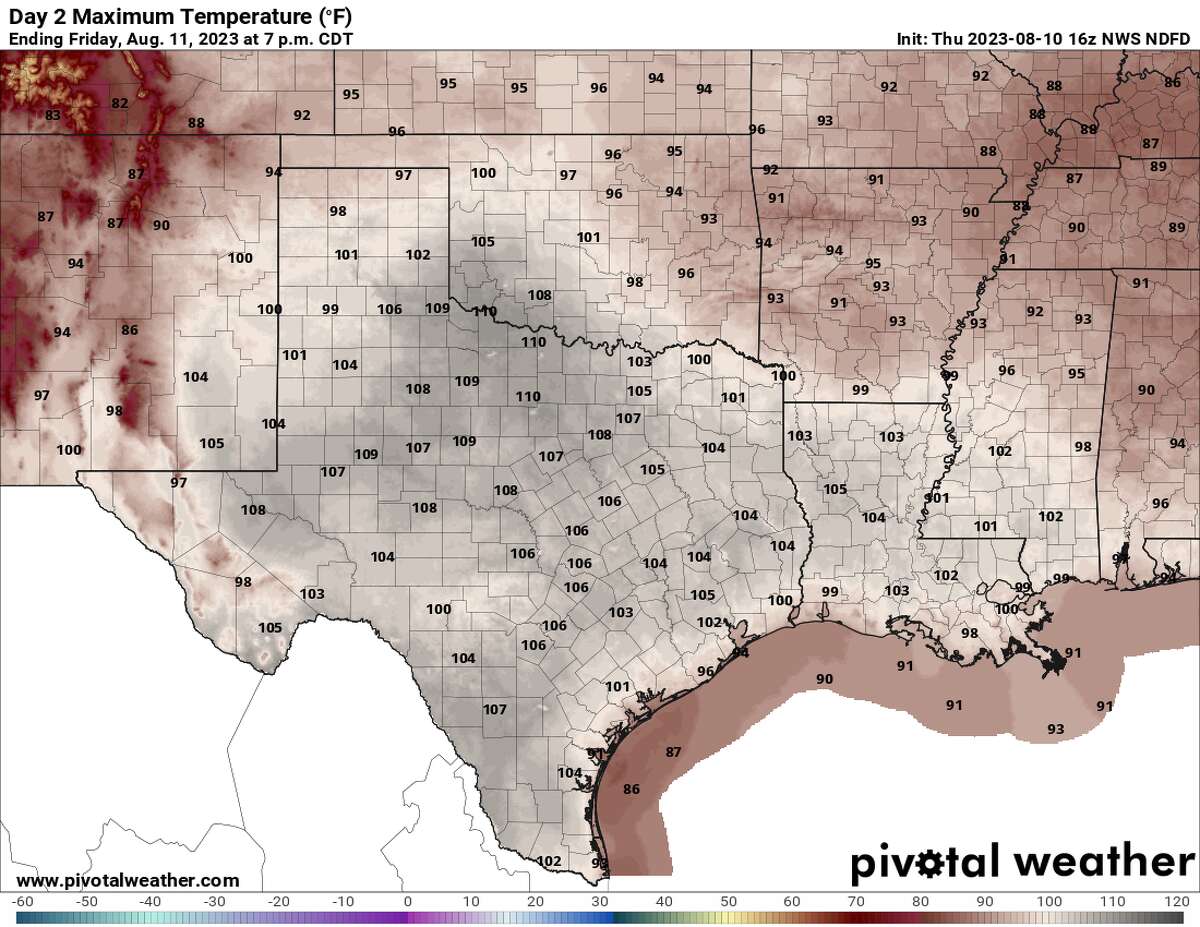
Even during the hottest months, there are ways to enjoy Texas. Focusing on indoor attractions, visiting early in the morning or late in the evening, and utilizing air-conditioned accommodations are key strategies. Many resorts and hotels, such as the luxurious The Joule in Dallas or the tranquil Miraval Austin, offer excellent amenities for escaping the heat.
Activities and Strategies for Beating the Heat
When visiting during the hottest months, embracing strategies to stay cool and hydrated is essential.
- Water Activities: Texas boasts numerous lakes, rivers, and water parks that become popular havens during the summer. Consider a trip to Schlitterbahn Waterpark in New Braunfels, or enjoy swimming and boating on Lake Travis near Austin. The Gulf Coast, with cities like Galveston, also offers the ocean as a natural cooling element, though the humidity can still be high.
- Indoor Attractions: Texas has a wealth of world-class museums, art galleries, and historical sites that provide a cool respite from the heat. The Perot Museum of Nature and Science in Dallas, the Houston Museum of Natural Science, and the numerous cultural institutions in San Antonio offer hours of engaging indoor exploration.
- Early Bird and Night Owl: Plan your outdoor excursions for the cooler parts of the day. Rise early to explore a state park like Big Bend National Park before the sun reaches its zenith, or enjoy a leisurely evening stroll through a charming historic district after sunset, when temperatures tend to drop slightly.
- Hydration is Key: Always carry and consume plenty of water, even if you don’t feel thirsty. Avoid excessive caffeine and alcohol, which can contribute to dehydration. Carry a reusable water bottle and refill it frequently.
- Dress Appropriately: Lightweight, light-colored clothing made from breathable fabrics like cotton or linen is ideal. Wide-brimmed hats and sunglasses are also essential for protecting yourself from the sun.
- Embrace Air Conditioning: Texas is well-equipped with air-conditioned spaces. Plan your itinerary to include breaks in air-conditioned cafes, restaurants, or shops. Many hotels offer fantastic amenities, from refreshing swimming pools to relaxing spas, providing perfect opportunities to cool down and recharge.
By understanding the hottest months and employing smart strategies, you can ensure your Texas adventure is filled with memorable experiences, regardless of the mercury’s rise.
Regional Variations in Texas Heat
While July and August are generally the hottest months statewide, there are noticeable regional variations in temperature and humidity across Texas. These differences can influence the perceived intensity of the heat and the types of activities that are most enjoyable.
East Texas: Humidity’s Embrace
East Texas, known for its piney woods and lush forests, experiences hot summers that are often accompanied by high humidity. Cities like Tyler and Beaumont can feel particularly muggy during July and August. The dense vegetation contributes to a higher moisture content in the air, making the heat feel more stifling. While the absolute temperatures might not always reach the extreme highs of West Texas, the humidity can make it feel more oppressive, leading to a higher heat index. For travelers, this means staying hydrated is even more critical, and activities are often best enjoyed near water or in air-conditioned environments.
Central Texas: A Blend of Heat and Outdoor Appeal
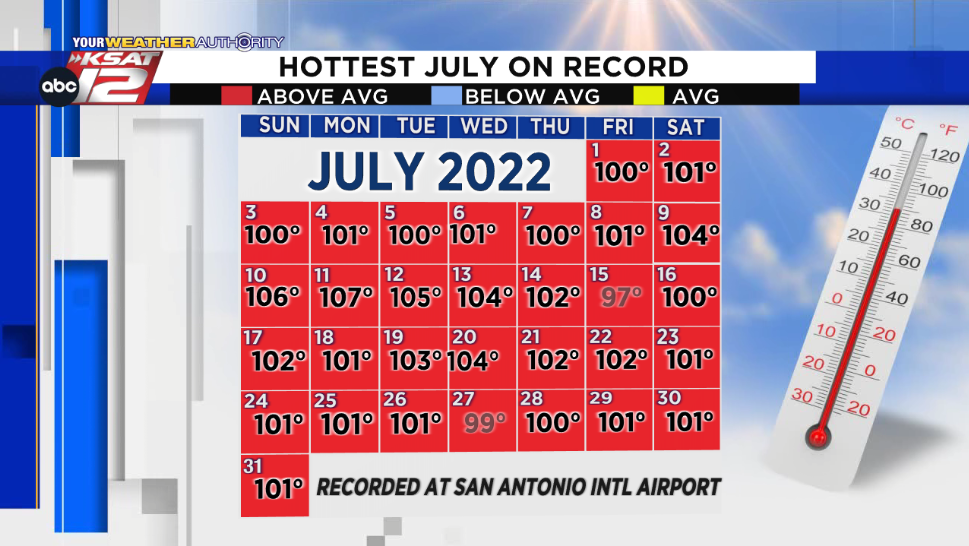
Central Texas, home to its vibrant capital Austin, and the cultural hub of San Antonio, experiences hot summers with temperatures frequently hitting the triple digits. Humidity levels can vary, being higher closer to the coast and lower further inland. This region offers a balance, with plenty of opportunities for outdoor activities like hiking in the Texas Hill Country, but also a rich array of indoor cultural experiences. Planning around the midday sun is crucial here, with early morning hikes or evening strolls being popular.
West Texas: The Dry Heat Challenge
West Texas, a region of vast deserts and dramatic landscapes like those found in Big Bend National Park, is characterized by a dry heat. Temperatures in cities like El Paso and Midland can soar to extreme highs, often exceeding 100°F for extended periods. While the lack of humidity might make it feel less oppressive than the muggy heat of East Texas, the intense solar radiation and dryness can be dehydrating and lead to sunburns quickly. Visitors to this region must be particularly diligent about sun protection, hydration, and planning their activities for the cooler dawn and dusk hours. Exploring the unique natural beauty of places like Guadalupe Mountains National Park requires careful preparation for the intense desert sun.
The Gulf Coast: Coastal Breezes and Humidity
The coastal regions, including Galveston and Corpus Christi, also experience hot summers. The proximity to the Gulf of Mexico means higher humidity levels are common, similar to East Texas. While the sea breeze can offer some relief, the overall feeling can still be quite warm and humid. Beach activities are obviously popular, providing a way to cool off, but visitors should still be mindful of sun exposure and hydration.
In conclusion, while July typically holds the title of the hottest month in Texas, the experience of that heat can differ significantly from one region to another. Understanding these nuances allows for more informed travel decisions, enabling visitors to better prepare for the unique climatic character of each part of this expansive and captivating state. Whether you’re seeking the bustling energy of Dallas, the historical charm of San Antonio, or the natural wonders of Big Bend, Texas offers unforgettable experiences year-round, provided you plan with its heat in mind.
LifeOutOfTheBox is a participant in the Amazon Services LLC Associates Program, an affiliate advertising program designed to provide a means for sites to earn advertising fees by advertising and linking to Amazon.com. Amazon, the Amazon logo, AmazonSupply, and the AmazonSupply logo are trademarks of Amazon.com, Inc. or its affiliates. As an Amazon Associate we earn affiliate commissions from qualifying purchases.