
Hawaii, a paradise renowned for its stunning beaches, vibrant culture, and unparalleled natural beauty, beckons not only as a premier travel destination but also as a fertile ground for entrepreneurial ventures. The Aloha State offers a unique blend of opportunity and lifestyle, attracting individuals eager to blend their passion with a profitable enterprise. Whether you envision a boutique hotel offering a slice of luxury, a tour operation showcasing the islands’ hidden gems, or a culinary experience celebrating local flavors, understanding the path to establishing a business in this island paradise is crucial. This guide aims to demystify the process, providing a comprehensive overview of what it takes to turn your Hawaiian dream into a thriving reality, drawing parallels with the very essence of what makes lifeoutofthebox.com the go-to resource for exploring and experiencing the islands.

Laying the Foundation: From Idea to Business Plan
The allure of starting a business in Hawaii is undeniable, but like any successful venture, it begins with a robust idea and a meticulously crafted plan. The island environment presents unique considerations, from logistics and supply chains to a deep respect for local traditions and the environment. Understanding these nuances will be key to your success.
Defining Your Niche in the Aloha State
Hawaii’s economy is heavily influenced by tourism, but this sector itself is diverse, offering numerous avenues for innovation. Your business concept should align with the island’s strengths and cater to the desires of both residents and visitors. Consider the core offerings of lifeoutofthebox.com: travel, hotels, tourism, accommodation, landmarks, and lifestyle. How can your business complement or enhance these?
- Travel & Experiences: Perhaps you’ll offer specialized adventure tours on the island of Maui, like surfing lessons at Ho’okipa Beach Park or guided hikes through the Haleakala National Park. Or, you might curate unique cultural immersion experiences, allowing visitors to learn traditional Hawaiian crafts or participate in a local luau beyond the typical tourist traps. Think about niche travel, such as eco-tourism focused on preserving the delicate island ecosystems or photography tours capturing the breathtaking landscapes of the Na Pali Coast on Kauai.
- Accommodation & Hospitality: The demand for unique stays in Hawaii is ever-present. You could establish a boutique resort on Oahu, like the charming Turtle Bay Resort, offering a more intimate and personalized experience than larger chain hotels. Alternatively, consider offering high-end apartment rentals in Honolulu for longer-term stays, catering to digital nomads or families seeking a home away from home. Villas with private pools overlooking the Pacific or eco-lodges nestled in the lush rainforests are also viable options. The key is to differentiate yourself, offering amenities and a service level that stands out.
- Tourism & Local Culture: Dive deep into the heart of Hawaiian culture. This could involve opening a restaurant that showcases authentic Hawaiian food, using locally sourced ingredients and traditional cooking methods. You might also develop workshops on Hawaiian music, dance, or language, providing visitors with a genuine connection to the islands’ heritage. Consider partnering with local artisans to create a retail space that exclusively features Made in Hawaii products.
- Landmarks & Attractions: While many iconic landmarks like Pearl Harbor or the Volcanoes National Park are well-established, there’s always room for complementary businesses. Perhaps a guided tour service focusing on the history and lesser-known stories behind these landmarks, or an artisan coffee shop near a popular attraction like the Banyan Tree in Lahaina.
Crafting a Comprehensive Business Plan
Once your idea is refined, a solid business plan is your roadmap to success. This document is essential for securing funding, guiding your operations, and defining your long-term vision. It should include:
- Executive Summary: A concise overview of your business concept, goals, and strategies.
- Company Description: Detail your business’s mission, vision, and legal structure.
- Market Analysis: Thorough research into your target audience, market trends in Hawaii, and a competitive analysis of existing businesses. Understand the demographics of visitors and residents, their spending habits, and their preferences.
- Organization and Management: Outline your business’s structure, key personnel, and their roles.
- Service or Product Line: Clearly define what you will offer, highlighting its unique selling propositions.
- Marketing and Sales Strategy: How will you reach your target customers? Consider online marketing, partnerships with local tourism boards, and collaborations with hotels and travel agencies. Leverage the strengths of lifeoutofthebox.com’s content categories to inform your marketing.
- Funding Request (if applicable): If you need external financing, detail the amount required and how it will be used.
- Financial Projections: Include realistic forecasts for revenue, expenses, and profitability. This is where you’ll need to account for the higher cost of living and doing business in Hawaii.
Navigating the Regulatory Landscape
Starting a business in any location involves a series of legal and administrative steps, and Hawaii is no exception. Understanding and adhering to these regulations is paramount to operating legally and ethically.
Legal Structure and Registration
The first step is to decide on the legal structure of your business. Common options include:
- Sole Proprietorship: The simplest structure, owned and run by one individual.
- Partnership: Owned and operated by two or more individuals.
- Limited Liability Company (LLC): Offers personal liability protection to its owners.
- Corporation: A more complex structure that is a separate legal entity from its owners.
Once you’ve chosen a structure, you’ll need to register your business with the State of Hawaii Department of Commerce and Consumer Affairs (DCCA). This typically involves:
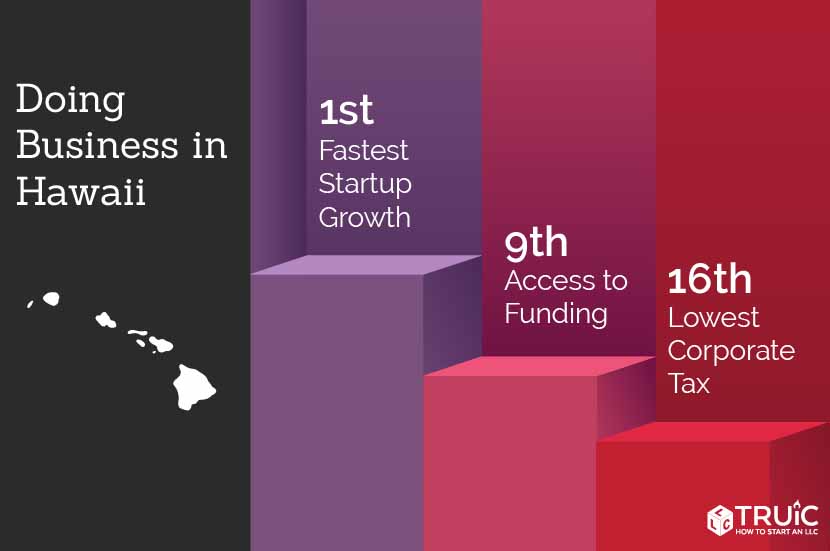
- Business Name Registration: Registering your business name, ensuring it’s not already in use.
- Obtaining an Employer Identification Number (EIN): If you plan to hire employees or operate as a corporation or partnership, you’ll need an EIN from the Internal Revenue Service (IRS).
- State Tax Identification Number: You’ll also need to register with the Hawaii Department of Taxation to obtain a state tax ID.
Licenses and Permits
Depending on your specific business activity, you will likely need various state and county licenses and permits. These can range from general business licenses to specific permits for food service, alcohol sales, or environmental impact.
- General Business License: Most businesses will need a general business license from the county in which they operate. Each island (Hawaii, Maui, Oahu, Kauai) has its own respective county government that issues these licenses.
- Specific Industry Licenses: For example, if you plan to open a hotel or offer accommodation services, you may need specific permits related to health, safety, and zoning. Tour operators might require permits to access certain public lands or operate specific types of tours. Restaurants will need health permits and potentially liquor licenses.
- Environmental Permits: Given Hawaii’s sensitive ecosystem, businesses that could have an environmental impact may need to obtain permits and adhere to regulations designed to protect the natural beauty and resources.
It is highly recommended to consult with the Hawaii Business One Stop portal, which serves as a central resource for businesses seeking information on licenses, permits, and registrations. Additionally, engaging with a local attorney or business consultant specializing in Hawaiian business law can be invaluable in navigating these complexities.
Operational Considerations for Island Businesses
Operating a business in Hawaii presents unique challenges and opportunities, particularly when it comes to logistics, staffing, and embracing the local business ethos. The island setting influences everything from supply chains to customer service expectations.
Logistics and Supply Chain Management
Hawaii’s geographical isolation means that goods and services often need to be shipped from the mainland United States or internationally. This can impact inventory management, costs, and delivery times.
- Sourcing Local: Whenever possible, prioritize sourcing materials and products from local Hawaiian businesses. This not only supports the local economy but can also reduce shipping costs and lead times. Think about local farms for your restaurant, local artisans for your gift shop, or local craftspeople for your hotel’s decor.
- Inventory Planning: Accurate forecasting and careful inventory management are crucial. Avoid overstocking, which can lead to spoilage or obsolescence, but also ensure you have enough stock to meet demand, especially during peak tourist seasons.
- Shipping and Freight: Research different shipping companies and freight forwarders that specialize in inter-island and mainland shipments. Compare costs, transit times, and reliability.
Staffing and Human Resources
Finding and retaining qualified staff can be a challenge in Hawaii due to a smaller labor pool and the high cost of living.
- Local Hiring: Prioritize hiring local residents. They possess invaluable knowledge of the community, culture, and visitor needs. Offering competitive wages and benefits can help attract and retain talent.
- Training and Development: Invest in training your staff to ensure they provide excellent customer service, embodying the spirit of Aloha. This is especially important for businesses in the hospitality and tourism sectors.
- Understanding Labor Laws: Familiarize yourself with Hawaii’s labor laws, including minimum wage, working hours, and employee benefits.

Embracing the Aloha Spirit in Business
The “Aloha Spirit” is more than just a greeting; it’s a way of life that emphasizes kindness, compassion, and respect. In business, this translates to exceptional customer service, community involvement, and a sustainable approach.
- Customer Service Excellence: Train your staff to be friendly, welcoming, and genuinely helpful. Go the extra mile to create memorable experiences for your customers, mirroring the positive experiences one might have at a Four Seasons Resort Oahu at Ko Olina or a charming bed and breakfast discovered through a travel guide.
- Community Engagement: Become an active participant in the local community. Support local charities, sponsor events, and engage with residents. This builds goodwill and strengthens your business’s reputation.
- Sustainability: Hawaii’s natural environment is its greatest asset. Businesses should strive to operate sustainably, minimizing their environmental impact. This can include reducing waste, conserving water and energy, and using eco-friendly products. Consider how your business can contribute to preserving the beauty of places like Waikiki Beach or the unique flora and fauna of the islands.
Starting a business in Hawaii is an exciting endeavor that offers the potential for both financial success and a rewarding lifestyle. By understanding the local market, navigating the regulatory framework, and embracing the unique operational considerations of island living, entrepreneurs can lay a strong foundation for a thriving business in this island paradise. The journey may require dedication and adaptability, but the reward of building a successful enterprise in such a breathtaking setting is truly unparalleled.
LifeOutOfTheBox is a participant in the Amazon Services LLC Associates Program, an affiliate advertising program designed to provide a means for sites to earn advertising fees by advertising and linking to Amazon.com. Amazon, the Amazon logo, AmazonSupply, and the AmazonSupply logo are trademarks of Amazon.com, Inc. or its affiliates. As an Amazon Associate we earn affiliate commissions from qualifying purchases.