
Texas, a state renowned for its sprawling landscapes, vibrant culture, and of course, its iconic ranches and meticulously maintained lawns, presents a unique set of challenges and opportunities for homeowners and gardening enthusiasts. When it comes to nurturing a lush, green carpet of grass across the diverse Texan terrain, timing is everything. The question of “When To Fertilize Lawn In Texas” is not a simple one; it’s a nuanced dance with the state’s distinct climate patterns, soil types, and the specific needs of different grass varieties. This guide delves into the optimal times to fertilize your Texas lawn, ensuring it thrives throughout the year, from the scorching summers to the surprisingly chilly winters.
The vastness of Texas means that what applies to a lawn in the humid, subtropical climate of Houston might differ significantly from the more arid conditions of West Texas. Understanding these regional variations, coupled with knowledge of your lawn’s grass type, is paramount to achieving that picture-perfect curb appeal that defines so many Texan homes.
Understanding Your Texas Lawn: Grass Types and Regional Climates
Before we pinpoint the ideal fertilization schedule, it’s crucial to understand the foundation of your lawn: its grass type. Texas is home to a variety of warm-season grasses, which are best suited to the region’s high temperatures. These include:
- Bermuda grass: Highly resilient, drought-tolerant, and thrives in full sun. It’s a popular choice across much of Texas.
- Zoysia grass: Known for its dense growth habit, which helps choke out weeds, and its ability to tolerate moderate shade.
- St. Augustine grass: A shade-tolerant grass that is excellent for the more humid, coastal regions of Texas.
- Centipede grass: A slow-growing, low-maintenance grass that prefers acidic soil and partial shade, often found in East Texas.
- Buffalograss: A native Texas grass, incredibly drought-tolerant and low-maintenance, suitable for drier areas.
Each of these grasses has a distinct growing season and dormancy period, which directly impacts when they can effectively utilize nutrients from fertilizer. Warm-season grasses, by definition, are most active and will benefit most from fertilization during the warmer months, typically from spring through early fall.
Beyond grass types, Texas’s climate can be broadly divided into several regions, each with its own microclimates:
- East Texas: Characterized by higher humidity and rainfall, often supporting more lush growth and susceptible to fungal diseases. Fertilization might be needed more frequently here to maintain vigor.
- Central Texas: Exhibits a more temperate climate with hot summers and mild winters. This region benefits from a balanced fertilization approach.
- South Texas: Experiences long, hot summers and generally mild winters, with potential for drought. Drought-tolerant grasses and careful fertilization are key.
- West Texas: Known for its arid conditions, extreme temperature fluctuations, and lower rainfall. Lawn care here often involves water conservation strategies, and fertilization should be approached with caution.
- Gulf Coast: High humidity, significant rainfall, and warm temperatures year-round. St. Augustine grass is common here, requiring specific care.
The Spring Awakening: The First Crucial Fertilization
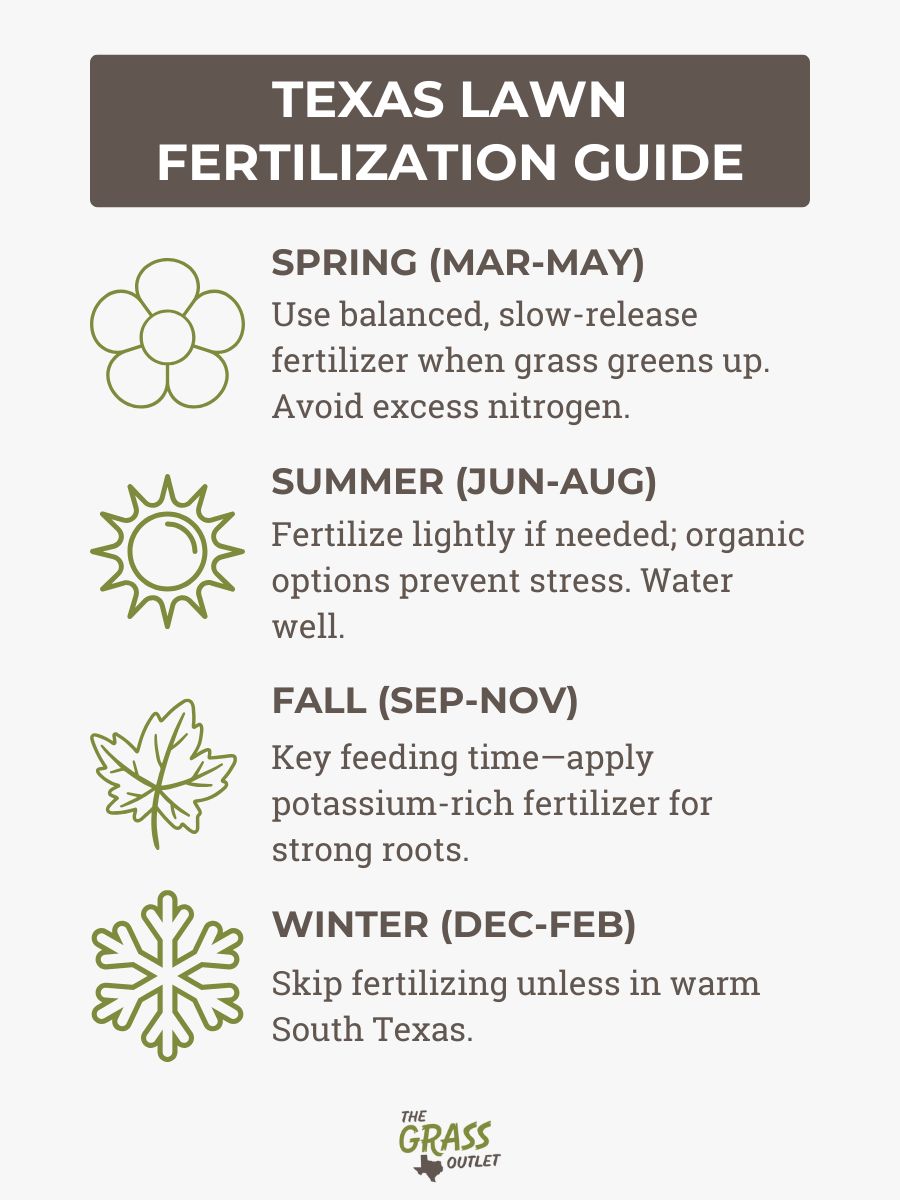
The first fertilization of the year is arguably the most critical, setting the stage for your lawn’s health and appearance throughout the growing season. In Texas, this typically occurs in the early to mid-spring, as the grass begins to break dormancy and actively grow.
When Spring Arrives: The Green Light for Growth
For most warm-season grasses in Texas, the ideal window for the first spring fertilization is late March to mid-April. This timing is dictated by rising soil temperatures and the visual cues of your lawn. You’ll know it’s time when:
- Grass begins to show green color: This is the most definitive sign that your grass is actively growing again after winter dormancy.
- Soil temperatures consistently reach 55-60°F (13-16°C): While difficult to measure without a soil thermometer, this generally correlates with the visual greening of the grass.
Applying fertilizer too early, before the grass is actively growing, can lead to wasted nutrients being washed away by spring rains or, worse, promoting weak, leggy growth that is susceptible to frost or disease. Conversely, waiting too long allows weeds to establish a foothold and deprives your grass of essential nutrients during its crucial growth phase.
Spring Fertilization Essentials: N-P-K and Beyond
Your spring fertilizer should ideally contain a good balance of nitrogen (N), phosphorus (P), and potassium (K). Nitrogen is vital for leafy green growth, phosphorus aids in root development, and potassium contributes to overall plant health and stress tolerance. Many Texas homeowners opt for a slow-release nitrogen fertilizer, which provides a steady supply of nutrients over several weeks, preventing rapid, unsustainable growth spurts.
For those concerned about phosphorus runoff and its environmental impact, particularly in areas near waterways like the Colorado River, it’s wise to choose a fertilizer with a low or zero phosphorus content, especially if a soil test indicates adequate phosphorus levels. A soil test, available through your local Texas A&M AgriLife Extension office, is the best way to determine your specific soil’s nutrient deficiencies and pH balance, allowing for a more targeted and effective fertilization strategy.
Mid-Season Nourishment: Sustaining Growth Through Summer Heat
As spring transitions into the long, hot Texas summer, your lawn’s nutritional needs shift. The focus moves from promoting initial growth to sustaining health and resilience against the stresses of heat, potential drought, and increased foot traffic.
Summer Fertilization: A Delicate Balance
For most warm-season grasses, a second fertilization is recommended in late May to early June. This application helps your lawn maintain its vibrant green color and withstand the rigors of summer. However, it’s crucial to be cautious with fertilization during periods of extreme heat.

- Avoid fertilizing during prolonged heatwaves: High temperatures can stress grass, and adding fertilizer, especially one high in nitrogen, can exacerbate this stress, potentially leading to brown patches or damage. If temperatures are consistently above 90°F (32°C), it’s best to postpone fertilization until cooler weather returns.
- Opt for lighter applications: During the summer, a lighter application of fertilizer is generally preferred over a heavy one. This provides essential nutrients without overstimulating the grass, which could lead to excessive thatch buildup or increased susceptibility to disease.
- Consider the water situation: If you are under drought restrictions or facing water shortages, it is generally advisable to avoid fertilizing altogether. Fertilized grass requires more water to thrive, and applying nutrients without adequate moisture can be detrimental.
Post-Summer Recovery: Preparing for Fall
A third fertilization, if needed, can be applied in late August to early September. This application is particularly beneficial for lawns that have been stressed by summer heat or are showing signs of nutrient deficiency. It helps the grass recover and build up reserves for the cooler months ahead. This late-season feeding is also critical for promoting root development, which is vital for the grass’s ability to survive winter and re-emerge strong in the spring.
The Fall Finale: Preparing for Dormancy and Winter
The autumn months in Texas present a unique opportunity for lawn care, often overlooked in the rush of summer. Fertilizing in the fall is crucial for fortifying your lawn against winter’s challenges and ensuring a healthy start to the following spring.
Fall Fertilization: The Key to Resilience
The ideal time for the final fertilization of the year is typically in early to mid-October. This application should be rich in potassium, which helps to harden off the grass, making it more resistant to cold temperatures, disease, and drought. Nitrogen is still beneficial, but its concentration can be lower than in spring or early summer applications.
- Why fall fertilization is important: As temperatures begin to cool and daylight hours shorten, warm-season grasses are still actively growing, albeit at a slower pace. They are storing carbohydrates in their roots and crowns in preparation for dormancy. Fall fertilization provides the necessary nutrients for this vital storage process, ensuring a robust root system that can withstand the stresses of winter.
- Avoiding late fall fertilization: It is generally not recommended to fertilize too late in the fall, especially after the first frost or when the grass has clearly begun to go dormant. Applying fertilizer to dormant grass can lead to a flush of growth that is easily damaged by freezing temperatures and wastes valuable nutrients.
Winterizing Your Lawn: Beyond Fertilization
While fertilization plays a key role in preparing your lawn for winter, other practices are equally important. Ensuring your lawn is free of debris, such as fallen leaves from Live Oak trees, and that you have addressed any pest or disease issues are also part of a comprehensive winterization strategy. For those residing in areas known for their spectacular fall foliage, like the Texas Hill Country, efficient leaf management is a key component of fall lawn care.
Avoiding Common Pitfalls: Fertilizing Mistakes to Sidestep
Even with the best intentions, several common mistakes can undermine your fertilization efforts. Being aware of these pitfalls can help you achieve a healthier, more resilient lawn.
Over-Fertilization and Under-Fertilization
- Over-fertilization: Applying too much fertilizer can burn the grass, leading to brown spots, excessive thatch buildup, and increased susceptibility to diseases and pests. It can also lead to rapid, weak growth that requires more frequent mowing and can deplete soil nutrients over time.
- Under-fertilization: Conversely, not applying enough fertilizer can result in a pale, thin lawn that is prone to weed invasion and unable to withstand environmental stresses.
Always follow the application rates recommended on the fertilizer packaging and consider your specific grass type and soil conditions.
Fertilizing Dormant Grass
As mentioned, fertilizing grass that is dormant or semidormant can be wasteful and even harmful. For warm-season grasses in Texas, this typically means avoiding fertilization during the peak winter months.
Inconsistent Watering Practices
Fertilizer needs water to be absorbed by the grass roots. Inconsistent watering, especially during dry periods, can negate the benefits of fertilization and even lead to fertilizer burn. Ensure your watering schedule complements your fertilization plan, providing adequate moisture to activate the nutrients.
Neglecting Soil Testing
Assuming your soil has the right nutrient balance is a common mistake. A soil test provides invaluable information about your lawn’s specific needs, preventing the application of unnecessary or incorrect nutrients. It’s a small step that can lead to significant improvements in lawn health and a more cost-effective approach to fertilization.
In conclusion, fertilizing your lawn in Texas is a strategic endeavor that requires careful consideration of your grass type, regional climate, and the time of year. By adhering to the principles of spring awakening, mid-season nourishment, and fall preparation, and by avoiding common fertilization mistakes, you can cultivate a beautiful, healthy lawn that enhances your Texas lifestyle and contributes to the overall appeal of your property. Whether you’re planning a family trip to the San Antonio River Walk or simply enjoying a quiet evening on your porch, a well-maintained lawn is a testament to thoughtful stewardship and a key element of the Texan dream.
LifeOutOfTheBox is a participant in the Amazon Services LLC Associates Program, an affiliate advertising program designed to provide a means for sites to earn advertising fees by advertising and linking to Amazon.com. Amazon, the Amazon logo, AmazonSupply, and the AmazonSupply logo are trademarks of Amazon.com, Inc. or its affiliates. As an Amazon Associate we earn affiliate commissions from qualifying purchases.