
California, a state synonymous with diverse landscapes, vibrant cities, and a sought-after lifestyle, presents a unique challenge for both residents and those considering a long-term stay: the cost of living, particularly housing. Whether you’re planning an extended vacation, considering relocating for a new adventure, or simply navigating the local rental market, understanding the intricacies of rent increases is crucial. The question, “How much can a California landlord raise the rent?” is not simple, as the answer depends on a combination of statewide laws, local ordinances, and the specific characteristics of the property in question. For anyone exploring California as a potential long-term accommodation destination, or even a shorter stay that might involve a private rental, grasping these regulations is paramount to budgeting and ensuring a smooth experience.

The Golden State, known for its iconic landmarks like the Golden Gate Bridge in San Francisco, the glitz of Hollywood in Los Angeles, and the natural beauty of Yosemite National Park, also boasts a highly competitive and often expensive housing market. This has led to the implementation of various tenant protection laws, aimed at stabilizing housing costs and preventing exorbitant rent hikes. These regulations directly impact the accommodation landscape, influencing everything from the availability of long-term rentals to the overall cost of tourism and extended visits, particularly in popular destinations.
Understanding California’s Rent Control Landscape
Navigating the rules surrounding rent increases in California requires a dual understanding of both statewide legislation and local municipal ordinances. While the state provides a broad framework, many cities have enacted their own, often more stringent, rent control and eviction protection laws. This patchwork of regulations means that what applies in San Francisco might be different from San Diego, and both could differ significantly from smaller towns. For those considering an extended stay, perhaps in a serviced apartment or a private villa, it’s essential to research the specific rules of the city or county where the property is located.
The Statewide Protection: AB 1482 (Tenant Protection Act of 2019)
The most significant statewide legislation governing rent increases in California is the Tenant Protection Act of 2019, also known as AB 1482. This act, which went into effect on January 1, 2020, introduced a statewide rent cap and “just cause” eviction protections for many rental properties. It was designed to provide a baseline level of protection across the state, particularly in areas that did not previously have local rent control. This legislation is a critical piece of the puzzle for anyone considering a long-term rental in California, as it dictates the maximum annual rent increase a landlord can impose for many qualifying properties.
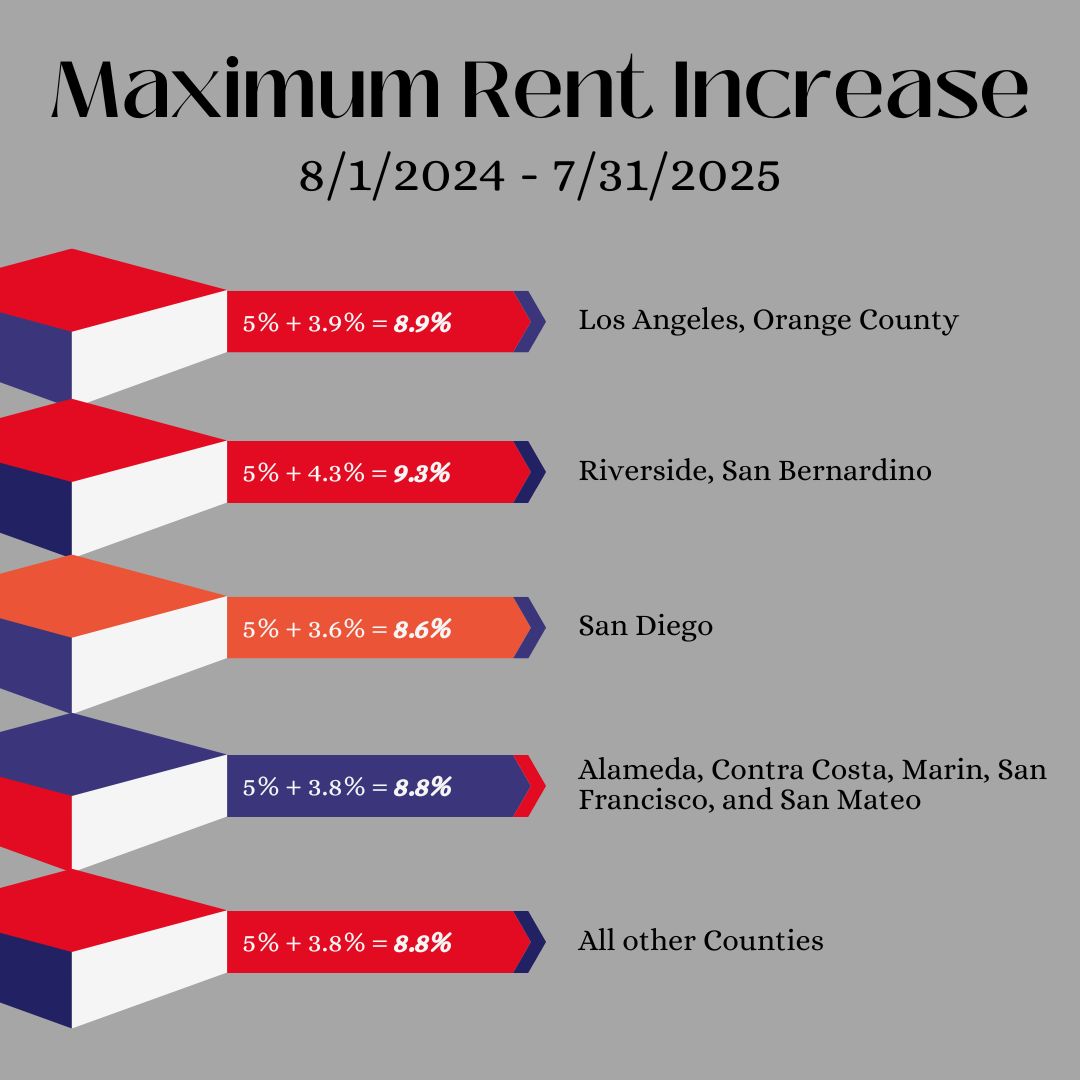
Under AB 1482, landlords are generally limited to raising the rent by no more than 5% plus the percentage change in the cost of living (Consumer Price Index, or CPI) for the area where the property is located, with a maximum total increase of 10%. The CPI component is tied to the average CPI for all urban consumers in the metropolitan area where the property is located, as published by the U.S. Bureau of Labor Statistics. This cap applies to tenants who have resided in the unit for at least 12 months. It’s important to note that the specific CPI percentage can vary by region within California, making it necessary to check the relevant CPI for your specific locale each year. For travelers exploring long-term accommodation options, such as renting an apartment for several months to immerse themselves in local culture, understanding this cap is fundamental to predicting their budget.
Local Ordinances: A Deeper Dive
While AB 1482 sets a statewide floor for tenant protections, many California cities and counties have their own, often more restrictive, rent control ordinances. These local laws take precedence over AB 1482 if they offer greater tenant protections. Cities like Los Angeles, San Francisco, Oakland, San Jose, and Santa Monica are well-known for having robust rent control programs that predate the statewide law.
These local ordinances can vary widely, dictating lower annual rent increase percentages, specific rules for certain types of properties (e.g., apartments built before a certain year), and distinct “just cause” eviction requirements. For instance, some cities might cap rent increases at 2% or 3% annually, significantly lower than the AB 1482 limit. This level of local specificity underscores the importance of due diligence for anyone planning a long-term stay. If you’re considering renting a luxury villa in Beverly Hills or a charming apartment near the beaches of Santa Monica, you’ll need to confirm if that specific property falls under local rent control and what those rules entail. This is especially pertinent for those looking into furnished apartments or extended-stay hotels that might transition into long-term rentals, as the rules of the game can shift dramatically depending on the location.
Navigating Rent Increases Under AB 1482 and Beyond
Understanding the specifics of how rent increases are calculated and which properties are covered (or exempt) is paramount for both tenants and landlords in California. This knowledge can save tenants from unlawful rent hikes and help landlords comply with the law, ensuring fair practices in a dynamic housing market. For travelers considering a prolonged immersion in California’s diverse culture, perhaps opting for an apartment rental over traditional hotels to experience a more local lifestyle, these details become a crucial part of their overall travel planning.
The 5% + CPI Cap: What It Means
As established by AB 1482, the allowable annual rent increase is capped at 5% plus the local CPI change, with a total maximum of 10%. This means that a landlord cannot simply raise the rent by 10% every year; they must calculate the specific CPI for their region. For example, if the CPI for the San Francisco Bay Area is 3%, the maximum allowable increase would be 8% (5% + 3%). If the CPI were 6%, the total increase would be capped at 10% (even though 5% + 6% would be 11%). Landlords are typically required to provide a written notice of a rent increase at least 30 days in advance for increases of 10% or less, and 60 days for increases over 10% (though the statewide cap generally prevents increases over 10%). This cap applies to a 12-month period, meaning if a landlord raises the rent once, they generally cannot raise it again for another 12 months.
The implication for extended accommodation is significant. If you rent an apartment for a year or more, your landlord cannot arbitrarily increase your rent beyond these defined limits. This provides a level of financial predictability that is highly valued, especially in areas where short-term rentals, like Airbnb or VRBO properties, might fluctuate more frequently. Understanding this cap allows individuals to budget accurately for their long-term lifestyle plans in California, whether they are students, digital nomads, or families on an extended sabbatical.
Exemptions: When AB 1482 Doesn’t Apply
Crucially, not all rental properties in California are covered by AB 1482 or local rent control ordinances. Understanding these exemptions is as important as knowing the rules themselves. The main exemptions include:
- New Construction: Properties that have been issued a certificate of occupancy within the last 15 years are exempt from AB 1482’s rent cap. This “rolling 15-year exemption” means that as properties age, they eventually become subject to the law. However, for those seeking modern accommodation in newly developed areas, rent increases may be unregulated by the state law.
- Single-Family Homes and Condominiums: Owner-occupied single-family homes and condominiums are often exempt from AB 1482, provided the owner is not a real estate investment trust, a corporation, or an LLC with at least one corporate member, and proper notice of the exemption is provided to the tenant. If the owner does not occupy the property, or if it’s owned by certain corporate entities, it may still be covered. This distinction is critical for travelers considering renting a private home or villa for an extended period.
- Duplexes where the owner lives in one unit: If a landlord owns a duplex and lives in one of the units, the other unit is exempt from AB 1482.
- Affordable Housing: Housing units restricted by deed, regulatory restriction, or other recorded document to be affordable for very low, low, or moderate-income households are also exempt.
- Dormitories and certain student housing: These types of specialized accommodation are generally outside the scope of the act.
- Mobilehomes and RVs: These are typically covered by separate specific laws.
These exemptions are particularly relevant for those exploring various accommodation types for an extended stay in California. For instance, someone looking for a contemporary apartment in a newly built complex in downtown Los Angeles might find their rent is not subject to AB 1482’s cap. Similarly, renting a vacation home directly from an individual owner might fall under an exemption. Knowing these nuances can significantly impact the predictability of rental costs and the overall budgeting for a California experience.
“Just Cause” Evictions: Tenant Protections
Beyond rent caps, AB 1482 also introduced “just cause” eviction protections for many tenants who have resided in their unit for at least 12 months. This means a landlord cannot evict a tenant without a legitimate, “just cause” reason. These reasons fall into two categories: “at-fault” and “no-fault.”
- At-Fault Just Causes: These reasons include non-payment of rent, breach of a material term of the lease, nuisance, criminal activity on the property, and refusal to allow the landlord lawful entry. These are typically actions or inactions by the tenant.
- No-Fault Just Causes: These reasons are not due to tenant behavior and often require the landlord to provide relocation assistance to the tenant. They include the owner or their close family moving into the unit, withdrawal of the property from the rental market, demolition of the unit, or substantial remodeling.
These “just cause” provisions provide significant stability for tenants, offering peace of mind that they won’t be arbitrarily displaced. For those seeking long-term accommodation to truly immerse themselves in a destination’s local culture and lifestyle, these eviction protections are just as vital as rent control. They ensure that once you find a suitable long-term rental, you have a reasonable expectation of stability, allowing you to focus on exploring the attractions and experiences California has to offer.
The Impact on California’s Accommodation and Lifestyle
The complex landscape of rent control and tenant protection laws in California has far-reaching implications, not just for residents but also for the state’s broader tourism and accommodation sectors. These regulations shape the availability, affordability, and dynamics of rental housing, which in turn affects everything from local lifestyle to the feasibility of extended stays for visitors.
Rental Market Dynamics in Popular Destinations
In bustling urban centers and popular tourist destinations like San Francisco, Los Angeles, San Diego, and even coastal towns like Santa Barbara or Monterey, rent control plays a crucial role. For tenants, it offers a degree of protection against the rapid escalation of housing costs, which can otherwise make these vibrant cities unaffordable. This stability allows individuals to establish roots, contribute to the local economy, and enjoy the diverse attractions and experiences these destinations provide.
However, the laws also influence the supply side of the rental market. Some argue that strict rent control can disincentivize new housing construction or lead landlords to withdraw units from the long-term rental market in favor of short-term vacation rentals or sales, where such regulations often don’t apply. This dynamic can impact visitors seeking longer-term accommodation options beyond traditional hotels or resorts. While there might be many suites and resorts available for short trips, finding a suitable apartment for a multi-month stay could become more challenging, affecting the affordability of a truly immersive California experience. Understanding these market forces is essential for anyone budgeting for an extended trip that moves beyond typical tourism and into a more embedded local lifestyle.
Implications for Long-Term Stays and Property Investment
For individuals considering California for an extended stay—perhaps as digital nomads, students, or those on sabbaticals—the rent control laws directly shape their accommodation choices and financial planning. The assurance of limited rent increases provides stability, making it easier to plan a budget for several months or even years. This is a key factor when comparing the cost of living in various California cities against other global destinations. A family planning to spend a year exploring the cultural richness of San Francisco or the outdoor adventures near Lake Tahoe will find these protections invaluable.
For property investors and landlords, understanding the limits is critical for financial forecasting and compliance. While the laws aim to protect tenants, they also set clear parameters for property owners, enabling them to plan their investments within legal boundaries. For those considering buying a property for rental income, perhaps a villa or apartment complex in a prime California location, a thorough understanding of AB 1482 and local ordinances is non-negotiable. This impacts everything from projected rental yields to the long-term viability of their investment, shaping the overall accommodation landscape.
What Tenants and Landlords Need to Know
Navigating California’s rental laws can feel daunting, but both tenants and landlords have clear steps they can take to ensure compliance and protect their rights. For anyone planning an extended stay or considering property investment in this vibrant state, proactive education is the best defense against misunderstandings and disputes.
Essential Steps for Tenants
For tenants, whether you’re a long-time resident or considering a multi-month rental to enjoy California’s attractions, the following steps are crucial:
- Know Your Rights: Research the rent control laws applicable to your specific city or county. Websites of your local housing authority, city hall, or tenant rights organizations are excellent resources. Do not assume statewide laws are the only ones that apply.
- Identify Your Property’s Status: Determine if your rental unit is subject to AB 1482 or a local rent control ordinance. Check for exemptions (e.g., new construction, owner-occupied duplexes). Your landlord is often required to provide notice if the property is exempt.
- Track Rent Increases: Keep meticulous records of all rent payments and notices of rent increases. This documentation is vital if you ever need to dispute an increase.
- Understand the CPI: If your property is covered by AB 1482, verify the current CPI for your metropolitan area to calculate the maximum allowable increase. The U.S. Bureau of Labor Statistics website is the official source.
- Seek Advice: If you believe your landlord has imposed an unlawful rent increase or is attempting an illegal eviction, contact a tenant rights organization, housing counselor, or legal aid clinic immediately. Many cities also have rent boards that can mediate disputes.
Taking these steps ensures that you can fully enjoy your California lifestyle, whether it’s exploring the vineyards of Napa Valley or the vibrant art scene in Los Angeles, without undue stress over your accommodation costs.

Key Considerations for Landlords
Landlords in California, from individual owners renting out a single villa to property management companies overseeing large apartment complexes, must also be diligent:
- Stay Informed: Continuously monitor changes in statewide and local rent control laws. ignorance of the law is not an excuse for non-compliance.
- Accurate Calculations: Ensure that any rent increases are calculated precisely according to the applicable laws (AB 1482 or local ordinances).
- Proper Notice: Always provide tenants with timely and legally compliant written notice for any rent increases or eviction proceedings.
- Documentation: Maintain thorough records of all rental agreements, rent increase notices, exemption notices, and communications with tenants.
- Legal Counsel: When in doubt, consult with an attorney specializing in landlord-tenant law to ensure full compliance and avoid potential disputes or legal action.
By adhering to these guidelines, landlords can operate ethically and legally, contributing to a stable rental market that supports both long-term residents and those seeking extended accommodation options as part of their California travel experience.
In conclusion, the question of “How much can a California landlord raise the rent?” is multifaceted. It intertwines statewide mandates like AB 1482 with the specific rules of local jurisdictions, creating a dynamic and often complex regulatory environment. Whether you’re considering California for its unparalleled travel destinations, its diverse culture, or as a place for an extended stay, understanding these laws is fundamental. For tenants, it’s about protecting their right to stable and affordable housing. For landlords, it’s about operating legally and fairly within the confines of the law. Ultimately, a well-informed approach benefits the entire accommodation ecosystem in this magnificent state, ensuring California remains a welcoming place for all seeking its unique lifestyle.
LifeOutOfTheBox is a participant in the Amazon Services LLC Associates Program, an affiliate advertising program designed to provide a means for sites to earn advertising fees by advertising and linking to Amazon.com. Amazon, the Amazon logo, AmazonSupply, and the AmazonSupply logo are trademarks of Amazon.com, Inc. or its affiliates. As an Amazon Associate we earn affiliate commissions from qualifying purchases.