
The aroma of sizzling steaks, the friendly, bustling atmosphere, and those famously addictive cinnamon butter-drenched rolls – Texas Roadhouse is a beloved fixture for many seeking a hearty, no-frills American dining experience. Yet, beneath the surface of this popular steakhouse chain lies a question that often sparks curiosity among diners: “Where does Texas Roadhouse get their steaks?” The answer isn’t a single, hidden ranch or a secret supplier tucked away in the Texas countryside. Instead, it’s a testament to a carefully cultivated supply chain that prioritizes quality, consistency, and a commitment to delivering that signature Texas Roadhouse flavor.
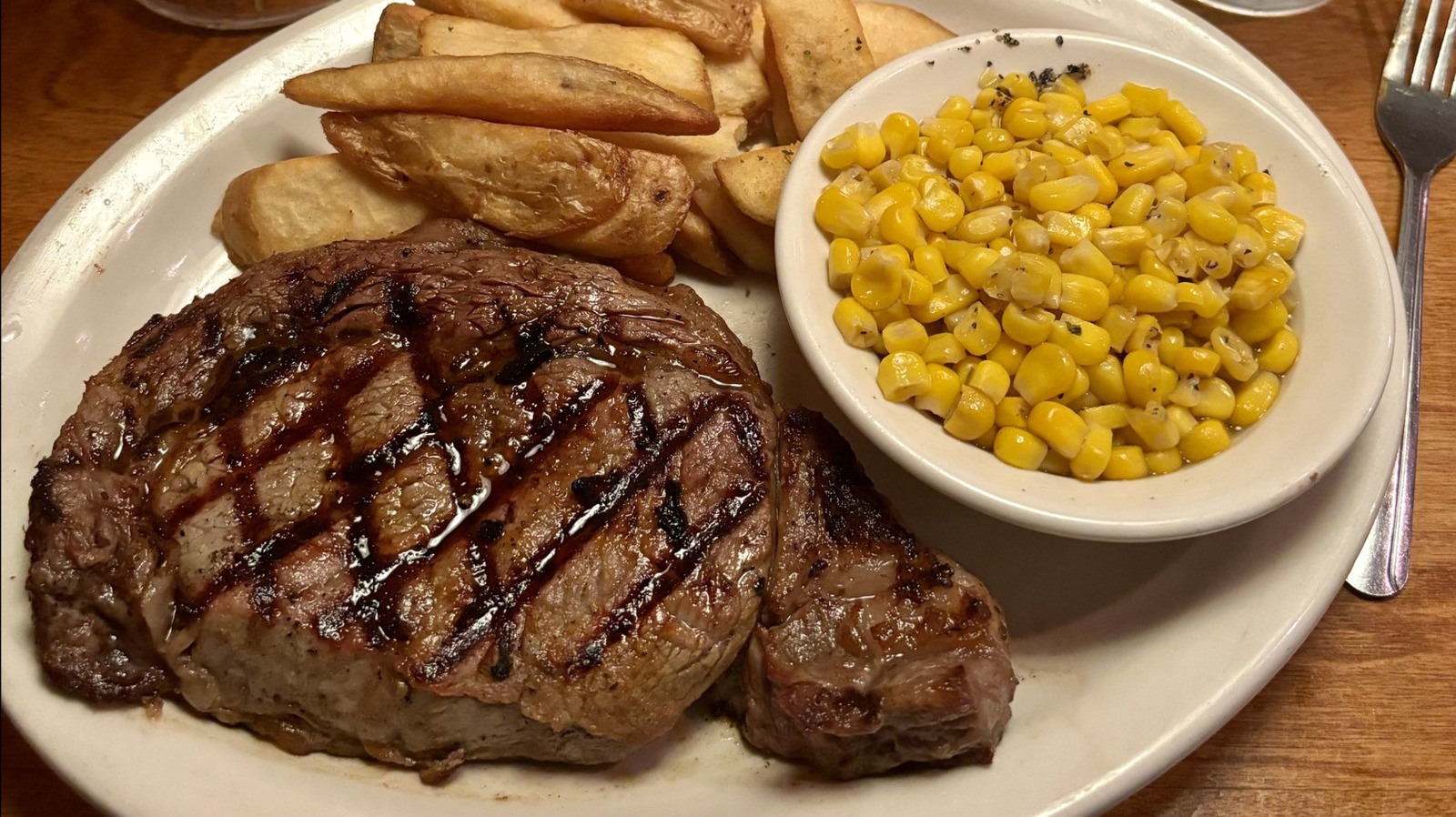
This exploration delves into the origins of Texas Roadhouse steaks, unraveling the intricate network that brings these prime cuts from farm to table. We’ll examine their sourcing philosophy, the types of beef they champion, and the rigorous standards that ensure every steak served meets the chain’s high expectations. Understanding this process not only satisfies a common diner’s query but also offers a fascinating glimpse into the operational backbone of a successful casual dining establishment, touching upon themes relevant to travel, tourism, and the lifestyle of experiencing authentic American cuisine.
The Foundation of Flavor: Texas Roadhouse’s Sourcing Philosophy
At the heart of Texas Roadhouse’s success is its unwavering dedication to providing high-quality steaks at an affordable price. This isn’t an accident; it’s a deliberate strategy rooted in their sourcing philosophy. Unlike some high-end steakhouses that might focus on exclusive, single-origin beef, Texas Roadhouse has built its reputation on a more accessible yet still superior product. Their approach is multifaceted, focusing on key pillars that ensure consistency and taste across their hundreds of locations nationwide.
Selecting the Best Cuts: A Commitment to Quality
Texas Roadhouse emphasizes what they call “hand-cut steaks.” This isn’t just marketing jargon; it signifies a commitment to butchering their beef in-house, allowing for greater control over the quality and consistency of the cuts presented to their customers. While the exact sourcing partners might vary regionally and evolve over time, the underlying principle remains constant: to procure beef that is well-marbled, tender, and flavorful.
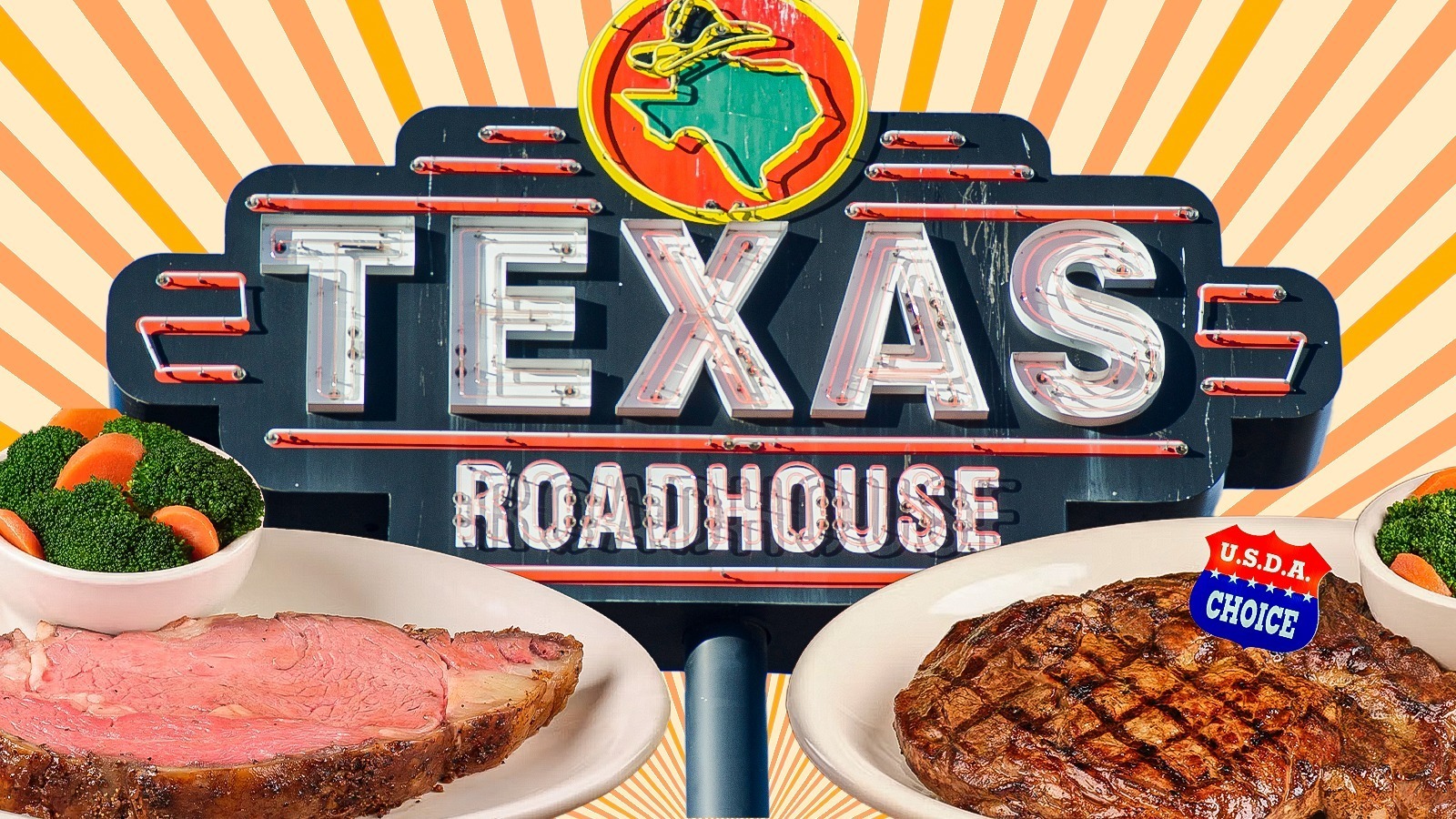
The majority of Texas Roadhouse’s steaks are USDA (United States Department of Agriculture) inspected and graded. The USDA grading system is a crucial indicator of beef quality, with “Prime” being the highest grade, followed by “Choice” and “Select.” While Texas Roadhouse doesn’t exclusively use USDA Prime, they aim for cuts that fall within the USDA Choice or Select grades, ensuring a good balance of tenderness, juiciness, and flavor for the everyday diner. This focus on USDA standards provides a reliable benchmark for quality, giving diners confidence in the product they are receiving.
Their most popular cuts, such as the Dallas Filet, Sirloin, Ribeye, and Porterhouse, are carefully selected to meet specific criteria. The marbling – the flecks of fat within the muscle – is a key factor. Good marbling melts during cooking, adding moisture and flavor, which is essential for a tender and delicious steak. By managing the butchering process in-house, Texas Roadhouse can inspect each primal cut and trim it to their precise specifications, ensuring that the steaks served at every restaurant are as close to identical in quality and appearance as possible. This attention to detail is a cornerstone of their operational efficiency and customer satisfaction, much like a well-run hotel ensures consistent room quality regardless of location.
The Importance of Partnering with Reputable Suppliers
Texas Roadhouse doesn’t raise its own cattle. Instead, they rely on a network of trusted beef suppliers. These suppliers are typically large-scale processors and distributors who have established relationships with ranches across the United States. The company works closely with these partners to ensure that the beef meets their stringent requirements. This collaboration involves regular communication, site visits, and adherence to specific quality control protocols.
The company’s commitment to freshness is also paramount. Steaks are delivered to individual restaurants frequently, often multiple times a week, minimizing the time spent in transit and storage. This ensures that the beef is as fresh as possible when it’s hand-cut by the in-house butcher. This logistical precision is akin to how a successful travel agency manages bookings and itineraries, ensuring timely arrivals and seamless experiences for their clients.
While Texas Roadhouse is a national chain, the specific origins of their beef can vary. The United States has vast cattle-raising regions, and different suppliers may source from ranches in states like Montana, Nebraska, Kansas, or Texas itself, among others. The company’s focus is less on a singular geographic origin and more on the quality of the beef produced, regardless of its specific ranch. This broad sourcing strategy allows them to maintain a consistent supply while also potentially benefiting from regional specialties and seasonal availability, much like a global hotel chain might leverage local produce for its restaurants.
Beyond the Butcher: The Journey of a Texas Roadhouse Steak
Understanding where Texas Roadhouse gets its steaks also involves appreciating the entire journey from the farm to the plate. This process is meticulously managed to preserve the quality and integrity of the beef. It’s a complex logistical undertaking that mirrors the planning and execution required for a successful tourism venture, where every step is critical for the end experience.
From Ranch to Processing: The Initial Stages
The journey begins on cattle ranches, where the animals are raised. These ranches, often family-owned operations, adhere to specific feeding and care practices. The cattle are typically fed a diet of grains, such as corn and soybeans, which contributes to the marbling and tenderness of the beef. Texas Roadhouse and its suppliers work with ranches that follow humane animal handling practices and maintain high standards of animal husbandry.
Once the cattle reach maturity, they are sent to processing facilities. Here, the animals are humanely slaughtered, and the beef is expertly broken down into primal cuts. These primal cuts are then further processed, trimmed, and packaged. It is at this stage that Texas Roadhouse’s direct involvement becomes more pronounced. They work with processors who understand their specifications for fat content, trimming, and packaging to ensure optimal freshness and quality upon arrival at the restaurants.
The Role of Distribution and Restaurant-Level Preparation
From the processing plants, the beef is distributed to Texas Roadhouse restaurants. This distribution network is a critical component of their supply chain, ensuring timely and efficient delivery. Restaurants receive their beef in refrigerated trucks, maintaining the cold chain necessary to preserve its quality.
Upon arrival at the restaurant, the steaks are immediately placed under refrigeration. This is where the “hand-cut” aspect comes into play. Each Texas Roadhouse location has an on-site butcher who receives the primal cuts and then meticulously cuts them into the specific portions and shapes that are served to customers. This includes steaks like the New York Strip, Filet Mignon, and Ribeye. This in-house butchering process is a significant differentiator, allowing for a level of control over the final product that is difficult to achieve if steaks were pre-portioned at a central facility.
The butcher also trims any excess fat, ensuring that each steak presented to the diner is of the highest visual and culinary standard. This dedication to in-house preparation is not just about cost savings; it’s about maintaining a hands-on approach to quality that aligns with the chain’s rustic, down-to-earth brand image. It’s similar to how a boutique hotel might focus on local artisans for its decor, creating a unique and authentic experience.
Savoring the Experience: Connecting Steak Origins to Lifestyle and Tourism
The question of “Where does Texas Roadhouse get their steaks?” extends beyond a simple supply chain inquiry. It touches upon the broader themes of food sourcing, agricultural practices, and the overall lifestyle and tourism experiences that revolve around enjoying American cuisine. Understanding the origins of our food can enrich our appreciation for the dishes we consume, much like learning about the history of a landmark or the local culture of a destination adds depth to travel.
The Agricultural Heart of America and Culinary Tourism
The cattle ranches and processing facilities that supply Texas Roadhouse are integral parts of the American agricultural landscape. For those interested in food tourism, exploring regions known for their cattle ranching, like the Great Plains or parts of the Midwest, can be a fascinating experience. While Texas Roadhouse itself doesn’t offer tours of these facilities, an appreciation for the journey of their steaks connects diners to this vital industry. This connection can be a part of a broader lifestyle that values farm-to-table principles, even in a casual dining setting.
This appreciation for quality ingredients extends to other aspects of travel and lifestyle. Whether one is exploring the vibrant food scene in New Orleans, seeking out the best seafood on the California coast, or enjoying a vineyard tour in Napa Valley, the underlying principle of seeking out quality and authenticity remains the same. Texas Roadhouse’s commitment to good beef, while straightforward, contributes to this larger narrative of enjoying American food traditions.

Consistency in Dining: A Key to Casual Travel
For many, Texas Roadhouse represents a reliable and enjoyable dining option, especially when traveling. The assurance that you will receive a consistently good steak, regardless of whether you are in Orlando, Florida, or Denver, Colorado, is a significant draw. This consistency is a hallmark of well-managed chain restaurants and is crucial for casual travelers seeking familiar comfort food.
This reliability in dining mirrors the experience offered by reputable hotel chains. When booking a room at a Hyatt Regency or a Marriott, guests often expect a certain standard of service, amenities, and cleanliness. Similarly, diners choose Texas Roadhouse for the expectation of a good steak, generous portions, and a lively atmosphere. This consistency contributes to a positive overall travel experience, allowing visitors to focus on exploring attractions and enjoying their chosen destination without worrying about the quality of their next meal.
In conclusion, the steaks at Texas Roadhouse are a product of a well-defined and rigorously managed supply chain. They are sourced from reputable suppliers across the United States, emphasizing USDA-graded beef with good marbling. The commitment to in-house butchering further ensures the quality and consistency of every cut served. This dedication to the fundamentals of steak production allows Texas Roadhouse to deliver on its promise of a hearty, flavorful, and satisfying dining experience, making it a dependable choice for locals and travelers alike.
LifeOutOfTheBox is a participant in the Amazon Services LLC Associates Program, an affiliate advertising program designed to provide a means for sites to earn advertising fees by advertising and linking to Amazon.com. Amazon, the Amazon logo, AmazonSupply, and the AmazonSupply logo are trademarks of Amazon.com, Inc. or its affiliates. As an Amazon Associate we earn affiliate commissions from qualifying purchases.