
The majestic landscapes of Colorado, with their towering peaks, verdant forests, and pristine wilderness, evoke images of wild frontiers where nature reigns supreme. For many adventurous travelers, the idea of encountering North America’s iconic megafauna, particularly bears, is both a thrilling prospect and a serious consideration when planning a trip. But when we speak of bears in the Rocky Mountains of Colorado, which species are we truly referring to? The question, “Are there brown bears in Colorado?” is frequently asked by visitors eager to explore the state’s natural beauty and understand its wildlife. The short answer to this intriguing query is generally no, not in the contemporary wild sense. The legendary grizzly, a subspecies of the brown bear, no longer roams the vast expanses of Colorado. However, this doesn’t mean the state is devoid of bears. On the contrary, Colorado is home to a thriving population of black bears, offering a different, yet equally compelling, wildlife experience for tourists and nature enthusiasts.
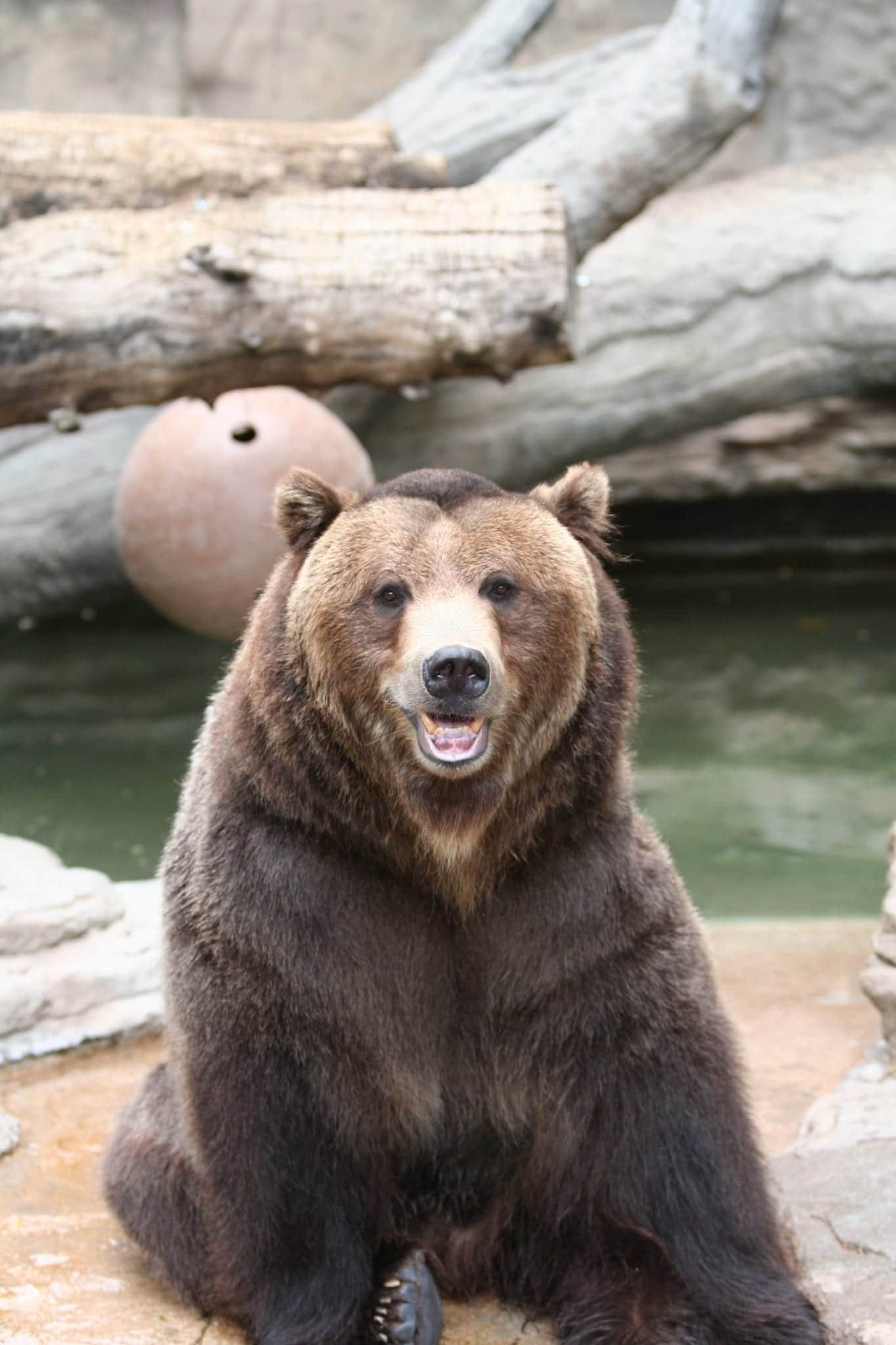
Understanding the distinction between brown bears (grizzlies) and black bears is crucial for any visitor to Colorado. While both are formidable creatures, their behavior, habitats, and historical presence in the state tell vastly different stories. For those planning a journey that embraces the wild heart of Colorado, whether it’s a rugged backpacking expedition, a stay at a luxurious mountain resort, or a family camping trip, knowing the local wildlife is paramount. This knowledge enhances safety, fosters appreciation for the ecosystem, and enriches the overall travel experience, transforming a simple vacation into an unforgettable adventure steeped in natural wonder and responsible tourism.
The Historical Presence of Grizzlies in Colorado
The history of brown bears, specifically the grizzly subspecies (Ursus arctos horribilis), in Colorado is a tale woven into the fabric of the American West’s wilderness. These magnificent apex predators once roamed freely across vast swathes of the state’s mountainous terrain, embodying the untamed spirit of the frontier. Their presence was a testament to the rich biodiversity and untouched ecosystems that characterized the region centuries ago. For early explorers, trappers, and settlers, encountering a grizzly was a profound and often terrifying experience, cementing their reputation as symbols of the wild.
A Legacy of Wilderness and Eradication
Grizzly bears were an integral part of Colorado’s original ecosystem, playing a vital role as keystone species. Their historical range extended throughout the Rocky Mountains and beyond, encompassing what is now Colorado, Wyoming, Montana, and other western states. These powerful animals thrived in diverse habitats, from high alpine meadows to dense forests, foraging on berries, roots, fish, and larger game. However, with the arrival of European settlers in the 19th century, the fate of the grizzly began to change dramatically.
As human populations expanded, bringing with them ranching, mining, and agriculture, conflicts between humans and grizzlies became increasingly common. Grizzlies, often perceived as threats to livestock and human safety, were aggressively hunted. Their large size, imposing presence, and occasional predatory behavior made them targets of eradication campaigns. Coupled with habitat loss and fragmentation due to development, the grizzly population in Colorado experienced a rapid and tragic decline. By the early 20th century, their numbers had dwindled to near extinction within the state’s borders. This period serves as a stark reminder of the profound impact human activity can have on native wildlife and fragile ecosystems.
The Last Confirmed Sighting
The narrative of the grizzly in Colorado culminated in a singular, poignant event that has become a legend among wildlife enthusiasts and historians. The last confirmed grizzly sighting in Colorado occurred in 1979 in the San Juan Mountains in the southwestern part of the state. A hunting guide named Ed Wiseman, accompanied by his client, encountered and ultimately killed what was later confirmed to be a female grizzly bear. This incident was highly controversial and sparked widespread discussion about the potential survival of a remnant grizzly population in the remote wilderness of Colorado.
Scientific analysis of the bear confirmed it was indeed a grizzly, putting an end to decades of speculation. This event underscored the extreme rarity of grizzlies in Colorado and solidified the understanding that any surviving population, if it existed at all, was critically endangered. Since that time, despite occasional unsubstantiated reports, no further confirmed sightings of grizzlies have occurred in Colorado. Today, the state’s wildlife management agencies and conservation groups widely consider the grizzly bear to be extirpated from [Colorado](https://lifeoutofthebox.com/colorado], meaning they no longer exist in the wild within its borders. While grizzlies continue to thrive in more northern strongholds like Yellowstone National Park, Grand Teton National Park, and Glacier National Park, their chapter in the Colorado wilderness has, for now, come to a close. This historical context is vital for travelers seeking to understand the natural heritage of Colorado and appreciate the conservation efforts dedicated to its remaining wildlife.
Colorado’s Current Bear Population: The Dominance of Black Bears
While the grizzly bear is a creature of the past in Colorado, the state’s wilderness is far from bear-less. Colorado boasts a robust and healthy population of American black bears (Ursus americanus). These intelligent and adaptable animals are the state’s only remaining bear species and are a common sight for observant visitors exploring the mountains and forests. For anyone planning a trip focused on wildlife viewing, outdoor adventure, or simply enjoying the natural beauty of Colorado, understanding black bears is essential. They represent a significant draw for tourism, offering unique wildlife experiences while also necessitating responsible behavior from travelers.
Understanding Colorado’s Black Bears
Black bears are remarkably versatile and inhabit a wide range of ecosystems across Colorado. From the pinyon-juniper woodlands of the lower elevations to the dense conifer forests and aspen groves of the subalpine zone, these bears have adapted to diverse environments. Despite their name, black bears are not always black; their fur can range in color from cinnamon brown to blonde, and even sometimes blue-black. This color variation can sometimes lead to confusion with grizzly bears, particularly for inexperienced observers. However, key physical differences exist: black bears typically have a straight facial profile, smaller shoulder humps, and longer, more pointed ears compared to grizzlies. They are also generally smaller than grizzlies, though adult males can still be quite large.
Black bears are primarily omnivores, with their diet consisting largely of vegetation, berries, nuts, insects, and carrion. They are opportunistic feeders and highly intelligent, which sometimes leads them into conflict with humans, especially when food sources are scarce or accessible human foods become available. This adaptability is a double-edged sword: it allows them to thrive, but also makes them susceptible to human influence. Colorado Parks and Wildlife actively manages black bear populations, focusing on reducing human-bear conflicts through education, deterrents, and, when necessary, relocation. For tourists, recognizing the presence of black bears means adopting “bear-aware” practices, which are critical for both human safety and bear conservation. This proactive approach ensures that visitors can enjoy Colorado’s natural attractions while minimizing negative impacts on its treasured wildlife.
Where to Spot Black Bears in Colorado
For travelers hoping to catch a glimpse of Colorado’s black bears, certain areas offer better opportunities, especially during specific times of the year. While black bears are distributed throughout much of the state’s forested and mountainous regions, areas with abundant food sources and less human disturbance are prime locations.
- Rocky Mountain National Park: This iconic Colorado landmark is a haven for diverse wildlife, including black bears. While bears here tend to be more elusive, particularly in high-traffic areas, patient observers might spot them in remote valleys or foraging in berry patches. It’s a premier destination for nature lovers and offers a wide range of trails and viewpoints.
- National Forests and Colorado State Parks: Extensive areas like the White River National Forest, San Isabel National Forest, and Grand Mesa National Forest provide vast habitats for black bears. Camping in these National Forests or staying in cabins within or near state parks such as Golden Gate Canyon State Park or Mueller State Park increases the chances of an encounter. These areas are popular for hiking, fishing, and rustic accommodation options.
- Mountain Towns and Resorts: Towns nestled within bear habitat, such as Aspen, Vail, Telluride, Durango, and Ouray, often report bear sightings, particularly in spring and fall when bears are actively foraging. While seeing a bear near a resort or town can be exciting, it also highlights the importance of securing food and trash to prevent habituation. Many hotels and resorts in these areas, like the Four Seasons Resort and Residences Vail or The St. Regis Aspen Resort, are increasingly implementing bear-resistant measures.
- Great Sand Dunes National Park and Preserve: While famous for its towering dunes, the preserve portion of the park, which includes forested mountains, is also home to black bears.
The best times to spot bears are typically at dawn and dusk, when they are most active. Spring, after they emerge from hibernation, and fall, during hyperphagia (intense feeding before hibernation), are particularly good seasons. Many organized wildlife tours in areas like Estes Park (gateway to Rocky Mountain National Park) or near Durango offer guided excursions that maximize opportunities for safe and ethical wildlife viewing. These tours often provide not just a chance to see bears but also to learn about their behavior and the local ecosystem, enhancing the overall tourism experience.
Essential Bear Safety for Visitors to Colorado
Encountering a bear in its natural habitat is an unforgettable experience, a true highlight for any wildlife enthusiast. However, it’s imperative that such encounters are safe for both humans and bears. Colorado’s black bear population thrives across the state’s wilderness, meaning visitors engaging in outdoor activities, from hiking and camping to simply enjoying a scenic drive, must be “bear aware.” This is a cornerstone of responsible travel and tourism in any wild destination. Understanding and practicing bear safety is not only about personal protection but also about preserving the bears themselves, preventing conflicts that can lead to tragic outcomes for these magnificent animals.
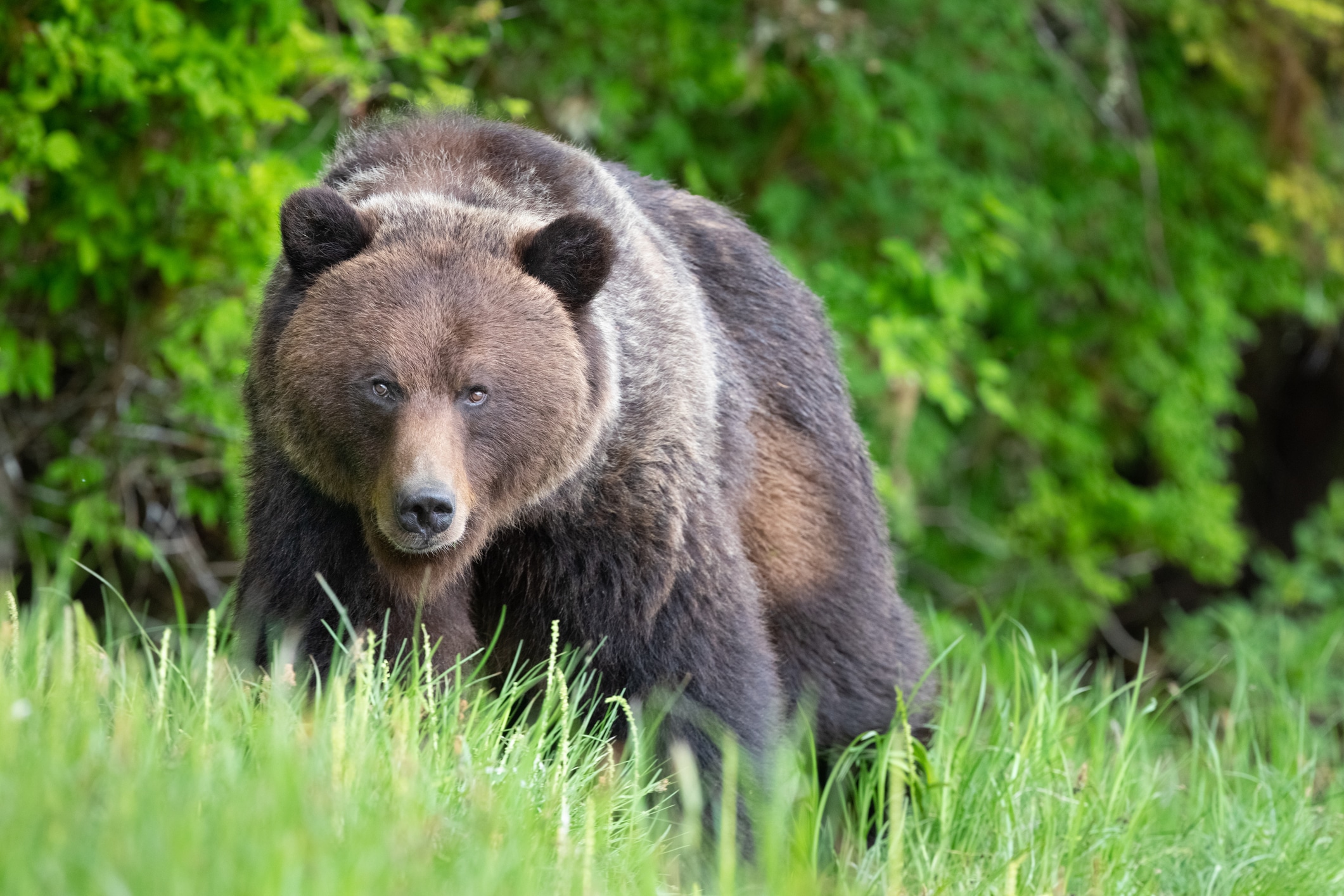
Preventing Encounters: Key Practices
The most effective way to manage bear encounters is to prevent them from happening in the first place. This requires proactive planning and adherence to established safety guidelines:
- Store Food Properly: Bears have an incredibly keen sense of smell and are highly attracted to human food, pet food, and even toiletries. When camping, use bear-resistant containers (bear canisters), store food in a vehicle, or hang it from a tree limb at least 10 feet off the ground and 4 feet from the trunk. Never leave food unattended, even for a moment. This also applies to day-trippers: pack out all trash and food scraps.
- Keep a Clean Camp/Area: Food odors linger, so clean up all spills immediately. Do not cook or eat in your tent. Keep cooking areas separate from sleeping areas. This is especially vital in National Forests and Colorado State Parks where amenities might be more rustic.
- Hike Smart: Make noise while hiking, especially in dense brush or around blind corners, to avoid surprising a bear. Hikers often use bells or simply talk loudly. Avoid hiking alone, particularly at dawn, dusk, or night when bears are most active. Stay on marked trails and be observant of your surroundings for signs of bear activity, such as scat, tracks, or overturned rocks.
- Control Pets: Keep dogs on a leash. An unleashed dog can provoke a bear or lead a bear back to its owner.
- Carry Bear Spray: Learn how to properly use bear spray and carry it readily accessible, not packed away in a backpack. Bear spray is a highly effective deterrent when used correctly.
These practices are not just suggestions; they are vital for ensuring that your travel experiences in Colorado’s natural attractions remain positive and safe, supporting the principles of sustainable tourism.
What to Do in a Bear Encounter
Despite best efforts, encounters can happen. Knowing how to react is critical:
- Stay Calm: Do not run. Running can trigger a chase response in bears.
- Identify Yourself: Let the bear know you are human. Talk in a calm, assertive voice. Wave your arms slowly above your head to appear larger.
- Back Away Slowly: Slowly back away, never turning your back on the bear. Give the bear space to retreat.
- Do Not Approach: Never approach a bear, especially a sow with cubs or a bear feeding on a carcass. Maintain a safe distance.
- Fight Back (Black Bear): If a black bear attacks, fight back aggressively. Use anything at your disposal – rocks, sticks, your fists. Black bear attacks are rare and usually defensive; fighting back demonstrates you are not prey. (This differs significantly from grizzly bear protocol, where playing dead is often recommended).
- Use Bear Spray: If the bear charges or attacks, deploy bear spray when it is within 25-30 feet, aiming for the face.
Bear-Aware Practices for Accommodation and Camping
For travelers choosing different forms of accommodation, bear safety extends beyond the trail:
- Hotels and Resorts: Even in mountain towns like Breckenridge, Vail, or Aspen, bears can roam. Secure food inside your room, keep windows and doors closed, and report any bear sightings to hotel staff. Many luxury resorts, like The Broadmoor or Keystone Resort, now include bear safety information in their guest guides, reflecting the importance of local wildlife awareness in their amenity offerings.
- Cabins and Vacation Rentals: If staying in a rental in a forested area, ensure all trash is in bear-resistant containers or secured indoors. Do not leave pet food or BBQ grills out overnight.
- Camping: This is where bear safety is most crucial. Choose designated campgrounds with bear-resistant food lockers when available. Follow all campground regulations regarding food storage and waste disposal. Many popular spots in Rocky Mountain National Park or sites managed by the Bureau of Land Management require specific bear-resistant equipment for backcountry camping.
By integrating these practices into your travel itinerary, you contribute to the harmonious coexistence of humans and wildlife, ensuring that Colorado remains a premier destination for natural beauty and unforgettable experiences for generations to come.
Colorado: A Premier Destination for Wildlife and Nature Enthusiasts
Colorado stands as a beacon for adventurers, nature lovers, and anyone seeking a profound connection with the outdoors. While the quest for grizzlies might be a historical footnote, the state’s vibrant ecosystem, teeming with black bears and a multitude of other fascinating creatures, solidifies its reputation as a world-class destination for wildlife viewing and unparalleled natural experiences. From the cosmopolitan flair of Denver to the serene majesty of its national parks, Colorado offers a lifestyle that blends luxury travel with rugged exploration, making it a compelling choice for a diverse range of tourists.
Beyond Bears: Diverse Wildlife Experiences
The wildlife in Colorado extends far beyond its black bear population, offering a rich tapestry of animal life that captivates visitors. The state’s diverse landscapes—ranging from alpine tundra to semi-arid deserts—create habitats for an incredible array of species:
- Elk and Deer: Colorado is famous for its massive elk herds, particularly evident during the fall rut when their bugling calls echo through the valleys. Rocky Mountain National Park and the surrounding areas near Estes Park are prime locations for viewing these majestic animals, alongside various species of deer.
- Bighorn Sheep: Colorado’s state animal, the bighorn sheep, can often be spotted on steep, rocky cliffs in areas like Pikes Peak or along the Arkansas River.
- Moose: Once rare, moose populations have steadily increased, particularly in the northern and central Colorado high country, around areas like State Forest State Park and Grand Lake.
- Mountain Lions: While incredibly elusive, these powerful predators are present throughout the state’s wilderness, though sightings are rare.
- Birds of Prey: Colorado is a birder’s paradise, with opportunities to see bald eagles, golden eagles, various hawks, and owls.
- Smaller Mammals: Marmots, pikas, coyotes, foxes, and numerous rodents populate the diverse ecosystems.
These wildlife viewing opportunities are not just for seasoned naturalists; they are accessible to families on trips, luxury travelers staying in high-end resorts, and budget travelers exploring national parks. The sheer diversity ensures that every visitor can find an animal encounter that resonates with them.
Planning Your Colorado Wildlife Adventure
Planning a trip to Colorado with wildlife as a focal point requires consideration of travel logistics, accommodation choices, and local tourism offerings.
- Destinations: Beyond Rocky Mountain National Park, explore less crowded gems like Mesa Verde National Park (known for its cultural history but also diverse wildlife), Black Canyon of the Gunnison National Park, or the vast expanses of National Forests and Bureau of Land Management lands. Each offers unique landscapes and wildlife populations.
- Accommodation: Colorado caters to every budget and style.
- Luxury Resorts: Towns like Aspen, Vail, and Telluride boast world-class hotels and resorts such as The Ritz-Carlton, Bachelor Gulch or Hotel Jerome, Auberge Resorts Collection, offering opulent suites, fine dining, and guided experiences that can include wildlife photography tours.
- Boutique Hotels and Inns: Quaint towns like Ouray, Durango, or Estes Park offer charming accommodations that provide a local culture immersion.
- Cabins and Vacation Rentals: For a more secluded experience or longer stays, renting a cabin near a national forest or state park provides ample opportunities for wildlife sightings right from your porch. Websites like VRBO or Airbnb offer countless options.
- Camping: For budget-conscious travelers or those seeking the deepest immersion, Colorado’s campgrounds, from developed sites in national parks to primitive backcountry spots, are abundant. Remember to adhere strictly to bear-aware camping rules.
- Guided Tours and Experiences: Consider booking wildlife tours, photography workshops, or backcountry excursions with experienced local guides. These experts can lead you to prime viewing spots, provide valuable insights into animal behavior, and ensure safety.
- Best Time to Visit: Spring and fall often yield the best wildlife viewing, as animals are more active and less obscured by summer foliage or heavy winter snows. Each season, however, offers a unique experience of Colorado’s natural beauty.

Sustainable Tourism and Wildlife Preservation
As a premier destination, Colorado also emphasizes responsible and sustainable tourism. The health of its ecosystems and wildlife populations is directly linked to visitor behavior. Engaging in ethical wildlife viewing practices—maintaining respectful distances, never feeding animals, and packing out everything you pack in—is crucial. Many tourism initiatives, such as those promoted by Visit Colorado or Colorado Tourism Office, focus on educating visitors about the importance of conservation. By choosing accommodations that prioritize eco-friendly practices, supporting local businesses, and leaving no trace, travelers contribute positively to the preservation of Colorado’s natural heritage. This commitment ensures that the majestic scenery, diverse wildlife, and unparalleled outdoor experiences will remain for future generations, continuing to draw visitors who seek adventure, tranquility, and a deeper connection with the wild spirit of the Rocky Mountains.
LifeOutOfTheBox is a participant in the Amazon Services LLC Associates Program, an affiliate advertising program designed to provide a means for sites to earn advertising fees by advertising and linking to Amazon.com. Amazon, the Amazon logo, AmazonSupply, and the AmazonSupply logo are trademarks of Amazon.com, Inc. or its affiliates. As an Amazon Associate we earn affiliate commissions from qualifying purchases.