
The allure of Alaska is undeniable. Vast, untamed wilderness, breathtaking natural beauty, and a lifestyle far removed from the hustle and bustle of more populated areas – it’s a dream destination for many. But what if the dream extended beyond a visit? What if there was a tangible incentive to actually live in the Last Frontier? The question “Does the State of Alaska pay you to live there?” has circulated for years, often fueled by whispers of oil revenue and resident dividends. While the reality is more nuanced than a simple paycheck, Alaska does indeed offer a unique financial benefit to its residents, intrinsically tied to its rich natural resources. This program, the Alaska Permanent Fund Dividend, is a cornerstone of Alaskan residency and a significant aspect of its lifestyle.
Understanding the Alaska Permanent Fund Dividend
At its core, the Alaska Permanent Fund is a sovereign wealth fund established in 1976. Its purpose is to invest state revenues derived from oil taxes and royalties, ensuring that the wealth generated by Alaska’s natural resources benefits all Alaskans, not just current generations. The fund is constitutionally dedicated to investing for the benefit of present and future Alaskans. A portion of the annual earnings from this fund is then distributed to eligible residents in the form of the Permanent Fund Dividend, or PFD. This makes Alaska one of the few places in the world where citizens receive a direct financial return from their state’s natural wealth.
How the Dividend Works
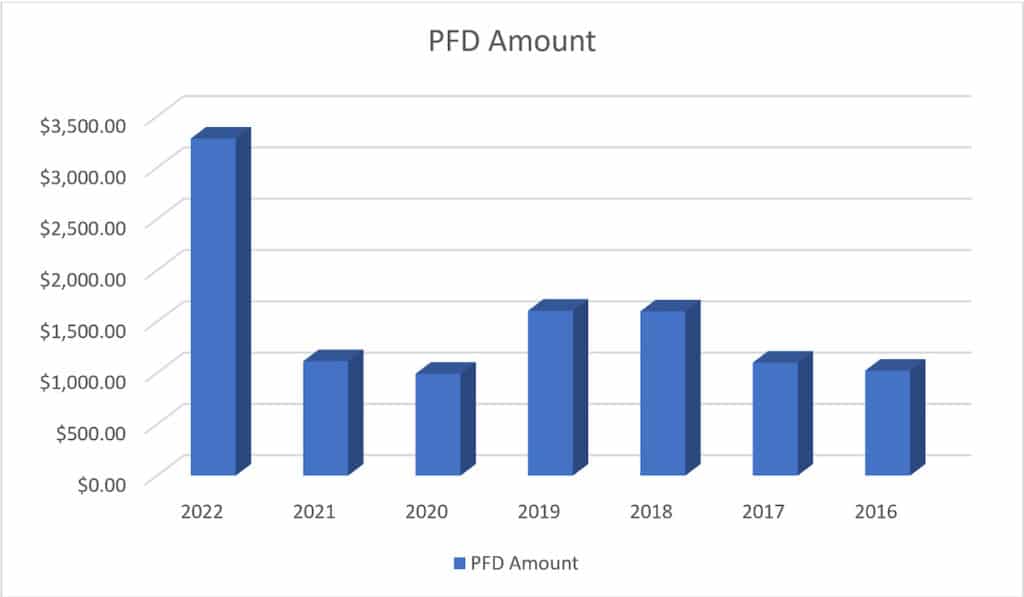
The amount of the annual dividend fluctuates. It is determined by a formula that considers the earnings of the Alaska Permanent Fund over a five-year period, less an amount set aside for the state’s constitutional budget reserve. This means the dividend amount can vary significantly from year to year. For instance, in some years, residents have received over $3,000 per person, while in others, the amount has been considerably less. The eligibility requirements for the PFD are relatively straightforward: a person must be a bona fide resident of Alaska for at least one calendar year prior to applying, and they must have the intent to remain a resident indefinitely. They also cannot be claimed as a dependent on another person’s tax return, and they cannot be incarcerated.
The application process is typically done online, and it’s an annual event that many Alaskans anticipate. The PFD is not a handout; it’s a direct return on investment for residents who call Alaska home. The funds can be used for anything the recipient desires, from covering essential living expenses to investing in a local business, saving for the future, or simply enjoying the unique lifestyle that Alaska offers. This financial injection into the local economy is a significant factor for many individuals and families considering a move to the state, and it shapes the economic landscape for those already living there.
Alaska: More Than Just the Dividend
While the Permanent Fund Dividend is a compelling reason to consider residency, it’s crucial to understand that Alaska is far more than just the PFD. The state boasts a unique lifestyle shaped by its dramatic geography, rich indigenous cultures, and a spirit of resilience and self-sufficiency. For those drawn to the idea of living in a place where nature reigns supreme, Alaska offers an unparalleled experience.
Exploring the Alaskan Lifestyle
Life in Alaska is inextricably linked to the natural environment. From the towering peaks of the Alaska Range to the shimmering waters of Bering Sea, the state provides a constant backdrop of awe-inspiring landscapes. This connection to nature fosters a lifestyle that often prioritizes outdoor activities. Whether it’s hiking through national parks like Denali National Park and Preserve, fishing in pristine rivers, or simply enjoying the long summer days with their extended daylight hours, outdoor recreation is a way of life for many.
Cities like Anchorage, the state’s largest, offer a blend of urban amenities with easy access to the wilderness. Here, you can find a variety of accommodations, from modern hotels like the Captain Cook Hotel to more intimate inns. Fairbanks, situated further inland, offers a different perspective, with its own unique attractions, including opportunities to witness the ethereal Aurora Borealis, a spectacle that draws tourists from around the globe. For those seeking a more remote experience, towns like Juneau, the capital, accessible only by air or sea, offer a glimpse into a more isolated and rugged way of living.

The cost of living in Alaska can be higher than in many other parts of the United States, particularly for goods that need to be shipped in. However, the PFD can help offset these costs. Furthermore, many Alaskans find ways to live sustainably, whether through gardening, hunting, or fishing, which can contribute to reducing everyday expenses. The sense of community in Alaska is often strong, with neighbors relying on each other, especially in more remote areas.
Tourism and Local Culture
Alaska is also a prime destination for tourism, and understanding this aspect of the state can provide insights into its culture and economy. The influx of visitors during the warmer months supports numerous businesses, from tour operators offering cruises through the Inside Passage to lodges and resorts providing comfortable stays for travelers. Destinations like Ketchikan, known for its totem poles, and Skagway, steeped in Gold Rush history, offer unique cultural experiences.
The indigenous cultures of Alaska, including the Inupiat, Yup’ik, Tlingit, Haida, and Tsimshian peoples, are an integral part of the state’s identity. Their traditions, art, and history are celebrated and preserved, offering visitors and residents alike a deeper understanding of the land and its people. Exploring local museums, attending cultural festivals, and engaging with local communities can be incredibly enriching experiences.
When it comes to accommodation, Alaska offers a wide range of options. From luxury resorts like the Canyon Lodge in Denali National Park to cozy cabins and bed and breakfasts, there are choices to suit every budget and travel style. For longer-term stays or those seeking a more independent experience, apartments and rental homes are available in the larger cities. The unique nature of Alaska also means that some accommodations are only accessible seasonally or by specific modes of transport, adding to the adventure of planning a trip or a move.
The Economic Impact of the PFD
The Alaska Permanent Fund Dividend is more than just a personal windfall; it has a significant impact on the state’s economy. Studies have consistently shown that the PFD is largely spent within Alaska, circulating through local businesses. This spending supports jobs, boosts retail sales, and contributes to the overall economic health of communities across the state.
PFD and its Role in the Economy
The distribution of the PFD acts as a regular stimulus to the Alaskan economy. For many residents, particularly those in lower-income brackets, the dividend is essential for meeting daily needs, paying bills, and purchasing groceries. For others, it provides discretionary income that can be used for leisure activities, travel within the state, or even starting small businesses. This consistent injection of cash into the economy helps to stabilize demand, especially during periods when other sectors might be experiencing downturns.
The program also plays a role in population retention and attraction. While Alaska faces challenges in attracting and keeping residents due to its remote location and harsh climate, the PFD offers a tangible benefit that can tip the scales for some individuals and families considering a move. It acts as an incentive to establish residency and remain in the state. This is particularly relevant for people looking for a lifestyle change, perhaps seeking a more balanced existence or a connection with nature that Alaska uniquely provides.
Considerations for Potential Residents
For anyone contemplating a move to Alaska, it’s important to research thoroughly. While the PFD is a significant perk, understanding the cost of living, employment opportunities in your field, and the realities of life in a region with limited daylight in winter and extreme weather conditions is crucial. Websites offering travel guides, accommodation comparisons, and insights into local lifestyles can be invaluable resources. Exploring different regions within Alaska, from the bustling urban center of Anchorage to the more serene landscapes around Homer, will reveal diverse living experiences.
The allure of receiving money from the state to live in Alaska is real, thanks to the Alaska Permanent Fund Dividend. It’s a unique financial benefit that underscores the state’s commitment to sharing its natural wealth with its people. However, it’s just one piece of a larger puzzle that includes a breathtaking natural environment, a distinct lifestyle, and a resilient community. For those who embrace the challenges and rewards of living in the Last Frontier, Alaska offers an experience unlike any other.
LifeOutOfTheBox is a participant in the Amazon Services LLC Associates Program, an affiliate advertising program designed to provide a means for sites to earn advertising fees by advertising and linking to Amazon.com. Amazon, the Amazon logo, AmazonSupply, and the AmazonSupply logo are trademarks of Amazon.com, Inc. or its affiliates. As an Amazon Associate we earn affiliate commissions from qualifying purchases.