
Hawaii, a chain of islands renowned for its breathtaking natural beauty, lush landscapes, and vibrant Polynesian culture, offers a unique travel experience. From the fiery peaks of the Big Island to the verdant valleys of Kauai, this Pacific paradise captivates visitors with its pristine beaches, diverse marine life, and the spirit of Aloha. However, amidst this idyllic setting, one striking absence often sparks curiosity: the lack of native snakes. While many tropical destinations are synonymous with an abundance of reptiles, including venomous serpents, Hawaii remains remarkably snake-free, a peculiar fact that adds another layer to its fascinating natural history.
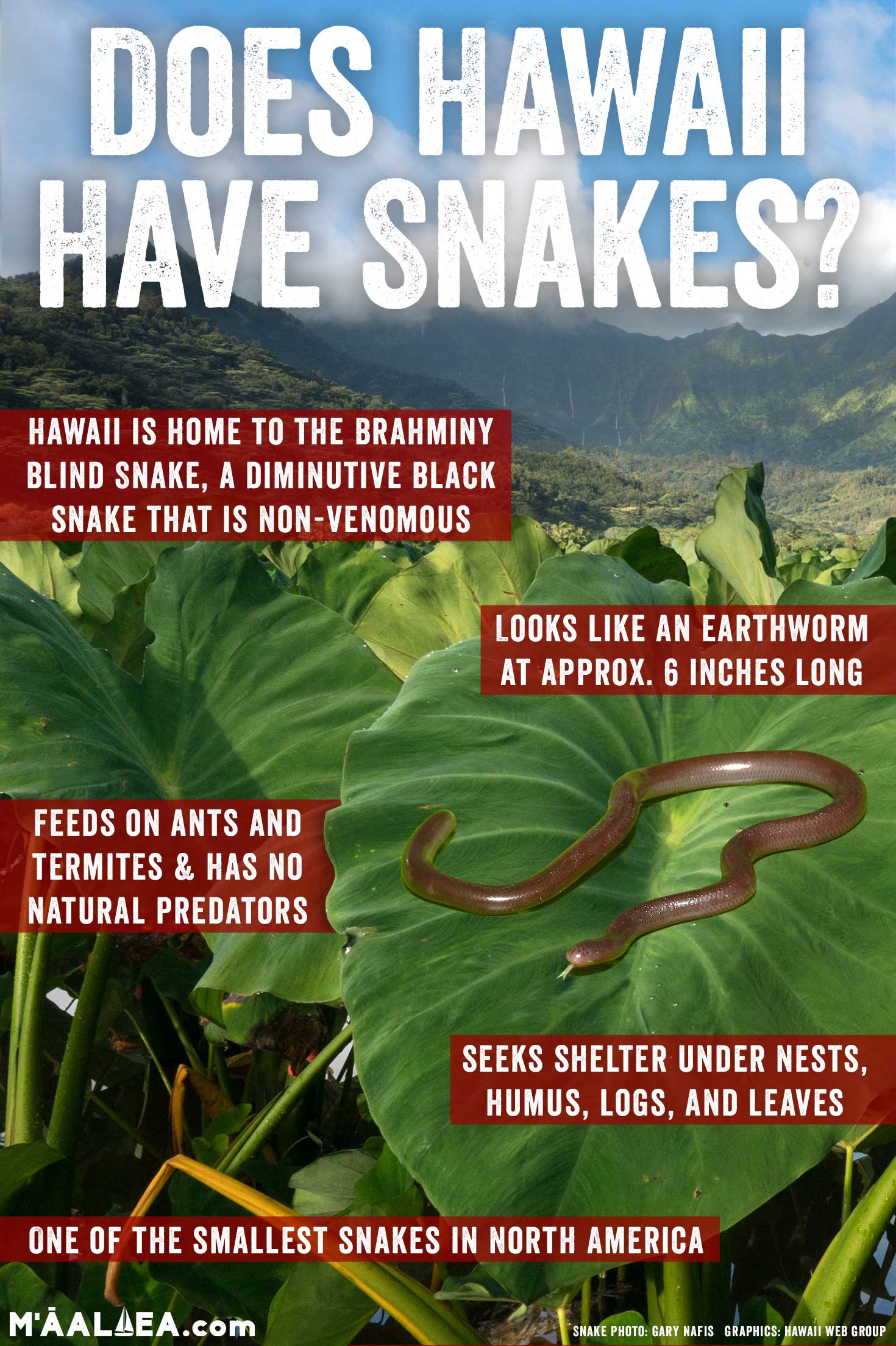
This absence isn’t a mere coincidence but rather a consequence of geographical isolation and deliberate conservation efforts. The story of Hawaii’s snake-free status is a testament to its evolution as a unique archipelago, far removed from continental landmasses, and the proactive measures taken to preserve its delicate ecosystem.
The Island’s Isolation: A Natural Barrier
Hawaii’s remote location in the vast expanse of the Pacific Ocean is the primary reason for its lack of native snakes. The islands are thousands of miles from any continent, and the journey for terrestrial animals, especially those that cannot fly or swim long distances, is incredibly challenging.
Evolution in Isolation
The Hawaiian archipelago emerged from volcanic activity millions of years ago. As these islands formed, they were colonized by flora and fauna that arrived through various means: wind-blown seeds, floating debris, or carried by migratory birds. Snakes, being ground-dwelling reptiles that generally do not swim across vast oceans, found it exceptionally difficult to reach these isolated specks of land.
Over millennia, the unique species that did manage to colonize Hawaii evolved in isolation, adapting to their specific island environments. This evolutionary journey resulted in a fascinating array of endemic species, many of which are found nowhere else on Earth. Birds, insects, and plants thrived and diversified, filling ecological niches that might otherwise have been occupied by reptiles in more connected landmasses.
The Power of Geography
The sheer distance from other landmasses acted as a powerful, natural barrier, effectively preventing most terrestrial reptiles, including snakes, from establishing a presence. This geographical isolation is a hallmark of island biogeography, where unique evolutionary paths unfold in the absence of constant intercontinental exchange. The Hawaiian Islands represent a classic example of this phenomenon, showcasing how environmental factors can shape the biodiversity of an entire region.
For travelers planning a visit to the Hawaiian Islands, this natural absence contributes to a sense of unique safety and peace of mind. While other tropical destinations might require a degree of caution due to the presence of venomous creatures, visitors to Hawaii can explore its stunning natural landmarks, from the beaches of Waikiki to the volcanic craters of Haleakalā National Park, with the knowledge that encountering a native snake is not a concern. This allows for a more relaxed immersion in the islands’ natural wonders, whether it’s hiking through rainforests, snorkeling in coral reefs, or simply enjoying the diverse flora and fauna that have flourished in this unique environment.
The story of Hawaii’s snake-free status is not just about what is absent, but also about the incredible biodiversity that has arisen in its place. The islands are a haven for unique bird species, fascinating insects, and an array of plant life that has adapted to the volcanic soils and tropical climate. This distinct ecological profile is a major draw for nature enthusiasts and a crucial aspect of the Hawaiian tourism experience.
The Brown Tree Snake: A Near Miss and a Lesson Learned
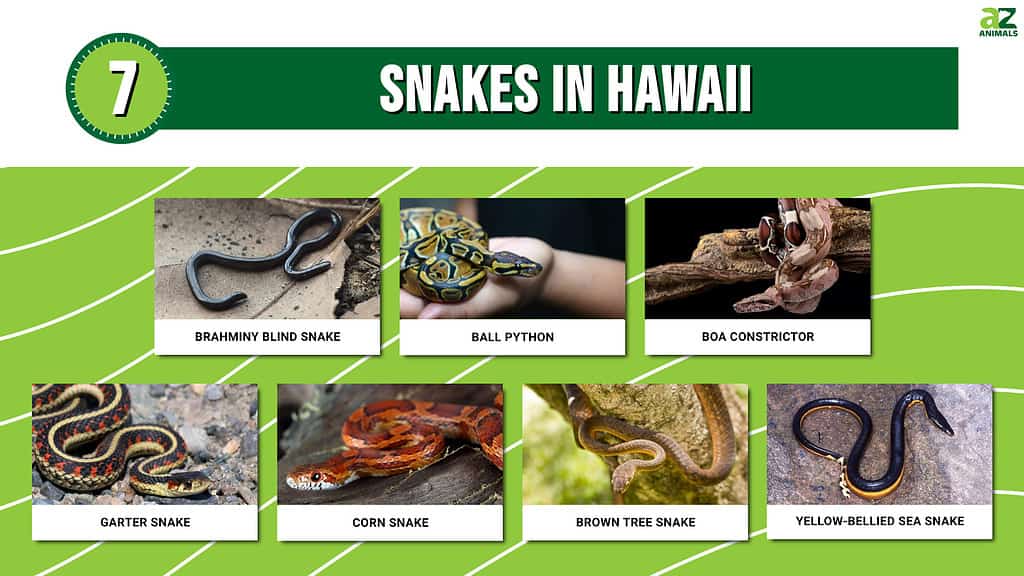
While the islands are naturally free of snakes, the threat of their introduction has been a very real and concerning issue, most notably with the invasive brown tree snake. This unwelcome arrival serves as a critical case study in the fragility of island ecosystems and the immense efforts required to protect them.
Accidental Arrival and Devastation
The story of the brown tree snake (Boiga irregularis) in Hawaii is one of an accidental introduction with potentially devastating consequences. These non-native snakes, originating from parts of Australia and New Guinea, are known for their adaptability and their voracious appetites.
The primary point of introduction for the brown tree snake into the Pacific region was the island of Guam after World War II. It is believed they arrived hidden in military cargo. Once established on Guam, the snake population exploded, leading to catastrophic impacts on the island’s native wildlife. Many of Guam’s endemic forest bird species, which had evolved without natural predators, were decimated by the snake’s predation. This ecological collapse served as a stark warning to other island nations, including Hawaii.
Prevention and Eradication Efforts
Hawaii, aware of the potential threat, has implemented stringent measures to prevent the introduction of the brown tree snake and other invasive species. These measures are crucial for protecting the islands’ unique and vulnerable native fauna.
Strict Biosecurity Measures: The state of Hawaii has some of the most rigorous biosecurity protocols in the world. This includes intensive inspections of cargo, aircraft, and vessels arriving in the islands. Personnel are trained to identify and intercept potential threats, such as snakes, insects, and plant pathogens.
Public Awareness Campaigns: Educating the public, both residents and tourists, about the importance of not bringing unauthorized biological materials to Hawaii is a significant part of the prevention strategy. Information is disseminated through airports, shipping companies, and online resources, highlighting the severe penalties for violating these regulations.
Interception and Eradication: Despite these efforts, snakes do occasionally arrive in Hawaii. When detected, whether through routine inspections or public reports, immediate action is taken. This can involve trapping, controlled eradication programs, and continuous monitoring of high-risk areas. The goal is to prevent any new introduction from establishing a breeding population.
The brown tree snake’s presence on neighboring islands serves as a constant reminder of the vulnerability of Hawaii’s ecosystems. The efforts to keep Hawaii snake-free are a testament to the dedication of its authorities and the understanding of the ecological consequences of invasive species. For visitors, this vigilance translates into a more protected natural environment, allowing the islands’ endemic species to thrive without the threat of introduced predators.
Understanding the Ecosystem: What Makes Hawaii Vulnerable?
Hawaii’s isolation, while beneficial in preventing snake introductions, also creates an environment where native species have evolved with few natural defenses against potential invaders. This inherent vulnerability underscores the importance of the snake-free status.
Evolved Without Predators
Many of Hawaii’s native animals, particularly birds, evolved in an environment devoid of mammalian predators and snakes. This meant they did not develop the same instincts for avoiding or defending against such threats as their counterparts on continental landmasses. For example, many native Hawaiian birds did not build their nests in concealed locations and were not adept at recognizing aerial or ground predators.
The arrival of invasive species, such as rats, mongooses (which were introduced to control rats but also prey on native birds and their eggs), and potentially snakes, has had a devastating impact on these naive species. The brown tree snake, with its arboreal habits and efficient hunting skills, poses a particular threat to ground-nesting birds and their young, as well as other small native animals.
The Role of Tourism in Prevention
While the focus is on preventing snake introductions, tourism itself plays a role in maintaining Hawaii’s ecological integrity. Responsible tourism practices help fund conservation efforts and raise awareness about the importance of protecting the islands’ unique environment.
Travelers can contribute by adhering to all biosecurity regulations, avoiding the transport of any plants, animals, or organic materials into the state, and reporting any suspicious sightings. When exploring Hawaii’s natural wonders, such as the lush landscapes of the Road to Hana or the dramatic cliffs of the Na Pali Coast, visitors are essentially engaging with an ecosystem that has been carefully preserved.
The Future of a Snake-Free Paradise
The continued absence of snakes in Hawaii is not a static achievement but an ongoing effort. It requires constant vigilance, robust biosecurity measures, and a collective commitment from both residents and visitors. The economic and ecological benefits of remaining snake-free are immense. A snake-free Hawaii allows for the continued flourishing of its unique wildlife, supports its thriving tourism industry, and preserves the very essence of its natural allure.
For those planning a trip to this tropical haven, whether seeking adventure in the volcanic national parks like Hawaii Volcanoes National Park, relaxation at a luxurious resort like the Four Seasons Resort Maui at Wailea, or an immersive cultural experience in places like Honolulu, the knowledge that they can explore without the threat of snakes adds an unparalleled sense of security. It allows for a deeper connection with the remarkable natural world that Hawaii has so successfully protected. The absence of snakes is not just a biological fact; it is a cornerstone of the Hawaiian experience, a testament to the power of isolation and the dedication to preservation.
LifeOutOfTheBox is a participant in the Amazon Services LLC Associates Program, an affiliate advertising program designed to provide a means for sites to earn advertising fees by advertising and linking to Amazon.com. Amazon, the Amazon logo, AmazonSupply, and the AmazonSupply logo are trademarks of Amazon.com, Inc. or its affiliates. As an Amazon Associate we earn affiliate commissions from qualifying purchases.