
Alaska, a land of unparalleled natural beauty and stark contrasts, beckons travelers with its vast wilderness, vibrant culture, and the promise of unforgettable adventures. Among its many jewels, Anchorage stands out as the state’s largest city and a primary gateway to the wonders that lie beyond. For any visitor planning a trip to this dynamic metropolis, understanding the local climate is paramount to ensuring a comfortable and enjoyable experience. The question, “What is the temperature in Anchorage, Alaska?” is more than just a weather query; it’s a crucial piece of information that dictates packing lists, activity planning, and the overall anticipation of one’s Alaskan sojourn.
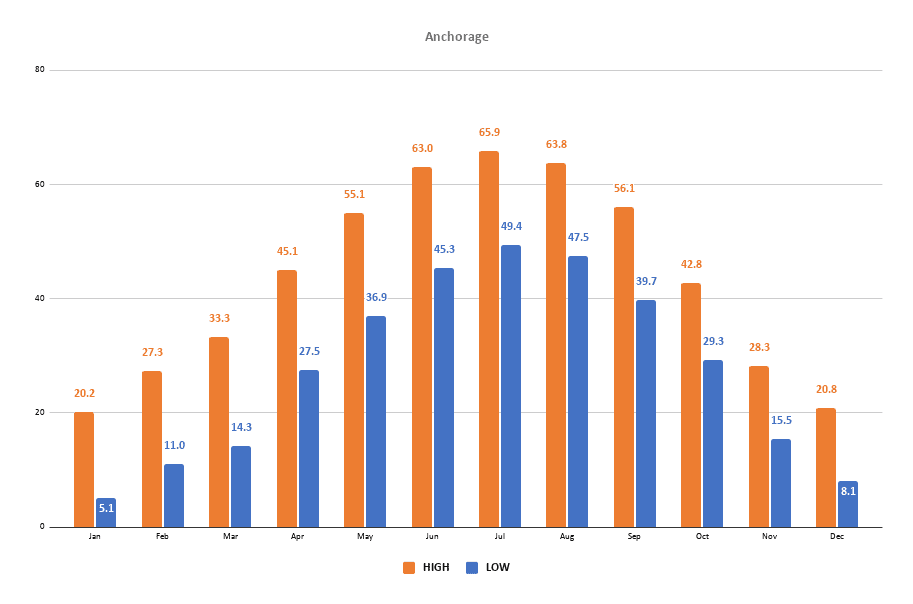
Anchorage’s geographical location, nestled between the Chugach Mountains and the waters of the Cook Inlet, bestows upon it a subarctic climate. This means distinct seasons, each with its own characteristic temperatures and weather patterns. Whether you’re dreaming of a summer filled with the midnight sun or a winter wonderland perfect for Northern Lights viewing, knowing what to expect temperature-wise will allow you to embrace Anchorage in all its seasonal glory.
Understanding Anchorage’s Seasonal Climate
The temperature in Anchorage, Alaska, fluctuates significantly throughout the year, offering a diverse range of experiences for visitors. From the balmy, extended daylight hours of summer to the crisp, snow-laden depths of winter, each season paints a different picture of this captivating city.
Summer in Anchorage: The Season of Light and Mild Temperatures
From June through August, Anchorage experiences its summer season, characterized by the longest daylight hours and the mildest temperatures. This is a popular time for many visitors, drawn by the opportunity to explore the abundant outdoor attractions under comfortable skies.
- June: As summer officially begins, the average daily temperature in Anchorage hovers around 55°F (13°C). Daytime highs can reach into the low 60s°F (around 17°C), while overnight lows typically settle in the mid-40s°F (about 7°C). The extended daylight, often referred to as the “midnight sun,” means that it remains light well into the evening, offering ample time for sightseeing and outdoor activities. The weather can be variable, with sunny spells interspersed with occasional rain showers, so packing layers is always a wise decision.
- July: This is generally the warmest month in Anchorage. Average daily temperatures climb to around 57°F (14°C), with daytime highs frequently reaching the mid-60s°F (around 18-19°C). Nights remain cool, typically in the mid-40s°F (around 7°C). The surrounding landscapes, from the lush green of the mountains to the blooming wildflowers, are at their most vibrant. While sunshine is common, July can also bring occasional rain, contributing to the verdant scenery.
- August: August continues the pleasant summer trend, with average daily temperatures similar to July, around 56°F (13°C). Highs often reach the mid-60s°F (around 18°C), and lows are in the mid-40s°F (around 7°C). As the month progresses, there’s a subtle shift towards autumn, and the days begin to shorten, though still offering plenty of daylight for exploration. The crisp air of late August can be invigorating for those who enjoy cooler summer days.
During the summer months, attractions like the Alaska Native Heritage Center, the scenic trails of Chugach State Park, and boat tours on the Cook Inlet are particularly popular. The warmer temperatures make it ideal for hiking, fishing, kayaking, and exploring the numerous landmarks that dot the Anchorage area.
Autumn in Anchorage: A Symphony of Colors and Cooler Air
As September ushers in autumn, Anchorage transforms into a breathtaking spectacle of fall foliage, accompanied by a noticeable drop in temperature. This season offers a unique charm, with fewer crowds and a more serene atmosphere.
- September: The average daily temperature in September begins to decrease, settling around 47°F (8°C). Daytime highs typically range in the low 50s°F (around 10-12°C), and overnight lows can dip into the high 30s°F (around 4°C). The vibrant colors of the aspen and birch trees create stunning vistas, making it an excellent time for photography and scenic drives. The possibility of early snowfall increases as the month progresses.
- October: October marks a more significant transition towards winter. The average daily temperature drops to around 35°F (2°C). Daytime highs are usually in the mid-40s°F (around 7°C), but frost becomes common, and overnight lows can fall into the low 20s°F (around -6°C). Snowfall becomes more frequent, often blanketing the city and its surroundings. This is a prime time for those hoping to catch an early glimpse of the Aurora Borealis.
- November: As the days grow shorter and colder, November sees average daily temperatures around 25°F (-4°C). Daytime highs rarely exceed the freezing mark, typically hovering in the low 30s°F (around 0-2°C), while overnight lows plunge into the teens°F (around -7°C). Snowfall is abundant, creating a true winter landscape and setting the stage for winter sports. The cozy ambiance of Anchorage’s hotels and restaurants becomes particularly appealing during this month.
Autumn in Anchorage is perfect for enjoying the city’s cultural offerings, visiting museums like the Anchorage Museum, and experiencing the warmth of local restaurants. For those who enjoy brisk weather and the anticipation of winter, it’s an ideal season to visit.
Winter in Anchorage: The Realm of Snow and Frosty Temperatures
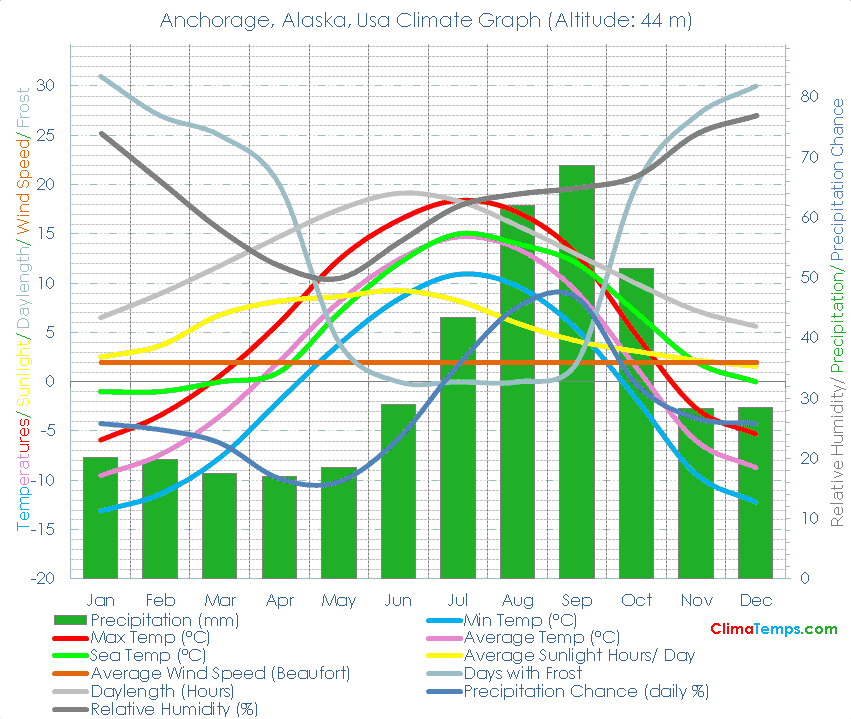
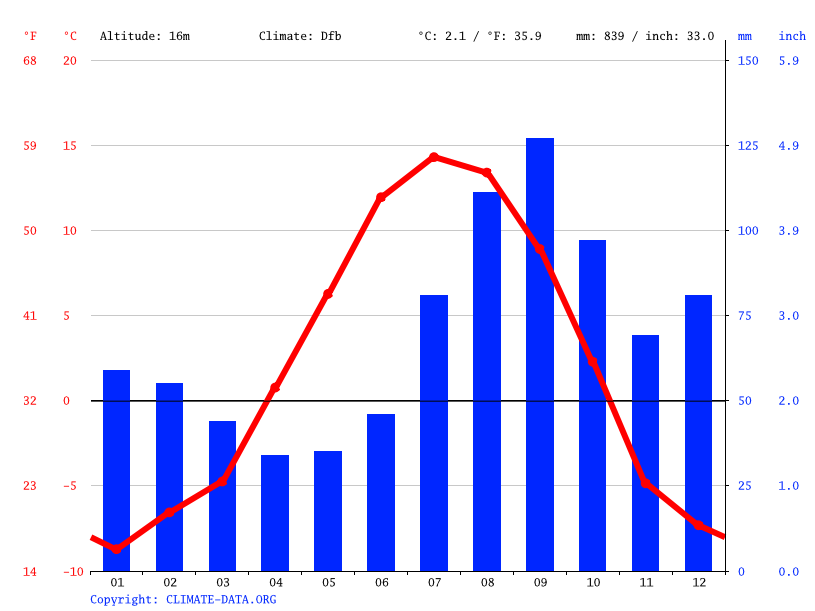
Winter in Anchorage is a time of deep cold, ample snowfall, and the ethereal beauty of a snow-covered landscape. From December through February, the city embraces its Arctic identity, offering unique experiences for the hardy traveler.
- December: The start of winter brings average daily temperatures around 19°F (-7°C). Daytime highs are typically in the mid-20s°F (around -4°C), while overnight lows can plummet to the single digits°F (around -15°C) and below. Snowfall is a constant, creating opportunities for skiing, snowboarding, and other winter activities at nearby resorts like Alyeska Resort. The city sparkles with holiday decorations, and the long nights are perfect for Northern Lights viewing.
- January: January is often the coldest month in Anchorage. Average daily temperatures hover around 15°F (-9°C). Daytime highs are usually in the low 20s°F (around -6°C), and overnight lows can frequently drop to 0°F (-18°C) or even colder. Despite the frigid temperatures, the crisp air and abundant snow create a pristine winter environment. Outdoor events like the Fur Rendezvous festival begin to take shape.
- February: February continues the deep winter chill, with average daily temperatures around 18°F (-8°C). Daytime highs are typically in the mid-20s°F (around -4°C), and lows in the single digits°F (around -15°C). While still very cold, there’s a subtle sense of lengthening days as spring approaches. The snow-covered terrain provides a picturesque backdrop for continued winter sports and exploration.
Winter in Anchorage is synonymous with adventure. Activities like dog sledding, snowshoeing, ice skating, and exploring the frozen beauty of Denali National Park and Preserve (though access might be limited in deep winter) are highly sought after. Visitors seeking a true winter lifestyle experience will find Anchorage captivating during these months.
Spring in Anchorage: The Thaw and Return of Longer Days
As winter loosens its icy grip, Anchorage experiences a gradual transition into spring. This season is characterized by melting snow, increasing daylight, and a sense of renewal.
- March: March marks the beginning of spring, though winter conditions often persist. Average daily temperatures are around 25°F (-4°C). Daytime highs are usually in the low 30s°F (around 0-2°C), and overnight lows are in the low teens°F (around -11°C). Snowfall is still common, and skiing remains a popular activity. The longer daylight hours offer more opportunities for outdoor pursuits.
- April: April sees a noticeable warming trend, though it can remain quite cool. Average daily temperatures rise to around 36°F (2°C). Daytime highs typically reach the low 40s°F (around 5-7°C), and overnight lows are in the mid-20s°F (around -4°C). While snow may still be present, the melting process begins in earnest, and puddles become a common sight. The first signs of green begin to appear in sheltered areas.
- May: May brings a welcome sense of spring to Anchorage, with average daily temperatures climbing to around 46°F (8°C). Daytime highs are often in the mid-50s°F (around 12-14°C), and overnight lows are in the mid-30s°F (around 2°C). The landscape begins to transform as snow recedes, revealing the earth, and wildflowers start to bloom. This is an excellent time to explore hiking trails and enjoy the awakening of nature before the peak summer season.
Spring in Anchorage offers a chance to witness the transition of the Alaskan wilderness. It’s a good time for exploring the city’s museums and cultural centers, and for enjoying a quieter pace of travel before the summer rush.
Dressing for Anchorage: Layering is Key
Regardless of the season, the key to comfortable exploration in Anchorage is layering. The temperature in Anchorage, Alaska, can change rapidly, and being prepared for various conditions is essential for a positive travel experience.
Essential Packing for Every Season
- Base Layers: Moisture-wicking thermals are crucial for both cold and cool weather. They help regulate body temperature by drawing sweat away from the skin.
- Mid Layers: Fleece jackets, down vests, or wool sweaters provide insulation and can be added or removed as needed.
- Outer Layers: A waterproof and windproof jacket is non-negotiable, even in summer, to protect against rain and the ever-present Alaskan breeze. For winter, a heavily insulated, waterproof, and windproof parka is essential.
- Headwear and Handwear: Warm hats that cover the ears and insulated gloves or mittens are vital during the colder months. Even in summer, a light hat and gloves can be useful for cooler mornings and evenings.
- Footwear: Waterproof, insulated boots are a must for winter. For summer, sturdy, waterproof hiking boots are recommended for exploring trails and uneven terrain. Comfortable walking shoes are also useful for city exploration.
- Accessories: Sunglasses are important year-round, especially in winter when snow reflects sunlight. Sunscreen is also advisable, as the sun can be intense, particularly during longer daylight hours.
Adapting Your Wardrobe to Specific Seasons
While layering is universal, the weight and type of layers will vary significantly.
- Summer (June-August): Focus on lighter layers. Pack breathable fabrics, a waterproof jacket, comfortable walking shoes, and perhaps a light sweater for cooler evenings.
- Autumn (September-November): Transition to warmer layers. Include warmer jackets, sweaters, a waterproof and windproof outer shell, and consider thermal leggings for later in the season.
- Winter (December-February): This is where serious insulation comes into play. Think heavy-duty parkas, thermal underwear, wool socks, insulated boots, and warm accessories.
- Spring (March-May): A mix of winter and summer gear is ideal. Be prepared for lingering winter conditions in early spring and the emergence of milder weather in late spring. Waterproof gear remains important.
By understanding the temperature in Anchorage, Alaska, and tailoring your packing accordingly, you can confidently embrace all the adventures this magnificent city and its surroundings have to offer, from the vibrant summer festivals to the hushed beauty of a snowy winter landscape. Whether you choose to stay in a luxurious resort or a cozy apartment, proper preparation ensures you’ll be comfortable exploring the attractions and immersing yourself in the unique local culture.
LifeOutOfTheBox is a participant in the Amazon Services LLC Associates Program, an affiliate advertising program designed to provide a means for sites to earn advertising fees by advertising and linking to Amazon.com. Amazon, the Amazon logo, AmazonSupply, and the AmazonSupply logo are trademarks of Amazon.com, Inc. or its affiliates. As an Amazon Associate we earn affiliate commissions from qualifying purchases.