
The majestic landscapes of California, a state renowned for its diverse beauty, from the rugged coastlines of Big Sur to the towering sequoias of Yosemite National Park, have tragically become synonymous with devastating wildfires. These infernos, often appearing with terrifying speed and ferocity, have not only reshaped the physical terrain but have also left an indelible mark on the lives of residents and the vibrant tourism industry that thrives in the Golden State. The question that echoes through communities and across news cycles is a critical one: What truly causes these catastrophic California wildfires? While the immediate visual spectacle is one of uncontrolled flames, the underlying causes are a complex tapestry woven from environmental factors, human actions, and the ever-present specter of climate change.
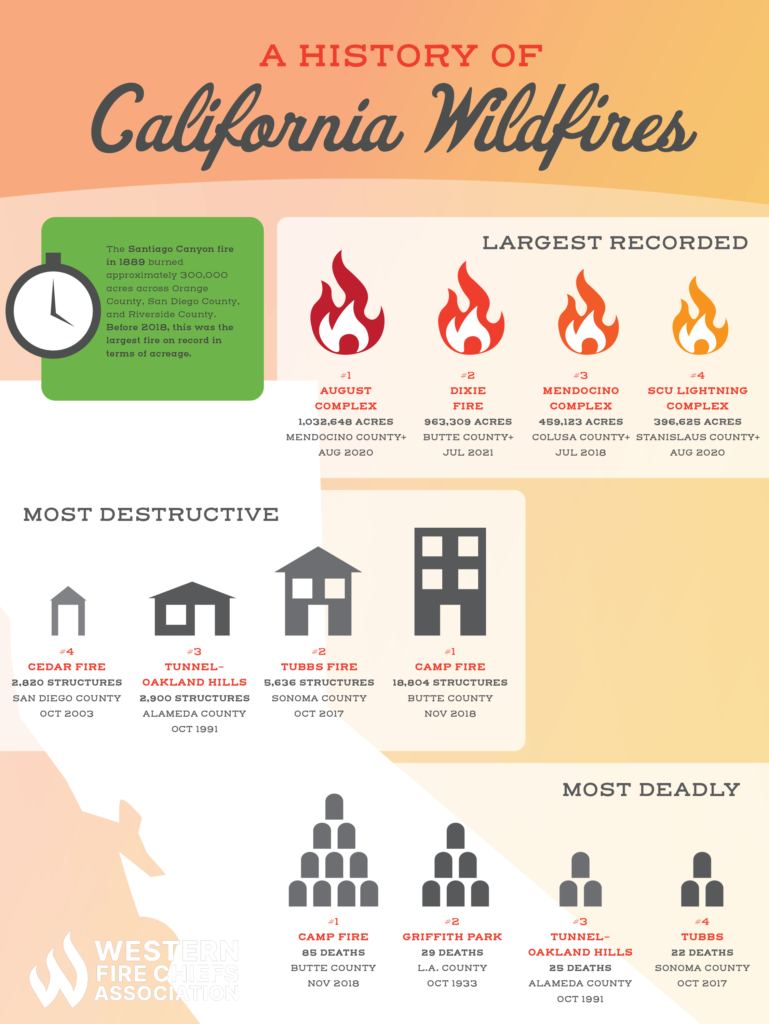
The Ignition: Sparks in a Tinderbox
The genesis of any wildfire lies in an ignition source, a spark that ignites the dry fuel present in the environment. In California, this spark can originate from a variety of places, each contributing to the fire’s initial spread. Understanding these ignition points is crucial to developing effective prevention strategies.
Natural Causes: The Fury of Nature
While less common than human-caused ignitions, natural phenomena can indeed be the culprits behind California‘s wildfires. These events, though infrequent, underscore the inherent power of the natural world.
Lightning Strikes
One of the most significant natural causes of wildfires in California is lightning. During thunderstorms, particularly those occurring in drier periods, lightning strikes can happen without accompanying rain, or with insufficient rainfall to extinguish the nascent fire. The intense heat of a lightning strike can easily ignite dry vegetation, such as grasses, chaparral, and dead trees. In remote or inaccessible areas, these lightning-ignited fires can smolder for days or even weeks before being detected, allowing them to grow into substantial infernos. The Sierra Nevada mountains, for instance, are particularly susceptible to lightning-caused fires due to their high elevation and the prevalence of coniferous forests. The sheer number of dry lightning strikes in a region can be a major predictor of wildfire risk.
Human-Caused Ignitions: A Pervasive Threat
The vast majority of wildfires in California, and indeed across the United States, are attributed to human activity. These ignitions are often accidental but can also be the result of negligence or, in rare instances, deliberate acts. The proximity of human populations to wildlands, coupled with activities that can generate sparks or heat, creates a constant risk.
Electrical Equipment Malfunctions
A significant and increasingly scrutinized cause of California wildfires is the malfunction of electrical equipment, particularly power lines. High winds, a common feature of California‘s weather patterns, can cause power lines to sway, snap, or brush against vegetation. When these lines break or arc, they can release sparks or molten metal that fall onto dry ground, igniting fires. Utilities companies, such as Pacific Gas and Electric (PG&E), have faced immense scrutiny and legal challenges over their role in past devastating fires, such as the Camp Fire which largely destroyed the town of Paradise. In response, utility companies have implemented strategies like de-energizing power lines during high-risk weather conditions (known as Public Safety Power Shutoffs) and undergrounding significant portions of their infrastructure, though these measures are costly and complex. The aging infrastructure in many parts of California exacerbates this risk.
Campfires and Debris Burning
Careless management of campfires and open burning of debris are perennial sources of ignition. Unattended campfires, or those not properly extinguished, can easily spread to surrounding dry vegetation, especially in popular camping destinations like Lake Tahoe or state parks across Southern California. Similarly, individuals burning yard waste or debris without taking adequate precautions – such as clearing the area around the burn pile, having water readily available, and adhering to local burn bans – can inadvertently start a wildfire. The dry, windy conditions prevalent during much of the year in California make these activities particularly hazardous.
Equipment Use and Sparks
The use of machinery and equipment that can produce sparks or heat is another common ignition source. This includes activities such as mowing dry grass, operating chainsaws, welding, or even the exhaust systems of vehicles parked on dry vegetation. Many California counties implement restrictions on certain types of equipment use during high fire danger periods to mitigate this risk. Agricultural activities, while vital to the state’s economy, can also pose a risk if machinery is not properly maintained or if field burning is not conducted with extreme caution.
Arson
While less frequent than accidental ignitions, arson – the deliberate setting of fires – remains a disturbing cause of wildfires in California. These acts are often motivated by various factors, including criminal intent, mental health issues, or misguided attempts to clear land. Law enforcement agencies dedicate significant resources to investigating and prosecuting individuals responsible for arson.
The Fuel: Why California Burns So Easily
Beyond the initial spark, the intensity and spread of a California wildfire are heavily influenced by the availability and condition of fuel – the combustible material that burns. California‘s unique ecosystems and prolonged dry periods create an environment ripe for rapid fire growth.
Drought and Dry Vegetation
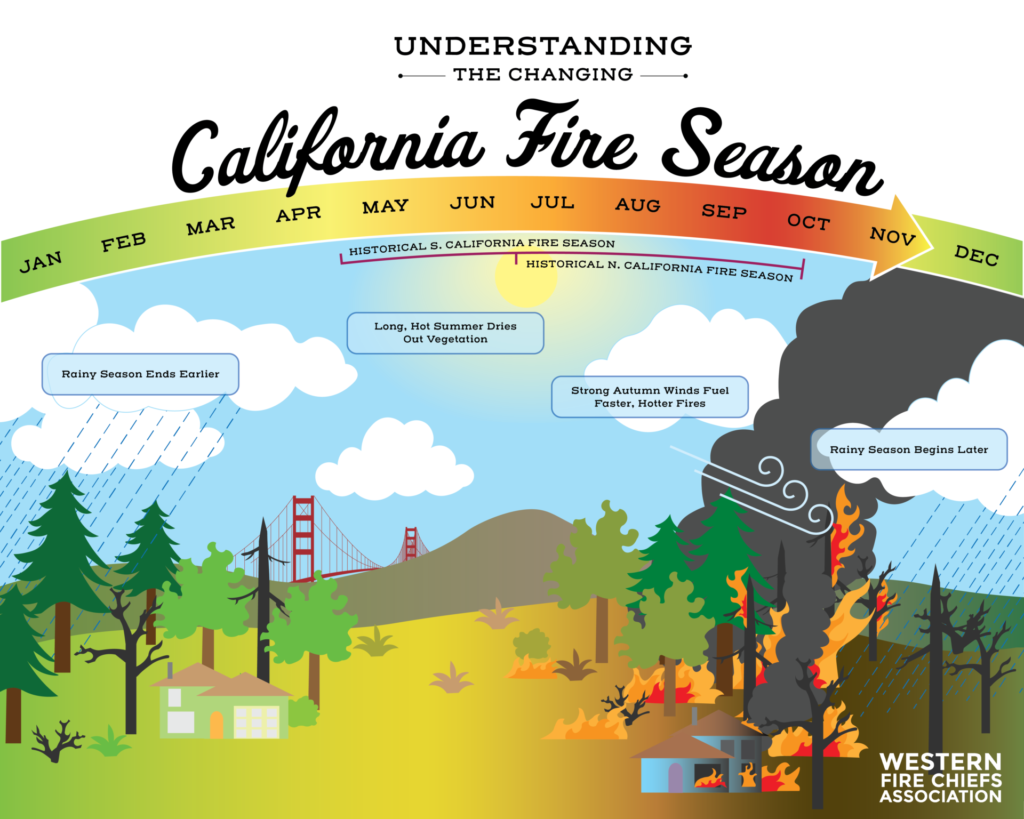
California has a Mediterranean climate characterized by hot, dry summers and mild, wet winters. However, the state has experienced increasingly severe and prolonged droughts in recent decades, exacerbated by climate change. These droughts deplete moisture from vegetation, turning grasses, shrubs, and trees into highly flammable tinder. Even seemingly healthy green vegetation can become susceptible to burning when its moisture content is critically low. The cumulative effect of years of drought can lead to vast expanses of dead or extremely dry fuel, creating a recipe for explosive fire growth. The conditions seen in areas like San Diego County or the Santa Barbara backcountry during severe droughts are prime examples of this phenomenon.
Fuel Load: The Accumulation of Combustible Material
The accumulation of dead vegetation, such as fallen leaves, pine needles, dead branches, and dense undergrowth, significantly increases the “fuel load” in wildland areas. In natural ecosystems, periodic fires play a role in clearing out this excess fuel. However, decades of aggressive fire suppression policies have led to an unnatural buildup of fuel in many forests and shrublands. This dense fuel bed allows fires to burn hotter and spread more rapidly, making them harder to control. Areas that have not experienced a natural fire cycle for many decades, such as parts of the Shasta-Trinity National Forest, can have exceptionally high fuel loads.
Invasive Species and Plant Types
Certain plant species prevalent in California, particularly invasive ones, can contribute to increased fire risk. For example, non-native annual grasses, such as cheatgrass, can dry out earlier in the season and ignite more readily than native perennial grasses. They also create a fine, continuous fuel bed that allows fires to spread quickly. Similarly, some native shrub species, like certain types of chaparral, are adapted to fire and can release flammable oils, contributing to their rapid combustion.
The Spread: How Fires Grow Out of Control
Once ignited, the spread of a California wildfire is dictated by a combination of environmental factors and the fire’s own behavior. Understanding these dynamics is crucial for both firefighting efforts and community preparedness.
Wind: The Fire’s Best Friend
Wind is arguably the most critical factor in the rapid spread of wildfires. Strong winds push flames forward, preheating the fuel ahead of the fire and carrying embers (firebrands) that can start new fires far ahead of the main blaze. This phenomenon, known as spotting, can allow a fire to jump across natural barriers like roads or even small rivers, making containment exceptionally difficult. California is particularly vulnerable to wind events like the Santa Ana winds in Southern California and the Diablo winds in Northern California. These offshore winds are hot, dry, and can reach speeds of 40-60 miles per hour or more, transforming a manageable fire into an uncontrollable inferno.
Topography: The Terrain’s Influence
The shape and features of the land, known as topography, play a significant role in how a fire spreads. Flames tend to spread uphill much faster than they do downhill. This is because the heat from the fire rises and preheats the fuel above, making ignition easier. Steep canyons and narrow ravines can also act like chimneys, channeling wind and accelerating fire behavior. Fires burning in mountainous regions like the San Gabriel Mountains or the Santa Monica Mountains often exhibit extreme uphill spread.
Weather Conditions: A Trifecta of Danger
Beyond wind, other weather conditions contribute to fire spread. High temperatures dry out fuels and increase the rate of combustion. Low humidity means that vegetation holds less moisture, making it more susceptible to ignition and burning. The combination of high temperatures, low humidity, and strong winds creates what are known as “red flag warnings” – periods of extreme fire danger where the risk of rapid and uncontrollable fire spread is exceptionally high. These conditions are often most pronounced during the late summer and fall months in California.
The Overarching Factor: Climate Change
While specific ignitions and fuel conditions contribute to individual fire events, the increasing frequency, intensity, and duration of California wildfires are undeniably linked to the broader impacts of climate change.
Rising Temperatures and Extended Dry Seasons
Global warming is leading to higher average temperatures and longer dry seasons in California. This warming trend exacerbates drought conditions, dries out vegetation more effectively, and extends the period during which wildfires are a significant threat. The traditional perception of “fire season” is shifting, with fires now occurring year-round in some parts of the state.
Changes in Precipitation Patterns
Climate change is also altering precipitation patterns. While some areas may experience increased rainfall, California is generally projected to face more intense droughts and more unpredictable rainfall. This means longer periods without sufficient moisture to keep vegetation hydrated, leading to an increased build-up of dry fuel.

Increased Fire Activity
The combination of hotter temperatures, drier conditions, and more abundant fuel creates an environment where wildfires ignite more easily, spread more rapidly, and become larger and more destructive. Scientists and fire experts agree that California is experiencing a fundamental shift in its wildfire regime, moving towards a future with more frequent and severe fire events. This has profound implications for communities, ecosystems, and the tourism industry, impacting everything from travel plans to the availability of hotels and the accessibility of landmarks. The resilience of California‘s natural beauty, and the safety of its residents and visitors, hinges on addressing the root causes of these devastating wildfires.
LifeOutOfTheBox is a participant in the Amazon Services LLC Associates Program, an affiliate advertising program designed to provide a means for sites to earn advertising fees by advertising and linking to Amazon.com. Amazon, the Amazon logo, AmazonSupply, and the AmazonSupply logo are trademarks of Amazon.com, Inc. or its affiliates. As an Amazon Associate we earn affiliate commissions from qualifying purchases.