
Alaska, the Last Frontier, a land of immense beauty, unparalleled wilderness, and breathtaking vistas, beckons travelers with its unique allure. From the majestic peaks of the Alaska Range to the vast expanse of its coastline, this state offers an unforgettable adventure for every kind of explorer. When planning a trip to this extraordinary destination, understanding the nuances of its seasons is paramount, particularly the much-anticipated summer months. This guide will delve into what defines summer in Alaska, what to expect during this peak travel period, and how to make the most of your Alaskan adventure.
Understanding Alaska’s Unique Seasons
Alaska experiences distinct seasons, each with its own charm and offerings. While the summer months are undoubtedly the most popular for tourism, other seasons hold their own unique appeal. Understanding these differences helps in choosing the optimal time to visit based on your interests, whether you’re seeking the vibrant bloom of wildflowers, the thrill of witnessing the Northern Lights, or the warmth of the summer sun.
The Shoulder Seasons: Spring and Autumn
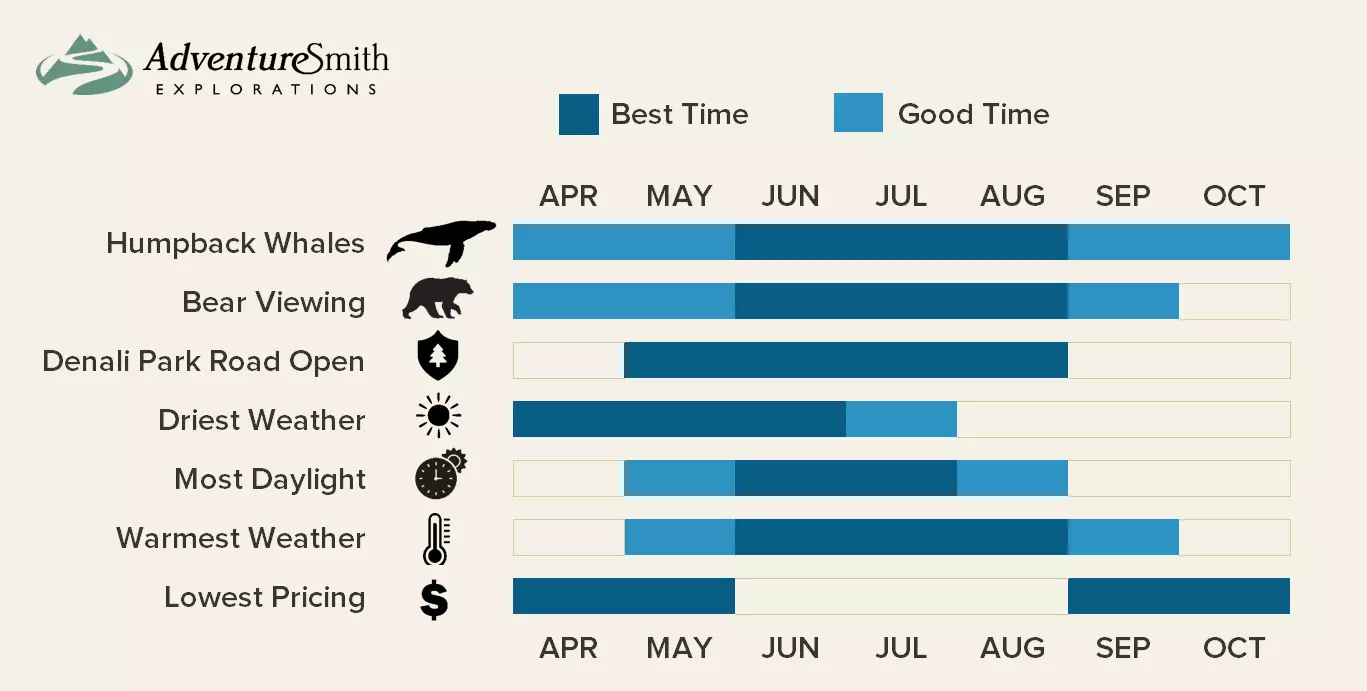
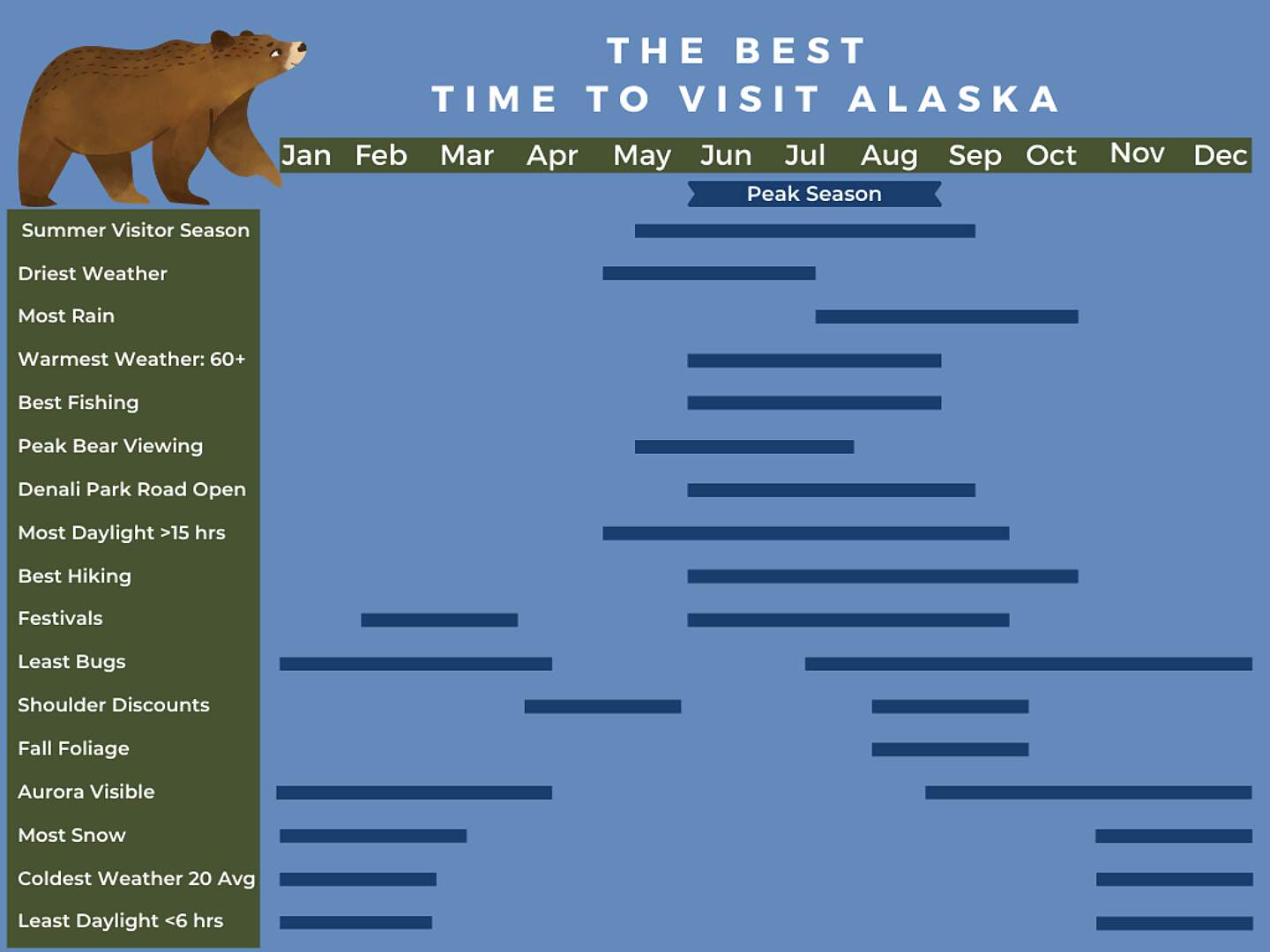
Alaska’s spring, typically from April to May, marks a transition from the lingering winter to the burgeoning warmth of summer. While snow may still blanket much of the landscape, especially in the interior, temperatures begin to rise. This period can be ideal for those seeking fewer crowds and potentially lower prices on accommodations and flights. You might witness the fascinating breakup of ice on rivers and lakes, and the first signs of life re-emerging in the wilderness. Wildlife begins to become more active, and the daylight hours steadily increase.
Autumn, from September to October, offers another spectacular shoulder season. The landscape transforms into a canvas of vibrant colors as the leaves change, creating a stunning backdrop for hiking and sightseeing. The air becomes crisp and cool, perfect for outdoor activities without the intense heat of mid-summer. This is also a prime time for viewing the Aurora Borealis as the nights lengthen and the skies become darker. While some tourist facilities might begin to wind down their operations in late autumn, many remain open, especially in popular areas.
The Winter Months: A Realm of Snow and Ice
Alaska’s winter, roughly from November to March, is a period of extreme beauty and profound silence. Characterized by heavy snowfall, sub-zero temperatures, and limited daylight, it’s a season for those who embrace the cold and seek out winter-specific activities. Dog sledding, ice fishing, skiing, and snowshoeing are popular pursuits. Cities like Anchorage and Fairbanks come alive with winter festivals, and the opportunity to witness the Northern Lights is at its peak. However, travel can be more challenging due to weather conditions, and many roads and attractions may be inaccessible.
Defining the Summer Months in Alaska
Alaska’s summer is generally considered to run from June through August. This period is characterized by the longest daylight hours of the year, with some northern regions experiencing the phenomenon of the “midnight sun,” where the sun barely dips below the horizon. This extended daylight allows for more time to explore, hike, fish, and engage in a myriad of outdoor activities.
June: The Beginning of Endless Days
June is often the most eagerly anticipated month as it signifies the true onset of summer. The weather begins to warm up considerably, with average temperatures ranging from the 50s to the 60s Fahrenheit (10-20°C) in many coastal areas, and potentially warmer inland. The landscape is a riot of green, with wildflowers blooming in abundance, especially in regions like Denali National Park and Preserve. Wildlife is highly active, with bears foraging, moose grazing, and birds nesting. Cruising the Inside Passage is a popular activity, offering unparalleled views of glaciers and marine life. This is also a fantastic time for salmon fishing.
July: The Heart of Alaskan Summer
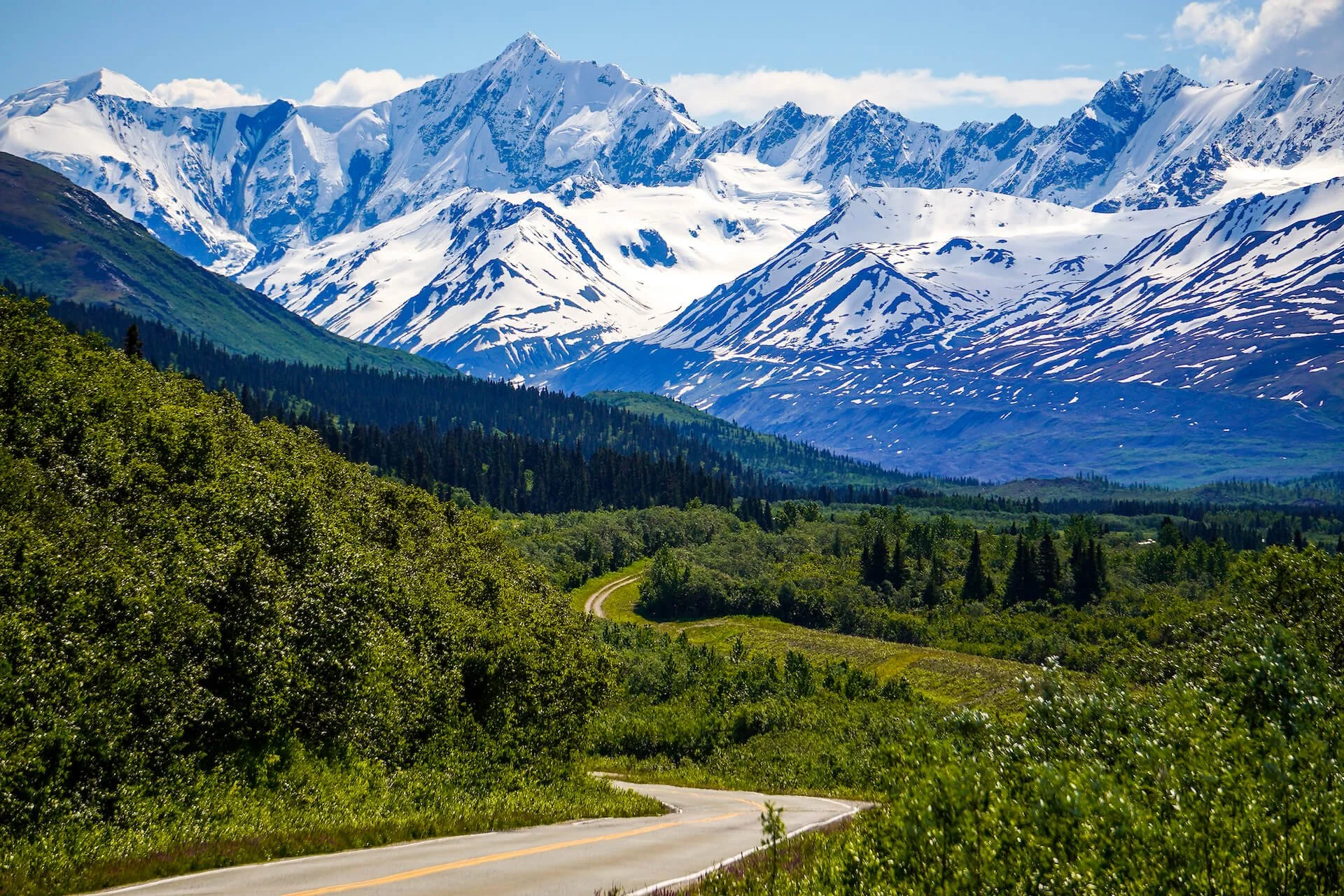
July is typically the warmest month in Alaska, offering the most stable and pleasant weather conditions. Temperatures can often reach the 60s and 70s Fahrenheit (15-25°C) in many popular destinations. The daylight hours are at their maximum, providing ample opportunity for exploration. This is the peak season for many Alaskan activities, including hiking, kayaking, wildlife viewing tours, and visiting iconic landmarks like Denali and Kenai Fjords National Park. The seas are generally calmer, making boat tours and fishing excursions more enjoyable. Many festivals and cultural events also take place during July, celebrating the vibrant local life.
August: A Gentle Transition Towards Autumn
August continues to offer excellent summer weather, though you might start to notice a subtle shift as the month progresses. Temperatures remain warm, and daylight hours are still generous, though they begin to shorten slightly compared to July. The fall colors can start to emerge in some areas towards the end of the month, particularly in higher elevations. This is still a prime time for wildlife viewing, and many of the summer activities are in full swing. August can also be a good month for spotting whales in the waters around Juneau and Ketchikan.
Planning Your Alaskan Summer Adventure
The summer months in Alaska are a time of incredible opportunity for travelers. The extended daylight, milder temperatures, and abundant natural beauty make it the perfect season for a wide range of experiences. Whether you’re planning a luxurious resort stay, a budget-friendly road trip, or a family vacation, understanding what to expect and how to prepare is key to a successful journey.
Peak Travel and Accommodation Considerations
As the most popular season, Alaska in the summer sees a significant influx of tourists. This means that popular attractions, national parks, and key transportation routes can become crowded. Booking flights, accommodations, and tours well in advance is highly recommended, often six months to a year ahead, especially if you have specific preferences for hotels, such as boutique inns in Seward or luxury suites in Anchorage.
Accommodation options in Alaska are diverse, ranging from charming bed and breakfasts and rustic cabins to full-service hotels and opulent resorts. In popular areas like Homer or near Denali, you’ll find a variety of choices. Consider your travel style and budget when selecting your stay. For those seeking unique experiences, consider booking an apartment rental or a villa for a longer stay, especially if you plan to explore multiple regions. Reviews on accommodation booking platforms can provide valuable insights into the quality and amenities of various properties.
Must-Do Activities During Alaskan Summer
Alaska’s summer offers an unparalleled playground for outdoor enthusiasts and nature lovers. The extended daylight hours are a gift, allowing you to pack in as much as possible.
- Wildlife Viewing: This is arguably the highlight of an Alaskan summer. Opportunities abound to see grizzly bears, black bears, moose, caribou, eagles, and various marine mammals like whales, sea otters, and seals. Boat tours into Glacier Bay National Park and Preserve or along the coast offer excellent chances to spot whales. Driving through Denali National Park and Preserve on a park bus tour is another prime spot for observing diverse wildlife.
- Glacier Exploration: Alaska is synonymous with glaciers, and summer is the ideal time to witness their grandeur up close. Take a boat tour to see calving glaciers in Kenai Fjords National Park or explore the Mendenhall Glacier near Juneau. Some tours even offer opportunities to hike on or near glaciers.
- Hiking and Trekking: With miles of trails ranging from easy nature walks to challenging mountain climbs, Alaska offers something for every hiker. Explore the lush forests, alpine meadows, and dramatic coastal landscapes. Trails in Denali National Park and Preserve, Chugach State Park, and around Seward are particularly popular.
- Fishing: Alaska is a world-renowned fishing destination, especially for salmon. Whether you’re an experienced angler or a beginner, there are numerous charter operations and guided tours available to help you land your catch. Popular fishing spots can be found in Homer, Kodiak Island, and along the rivers and coastlines.
- Cruising: The Inside Passage, with its sheltered waters and stunning scenery, is perfect for scenic cruises. From large cruise ships calling at ports like Skagway and Ketchikan to smaller expedition vessels exploring remote fjords, a cruise offers a unique perspective of Alaska’s beauty.
- Exploring Towns and Cities: While nature is the main draw, Alaskan towns and cities have their own charm. Visit Anchorage for its museums and dining, Fairbanks for its proximity to Denali and its gold rush history, or experience the vibrant arts scene in Homer.
Packing for an Alaskan Summer
Despite being summer, Alaska’s weather can be unpredictable. Packing layers is crucial.
- Base Layers: Moisture-wicking tops and bottoms are essential.
- Mid Layers: Fleece jackets or sweaters provide insulation.
- Outer Layers: A waterproof and windproof jacket and pants are a must, even on sunny days.
- Footwear: Comfortable, broken-in hiking boots are essential. Waterproof options are highly recommended.
- Other Essentials: Insect repellent (especially for mosquitoes and biting flies, which can be prevalent in June and July), sunscreen, a hat, sunglasses, a reusable water bottle, and binoculars for wildlife viewing. Don’t forget a good quality camera to capture the incredible scenery.
The summer months in Alaska offer a once-in-a-lifetime travel experience. From the mesmerizing glow of the midnight sun to the awe-inspiring presence of glaciers and the abundant wildlife, the period from June to August is the perfect time to explore the untamed beauty of the Last Frontier. With careful planning and preparation, your Alaskan summer adventure is sure to be filled with unforgettable memories.
LifeOutOfTheBox is a participant in the Amazon Services LLC Associates Program, an affiliate advertising program designed to provide a means for sites to earn advertising fees by advertising and linking to Amazon.com. Amazon, the Amazon logo, AmazonSupply, and the AmazonSupply logo are trademarks of Amazon.com, Inc. or its affiliates. As an Amazon Associate we earn affiliate commissions from qualifying purchases.