
Embarking on a journey to or from the vibrant metropolis of Los Angeles is an exciting prospect for any traveler. Whether you’re planning a grand adventure, a quick getaway, or simply curious about your proximity to this iconic Californian hub, understanding the distances involved is crucial for effective travel planning. This guide will explore various aspects of your potential distance from Los Angeles, taking into account different modes of transportation, popular starting points, and the diverse experiences you might seek.
Understanding Your Distance: Factors to Consider
The answer to “How far am I from Los Angeles?” is rarely a simple number. It’s a dynamic question influenced by several key factors, all of which contribute to the overall travel experience.
Modes of Transportation and Their Impact
The most significant factor determining your “distance” from Los Angeles is your chosen mode of transport. Each method offers a unique perspective on travel time and the journey itself.
By Air: The Fastest Route to Southern California
For many, flying is the quintessential way to bridge vast geographical divides. If you’re considering air travel to reach Los Angeles, the distance is measured in flight hours and the journey through airports. Major international airports serve Los Angeles, most notably Los Angeles International Airport (LAX), but also Hollywood Burbank Airport (BUR), Long Beach Airport (LGB), and John Wayne Airport (SNA) in nearby Orange County.
- Domestic Flights: From most major cities across the United States, you can expect a flight time of anywhere from 2 to 6 hours. For example, a direct flight from New York City to LAX typically takes around 5-6 hours. A flight from Chicago might be closer to 4 hours, while a trip from Seattle could be around 3 hours. These times don’t include the pre-flight procedures at the airport, such as check-in, security, and boarding, which can add several hours to your overall travel day.
- International Flights: For those coming from further afield, the distance is measured in longer flight durations and often involves time zone changes. Flights from Europe can range from 10 to 12 hours, while journeys from Asia might be 10-15 hours or more, depending on the specific origin city. Travelers from Australia could be looking at flights of 12-15 hours. Again, these are flight times only, and international travel often necessitates additional layovers.
The “distance” by air is less about geographical miles and more about the time you’ll spend in the air and navigating airport logistics. It’s the quickest way to cover significant ground and arrive at the doorstep of Southern California.
By Road: The All-American Journey
For those who prefer the freedom and flexibility of a road trip, the distance to Los Angeles is a more tangible measure of miles. This approach allows for exploration of the United States‘ diverse landscapes and offers the opportunity to discover hidden gems along the way.
- Cross-Country Drives: Driving from the East Coast, such as Miami or Boston, can be an epic adventure spanning thousands of miles and several days. A typical cross-country drive might take anywhere from 4 to 7 days, depending on your pace, the route chosen, and the number of stops you make. This allows for an immersive experience of American culture and scenery.
- Regional Drives: For travelers within the western United States, the driving distance is considerably shorter. From cities like Las Vegas, the drive is a manageable 4-5 hours. Phoenix is about a 5-6 hour drive away, while San Francisco is around a 6-hour journey north. These shorter drives make Los Angeles an accessible weekend destination for many.
When calculating road travel distance, it’s essential to factor in not just the mileage but also potential traffic delays, especially as you approach the greater Los Angeles area, which is notorious for its congestion. Roadside attractions, national parks, and charming towns can all add to the length of your trip, transforming a simple drive into a memorable travel experience.
By Rail: A Scenic and Relaxing Option
While not as prevalent for long-distance travel to Los Angeles as air or road, train travel offers a unique perspective. Amtrak operates several routes that connect Los Angeles to various parts of the United States.
- The Coast Starlight: This iconic Amtrak route runs from Seattle to Los Angeles, offering breathtaking views of the Pacific coastline. The journey from Seattle to Los Angeles takes approximately 35 hours.
- The Southwest Chief: This route connects Chicago to Los Angeles through the scenic landscapes of the Southwest, traversing deserts and mountains. The trip from Chicago to Los Angeles is about 43 hours.
Train travel, while generally slower than flying, provides a comfortable and often picturesque way to cover distance, allowing passengers to relax, work, or simply enjoy the ever-changing scenery without the stress of driving or airport hassles. The “distance” here is measured in hours of comfortable, scenic travel.

Popular Starting Points and Their Proximity to Los Angeles
To give you a more concrete idea of your distance, let’s consider some common starting points and their approximate travel times to Los Angeles.
Iconic American Cities
- New York City:
- By Air: Approximately 2,500 miles, a flight of about 5-6 hours.
- By Road: Approximately 2,800 miles, a drive of 40-45 hours of pure driving time, typically spread over 4-6 days.
- By Rail: Approximately 2,800 miles, a journey of around 70-75 hours.
- Chicago:
- By Air: Approximately 1,750 miles, a flight of about 4 hours.
- By Road: Approximately 2,000 miles, a drive of 30-35 hours of pure driving time, typically spread over 3-4 days.
- By Rail: Approximately 2,000 miles, a journey of around 43 hours.
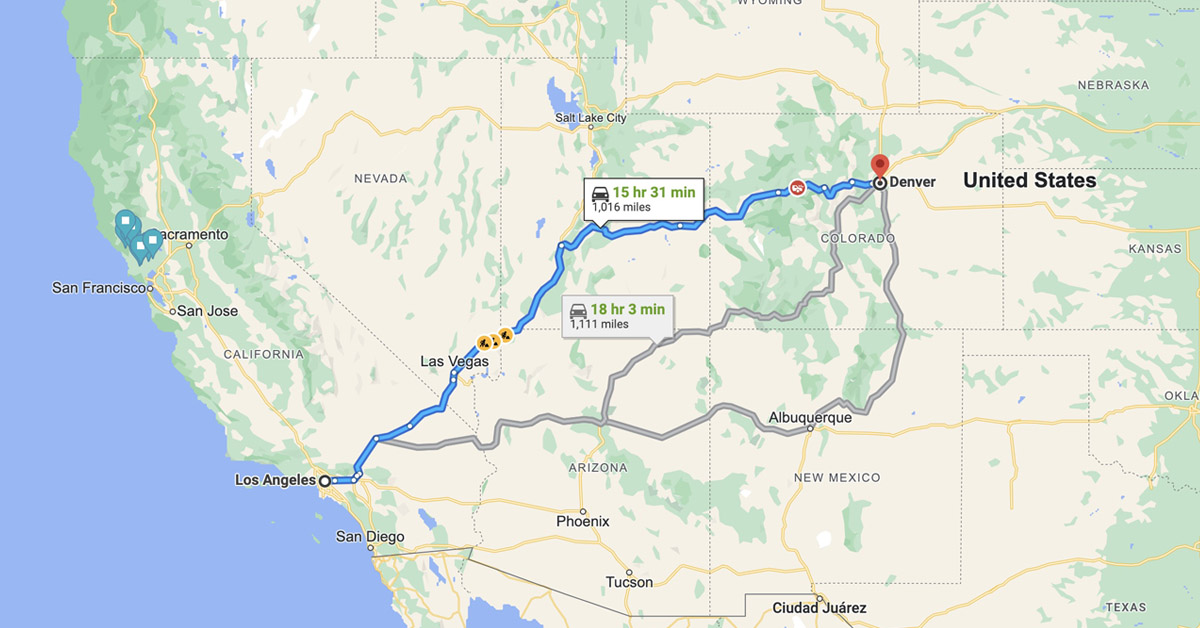
- Denver:
- By Air: Approximately 850 miles, a flight of about 2 hours.
- By Road: Approximately 1,000 miles, a drive of 14-16 hours, often done in two days.
- By Rail: Approximately 1,000 miles, a journey of around 20 hours.
- Las Vegas:
- By Air: Approximately 230 miles, a flight of about 1 hour.
- By Road: Approximately 270 miles, a drive of 4-5 hours, a very popular weekend trip.
- By Rail: While not a direct Amtrak route, connections can be made, but it’s significantly less common than other modes.
International Hubs
- London, UK:
- By Air: Approximately 5,500 miles, a flight of about 10-11 hours.
- By Road/Sea: Not a practical direct travel method for most.
- Tokyo, Japan:
- By Air: Approximately 5,500 miles, a flight of about 10-11 hours.
- By Road/Sea: Not a practical direct travel method for most.
- Mexico City, Mexico:
- By Air: Approximately 1,750 miles, a flight of about 3.5-4 hours.
- By Road: Approximately 2,000 miles, a drive that can take 30-40 hours of pure driving time, often involving border crossing complexities.
These examples illustrate how significantly your starting location impacts the perceived “distance” and the planning required for your trip to Los Angeles.
Planning Your Trip to Los Angeles: Beyond the Distance
Once you have a grasp of the distance, your focus shifts to planning the specifics of your visit to Los Angeles. This iconic city offers an unparalleled array of attractions, accommodations, and cultural experiences.
Attractions and Experiences in Los Angeles
Los Angeles is a sprawling city with something for everyone. Whether you’re a film buff, a beach lover, an art enthusiast, or a foodie, you’ll find your niche.
- Hollywood: The heart of the entertainment industry, Hollywood is home to the Hollywood Walk of Fame, the TCL Chinese Theatre, and the iconic Hollywood Sign. Visiting a studio tour at Universal Studios Hollywood or Warner Bros. Studio Tour Hollywood offers a behind-the-scenes look at filmmaking.
- Beaches: Santa Monica State Beach, Venice Beach, and Malibu offer sun, sand, and surf. Enjoy people-watching, rent a bike along the boardwalk, or simply relax by the ocean.
- Museums and Culture: Explore world-class institutions like the Getty Center, with its stunning architecture and art collection, or the Los Angeles County Museum of Art (LACMA). The Griffith Observatory offers incredible views of the city and the Hollywood Sign, along with fascinating astronomical exhibits.
- Theme Parks: Beyond Universal Studios Hollywood, Disneyland Park and Disney California Adventure Park in nearby Anaheim are perennial favorites for families and thrill-seekers.
- Shopping and Dining: From high-end boutiques on Rodeo Drive to bustling food markets in Grand Central Market, Los Angeles is a paradise for shoppers and gastronomes alike. Explore diverse neighborhoods like Koreatown, Little Tokyo, and Olvera Street for authentic culinary experiences.
Accommodation Options in Los Angeles
Finding the perfect place to stay in Los Angeles is key to a comfortable and enjoyable trip. The city offers a wide spectrum of accommodations to suit every budget and travel style.
- Luxury Resorts: For those seeking indulgence, Los Angeles boasts numerous luxury resorts, such as the Beverly Hills Hotel or The Peninsula Beverly Hills, offering exquisite amenities and impeccable service.
- Boutique Hotels: Explore charming boutique hotels in trendy neighborhoods like West Hollywood or Downtown Los Angeles for a more personalized and stylish experience.
- Apartments and Villas: For longer stays or families, renting an apartment or villa can provide more space and a home-away-from-home feel. Websites specializing in accommodation booking can help you find suitable options.
- Budget-Friendly Stays: From well-located motels to hostels and budget-friendly hotels, Los Angeles also caters to travelers looking to maximize their savings without compromising on location.

Navigating Los Angeles
Los Angeles is a vast and diverse region. Understanding how to get around is as important as knowing your initial distance.
- Renting a Car: For maximum flexibility, renting a car is often the preferred method, especially if you plan to explore multiple neighborhoods and attractions. Be prepared for traffic and parking costs.
- Ride-Sharing Services: Uber and Lyft are widely available and convenient for getting around the city without the hassle of driving and parking.
- Public Transportation: While Los Angeles is more car-centric than some other major cities, its public transportation network, including the Metro Rail and bus services, is improving and can be a cost-effective option for reaching certain areas.
- Walking and Cycling: In specific, more walkable neighborhoods like Santa Monica or parts of Downtown, exploring on foot or by bicycle is a pleasant way to experience the local atmosphere.
Knowing your distance from Los Angeles is the first step in planning an unforgettable journey. Whether you’re traversing continents or driving from a neighboring state, the anticipation of experiencing the magic of Southern California makes every mile worthwhile. From the glitz of Hollywood to the serenity of its beaches, Los Angeles awaits your arrival.
LifeOutOfTheBox is a participant in the Amazon Services LLC Associates Program, an affiliate advertising program designed to provide a means for sites to earn advertising fees by advertising and linking to Amazon.com. Amazon, the Amazon logo, AmazonSupply, and the AmazonSupply logo are trademarks of Amazon.com, Inc. or its affiliates. As an Amazon Associate we earn affiliate commissions from qualifying purchases.