
While the vast and awe-inspiring landscapes of Alaska might conjure images of glaciers, Denali, and the Northern Lights, the state also plays a crucial role in the democratic process of the United States. Understanding when polls close in Alaska is essential for any voter or observer interested in the state’s electoral outcomes. This information is not just a matter of civic duty; it can also impact how election results are reported and analyzed, especially when Alaska’s time zone comes into play.
Alaska operates on Alaska Standard Time (AKST), which is UTC-9. During Daylight Saving Time, it switches to Alaska Daylight Time (AKDT), UTC-8. This time difference is significant when compared to the contiguous United States, particularly the Eastern Time Zone, which is UTC-5 (EST) or UTC-4 (EDT). This temporal separation means that election results from Alaska are often among the last to be tallied and reported on election night, adding an element of suspense to the final tallies. For those accustomed to watching election coverage from the Lower 48, understanding Alaska’s polling hours is key to accurately interpreting the timeline of results.

The specific closing times for polls in Alaska are set by state law and can vary slightly depending on the type of election (e.g., primary, general, special). However, for federal and state general elections, the polls typically remain open for a consistent period. It’s important for residents and those interested in the Alaskan electoral landscape to be aware of these timings to ensure their vote is cast and counted.
This article will delve into the specifics of when Alaska polls close, considering its unique time zone and how this impacts the reporting of election results. We will also touch upon how this relates to the broader experience of living or traveling in Alaska, integrating it with the state’s vibrant tourism and lifestyle aspects.
Understanding Alaska’s Electoral Timeline
The closing time for polls in Alaska is a critical piece of information for voters. Generally, polls open at 7:00 AM local time and close at 8:00 PM local time on Election Day. This means that in Anchorage, the state’s largest city, voters have until 8:00 PM AKST (or AKDT) to cast their ballot.
The significance of this closing time is amplified by Alaska’s geographical position. Being the westernmost state in the United States, Alaska is several hours behind the East Coast. When polls close on the East Coast at, say, 7:00 PM EST, it is only 3:00 PM AKST in Alaska. This temporal lag means that Alaska voters have a longer window in which to participate in the election after many other states have already concluded their voting.
This delay in reporting can be a point of fascination and sometimes frustration for those eagerly awaiting election results. News organizations often wait for polls to close in all states, including Alaska, before making projections or declaring winners, particularly in close races where every vote counts. For travelers in Alaska during an election, it’s important to factor in these local polling hours if they are eligible to vote or wish to observe the process. Many visitors find themselves captivated by the unique cultural experiences and natural beauty of Alaska, and understanding the local civic rhythms adds another layer to their journey.
The Alaskan Division of Elections is the official body responsible for overseeing election procedures, and they provide precise details regarding polling locations, hours, and voting methods. For the most accurate and up-to-date information, voters should always refer to the official resources provided by the state government. This ensures that any changes or specific instructions for particular elections are communicated effectively to the electorate.
Factors Influencing Polling Hours
While the standard closing time is 8:00 PM local time, there can be instances where this might be adjusted. These are typically due to extraordinary circumstances, such as severe weather events that might impede access to polling stations. In such rare cases, election officials may extend voting hours in affected precincts or establish alternative voting arrangements.
Furthermore, the type of election can sometimes influence the operational hours. For example, special elections or municipal elections might have slightly different parameters. However, for the major federal and state elections that capture national attention, the 7:00 AM to 8:00 PM window is the widely recognized schedule.
The advent of early voting and mail-in ballots has also changed how voters participate in elections. Many Alaskans choose to cast their votes before Election Day, which reduces the pressure on polling stations and provides more flexibility. However, for those who prefer to vote in person on Election Day, knowing the precise closing time remains paramount.
The logistical challenges of conducting elections in a state as vast as Alaska are considerable. From the remote villages accessible only by air or sea to the more populated urban centers like Fairbanks and Juneau, ensuring that every eligible citizen has the opportunity to vote requires careful planning and execution. This includes establishing a sufficient number of polling places and ensuring they are staffed and equipped to handle the influx of voters until the designated closing time.
Election Night in Alaska: A Unique Perspective
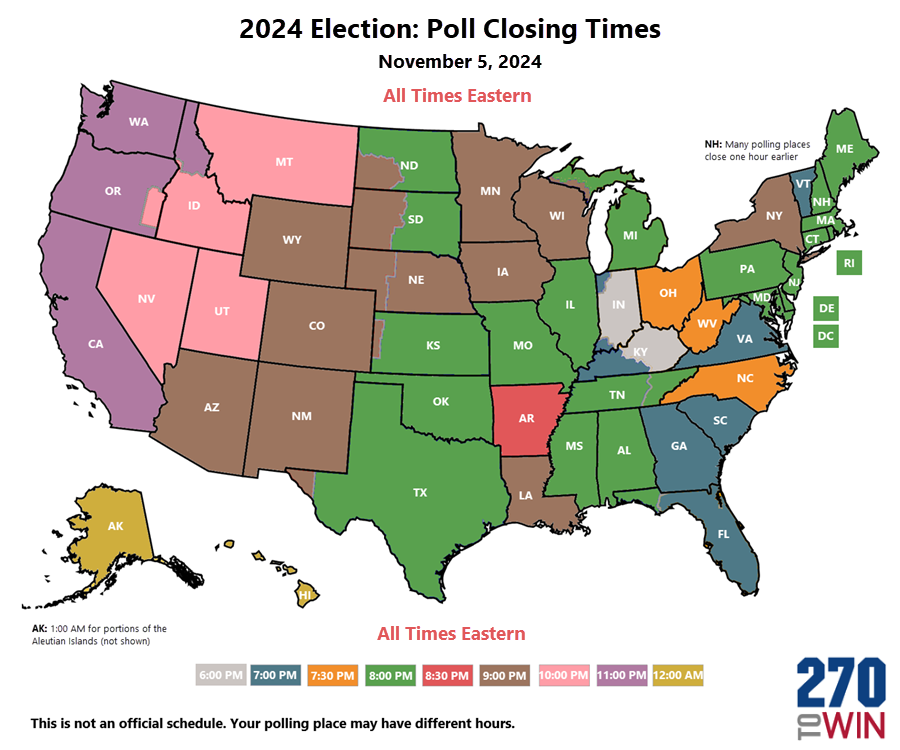
When Election Day draws to a close, the focus shifts to the tabulation of votes. Due to the time difference, Alaska’s results are often among the last to be factored into national election totals. This can lead to extended periods of waiting for definitive outcomes. For those living in or visiting Alaska, election nights can be a unique experience, often involving local gatherings to watch results trickle in.
The anticipation builds as the 8:00 PM closing time approaches. Once the polls shutter, election workers begin the process of gathering ballots and transporting them to central counting locations. In Alaska, this can involve significant travel, especially for more remote areas. The accuracy and security of this process are paramount, ensuring that every vote cast is counted fairly.
News organizations typically begin reporting preliminary results as soon as they become available from the precincts. However, due to the time lag, projections for Alaska are usually made later in the evening, often after polls have closed in the Eastern Time Zone. This means that while much of the nation might be following the dramatic conclusion of election night coverage, Alaskan voters and observers are still engaged in the early stages of vote counting.
This temporal disconnect has also influenced the way campaigns strategize and communicate. Candidates and parties must account for the fact that Alaskan voters will be receiving information and making decisions later than voters in other parts of the country.
The reporting of Alaska’s results often provides a final piece to the electoral puzzle, sometimes solidifying a national trend or, in rare cases, offering a surprise outcome that shifts the overall narrative. For anyone interested in politics, understanding this unique aspect of the electoral cycle in Alaska is crucial for a comprehensive view of American democracy.
Travel and Elections: Navigating Your Vote
For travelers visiting Alaska during an election period, it’s essential to be aware of their voting rights and how to exercise them. U.S. citizens can generally vote by absentee ballot in their home state, even while traveling. Many states offer online portals for requesting absentee ballots, and these can often be mailed to a temporary address, such as a hotel or a relative’s home in Alaska.
It’s advisable for travelers to research their state’s specific absentee voting procedures well in advance of their trip. Many Alaska destinations, from the wilderness lodges near Denali National Park and Preserve to the charming hotels in Seward, are quite remote. This means that mail delivery can take longer, and access to polling places on Election Day might be limited. Planning ahead is key to ensuring your ballot is cast on time.
For those who are residents of Alaska and are traveling within the state on Election Day, they would still vote according to the local closing times of 8:00 PM in their precinct. If their travels take them outside of Alaska, they would need to follow the absentee voting procedures of their home state.
The intersection of travel and voting in Alaska highlights the importance of civic engagement regardless of location. Whether you are planning an adventure to explore glaciers, embark on a wildlife cruise, or experience the rich local culture of Native Alaskan communities, staying informed about your voting responsibilities is a vital part of being a participating citizen. Many travelers find that even while immersed in the breathtaking natural beauty, the act of voting connects them back to their communities and their country.
The logistical considerations for voters in Alaska are significant. The sheer size of the state means that polling stations can be hours apart. For individuals living in remote villages, voting may require a boat trip or a flight, especially during months with challenging weather. The state has made efforts to improve accessibility, including establishing a robust mail-in voting system and offering early voting options at designated locations. However, the fundamental principle remains that voters must cast their ballots before the designated closing time.

The Broader Context: Life and Lifestyle in Alaska
While understanding when Alaska polls close is important for civic participation, it is also a reflection of life in a state that operates on its own unique rhythm. The vastness of Alaska influences everything from travel and tourism to the daily lives of its residents. The pursuit of adventure, whether it’s hiking in the mountains, fishing in the pristine rivers, or marveling at the Aurora Borealis, is a cornerstone of the Alaskan lifestyle.
Accommodations in Alaska range from luxurious resorts offering unparalleled views of the natural landscape to cozy cabins and apartments perfect for longer stays. When planning a trip, whether for leisure or business, understanding local schedules, including election times, is part of the overall preparation. For instance, a business traveler might need to adjust meeting schedules on Election Day to accommodate voting, just as a tourist might plan their itinerary to ensure they are in a location where they can easily cast their ballot if they are an Alaskan resident.
The tourism industry in Alaska thrives on its natural wonders and unique cultural heritage. From visiting iconic landmarks like the Trans-Alaska Pipeline to experiencing local cuisine in towns like Homer, there is a wealth of experiences to be had. Incorporating civic awareness, such as knowing election timings, into the broader context of experiencing Alaska provides a more complete understanding of the state.
The lifestyle in Alaska often emphasizes self-reliance and community. This spirit extends to its democratic processes. Residents are encouraged to be informed and to participate, and the timing of poll closures is a fundamental aspect of that participation. Whether you are considering a luxury travel experience, a budget-friendly adventure, or a family trip to explore the Last Frontier, understanding these local details enriches the journey and fosters a deeper appreciation for the state.
In conclusion, the question “When Do Alaska Polls Close?” is more than just a logistical query. It touches upon the unique temporal dynamics of the state, its electoral processes, and its distinct lifestyle. For voters, travelers, and anyone with an interest in Alaska, knowing these details ensures informed participation and a richer understanding of this extraordinary part of the United States.
LifeOutOfTheBox is a participant in the Amazon Services LLC Associates Program, an affiliate advertising program designed to provide a means for sites to earn advertising fees by advertising and linking to Amazon.com. Amazon, the Amazon logo, AmazonSupply, and the AmazonSupply logo are trademarks of Amazon.com, Inc. or its affiliates. As an Amazon Associate we earn affiliate commissions from qualifying purchases.