
Navigating the time zones of the United States can be a minor puzzle for travelers, and when planning a trip to the vast and diverse state of Arizona, understanding its temporal alignment is crucial. This is particularly true when considering the common confusion surrounding Arizona and its proximity to both Mountain Time and Pacific Time. While many might assume a consistent time zone across the western regions of the United States, Arizona presents a unique case, primarily observing Mountain Standard Time year-round, with a notable exception that adds a layer of complexity for visitors.
The Peculiar Case of Arizona Time
Unlike most of the contiguous United States, Arizona does not observe daylight saving time. This decision, rooted in a desire to minimize energy consumption and capitalize on cooler daylight hours, sets it apart from its neighboring states, most of which adhere to the biannual clock change. This means that for a significant portion of the year, Arizona operates on a different temporal schedule than states to its west, such as California and Nevada, which are firmly in the Pacific Time Zone.
Mountain Standard Time: The Default
The vast majority of Arizona observes Mountain Standard Time (MST) year-round. This is equivalent to UTC-7. During the months when other states are observing daylight saving time, Arizona’s MST becomes equivalent to Mountain Daylight Time (MDT) in those other regions. This temporal quirk means that for about half the year, Arizona is effectively one hour ahead of the Pacific Time Zone. For instance, when it’s 3 PM in Phoenix, it’s 2 PM in Los Angeles.
However, during the winter months, when daylight saving time is not in effect in the rest of the Mountain Time Zone, Arizona’s MST aligns with the standard time of its neighbors. At this time, it would be the same hour in Phoenix as it is in Denver or Salt Lake City. This constant adherence to MST is a key factor in understanding Arizona’s temporal relationship with other regions.
The Navajo Nation Exception: A Glimpse of Daylight Saving
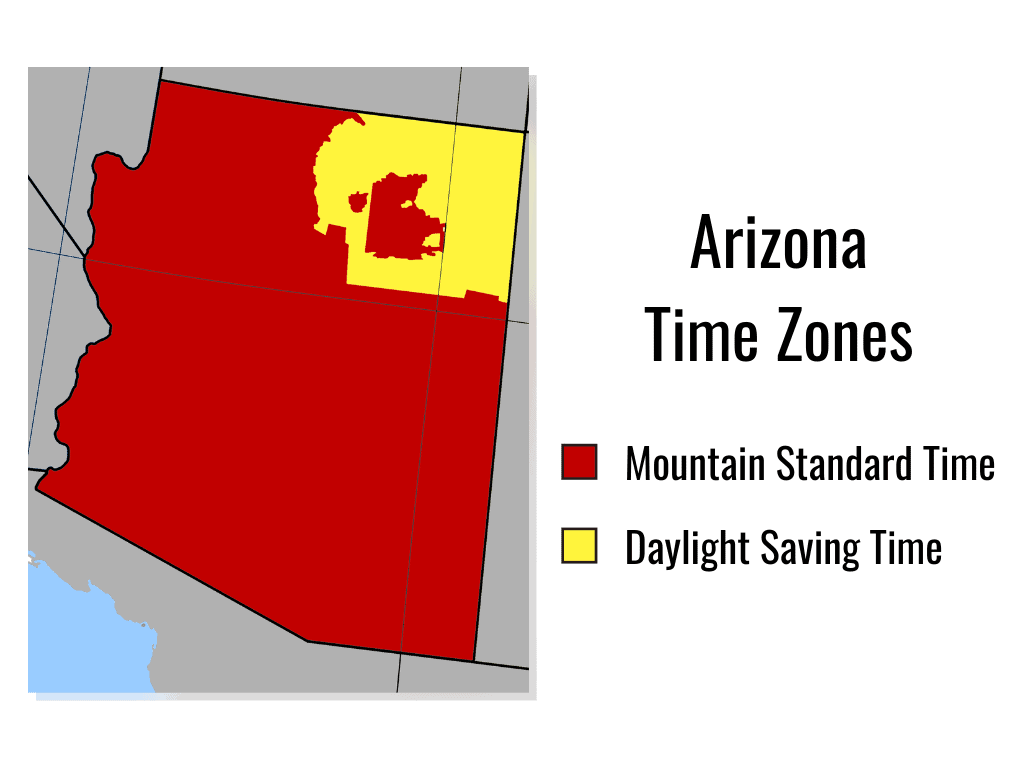
While the majority of Arizona eschews daylight saving time, there is one significant exception: the Navajo Nation. This expansive tribal land, which spans across northeastern Arizona, northwestern New Mexico, and southeastern Utah, does observe daylight saving time. As a result, the Navajo Nation operates on Mountain Daylight Time (MDT) during the spring and summer months, placing it on the same time as neighboring Colorado and one hour ahead of the rest of Arizona.
This creates a peculiar situation where crossing into the Navajo Nation from elsewhere in Arizona can mean jumping forward an hour. For example, if you are visiting Monument Valley, which is within the Navajo Nation, and the rest of Arizona is on MST (UTC-7), the Navajo Nation will be on MDT (UTC-6). This is a crucial piece of information for travelers, especially those on tight schedules or coordinating with people in different parts of the state. Cities within the Navajo Nation include Kayenta and Chinle, areas rich in Native American culture and home to attractions like Canyon de Chelly National Monument.
Implications for Travelers and Tourists
The unique time zone situation in Arizona has several practical implications for visitors, whether they are planning a relaxing stay at a resort in Scottsdale, exploring the natural wonders of the Grand Canyon, or engaging in business travel.

Planning Your Itinerary
When booking flights, making dinner reservations, or scheduling tours, it is essential to be aware of the time zone differences. For instance, if you are traveling from California to Phoenix, you will gain an hour upon arrival during the months when Arizona does not observe daylight saving. Conversely, if your itinerary includes a visit to the Navajo Nation, you’ll need to factor in that extra hour difference. This can be particularly important for early morning activities or late-night flights. Consulting reliable travel guides or local tourism websites can help clarify these temporal details for specific destinations within Arizona.
Accommodation and Activities
For those seeking accommodation, from luxury villas in Sedona to budget-friendly apartments in Tucson, understanding the local time is usually straightforward, as most establishments operate on the prevailing time of their immediate region. However, if your accommodation is located near the border of the Navajo Nation or if your planned activities span across this boundary, it’s wise to confirm the operating hours and local time with the service providers. This is also relevant for tour operators, as different parts of the state may have different time zone considerations. For example, a guided tour starting in Flagstaff and venturing into the Navajo Nation would require careful time management.
Staying Connected and Informed
In today’s interconnected world, communication is key. When traveling in Arizona, staying informed about the time is as simple as checking your phone, which will typically update automatically. However, if you are relying on older devices or specific travel apps, it is always a good practice to verify the time zone settings. For business travelers, ensuring that all parties are synchronized on the correct time is paramount to avoid missed meetings or miscommunications. This is especially true when coordinating with clients or colleagues located in different time zones across the United States or internationally.
Understanding the Geographic Context
The temporal differences are largely dictated by the geographical boundaries of the time zones and the state’s decision regarding daylight saving time. Arizona’s placement within the western part of the United States naturally positions it in proximity to the Pacific Time Zone and the Mountain Time Zone.
Proximity to Pacific Time
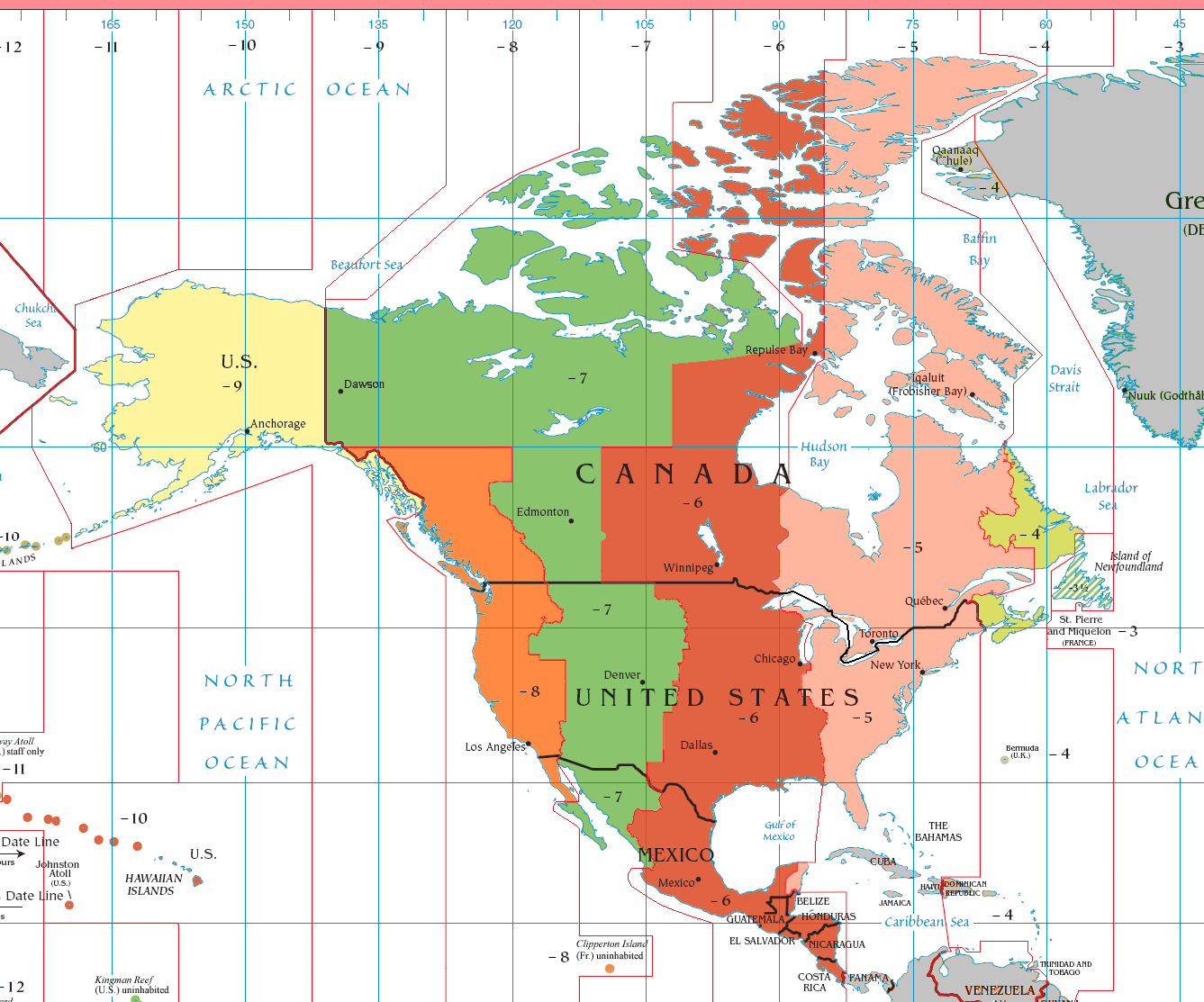
Arizona shares a border with several states that observe Pacific Time, including California and Nevada. This proximity often leads to the initial assumption that Arizona would also be in the Pacific Time Zone. However, the state’s official adoption of MST year-round is the decisive factor. During the spring and summer months, when California and Nevada are on Pacific Daylight Time (PDT, UTC-7), Arizona remains on MST (UTC-7). This means they are effectively on the same time. However, in the winter months, when these states revert to Pacific Standard Time (PST, UTC-8), Arizona continues to observe MST (UTC-7), creating a one-hour difference.
The Mountain Time Zone Connection
The majority of Arizona falls within the geographical boundaries of the Mountain Time Zone. States like Utah, Colorado, New Mexico, and parts of Idaho and Montana are all part of this zone. The critical distinction for Arizona is its decision not to participate in daylight saving time. This means that while it belongs to the broader Mountain Time Zone, its temporal behavior diverges from many of its neighbors for half the year. This is why it is often described as being on “Arizona time” or observing MST year-round, rather than being strictly aligned with the fluctuating time of the rest of the Mountain Time Zone during daylight saving periods.
In conclusion, for most travelers exploring the diverse attractions and landscapes of Arizona, from the bustling streets of Phoenix to the serene beauty of the Grand Canyon, the state operates on Mountain Standard Time year-round. The exception of the Navajo Nation observing daylight saving time adds a unique layer to consider, especially when venturing into those specific regions. By understanding these temporal nuances, visitors can ensure smoother travel, better planning, and a more enjoyable experience in the captivating state of Arizona.
LifeOutOfTheBox is a participant in the Amazon Services LLC Associates Program, an affiliate advertising program designed to provide a means for sites to earn advertising fees by advertising and linking to Amazon.com. Amazon, the Amazon logo, AmazonSupply, and the AmazonSupply logo are trademarks of Amazon.com, Inc. or its affiliates. As an Amazon Associate we earn affiliate commissions from qualifying purchases.